
Developing a Growth Mindset
Unlock Your Potential with Proven Strategies
Key Takeaways
- Embrace Challenges: Viewing obstacles as opportunities fosters resilience and growth.
- Value Effort Over Talent: Focusing on hard work and strategies leads to sustainable success.
- Seek Constructive Feedback: Utilizing feedback effectively accelerates personal development.
Understanding the Growth Mindset
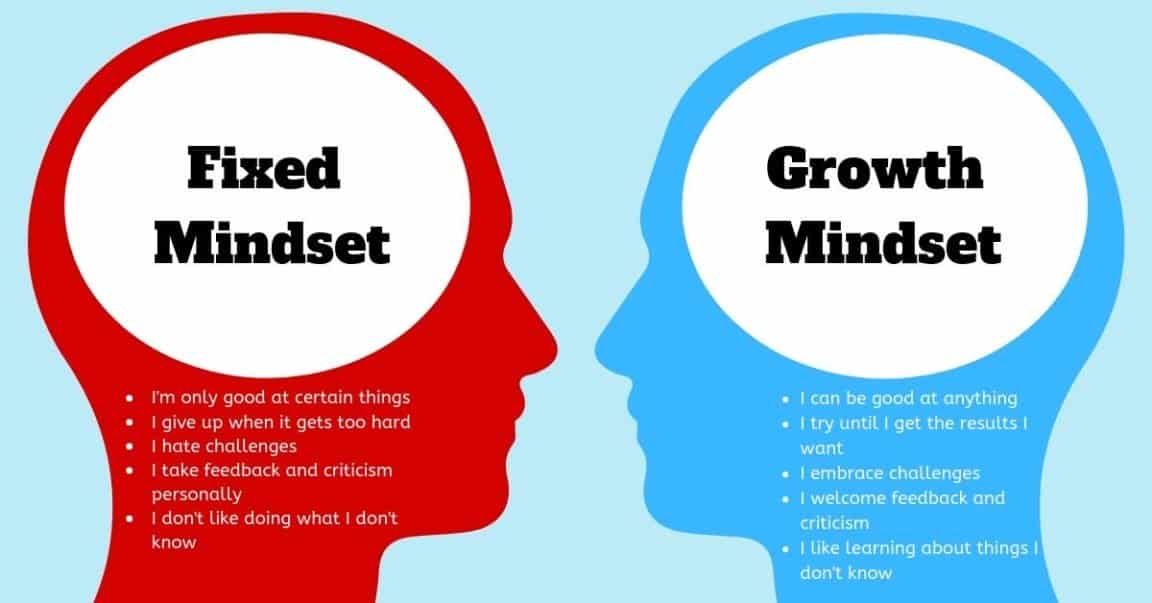
A growth mindset, a concept pioneered by psychologist Carol S. Dweck, is the belief that abilities and intelligence can be developed through dedication, hard work, and learning from experiences. This contrasts with a fixed mindset, where individuals believe their talents and intelligence are static traits that cannot be significantly changed. Adopting a growth mindset can lead to greater achievement, increased resilience, and enhanced personal satisfaction.
Strategies to Develop a Growth Mindset
1. Embrace Challenges
Challenges are integral to growth. Instead of avoiding difficult tasks, approach them with curiosity and a willingness to learn. Embracing challenges helps you develop problem-solving skills and resilience.
- See challenges as opportunities to learn and improve.
- Step out of your comfort zone regularly to build confidence.
- Adopt a proactive attitude towards encountering new and unfamiliar tasks.
2. Reframe Failure as Learning
Failure is not a reflection of your abilities but a stepping stone towards mastery. By analyzing setbacks, you can identify areas for improvement and apply new strategies to overcome similar obstacles in the future.
- View failures as valuable learning experiences.
- Ask yourself what went wrong and how you can improve next time.
- Adopt the mantra: "I haven’t mastered it yet."
3. Cultivate Self-Awareness Through Reflection
Regular self-reflection helps you recognize when you’re falling into a fixed mindset and allows you to consciously shift towards growth-oriented thinking.
- Keep a journal to track your thoughts, challenges, and progress.
- Reflect on your daily experiences to identify mindset shifts.
- Understand your triggers for fixed mindset thinking and develop strategies to counteract them.
4. Value Effort Over Natural Ability
Focusing on the effort and strategies you employ rather than inherent talent fosters a sustainable path to success.
- Praise the process, including effort, strategies, and persistence.
- Celebrate small achievements and incremental progress.
- Understand that effort leads to mastery and long-term success.
5. Develop a Love of Learning
A genuine love for learning propels continuous personal and professional growth.
- Stay curious by exploring new interests, skills, and hobbies.
- Engage in lifelong learning through reading, courses, and other educational activities.
- Seek out opportunities to expand your intellectual horizons.
6. Change Your Inner Dialogue
Transforming negative self-talk into positive, growth-oriented language reinforces a growth mindset.
- Replace statements like “I’m not good at this” with “I’m learning to get better.
- Use growth-oriented phrases such as “I’m improving” or “I’ll get better with practice.”
- Monitor and adjust your internal narrative to support your growth goals.
7. Seek Constructive Feedback
Feedback provides valuable insights into areas where you can improve and grow.
- Actively seek feedback from mentors, peers, and supervisors.
- View criticism as a tool for learning rather than a personal attack.
- Implement the feedback to enhance your skills and performance.
8. Set Stretch Goals
Setting challenging yet achievable goals pushes you to expand your limits and develop new competencies.
- Identify goals that are ambitious but attainable with effort.
- Break down large goals into smaller, manageable steps.
- Track your progress and adjust your strategies as needed.
9. Surround Yourself With Supportive Influences
Being around individuals who embody a growth mindset can reinforce your own growth-oriented behaviors.
- Connect with people who encourage and support your growth journey.
- Learn from others' experiences and resilience.
- Share your growth experiences to inspire and motivate others.
10. Practice Patience and Persistence
Developing a growth mindset is an ongoing process that requires consistent effort and patience.
- Understand that mindset shifts take time and are part of a continuous journey.
- Maintain your dedication even when progress seems slow or challenging.
- Celebrate improvements, no matter how small, to stay motivated.
Implementing the Growth Mindset: Practical Steps
A. Recognize and Challenge Fixed Mindset Thoughts
Awareness is the first step towards transformation. Identify when you’re thinking with a fixed mindset and actively challenge those thoughts.
- Notice negative self-talk and reframe it into positive statements.
- Question beliefs about your limitations and explore evidence to the contrary.
- Replace “I can’t” with “I can’t yet” to emphasize potential growth.
B. Develop Effective Learning Strategies
Adopting structured approaches to learning supports the development of a growth mindset.
- Set specific, measurable, achievable, relevant, and time-bound (SMART) goals.
- Use active learning techniques such as summarizing information, teaching others, and applying knowledge in practical contexts.
- Regularly review and adjust your learning strategies based on feedback and results.
C. Foster a Supportive Environment
Creating an environment that encourages growth and learning facilitates the adoption of a growth mindset.
-
Surround yourself with individuals who support and challenge you.
-
Create a physical space conducive to learning and development.
-
Engage in communities or groups that promote continuous improvement and resilience.
Benefits of a Growth Mindset
Adopting a growth mindset brings numerous benefits that enhance both personal and professional aspects of your life.
| Growth Mindset | Fixed Mindset |
|---|---|
| Embraces challenges | Avoids challenges |
| Values effort | Views effort as fruitless |
| Learns from criticism | Ignores or defends against criticism |
| Inspired by others' success | Feels threatened by others' success |
| Achieves higher levels of success | Stagnates due to fear of failure |
Overcoming Common Obstacles
1. Dealing with Setbacks
Setbacks are inevitable, but they do not define your potential. Learning to navigate setbacks with a growth mindset transforms obstacles into opportunities for learning.
2. Maintaining Motivation
Staying motivated during the growth process can be challenging. Setting clear goals, celebrating small wins, and maintaining a positive inner dialogue help sustain motivation.
3. Overcoming Fixed Mindset Triggers
Identify situations or thoughts that trigger a fixed mindset and develop strategies to counteract them, such as reframing negative thoughts or seeking support from others.
Conclusion
Developing a growth mindset is a transformative journey that empowers you to unlock your full potential. By embracing challenges, valuing effort, seeking constructive feedback, and fostering a love for learning, you can cultivate a mindset that leads to continuous personal and professional growth. Remember, this shift requires patience and persistence, but the rewards of increased resilience, enhanced learning, and greater achievement make it a worthwhile endeavor.
References
Last updated January 29, 2025