
Unlocking Business Agility and Security: A DevSecOps Imperative for the Board
Driving Innovation and Resilience in the Digital Age
In today's rapidly evolving digital landscape, organizations face increasing pressure to innovate faster, respond to market demands swiftly, and maintain robust security against sophisticated threats. The traditional separation between development, operations, and security teams often creates bottlenecks, slows down delivery, and introduces vulnerabilities. This presentation outlines how adopting DevOps and evolving to DevSecOps provides a strategic framework to overcome these challenges, enhance performance, and secure our digital future.
Key Insights for Executive Leadership
- DevOps is a Strategic Business Driver, Not Just IT: Beyond technical practices, DevOps is a fundamental shift in culture and processes that directly enables digital transformation, accelerates time-to-market, and improves customer satisfaction by fostering collaboration and efficiency across the organization.
- Integrating Security Early (DevSecOps) is Essential for Resilience and ROI: Shifting security left into the development pipeline proactively identifies and mitigates risks, significantly reducing the cost of fixing vulnerabilities later and protecting the business from potentially devastating breaches, thereby enhancing trust and compliance.
- Executive Sponsorship and Cultural Leadership are Paramount: Successful adoption of DevOps and DevSecOps requires clear vision, strategic alignment, and active support from CxOs to break down silos, foster a culture of shared responsibility, and invest in the necessary people, process, and technology changes.
Understanding DevOps: The Foundation for Agility
DevOps, a portmanteau of "Development" and "Operations," represents a set of cultural philosophies, practices, and tools designed to increase an organization's ability to deliver applications and services at high velocity. It aims to shorten the systems development life cycle and provide continuous delivery with high software quality. For the board and CxOs, the key takeaway is that DevOps is fundamentally about driving business value by improving the speed, efficiency, and reliability of software delivery.
Historically, Development (Dev) and Operations (Ops) teams often worked in silos, leading to friction, delays, and misaligned incentives. Developers were incentivized to build new features quickly, while Operations prioritized stability. This created bottlenecks at the point of deployment. DevOps breaks down these barriers, fostering collaboration, communication, and shared responsibility across the entire application lifecycle.
Why DevOps Matters to the Business
The relevance of DevOps for business leaders stems from its direct impact on strategic objectives:
- Accelerated Time-to-Market: DevOps practices like Continuous Integration (CI) and Continuous Delivery (CD) automate the build, test, and deployment processes, allowing new features and updates to reach customers much faster than traditional methods. This agility is crucial for responding to market changes and staying ahead of the competition.
- Improved Efficiency and Productivity: Automation of repetitive tasks frees up valuable engineering time, allowing teams to focus on innovation rather than manual deployments or troubleshooting.
- Enhanced Reliability and Stability: Continuous testing, monitoring, and smaller, more frequent releases reduce the risk of errors and make it easier to identify and fix issues quickly. This leads to more stable applications and less downtime.
- Increased Innovation: By reducing the overhead and risk associated with deployments, teams are encouraged to experiment and innovate more freely.
- Better Customer Satisfaction: Faster delivery of features, coupled with more stable and reliable services, directly contributes to a better user experience.
Evolving to DevSecOps: Integrating Security Proactively
While DevOps brought significant improvements in speed and collaboration, security was sometimes left behind, still acting as a gatekeeper late in the process. The increasing volume and sophistication of cyber threats highlight the critical need to embed security throughout the development pipeline from the very beginning. DevSecOps extends the principles of DevOps by integrating security practices into every stage of the software development lifecycle (SDLC). It embodies the idea that "everyone is responsible for security."
This shift is often referred to as "shifting left," meaning security activities are moved earlier in the development process. Instead of security being an afterthought or a final checkpoint before deployment, security considerations, testing, and best practices are built into the planning, coding, building, testing, and deployment phases.
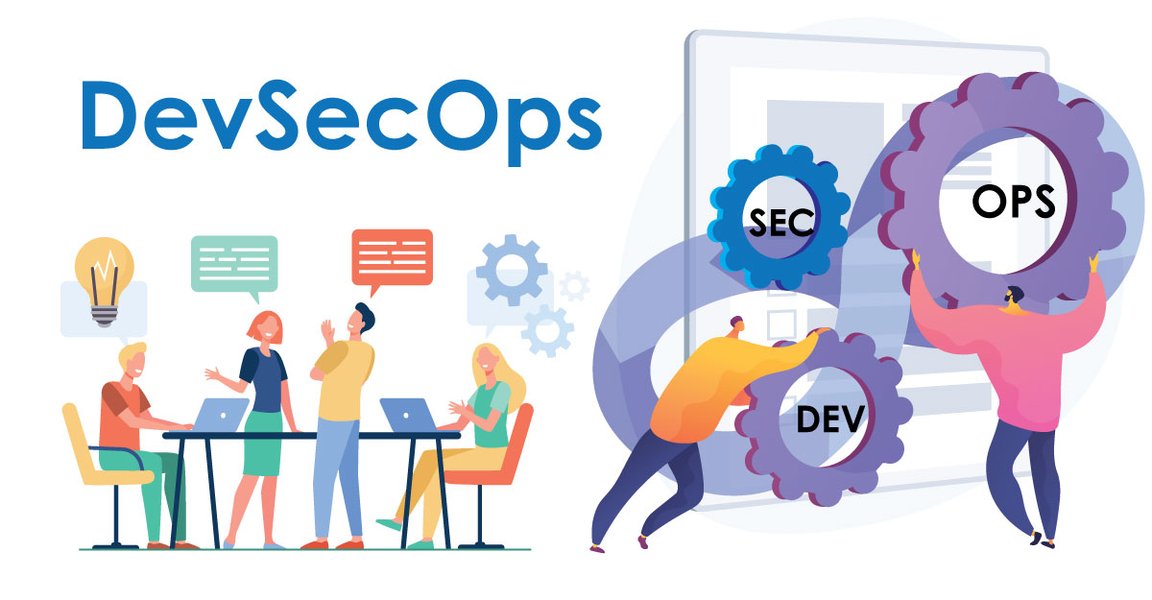
Visualizing the collaboration inherent in a DevSecOps culture, bridging Development, Security, and Operations.
The Imperative for DevSecOps
Integrating security early addresses several critical issues:
- Reduced Risk and Vulnerabilities: Identifying and fixing security flaws early is significantly cheaper and less disruptive than addressing them post-deployment or, worse, after a breach.
- Faster, More Secure Delivery: By automating security checks within the CI/CD pipeline, security becomes an enabler rather than a bottleneck, allowing secure code to be delivered quickly.
- Enhanced Security Posture: DevSecOps builds a culture of security awareness across all teams, making security a shared responsibility. This leads to more secure code being written from the outset.
- Improved Compliance and Governance: Embedding compliance checks into the automated pipeline ensures that regulatory requirements are met consistently and automatically.
- Protecting Brand Reputation and Customer Trust: Preventing security incidents safeguards the organization's reputation and maintains customer confidence.
Financial Benefits and ROI
From an executive perspective, DevSecOps offers a compelling return on investment. The cost of fixing a security vulnerability found in production can be orders of magnitude higher than fixing it during the development or testing phase. Implementing DevSecOps reduces potential future costs associated with breaches, litigation, fines, and reputational damage. It contributes to a stronger bottom line by ensuring secure, reliable, and compliant operations.
DevSecOps Benefits for the Business: A Summary
Adopting DevSecOps provides a multitude of benefits that directly support the organization's strategic goals:
| Benefit Area | DevSecOps Impact | Executive Relevance |
|---|---|---|
| Speed & Agility | Accelerated delivery pipeline, faster feature release cycles. | Respond quickly to market demands, competitive advantage, increased revenue potential. |
| Security Posture | Proactive vulnerability detection, reduced attack surface, built-in security checks. | Reduced risk of breaches, protection of sensitive data and IP, enhanced trust. |
| Quality & Reliability | Fewer bugs and security flaws in production, stable applications. | Improved customer satisfaction, reduced operational costs (less firefighting). |
| Cost Efficiency | Reduced cost of fixing issues late, automation saves labor, lower incidence response costs. | Improved ROI on software development, better resource allocation. |
| Compliance & Governance | Automated enforcement of security policies and regulatory requirements. | Reduced risk of fines and legal issues, smoother audits. |
| Collaboration & Culture | Breaking down silos, shared responsibility for security, improved communication. | More engaged and productive teams, attracting and retaining talent. |
Summary of key DevSecOps benefits and their relevance to executive priorities.
The Critical Role of Executive Leadership
Implementing DevOps and DevSecOps is not merely a technical project; it is a significant organizational and cultural transformation. Success hinges on strong leadership and active involvement from the C-suite. CxOs play a crucial role in:
Setting the Vision and Strategy
Executive leaders must articulate a clear vision for why DevOps and DevSecOps are essential for the organization's future. This vision needs to align with overarching business goals, such as digital transformation, market leadership, or enhanced customer trust. A well-defined strategy provides direction and justification for the necessary investment and changes.
Championing Cultural Change
DevOps and DevSecOps require a shift in mindset towards collaboration, transparency, shared responsibility, and continuous learning. This often means breaking down long-standing silos between teams. CxOs must visibly champion this cultural shift, communicate its importance across the organization, and model the desired behaviors. Finding executive sponsors for these initiatives is vital.
-
Encouraging cross-functional teams and open communication.
-
Promoting a blame-free culture focused on continuous improvement.
-
Investing in training and upskilling for employees.
Providing Resources and Investment
Implementing DevSecOps requires investment in tools, training, and potentially external expertise (like consulting). Executives must allocate the necessary budget and resources to support this transformation. Understanding the ROI and long-term benefits is key to justifying this investment.
Removing Impediments
Organizational impediments, such as rigid processes, bureaucratic approvals, or conflicting priorities, can hinder adoption. CxOs are uniquely positioned to identify and remove these roadblocks, clearing the path for teams to implement DevSecOps practices effectively.
Addressing Potential Challenges
While the benefits are substantial, the journey to DevSecOps is not without challenges. Executives should be aware of potential hurdles:
Cultural Resistance
Resistance to change is common, especially when it requires new ways of working and increased collaboration. Overcoming this requires persistent communication, training, and leadership support.
Integrating Legacy Systems
Many organizations have complex legacy systems that may be difficult to integrate into automated CI/CD pipelines or secure effectively. A phased approach and careful planning are necessary.
Toolchain Complexity
The DevSecOps landscape involves numerous tools for automation, testing, security scanning, and monitoring. Selecting, integrating, and managing these tools can be complex.

Integrating new technologies like AI into DevSecOps brings both opportunities and potential challenges, particularly regarding security implications.
Lack of Skills
Teams may require new skills in areas like automation, security testing, or cloud infrastructure. Investing in training and hiring is crucial.
Executive awareness and support are key to navigating these challenges effectively and ensuring the transformation stays on track.
Exploring DevSecOps Further
To provide additional perspective on the cultural aspects and the evolution from DevOps to DevSecOps, here is a relevant discussion:
This video, "The New Ways of DevSecOps by James Wickett," discusses the shift towards integrating security within the DevOps framework, providing insights into the cultural and practical considerations for this evolution. It highlights how security becomes a more intrinsic part of the development and operations process.
Frequently Asked Questions for Executives
What is the expected ROI from implementing DevSecOps?
While specific ROI can vary, key areas of return include reduced costs associated with security incidents (breaches, fixes, fines), increased development efficiency leading to faster feature delivery and revenue generation, and improved operational stability reducing downtime costs. The long-term value comes from building security into the foundation, preventing costly issues down the line and enabling faster, safer innovation.
How long does it take to implement DevSecOps?
DevSecOps is a journey, not a destination. Initial improvements can be seen relatively quickly by automating key processes like CI/CD and incorporating basic security scans. However, achieving a mature DevSecOps culture and fully integrated pipeline is an ongoing process that can take several months to years, depending on the organization's size, complexity, and starting point.
What resources are needed?
Implementation requires investment in tools (e.g., for automation, security testing, monitoring), training for existing staff to acquire new skills, and potentially hiring personnel with specific expertise. Critically, it requires dedicated time and effort from teams to adapt processes and workflows.
How will we measure success?
Key metrics for DevSecOps include deployment frequency, lead time for changes, change failure rate, mean time to recovery (MTTR) from incidents (including security incidents), number of vulnerabilities found in production versus pre-production, and time taken to fix vulnerabilities. Business-level metrics include customer satisfaction, revenue growth from faster feature delivery, and compliance audit results.
How does DevSecOps impact existing teams?
DevSecOps encourages greater collaboration and shared responsibility. Developers become more involved in security, Operations teams understand development requirements, and Security teams are integrated throughout the process rather than being a separate gate. This requires adaptation and learning for all teams involved.
References

Last updated April 18, 2025