
Fortifying the Links: The Imperative of Modern Supply Chain Security
Comprehensive strategies to protect goods, data, and integrity across interconnected global networks.
Key Insights into Robust Supply Chain Security
- Integrated Risk Management: Effective supply chain security is not a standalone function but a multi-layered, comprehensive approach rooted in sound enterprise risk management principles, addressing physical, cyber, personnel, and procedural threats.
- Continuous Vigilance and Adaptation: Given the dynamic nature of global threats, supply chain security requires ongoing monitoring, regular risk assessments, and agile incident response plans to adapt to evolving vulnerabilities and maintain resilience.
- Collaborative Ecosystem: Success hinges on strong collaboration and transparent communication with all supply chain partners, integrating their security postures and fostering a shared culture of vigilance to protect against cascading risks.
Unpacking Supply Chain Security Management
Supply chain security management encompasses the intricate process of identifying, analyzing, and mitigating risks across every facet of a company's supply network. This extends from external suppliers and vendors to complex logistics and transportation channels. Its core objective is to safeguard goods, assets, and sensitive information from a spectrum of threats, including theft, tampering, counterfeiting, sophisticated cyberattacks, and even acts of terrorism. In today's interconnected global economy, where a single security breach at a third-party vendor can trigger catastrophic, widespread consequences across an entire industry, robust supply chain security is not merely a best practice—it is an indispensable necessity for organizational performance, national security, and global economic stability.
The Multi-Dimensional Landscape of Supply Chain Threats
Modern supply chains face a diverse array of threats that span multiple domains. Understanding these distinct threat vectors is crucial for developing a truly comprehensive security strategy:
- Physical Threats: These involve direct compromises to physical assets, including theft of goods during transit or storage, sabotage of facilities, or piracy. Measures such as tamper-proof seals, secure transportation protocols, and robust access controls at logistics hubs are critical.
- Cyber Threats: The digital realm presents a vast attack surface. Cyber threats range from data breaches and ransomware attacks exploiting vulnerabilities in vendor systems to the introduction of malware through compromised software updates. The interconnectedness of digital networks means a weakness in one partner's cybersecurity can expose the entire chain.
- Personnel Threats: Human elements can introduce vulnerabilities through insider threats, inadequate training, or unintentional errors. Ensuring the professionalism, knowledge, and integrity of staff involved in security is paramount.
- Procedural Threats: These arise from gaps in established processes, such as weak oversight of supplier interactions, inadequate contract stipulations, or a lack of clear, enforced security policies.
Effective supply chain security management must transcend a one-size-fits-all approach, instead adopting a layered defense strategy grounded in enterprise risk management principles. This adaptive framework is essential to protect networks without impeding their efficiency and agility.
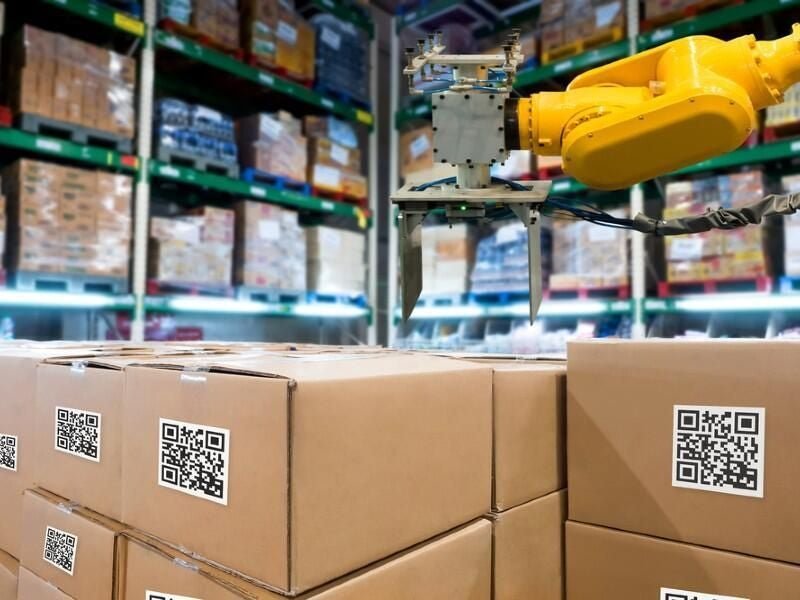
Seamless integration of teams is vital for holistic supply chain management.
Pillars of Effective Supply Chain Security Practices
Implementing a resilient supply chain security framework requires adherence to several critical best practices, each contributing to a layered defense:
1. Comprehensive Risk Assessment and Management
At the heart of any robust security strategy is a continuous process of identifying, assessing, and prioritizing potential threats. This involves:
- Holistic Vulnerability Mapping: Regularly conducting thorough risk assessments to identify potential threats to sensitive data, systems, hardware, and software across the entire supply chain. This requires visualizing and tracking connections and potential vulnerabilities between an organization and all its supply chain elements.
- Prioritization and Mitigation: Prioritizing threats based on their potential impact and likelihood, then developing targeted mitigation strategies. This includes establishing security standards for critical vendor relationships and regularly reviewing cybersecurity protocols.
- Leveraging Frameworks: Adhering to established guidelines like the National Institute of Standards and Technology (NIST) Special Publication 800-161 Revision 1, which provides authoritative guidance on integrating Cybersecurity Supply Chain Risk Management (C-SCRM) into overall risk management activities.
2. Robust Cybersecurity Measures
Given the increasing digitization of supply chains, strong cybersecurity is non-negotiable. Key measures include:
- Advanced Controls: Implementing advanced security controls such as digital signatures, multi-factor authentication (MFA), and session breaks to enhance data and system integrity.
- Zero-Trust Architecture: Adopting a zero-trust approach, which continuously verifies user identities and access levels, ensuring that no entity, whether inside or outside the network perimeter, is trusted by default.
- Secure Software Supply Chains: Prioritizing the security of software components by using trusted package sources, documenting clear security policies for development, build, and deployment processes, and validating these policies rigorously. Integrating DevSecOps principles helps embed security throughout the software development lifecycle.
- Threat Hunting: Actively engaging in threat hunting to proactively discover and neutralize threats that may have bypassed initial defenses.
3. Enhanced Supplier and Vendor Management
Third-party risks are a significant vulnerability. Effective management involves:
- Credentialing and Screening: Verifying the credentials and integrity of all supply chain participants, from individual personnel to entire organizations.
- Continuous Monitoring: Implementing continuous monitoring of vendors' security postures to gain real-time insight into potential cyber risks and ensure ongoing compliance with security standards.
- Contractual Security Requirements: Prioritizing cybersecurity in contracts with suppliers, setting clear acceptable standards for risk, breach notification procedures, insurance requirements, and regular security system maintenance.
- Integration and Collaboration: Integrating suppliers into the organization's resilience and improvement initiatives, promoting open communication and collaboration to align security best practices and increase visibility of potential risks.
4. Physical and Procedural Security Safeguards
While often overshadowed by cyber threats, physical security remains paramount:
- Access Control: Implementing stringent access management protocols for both internal and external partners and suppliers, controlling role- and user-based access to sensitive and proprietary information. This includes standardized identification protocols, visitor management, and intercom systems for premises access.
- Cargo Security: Ensuring the physical security of goods in transit through measures like robust locks, tamper-proof seals, and GPS tracking devices.
- Policy Enforcement: Developing and rigorously adhering to well-defined, enforced rules and clear understanding of regulations. This includes establishing C-SCRM strategy implementation plans, policies, and risk assessments for products and services.

Physical security measures are vital for protecting logistics sites and preventing unauthorized access.
5. Continuous Monitoring and Incident Response
Anticipating and responding to incidents swiftly is crucial for minimizing damage:
- Real-time Oversight: Implementing continuous monitoring tools to gain real-time insight into the security posture of vendors and the supply chain as a whole.
- Incident Response Planning: Developing well-tested, practical, and easy-to-implement incident response plans and deployable remediation actions. These plans minimize revenue losses, reputational damage, and partner/customer churn rates.
- Post-Incident Analysis: Ensuring that all security incidents, including breaches and irregularities, are reported, recorded, and followed up with corrective actions and regular verifications to foster continuous improvement.
Understanding Supply Chain Attacks: This video delves into how attackers exploit vulnerabilities within supply chains, highlighting the increasing concern around this threat vector and the urgent need for security leaders to take proactive measures. It underscores the severity and complexity of modern supply chain compromises, emphasizing that a single weak link can jeopardize an entire network.
Key Elements of Supply Chain Security Management
The following table summarizes the overarching components and their associated best practices, providing a holistic view of the interconnectedness of supply chain security efforts.
| Security Component | Core Objective | Key Best Practices | Illustrative Technologies/Measures |
|---|---|---|---|
| Physical Security | Safeguarding physical assets and facilities from unauthorized access, theft, or damage. | Secure cargo in transit, implement access control, visitor management, standardize identification. | Tamper-proof seals, GPS tracking, CCTV, biometric access, security guards, intercom systems. |
| Cybersecurity | Protecting digital information, systems, and networks from cyber threats and data breaches. | Robust protocols, secure software supply chains, zero-trust, DevSecOps, threat hunting. | MFA, digital signatures, endpoint segmentation, trusted package sources, intrusion detection systems. |
| Personnel Security | Ensuring the integrity, professionalism, and trustworthiness of all individuals involved in the supply chain. | Strict monitoring of staff, control user-based access, comprehensive training. | Background checks, security awareness training, role-based access controls, non-disclosure agreements. |
| Procedural Security | Establishing and enforcing clear, well-defined policies, plans, and regulations for supply chain operations. | Develop C-SCRM strategy, conduct risk assessments for products, maintain audit trails. | NIST SP 800-161 guidelines, comprehensive incident response plans, documented security policies, regular audits. |
| Vendor Management | Assessing, integrating, and continuously monitoring the security posture of third-party suppliers and partners. | Verify credentials, ongoing monitoring, contractual security clauses, foster open communication. | Third-party risk management platforms, security questionnaires, regular vendor audits, shared security frameworks. |
| Risk Management | Identifying, evaluating, and mitigating all potential risks across the entire supply chain lifecycle. | Regular comprehensive assessments, visualize interactions, prioritize threats, integrate C-SCRM. | Risk assessment methodologies, supply chain mapping tools, threat intelligence platforms, risk matrices. |
| Incident Response | Developing and executing plans for rapid response and recovery from security incidents. | Well-tested plans, deployable remediation actions, post-incident analysis, continuous improvement. | Incident response playbooks, security information and event management (SIEM) systems, forensic tools, emergency communication protocols. |
Assessing Supply Chain Security Maturity
To provide a clear perspective on an organization's supply chain security posture, a radar chart can be used to visualize the relative strengths and weaknesses across key security domains. This assessment is based on opinionated analyses of how effectively a hypothetical organization might implement the discussed best practices.
This radar chart illustrates the perceived maturity levels of a hypothetical organization across various critical supply chain security domains. "Current Security Posture" represents an assessment of existing practices, while "Target Security Goal" indicates desired future state. As depicted, while strong in Incident Response and Cybersecurity Measures, there is room for improvement in areas like Effective Vendor Management and Physical Security Controls to reach the target goals. This visual tool helps stakeholders quickly identify areas requiring more investment and strategic focus for a more balanced and robust security framework.
The Interconnected Nature of Supply Chain Security
Supply chain security management is fundamentally about understanding and managing an intricate web of relationships, processes, and technologies. The mindmap below visualizes the key interconnected aspects that contribute to a comprehensive security strategy.
This mindmap illustrates how various elements of supply chain security are interdependent. For instance, robust Cybersecurity is essential for Data Protection and Software Supply Chain Security, while effective Third-Party Risk Management relies on thorough Vendor Screening and Continuous Monitoring. All these aspects feed into an overarching Risk Management framework and are supported by a commitment to Continuous Improvement, demonstrating that a weakness in one area can undermine the security of the entire chain.
Frequently Asked Questions (FAQ)
What is supply chain security management?
Why is supply chain security important today?
What are the main components of supply chain security?
What are some best practices for supply chain security?
How does Cybersecurity Supply Chain Risk Management (C-SCRM) fit in?
Conclusion
Supply chain security management is a dynamic and evolving discipline that transcends traditional boundaries, requiring a holistic and multi-layered approach to safeguard complex networks. It's not merely about protecting goods from theft, but about securing the entire ecosystem—physical assets, digital data, human capital, and operational procedures—from an ever-increasing array of sophisticated threats. By embracing comprehensive risk assessments, implementing robust cybersecurity and physical controls, meticulously managing third-party vendors, ensuring personnel integrity, and fostering continuous monitoring and rapid incident response capabilities, organizations can build resilient supply chains. The emphasis on collaboration, transparency, and adaptation to evolving threats ensures that supply chains remain secure, efficient, and reliable, ultimately contributing to sustained organizational performance and economic stability in a globalized world.
Recommended Further Exploration
- Advanced threat intelligence for supply chain vulnerabilities
- Implementing blockchain for supply chain transparency
- Impact of AI and machine learning on supply chain security
- Global regulations and compliance in supply chain security