
Healing Diabetes and Pancreatic Beta Cell Recovery
Managing and potentially reversing type 2 diabetes through integrated lifestyle changes
Key Takeaways
- No permanent cure: Current research does not support a “forever” cure for diabetes, but it is possible to achieve remission in type 2 diabetes through intensive lifestyle modifications.
- Beta cell function recovery: Early intervention in type 2 diabetes can help restore some pancreatic beta cell function and increase C-peptide production.
- Tailored dietary plan: A diet that is low in calories and fat, high in fiber, with a focus on lean proteins and whole foods, plays a crucial role in managing diabetes.
Understanding Diabetes and Pancreatic Beta Cells
Diabetes, particularly type 1 and type 2, is a chronic disease with different underlying mechanisms. In type 1 diabetes, an autoimmune response destroys insulin-producing beta cells, which makes a reversal highly challenging with current treatments. Conversely, type 2 diabetes is primarily driven by insulin resistance and dysfunctional beta cells due to metabolic stress. Although “healing diabetes forever” is not supported by current clinical evidence, research shows that especially in type 2 diabetes, aggressive lifestyle interventions can lead to remission – where individuals can maintain near-normal blood sugar levels without continual medication.
Pancreatic Beta Cells and C-Peptide
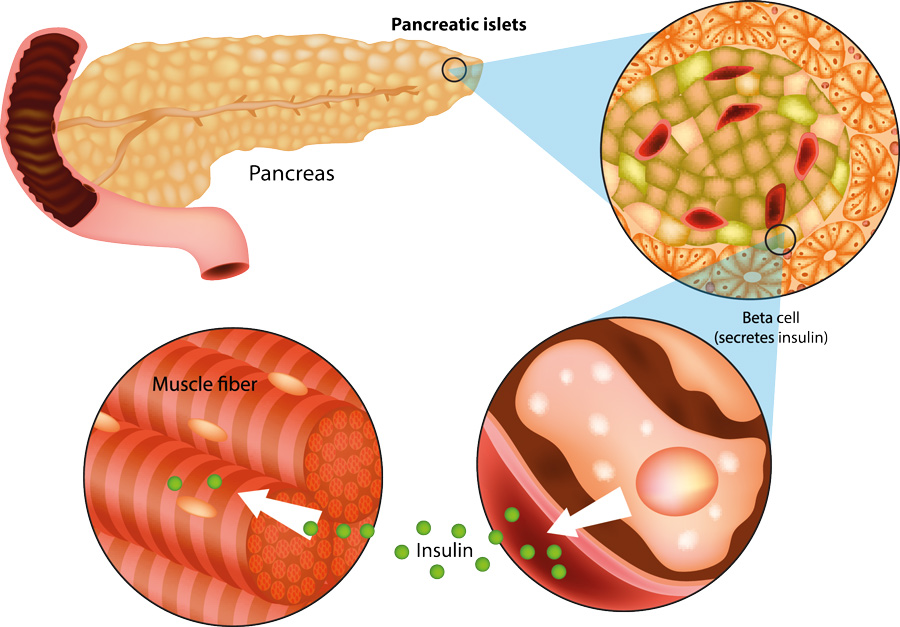
Pancreatic beta cells are vital because they produce insulin, a hormone central to blood glucose regulation. C-peptide, produced in tandem with insulin, serves as an indicator of residual beta cell function. In type 2 diabetes, compromised beta cell activity and reduced C-peptide levels can signal progressive dysfunction. However, studies have shown that by reducing metabolic stress—often through significant weight loss and dietary modifications—there is potential to rejuvenate some beta cell function. This is most effective when the intervention occurs early in the disease process.
Why Beta Cell Recovery is Challenging
Beta cell recovery is complex because once cells are extensively damaged, regeneration is limited. For type 2 diabetes, when lifestyle changes successfully reduce the fat content around the liver and pancreas, the lowered inflammatory milieu can improve the functioning of existing beta cells and, in some cases, modestly increase beta cell mass. Although research into stem cell therapies and islet transplantation is promising, these are still largely experimental and not available as a standard cure.
Strategies for Diabetes Remission and Beta Cell Support
Lifestyle Interventions
A wealth of clinical research indicates that comprehensive lifestyle interventions are the cornerstone of achieving remission in type 2 diabetes. These interventions primarily focus on:
- Weight Loss: A key factor in reducing insulin resistance and relieving stress on pancreatic beta cells. Studies suggest losing 30 pounds or more can significantly shift the metabolic balance in favor of better glucose regulation.
- Calorie Restriction: Very low-calorie diets (often in the 600–850 calorie range) have been shown to rapidly reduce fat deposits within organs, including those affecting the pancreas. Such diets must be medically supervised to ensure nutritional adequacy and safety.
- Physical Activity: Regular moderate-intensity exercise (at least 150 minutes per week) not only burns excess fat but also improves insulin sensitivity. Aerobic exercise combined with resistance training confers the best benefits.
- Stress Management and Sleep: Adequate sleep and techniques for stress reduction (e.g., meditation and deep breathing) help maintain hormonal balance and improve metabolic outcomes.
Medical and Therapeutic Approaches
Apart from lifestyle changes, medical treatments can support beta cell function. Some patients benefit from medications that improve insulin sensitivity, while experimental therapies including stem cell research and islet transplantation are under development. However, it is essential to note that these interventions do not yet offer a “permanent cure” but may significantly improve quality of life and disease management.
Bariatric surgery is another avenue often recommended for severely obese patients with type 2 diabetes. Procedures like gastric bypass and sleeve gastrectomy have demonstrated remarkable success rates in inducing remission. These surgeries not only facilitate weight loss but also contribute to hormonal changes that can improve blood sugar regulation.
Detailed Dietary Recommendations for Diabetes Management
General Dietary Principles
The dietary approach for managing type 2 diabetes and supporting pancreatic health centers around reducing inflammation, controlling blood sugar levels, and promoting weight loss. While there is no single “magic diet,” the following principles are consistently advised:
- Low-Calorie Intake: A reduced-calorie diet is crucial for weight loss. In some protocols, very low-calorie stages are employed under professional supervision to jumpstart remission.
- Low-Fat and Low-Sugar: Limiting both saturated fats and refined sugars reduces the risk of further damaging pancreatic cells and increases insulin sensitivity.
- High in Dietary Fiber: Fiber helps slow down the absorption of glucose, resulting in more stable blood sugar levels. It also supports digestion and satiety.
- Frequent, Balanced Meals: Smaller, more frequent meals can help in managing blood glucose levels and reducing the workload on the pancreas.
- Hydration: Adequate water consumption is critical in all phases of dietary management. Staying well hydrated assists in metabolic processes and overall health.
Foods to Include and Foods to Avoid
The proper selection of foods plays a pivotal role in managing blood sugar levels and potentially restoring some beta cell functionality. Below is a detailed table summarizing which foods to include in your diet and which to avoid in order to best manage diabetes and promote pancreatic health:
| Foods to Include | Foods to Avoid |
|---|---|
|
• Dark leafy greens (spinach, kale) • Cruciferous vegetables (broccoli, cauliflower) • Fresh fruits (berries, citrus fruits, apples) • Lean proteins (skinless poultry, fish, legumes) • Whole grains (quinoa, brown rice, whole wheat products) • Low-fat dairy products • Nuts and seeds (in moderation) • Healthy fats (avocado, olive oil) |
• Refined carbohydrates (white bread, pastries, sugary cereals) • Processed foods high in saturated fats (fast food, fried snacks) • Sugary beverages (soda, energy drinks) • Trans fats (partially hydrogenated oils found in many processed snacks) • Excessively high-calorie foods without nutritional benefits |
Meal Planning and Portion Control
In addition to choosing the right foods, how you eat them matters. Here are some additional tips for creating a meal plan that supports diabetes management and pancreatic health:
- Small, Frequent Meals: Eating five to six small meals throughout the day can aid in maintaining stable blood sugar levels and avoiding large spikes that strain beta cells.
- Portion Management: Be mindful of portion sizes. Even healthy foods can contribute to weight gain if consumed in excessive amounts, potentially worsening insulin resistance.
- Balanced Macronutrients: Each meal should contain an appropriate mix of proteins, carbohydrates, and fats. A balanced meal helps in prolonging satiety and supports gradual glucose absorption.
- Meal Timing: Consistent meal timing helps regulate the body’s internal clock and metabolic processes, which is key for glucose management.
Specialized Diet Approaches
Several specialized dietary strategies have been studied in the context of diabetes remission:
- Very Low-Calorie Diets (VLCD): These regimes, often involving calorie intakes as low as 600–850 calories per day, have been effective in triggering remission in some individuals with type 2 diabetes. They work by rapidly reducing excess fat from the liver and pancreas, thereby reducing insulin resistance. Such diets require close medical supervision.
- Intermittent Fasting: Approaches such as alternate-day fasting or time-restricted feeding can help lower overall calorie intake while promoting metabolic flexibility and weight loss. Limited studies have shown positive results in blood sugar improvements, though long-term effects remain under investigation.
- Low-Glycemic Index Diets: Foods with a low glycemic index release glucose slowly into the bloodstream, preventing rapid spikes in blood sugar levels. This method not only aids in management but can also reduce the demand on pancreatic beta cells.
These approaches should be customized to individual needs and used in conjunction with professional medical advice. It is essential to monitor blood glucose levels regularly during any significant dietary change.
Additional Considerations and Recommendations
The Role of Professional Guidance
Before embarking on any stringent dietary or lifestyle regimen, it is crucial to consult with healthcare professionals. Endocrinologists, dietitians, and certified diabetes educators can offer personalized plans tailored to your medical history, current medication, and overall health status. Regular monitoring and adjustments based on feedback and laboratory parameters (such as HbA1c, fasting glucose, and C-peptide levels) are key to success.
Integrating Physical Activity and Lifestyle Adjustments
While diet plays a pivotal role in managing diabetes, incorporating regular physical activity enhances the effects of dietary changes. Exercise helps reduce visceral fat, improves insulin sensitivity, and supports cardiovascular health. Additionally, stress reduction techniques and adequate sleep further optimize metabolic health.
Monitoring Progress
Achieving remission or improved beta cell function requires continuous commitment and careful tracking of progress. Regular blood tests to measure blood glucose, HbA1c, and C-peptide serve as vital indicators of success. Keeping a food diary and exercise log can also provide insights and assist in making necessary adjustments along the way.
A Comprehensive Summary
In summary, while there is no scientifically proven method to “heal diabetes forever,” particularly in the case of type 1 diabetes, individuals with type 2 diabetes can achieve long-term remission through a combination of significant weight loss, a structured and balanced diet, regular physical activity, and lifestyle modifications. The concept of restoring pancreatic beta cell function and increasing C-peptide levels centers around reducing the metabolic stress that impairs beta cell performance. In early-stage type 2 diabetes, alleviating fat deposits in the liver and pancreas can help revive the function of existing beta cells and possibly enhance insulin production.
Dietary recommendations are centered around the consumption of whole foods, including vegetables, fruits, lean proteins, whole grains, and healthy fats. Avoiding processed foods, sugary drinks, and high-fat items is critical to minimize spikes in blood glucose and reduce the burden on the pancreas. Some individuals may benefit from specialized approaches such as very low-calorie diets or intermittent fasting, but these strategies require professional guidance and careful monitoring.
Practical Steps for Implementing Dietary Changes
To put these recommendations into practice, consider the following steps:
- Initial Assessment: Consult your healthcare provider to perform a thorough assessment, including blood work, body composition analysis, and a discussion of your medical history.
- Customized Meal Plan: Work with a registered dietitian to develop a meal plan that reduces overall calories while ensuring nutritional balance. This plan should emphasize high-fiber vegetables, lean proteins, and whole grains while limiting processed and high-sugar foods.
- Gradual Implementation: Instead of overhauling your diet overnight, start with incremental changes. Replace refined carbohydrates with whole grains, and avoid sugary beverages by opting for water or unsweetened teas.
- Consistency and Monitoring: Keep track of your meals, monitor your blood sugar levels, and adjust portions or food selections based on your body’s responses. Frequent follow-ups with your healthcare team are essential.
- Physical Activity and Lifestyle: Incorporate regular exercise routines and stress management techniques into your daily life, which complement your dietary efforts and aid overall metabolic health.
Recognize that while remission of type 2 diabetes is a realistic goal for some, continuous management and lifestyle vigilance are necessary. Should blood sugar levels start to drift, it may be necessary to reassess dietary patterns, adjust physical activity, or consult your healthcare provider for additional therapeutic options.
Conclusion
In conclusion, the idea of “healing diabetes forever” is an appealing yet currently unachievable objective within modern medical science, especially given the chronic nature of the disease. However, for type 2 diabetes, significant lifestyle modifications—in particular, robust dietary changes and substantial weight loss—can lead to remission, supported by improved pancreatic beta cell function and increased C-peptide levels. Emphasizing a nutrient-dense diet with low calories, low fats, and high fiber, paired with regular physical activity and adequate stress management, provides the best approach to managing diabetes and supporting pancreatic health. Consultation with health professionals is indispensable for safe and effective implementation of these strategies.
References
- Can Diabetes Be Reversed? - UCLA Medical School
- 11 Ways to Reverse Diabetes Naturally - Dr Chatterjee
- Reversing Type 2 Diabetes - Diabetes UK
- Is It Possible to Reverse Prediabetes? - Healthline
- Holistic Nutrition for Pancreatic Health - Columbia Surgery
More
Last updated February 19, 2025