
Beyond Injections: Can Engineered Tissues Revolutionize Diabetes Treatment?
Exploring experimental transplantation and genetic engineering to combat insulin deficiency.
Diabetes mellitus, particularly type 1 where the body's own immune system destroys insulin-producing beta cells, leads to a critical deficiency in insulin. This hormone is essential for regulating blood sugar. While insulin injections are a life-saving standard therapy, researchers are actively exploring more permanent and physiological solutions. Your question touches upon fascinating experimental frontiers: could we transplant or even engineer tissues specifically designed to produce insulin, potentially offering a cure or significantly diminishing the effects of insulin deficiency?
Key Insights: The Future of Insulin Production
- Transplantation Proof-of-Concept: Whole pancreas and pancreatic islet cell transplants demonstrate that replacing insulin-producing tissue can restore natural glucose control, although challenges like donor shortages and immune rejection remain significant hurdles.
- Engineering Hope: Genetic engineering of various cell types and the creation of lab-grown 'organoids' (mini-organs) represent promising experimental avenues to create reliable, potentially rejection-resistant sources of insulin-producing cells.
- Tumors vs. Therapy: While naturally occurring insulin-secreting tumors (insulinomas) exist, transplanting them is unsafe due to cancer risks and uncontrolled insulin release. However, insights from studying such cells inform the engineering of safe, regulated therapeutic cells.
Current Frontiers: Transplantation Approaches
Restoring the body's own insulin production is a major goal in diabetes research. Transplantation offers a direct way to replace the lost function of pancreatic beta cells.
Pancreas Transplantation
Transplanting a whole pancreas from a deceased donor can effectively cure type 1 diabetes by providing a complete set of functional insulin-producing cells. It often leads to insulin independence and better long-term blood sugar control, potentially reversing some diabetes-related complications.
Challenges and Considerations
This is a major surgical procedure, typically reserved for individuals with severe, difficult-to-control type 1 diabetes, often those also receiving a kidney transplant due to diabetic nephropathy. The primary drawbacks include the risks associated with major surgery and the absolute necessity for lifelong immunosuppressive drugs to prevent the body from rejecting the transplanted organ. These drugs carry their own risks, including increased susceptibility to infections and certain cancers.
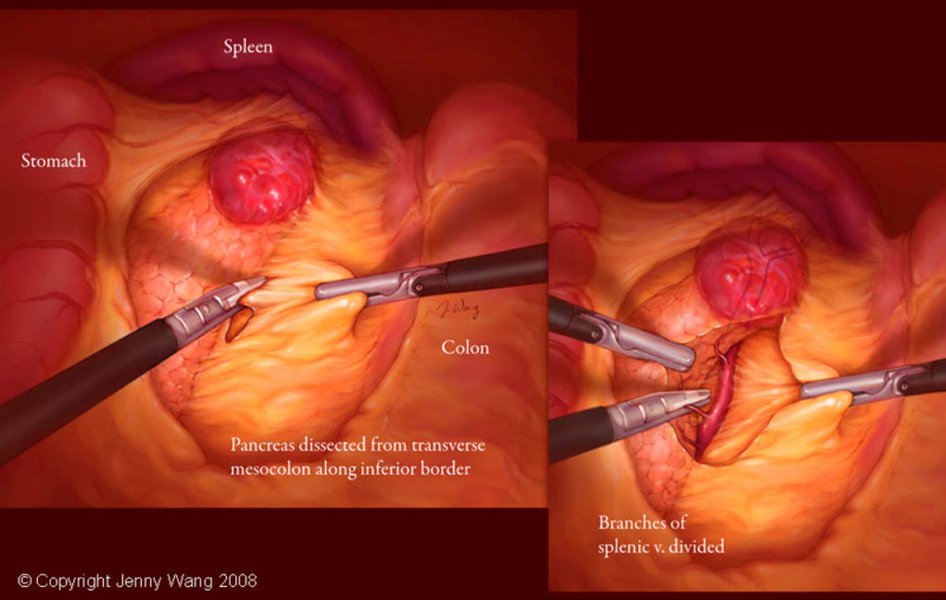
Robotic surgical systems are sometimes used in complex pancreatic surgeries.
Islet Cell Transplantation
A less invasive approach involves transplanting only the insulin-producing cell clusters (islets of Langerhans) isolated from a donor pancreas. These islets are typically infused into the recipient's liver via the portal vein, where they engraft and begin producing insulin in response to blood glucose levels.

Illustration showing the process of infusing islet cells into the liver's portal vein.
Progress and Hurdles
Islet transplantation has shown significant promise, with many recipients achieving periods of insulin independence and improved glycemic control. In 2023, the FDA approved Lantidra, the first allogeneic (donor-derived) pancreatic islet cellular therapy for adults with type 1 diabetes unable to achieve target blood sugar levels. However, challenges persist:
- Donor Scarcity: Finding suitable donor pancreases remains a major limitation.
- Graft Function: Often, a large number of islets are needed, and graft function can decline over time, requiring further transplants or resumption of insulin therapy.
- Immunosuppression: Similar to whole pancreas transplants, lifelong immunosuppression is generally required to prevent rejection, although research is ongoing to reduce or eliminate this need.
- Engraftment Issues: Ensuring the transplanted islets receive adequate blood supply and function optimally in their new environment is crucial.
The Cutting Edge: Engineering Insulin Production
Given the limitations of donor-based transplantation, significant research efforts are focused on creating insulin-producing cells or tissues through genetic and tissue engineering.
Genetically Engineered Cells
This approach involves modifying cells, potentially including stem cells or other readily available cell types, to produce and secrete insulin in a regulated manner, mimicking the function of natural beta cells.

Insulin enables cells throughout the body to absorb glucose from the bloodstream for energy.
Methods and Proof-of-Concept
- Gene Insertion: Studies have successfully introduced the human insulin gene into various cell types, including historically a tumor-derived K-cell line, demonstrating that engineered cells can synthesize insulin.
- Regulated Secretion: A critical aspect is ensuring insulin is released appropriately in response to glucose levels. Researchers are developing sophisticated genetic circuits or using external triggers (like mild electrical currents applied to implanted engineered cells) to control insulin production on demand.
- Cell Sources: While early studies sometimes used immortalized cell lines (like the K-cells), current research often focuses on using stem cells (pluripotent or adult stem cells) differentiated into beta-like cells, or potentially modifying other accessible cell types.
Bioengineered Tissues: The Rise of Organoids
Tissue engineering aims to create functional tissues or mini-organs in the lab. In the context of diabetes, this involves developing insulin-secreting "organoids."

The pancreas naturally houses the islet cells responsible for insulin production.
Human Islet-Like Organoids (HILOs)
HILOs are three-dimensional cell structures grown from human stem cells that mimic the structure and function of natural pancreatic islets. They contain multiple cell types found in islets and can secrete insulin in response to glucose stimulation. When transplanted into animal models (like mice), HILOs have been shown to function like human beta cells and help control blood sugar.
Heterocellular Islet Organoids
To improve survival, vascularization, and function after transplantation, researchers are designing more complex organoids. These "heterocellular" organoids incorporate not just insulin-producing cells but also supporting cells, such as:
- Endothelial Cells: To promote the formation of blood vessels, ensuring oxygen and nutrient supply.
- Mesenchymal Stem Cells (MSCs): Which may have immunomodulatory and supportive effects.
- Anti-inflammatory Cells: To help protect the graft from immune attack.
The goal is to create robust, long-lasting implants that integrate well with the host's body, potentially reducing or eliminating the need for immunosuppression.
Addressing the "Tumor" Question Directly
Your question specifically mentioned transplanting a tumor. While it's an intriguing thought, using naturally occurring insulin-secreting tumors (insulinomas) is not a viable therapeutic strategy.
Why Not Transplant Insulinomas?
Insulinomas are rare pancreatic neuroendocrine tumors that pathologically overproduce insulin, often leading to dangerously low blood sugar (hypoglycemia). Transplanting such a tumor would pose unacceptable risks:
- Malignancy Potential: Insulinomas, like other tumors, can be malignant and metastasize (spread to other parts of the body).
- Uncontrolled Secretion: They secrete insulin erratically and excessively, independent of blood glucose levels, which would be harmful rather than helpful.
Leveraging Cellular Mechanisms Safely
While insulinomas themselves aren't therapeutic, studying them and other cell types (like the aforementioned K-cell line, originally derived from a tumor but heavily engineered) provides valuable insights into the mechanisms of insulin production and secretion. This knowledge helps researchers design *safe*, non-tumorigenic engineered cells or organoids where insulin production is precisely controlled, often by linking it to glucose sensing mechanisms or external triggers.
Visualizing the Potential: Comparative Assessment
To understand how these emerging experimental therapies might stack up against existing options, the radar chart below provides a conceptual comparison across several key factors. Note that the ratings for experimental therapies (Engineered Cells, Organoids) are speculative based on research goals and potential, not established clinical data.
Mapping the Concepts: Interconnected Ideas
The landscape of diabetes treatment involves understanding the core problem (insulin deficiency) and the various strategies being employed or developed to address it. This mindmap illustrates the relationships between diabetes, its cause in Type 1, current management, and the experimental approaches discussed.
Enhancing Transplant Success: Supporting Research
Beyond creating the insulin-secreting component, research also focuses on making transplantation more successful and less reliant on heavy immunosuppression.
Improving Engraftment and Survival
Ensuring transplanted cells or organoids survive and thrive is critical. Strategies include:
- Co-transplantation: Adding other cell types, like endothelial precursor cells, during transplantation can help promote vascularization (blood vessel growth) into the graft, improving nutrient supply and cell survival. Studies in animal models show this can boost function.
- Optimized Location: While the liver is a common site for islet infusion, researchers are exploring other locations or specialized encapsulation devices that might offer a more supportive environment or protect cells from the immune system.

Advanced procedures like autologous islet cell transplant (transplanting a patient's own islets after pancreatectomy) are used in specific cases like chronic pancreatitis.
Tackling the Immune Barrier
Overcoming immune rejection without requiring lifelong, systemic immunosuppression is a major goal. Approaches include:
- Encapsulation: Enclosing the engineered cells or organoids within a semi-permeable membrane that allows insulin and glucose to pass but blocks immune cells and antibodies.
- Immune Engineering: Modifying the transplanted cells to make them less visible or resistant to the immune system (e.g., expressing "don't eat me" signals or immunomodulatory factors).
- Targeted Immunotherapies: Developing therapies that specifically target the immune components responsible for graft rejection, rather than broadly suppressing the immune system. Stanford researchers, for instance, demonstrated successful islet transplantation in mice without immunosuppression using specific antibody treatments around the time of transplant.
A Glimpse into Clinical Trials and Approvals
While many concepts remain experimental, some are progressing towards or are in clinical testing:
- Lantidra (donislecel): As mentioned, FDA-approved islet cell therapy derived from deceased donors for certain adults with T1D.
- VX-880: A therapy using stem cell-derived, fully differentiated insulin-producing islet cells, currently in clinical trials. Early results have shown promise in restoring insulin production.
- Tolimidone: A drug candidate, recently approved for human trials in Canada (as of 2024), designed to stimulate insulin production from existing beta cells (more relevant for type 2 or early type 1 diabetes, but shows progress in modulating insulin pathways).
Focus on Islet Cell Transplantation Research
The following video discusses islet cell transplantation, providing context on this important stepping stone towards potentially curative therapies for type 1 diabetes.
This discussion highlights the excitement and challenges surrounding islet cell transplantation as an experimental treatment. It underscores the core goal shared with engineering approaches: restoring the body's natural ability to produce insulin in response to glucose, thereby alleviating the burden of managing type 1 diabetes.
Challenges and Future Outlook
While the potential is enormous, significant hurdles must be overcome before engineered cells or organoids become standard treatments:
- Safety First: Ensuring that engineered cells do not form tumors or have other unintended harmful effects is paramount. Long-term safety data is crucial.
- Precise Control: The engineered system must produce the right amount of insulin at the right time – too much causes dangerous hypoglycemia, while too little fails to control hyperglycemia.
- Beating Rejection: Developing strategies to prevent immune rejection without relying on broad immunosuppression is key for widespread application.
- Durability and Function: The engineered cells or tissues need to survive and function effectively for many years within the body.
- Scalability: Manufacturing these complex cellular products reliably and at a scale sufficient to treat millions of people with diabetes is a major logistical and economic challenge.
Despite these challenges, the convergence of stem cell biology, genetic engineering, tissue engineering, and immunology offers profound hope. It is plausible that within the coming years or decades, therapies based on transplanted engineered cells or organoids could significantly diminish the effects of insulin deficiency, potentially offering a functional cure for type 1 diabetes.
Summary Table: Comparing Insulin Replacement Strategies
This table provides a simplified overview comparing current and experimental approaches discussed:
| Approach | Source of Insulin | Regulation | Immunosuppression | Status | Key Challenge |
|---|---|---|---|---|---|
| Insulin Therapy | Exogenous (Injected/Pumped) | Manual / Sensor-Augmented | No | Standard Care | Burden of management, imperfect control |
| Pancreas Transplant | Donor Organ | Physiological | Yes (Lifelong) | Clinical Option (Select Cases) | Surgery risk, donor shortage, immunosuppression |
| Islet Transplant | Donor Islets | Physiological | Yes (Lifelong, Generally) | Clinical Option / Approved Therapy (Lantidra) | Donor shortage, graft durability, immunosuppression |
| Engineered Cells | Lab-grown / Modified Cells | Engineered (Glucose-sensing or external trigger) | Goal: Minimize/Eliminate | Experimental / Clinical Trials | Safety, control, immunity, durability |
| Organoids | Lab-grown Tissue Construct | Physiological (Goal) | Goal: Minimize/Eliminate | Experimental / Preclinical | Safety, vascularization, immunity, scale-up |
Frequently Asked Questions (FAQ)
Is transplanting an insulin-secreting tumor (like an insulinoma) a realistic treatment for diabetes?
No, transplanting a naturally occurring insulin-secreting tumor like an insulinoma is not a realistic or safe treatment strategy. These tumors often have malignant potential (can become cancerous and spread) and secrete insulin uncontrollably, leading to dangerous hypoglycemia (low blood sugar), irrespective of the body's actual needs. The research focuses on engineering safe, non-tumorigenic cells that produce insulin in a tightly regulated manner.
What exactly are 'organoids' in the context of diabetes treatment?
In this context, insulin-secreting organoids (like Human Islet-Like Organoids or HILOs) are small, three-dimensional structures grown in the laboratory, typically from stem cells. They are designed to mimic the cellular composition and function of natural pancreatic islets – the clusters containing insulin-producing beta cells. The goal is to create transplantable mini-organs that can sense glucose and secrete insulin appropriately, essentially acting as a bioartificial pancreas.
What is the main advantage these experimental therapies hope to achieve over insulin injections?
The primary goal is to restore the body's own ability to produce insulin in a physiological manner – automatically releasing the right amount of insulin in response to changing blood glucose levels. This contrasts with insulin injections or pumps, which require constant monitoring, calculation, and manual adjustments by the patient. Successful transplantation or engineered cell therapy could potentially lead to stable blood sugar control, freedom from daily injections/infusions, reduced risk of hypoglycemia, and potentially fewer long-term diabetes complications.
Has any type of engineered cell or organoid therapy for diabetes been approved for use yet?
As of April 2025, therapies using genetically engineered cells specifically designed from scratch (like stem-cell derived islets) or lab-grown organoids have not yet received final regulatory approval for widespread clinical use, although some are in clinical trials (e.g., VX-880). However, the FDA *has* approved Lantidra, which is a cellular therapy consisting of islet cells isolated from deceased donor pancreases. This approval marks a significant step for cell-based therapies in diabetes, paving the way for future advancements involving engineered cells and organoids.
What are the biggest challenges researchers face in developing these new diabetes treatments?
Several major challenges remain: 1) **Safety:** Ensuring the engineered cells are stable and do not become cancerous over time. 2) **Immune Rejection:** Preventing the recipient's immune system from destroying the transplanted cells/organoids, ideally without requiring long-term, broad immunosuppression. 3) **Controlled Function:** Achieving precise, physiological insulin secretion that responds correctly to glucose levels to avoid both high and low blood sugar. 4) **Durability:** Ensuring the transplanted cells survive and function effectively for many years. 5) **Scalability:** Developing methods to produce these complex cell therapies reliably, consistently, and in quantities large enough to meet patient needs.
References
-
Islet Transplantation for Type 1 Diabetes: Current State of the Art - NCBI
- Glucose-dependent insulin release from genetically engineered K cells - PubMed
- Insulin-Producing Organoids: Hope for Treating Type 1 Diabetes - NIH Director's Blog
- Experimental insulin implant uses electricity to control genes - Nature
- FDA Approves First Cellular Therapy to Treat Patients with Type 1 Diabetes - FDA
- Islet cell transplants can reverse diabetes in mice without immune suppression - Stanford Medicine
- Experimental Therapy Shows Promise for Type 1 Diabetes - NIH News in Health
Recommended
Last updated April 19, 2025