
Insulin Pumps: Transforming Diabetes Self-Management Beyond Injections
Discover how patient-facing pump technology empowers users with enhanced control, monitoring, and support for a better quality of life.
Highlights
- Automated Insulin Delivery (AID): Modern pumps integrate with Continuous Glucose Monitors (CGM) to automatically adjust insulin, significantly reducing hypoglycemic events and improving time in target range.
- Enhanced Remote Capabilities: Pumps facilitate remote monitoring and support through data sharing with healthcare teams, enabling timely adjustments and personalized care without constant clinic visits.
- Improved Quality of Life: By replacing multiple daily injections (MDI) with continuous infusion and offering greater flexibility, pumps reduce the daily burden of diabetes management and adapt better to user lifestyles.
Introduction: The Evolution of Insulin Delivery
Moving from Manual Injections to Smart Infusion Systems
For individuals managing insulin-dependent diabetes, the journey of self-care has evolved dramatically. Traditional methods, primarily relying on multiple daily injections (MDI) and intermittent fingerstick glucose checks, presented significant challenges in achieving stable glucose control and managing the daily demands of the condition. Patient-facing digital technology platforms, particularly insulin pumps, represent a major advancement, offering a more sophisticated, integrated, and personalized approach to diabetes management. Drawing insights from resources like Diabetes Australia and numerous clinical studies, let's explore how these devices enhance self-management and address needs previously unmet by conventional therapies.

Insulin pumps offer a modern alternative to multiple daily injections for diabetes management.
Enhancing Diabetes Self-Management Through Technology
Insulin pump platforms integrate various features designed to empower users, providing tools and data that facilitate better understanding, monitoring, and control over their diabetes. These improvements span across education, monitoring, support, and adherence.
Education Empowerment
Learning Through Interaction and Data
Using an insulin pump intrinsically involves an educational component. Patients must learn essential diabetes management concepts like carbohydrate counting, insulin-to-carb ratios, correction factors, and how insulin action varies. Digital platforms associated with pumps often include interactive tutorials, training modules, and educational resources to guide users through setup and daily management. Furthermore, the detailed data logs generated by the pump (insulin delivered, basal rates, bolus history) and integrated CGM systems provide tangible feedback. By reviewing glucose patterns and insulin delivery trends, users gain deeper insights into their body's response to food, activity, and insulin, fostering continuous learning and enabling informed self-adjustments to their therapy.
Continuous Remote Monitoring
Real-Time Insights and Alerts
A cornerstone of modern insulin pump therapy is its integration with Continuous Glucose Monitoring (CGM) systems. These sensors measure glucose levels in the interstitial fluid every few minutes, providing a near-continuous stream of data. This information is often displayed directly on the pump or a connected smartphone app, offering real-time insights into glucose levels and trends (e.g., rising, falling, stable). This capability surpasses traditional fingerstick testing, which only provides snapshots in time. CGM integration enables:
- Early Warnings: Alarms and alerts notify users of current or impending high or low glucose levels, allowing for timely intervention to prevent severe hypo- or hyperglycemia.
- Pattern Recognition: Continuous data reveals patterns, such as overnight glucose trends or post-meal spikes, that might be missed with intermittent testing.
- Data Sharing: Glucose and insulin data can often be automatically uploaded to secure cloud platforms (like Medtronic's CareLink™ or Tandem's t:connect®), allowing both users and their healthcare providers to review trends remotely.

Components of a typical insulin pump system, often including integration with a continuous glucose monitor (CGM).
Seamless Remote Support
Connecting Patients and Providers
The data connectivity inherent in modern pump systems facilitates enhanced remote support. Healthcare providers can access their patients' uploaded data (glucose levels, insulin usage, pump settings) remotely, enabling them to provide informed advice, make necessary therapy adjustments, and troubleshoot issues without requiring an in-person visit. This is particularly beneficial for individuals living in remote areas or those with mobility challenges. Additionally, many pump manufacturers offer robust technical support, often available 24/7, via phone or digital channels. Some platforms even allow for remote software updates, ensuring the pump's features remain current. Certain pumps also offer features like remote bolusing via a smartphone app, adding convenience and discretion.
Boosting Treatment Adherence
Automation, Reminders, and Consistency
Insulin pumps significantly aid treatment adherence compared to MDI regimens. Key features contributing to this include:
- Automated Basal Insulin: The pump delivers a continuous, programmed trickle of background (basal) insulin throughout the day and night, mimicking the pancreas more closely and eliminating the need for long-acting insulin injections.
- Precise Bolus Dosing: Integrated bolus calculators help users determine appropriate insulin doses for meals or corrections based on current glucose, carb intake, and insulin sensitivity settings, reducing calculation errors and missed doses.
- Reminders and Alerts: Pumps can provide reminders for actions like changing the infusion set (typically every 2-3 days), checking blood glucose, or confirming a meal bolus.
- Automated Insulin Delivery (AID) Systems: Advanced "hybrid closed-loop" or AID systems (like Tandem's Control-IQ™ or Medtronic's SmartGuard™ technology) use CGM data and control algorithms to automatically adjust basal insulin delivery and sometimes administer correction boluses to help keep glucose levels within a target range. This automation reduces the cognitive burden on the user and promotes more consistent glycemic control.
Insulin Pumps vs. Traditional MDI: A Comparative View
This chart provides a comparative perspective on key aspects of diabetes management between modern Insulin Pump Therapy (often with CGM/AID) and traditional Multiple Daily Injections (MDI) with intermittent fingerstick monitoring. The scores (ranging conceptually from 3 to 10, where higher is generally more advantageous) reflect the typical capabilities and user experiences associated with each approach, based on the synthesized information. Note that individual experiences may vary.
Addressing Unmet Needs Beyond Traditional Approaches
How Pumps Fill the Gaps Left by MDI
Insulin pump technology platforms directly address several critical unmet needs in diabetes management where traditional MDI approaches often fall short, particularly in areas demanding better control, safety, and lifestyle integration.
Tackling Hypoglycemia Risk
Severe hypoglycemia (dangerously low blood sugar) is a major fear and risk associated with insulin therapy. MDI offers limited protection, relying on careful dose calculation and anticipating factors affecting glucose. Insulin pumps, especially those integrated with CGM and featuring low-glucose suspend or predictive low-glucose suspend functions (part of AID systems), can automatically reduce or stop insulin delivery when glucose levels are dropping or predicted to drop too low. This significantly reduces the frequency and severity of hypoglycemic events, particularly dangerous overnight lows, addressing a crucial safety need unmet by MDI alone.
Achieving Tighter Glycemic Control
Maintaining blood glucose levels within a target range (Time in Range - TIR) is vital for preventing long-term diabetes complications. Achieving optimal TIR with MDI can be challenging due to the pharmacokinetic limitations of injected insulin and the difficulty of matching insulin delivery precisely to the body's fluctuating needs. Pumps offer more physiological insulin delivery with programmable basal rates that can vary throughout the day, and AID systems provide real-time adjustments. Studies consistently show that pump therapy, particularly AID systems, leads to significant improvements in TIR and reductions in HbA1c (a measure of average blood sugar over 2-3 months) compared to MDI.
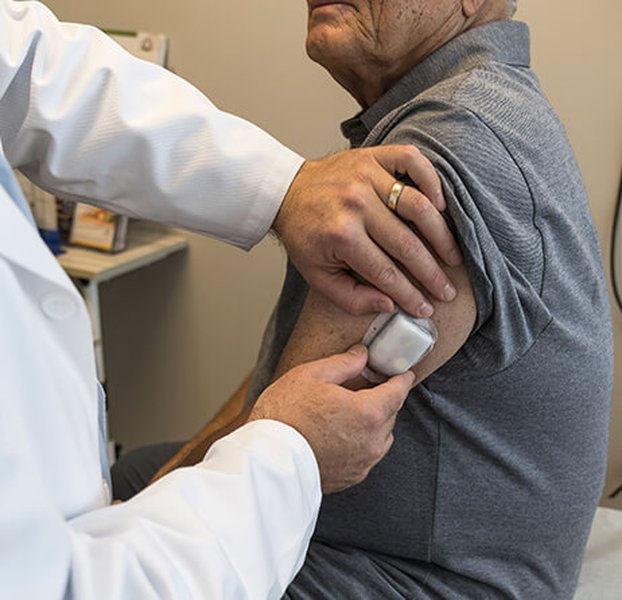
Insulin pumps combined with CGM provide continuous data for tighter glucose management.
Reducing the Daily Burden and Enhancing Flexibility
The need for multiple injections throughout the day can be burdensome, inconvenient, painful, and sometimes socially awkward. Insulin pumps replace this with a single infusion set change every few days. This reduction in needle sticks enhances comfort and convenience. Furthermore, pumps offer greater lifestyle flexibility. Users can more easily adjust insulin delivery for exercise, varying meal times, or illness without needing extra injections. Features like temporary basal rates allow for planned adjustments, while AID systems handle many minor fluctuations automatically, reducing the constant mental effort required with MDI.
Leveraging Data for Personalized Insights
Traditional diabetes management often relied on manual logbooks, making it difficult to spot subtle trends or share comprehensive data with healthcare providers. Insulin pump platforms, coupled with CGM and digital apps, automatically log vast amounts of data on glucose levels, insulin delivery, carb intake, and activity. This data can be easily visualized in graphs and reports, providing powerful insights for both the user and their clinical team. This facilitates more personalized therapy adjustments and proactive management strategies, addressing the unmet need for actionable data that was difficult to obtain with MDI and paper logs.
Insulin Pump Features & Self-Management Benefits Summary
The following table summarizes how key features of insulin pump technology platforms contribute to the different aspects of diabetes self-management:
| Self-Management Area | Key Insulin Pump Features | Benefits |
|---|---|---|
| Education | Data Logging (Insulin, Glucose), Bolus Calculators, On-Device/App Resources | Facilitates learning of insulin effects, carb counting, pattern recognition; provides accessible training materials. |
| Remote Monitoring | CGM Integration, Real-Time Data Display, Cloud Data Upload, Alerts/Alarms | Enables continuous tracking of glucose trends, timely alerts for highs/lows, remote data access for users and HCPs. |
| Remote Support | Data Sharing Platforms, Remote Software Updates, Manufacturer Tech Support, Remote Bolus Options | Allows HCPs to review data and adjust therapy remotely, ensures access to technical help, provides device enhancements, adds convenience. |
| Treatment Adherence | Automated Basal Delivery, Bolus Calculators, Infusion Set Reminders, AID Algorithms (Auto-Adjustments) | Ensures consistent background insulin, improves mealtime dosing accuracy, prompts necessary actions, automates adjustments to maintain target range, reduces user burden. |
Visualizing the Insulin Pump Ecosystem
This mindmap illustrates the interconnected components and benefits of modern insulin pump systems, highlighting how the technology works together to improve diabetes management.
Technology Platform"] id1["Core Pump Device"] id1a["Programmable Basal Rates"] id1b["Bolus Calculator"] id1c["Data Logging"] id1d["User Interface"] id2["Continuous Glucose
Monitoring (CGM)"] id2a["Real-Time Glucose Data"] id2b["Trend Arrows"] id2c["High/Low Alerts"] id3["Automated Insulin
Delivery (AID)"] id3a["Control Algorithm"] id3b["Predictive Low Glucose Suspend"] id3c["Automated Corrections"] id3d["Increased Time in Range"] id4["Digital Connectivity"] id4a["Smartphone Apps"] id4b["Cloud Data Storage"] id4c["Remote Software Updates"] id5["Enhanced Self-Management"] id5a["Improved Glycemic Control"] id5b["Reduced Hypoglycemia"] id5c["Increased Flexibility"] id5d["Data-Driven Insights"] id5e["Reduced Daily Burden"] id6["Remote Care Enablement"] id6a["Data Sharing with HCPs"] id6b["Remote Monitoring"] id6c["Telehealth Support"]
Understanding Insulin Pumps: A Visual Introduction
Insulin pumps are sophisticated yet relatively small devices designed to mimic the function of a healthy pancreas by delivering insulin continuously. This short video provides a clear explanation of what an insulin pump is and how it works, offering a foundational understanding of this important diabetes technology.
As the video explains, the pump delivers insulin through a thin tube and cannula (called an infusion set) inserted under the skin. Users program the pump to deliver a continuous background (basal) rate and manually instruct it to deliver bolus doses to cover meals or correct high blood sugar. This system provides more precise and adaptable insulin delivery compared to injections.
Frequently Asked Questions (FAQ)
References
- Diabetes Technology - Diabetes Australia
- Diabetes Technology Update: Use of Insulin Pumps and Continuous Glucose Monitoring in the Hospital - Diabetes Care
- t:slim X2 Insulin Pump | Tandem Diabetes Care - Tandem Diabetes Care
-
Advancements in Insulin Pumps: A Comprehensive Exploration of Insulin Pump Systems, Technologies, and Future Directions - NCBI PMC
-
Insulin Pump: What It Is, How It Works & Types - Cleveland Clinic
- Insulin Pump l Education Goals and Objectives - ADCES
- Insulin Pump Therapy - Medtronic Canada
Recommended
Last updated April 18, 2025