
The Evolution of Point-of-Care Testing in Diabetes Mellitus
From early glucose monitoring to advanced biomarker integration in diabetes care
Key Insights
- Historical Transformation: Transition from basic glucose strips to portable monitors and digital devices.
- Advanced Biomarker Integration: Incorporation of biomarkers such as HbA1c, ketones, and emerging omics-based indicators enhances patient management.
- Technological Innovations: Introduction of continuous monitoring, non-invasive devices, and integration with AI and mobile technologies revolutionize diabetes care.
Historical Development of Diabetes Point-of-Care Testing
The management of diabetes has witnessed a significant evolution in point-of-care testing (POCT) starting with rudimentary techniques for monitoring blood glucose levels. Historically, methods to diagnose and monitor diabetes were often rudimentary and dependent on clinical observations. Early diagnostic practices even involved tasting urine for sweetness—a far cry from today's sophisticated measurements.
During the mid-20th century, the all-important discovery of glucose oxidase led to the development of basic blood glucose test strips, such as Dextrostix. These early devices marked the beginning of self-monitoring of blood glucose (SMBG), allowing patients to measure their blood sugar levels at home for the first time. Although these early methods were limited by accuracy and required significant manual interpretation, they laid the groundwork for future advancements.
Soon after, the advent of the portable blood glucose meter revolutionized diabetes care. This innovation reduced the risk of complications and improved the overall management of the disease by providing patients with reliable and immediate feedback about their blood sugar levels. The portability and convenience of these early glucose meters were a fundamental leap forward, setting the stage for the integration of more sophisticated technologies in diabetes management.
Advancements in Technology and Biomarker Integration
Over the decades, POCT in diabetes mellitus has transformed to include a diverse range of sophisticated biomarker tests. The evolution from basic glucose monitoring devices to advanced diagnostic tools has been driven by several key technological advancements:
Portable and Continuous Glucose Monitoring
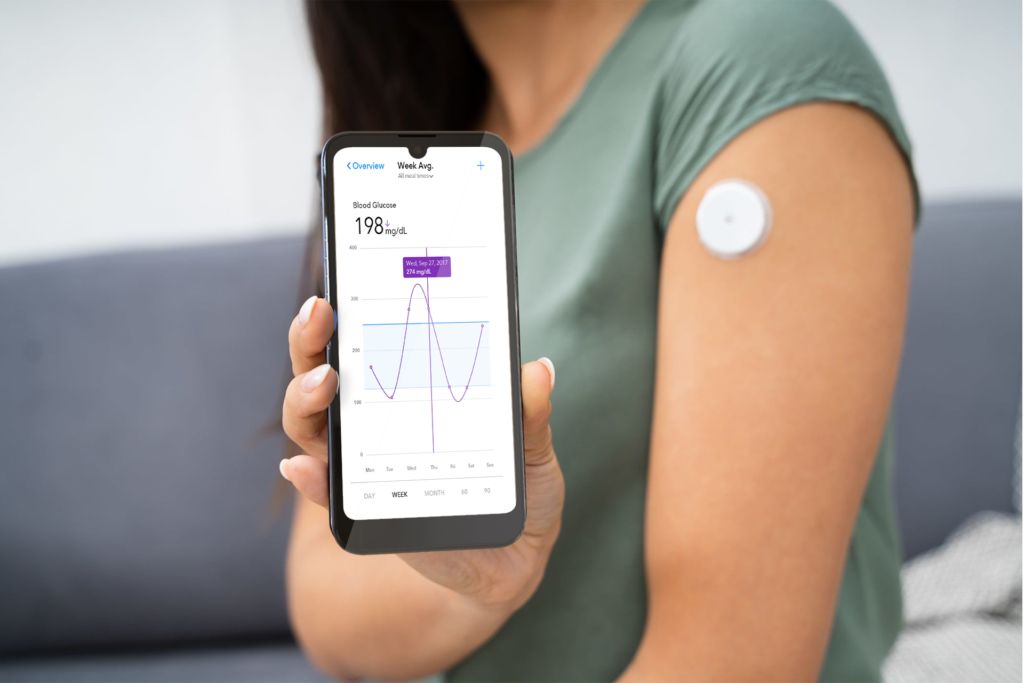
The development of portable devices initially enabled SMBG which gave patients a degree of autonomy in managing their condition. Over time, these devices evolved into continuous glucose monitoring (CGM) systems that provide real-time blood glucose data. CGM systems have significantly improved glycemic management by alerting patients to rapid fluctuations and allowing for timely adjustments to therapy.
The increased resolution of data collected by CGM devices has empowered both patients and healthcare providers to better understand glucose dynamics throughout the day. These systems have been widely adopted in clinical practice, enhancing the accuracy of glycemic control assessments and therapeutic decision-making.
Integration of Traditional and Novel Biomarkers
Advancements in biomarker research have expanded the scope of POCT beyond simple blood glucose levels. One of the seminal breakthroughs in diabetes management was the adoption of glycated hemoglobin (HbA1c) testing. Unlike daily glucose checks, HbA1c provides a measure of average blood glucose levels over the previous three months. This marker has become indispensable as it accurately reflects long-term blood sugar control.
In addition to HbA1c, there has been an integration of other biomarkers including ketones, lipid profiles, and urinary microalbumin. Each of these indicators plays a role in understanding the broader metabolic profile of a diabetic patient—providing insights that help predict complications and tailor treatment strategies.
Recent research has started to embrace even more advanced biomarkers derived from genomics, proteomics, metabolomics, and transcriptomics—collectively referred to as omics-based approaches. These emerging biomarkers promise to offer early detection of disease complications and predict individual responses to therapeutic interventions. As technology continues to advance, the precision of diagnosis and treatment customization in diabetes care becomes increasingly refined.
Innovative Technologies in POCT for Diabetes
Modern diabetes management is not solely about measuring static levels of glucose; it increasingly involves integrating technology to facilitate dynamic and comprehensive care. Several innovative approaches have been developed to enhance point-of-care testing and diabetes management:
Non-Invasive Monitoring Techniques
Non-invasive methods are currently at the forefront of diabetes research. Innovations such as wearable technologies, including sensor-embedded contact lenses and microfluidic papers integrated into portable devices, are being studied for continuous glucose monitoring without the need for finger pricks. These technologies offer a painless and more user-friendly experience, potentially increasing patient adherence to monitoring regimens.
Paper-Based and Microfluidic Platforms
The development of low-cost, paper-based point-of-care platforms has opened avenues for sensitive and specific metabolic screening in resource-limited settings. These platforms are capable of performing enzymatic assays to detect glucose and accompanying biomarkers. They are not only cost-effective but also portable, making them ideal for widespread screening.
Artificial Intelligence and Integration With Mobile Technology
The integration of artificial intelligence (AI) with POCT devices has enhanced predictive analytics in diabetes care. AI-driven algorithms analyze continuous data streams from CGM systems, leading to more accurate predictions of glucose trends and personalized care recommendations. Furthermore, the integration with mobile technologies facilitates remote monitoring and provides patients with real-time advice, making disease management more proactive and responsive.
A Comprehensive Table of Technologies and Biomarkers in Diabetes POCT
To provide a structured view of the evolution and current landscape of diabetes POCT, below is a table summarizing key technologies and biomarkers integrated into modern diabetes management.
| Era | Technology/Device | Biomarkers Measured | Clinical Impact |
|---|---|---|---|
| 1960s-1980s | Basic Blood Glucose Test Strips, Dextrostix | Blood Glucose | Initiated SMBG and enabled early diabetes self-management. |
| 1990s | Portable Blood Glucose Meters | Blood Glucose | Improved portability and accuracy; empowered patients with daily management. |
| 2000s | Continuous Glucose Monitoring (CGM) Systems | Glucose (Continuous monitoring) | Real-time data enabled dynamic management of glycemic levels. |
| 2010s | POCT Devices with Integrated Data Analytics | HbA1c, Ketones, Lipid Profiles, Urinary Microalbumin | Provided a comprehensive look at both short-term and long-term glycemic control. |
| 2020s | Non-Invasive Sensors, AI-Enabled Devices, Microfluidic Platforms | Emerging Omics Biomarkers, Fructosamine, Glycated Albumin | Facilitated precision medicine through early detection and personalized treatment strategies. |
Impact on Clinical Decision-Making and Patient Care
The evolution of point-of-care testing in diabetes has dramatically improved clinical workflows and patient outcomes. Early and precise measurements allow healthcare providers to make informed decisions rapidly, adjusting treatment protocols in near real-time. This not only reduces the risk of acute complications but also minimizes long-term vascular or renal damage associated with chronic hyperglycemia.
With refined POCT devices now capable of measuring a variety of biomarkers, healthcare professionals can develop tailored treatment plans that account for both the immediate glycemic status and underlying metabolic disturbances. Such multiple layered testing strategies enable a more holistic approach to managing diabetes, mitigating the risks of complications ranging from cardiovascular disease to neuropathy.
Additionally, the integration of AI and mobile technology has further optimized this process by offering predictive analytics and remote monitoring. Patients benefit from timely notifications and personalized coaching, ensuring that adjustments to diet, medication, and lifestyle can be made promptly and efficiently.
Current and Future Directions in Diabetes POCT
Emerging Trends
Research continues to push the boundaries of POCT technology in diabetes care. Several emerging trends indicate the direction for future advancements:
- Development of Artificial Pancreas Systems: Combining CGM with automated insulin delivery has the potential to completely transform glucose management by reducing user error.
- Enhanced Non-Invasive Techniques: New devices that rely on optical sensors or microfluidics promise to eliminate finger pricks entirely, enhancing patient comfort and compliance.
- Advanced Biomarker Identification: The utilization of omics technologies—genomics, proteomics, metabolomics, and transcriptomics—may soon allow clinicians to detect diabetes and its complications at a molecular level long before symptoms emerge.
Integration and Personalization
The fusion of POCT with artificial intelligence is key in tailoring diabetes management to individual patient profiles. Algorithms that learn from CGM data and correlate it with lifestyle, diet, and genetic markers are paving the way for highly personalized healthcare. The ultimate goal is to create a feedback loop where data-driven insights enable providers and patients to adjust treatments dynamically. This personalized approach not only targets glycemic fluctuations but also addresses co-morbid metabolic conditions, thereby reducing long-term complications.
Cloud-connected devices and mobile applications have already made remote monitoring a reality. These platforms allow physicians to continuously track patient data, intervene when abnormalities are detected, and modify treatment plans without the need for in-person consultations. Such integration fosters a collaborative care model that greatly enhances patient engagement and adherence.
References
- De Gruyter - POCT in Diabetes
- PubMed - Glucose Monitoring
- Diabetes Journals - Spectrum POCT
-
NCBI - Advances in POCT
-
ScienceDirect - Biomarkers in Diabetes
Related Queries for Further Exploration
Last updated March 10, 2025