
Unlock Better Diabetes Control: How Digital Tools Are Revolutionizing Self-Management
Explore the ways modern technology empowers patients beyond traditional care limits.
Living with diabetes requires constant vigilance and management. Traditional methods, while foundational, often involve periodic check-ins and manual tracking, leaving gaps in care and support. However, the landscape of diabetes management is rapidly evolving, thanks to patient-facing digital technology platforms. These tools, ranging from advanced glucose monitors to sophisticated mobile apps, are not just conveniences; they represent a fundamental shift towards more personalized, proactive, and empowered self-care. Let's delve into how these technologies significantly enhance self-management and address critical needs unmet by conventional approaches.
Key Insights: The Digital Advantage in Diabetes Care
- Empowered Self-Management: Digital platforms provide continuous data, personalized educational insights, seamless remote monitoring, accessible support networks, and tools to simplify treatment adherence, placing control firmly in the hands of the patient.
- Bridging Care Gaps: These technologies overcome the limitations of traditional care by offering real-time data for timely interventions, breaking down geographical barriers to access specialist support, and reducing the daily burden of diabetes management.
- Personalized & Proactive Care: By integrating data from various sources (glucose levels, activity, diet, medication), digital tools enable tailored feedback and proactive alerts, transforming reactive management into a more preventative strategy.
Enhancing Diabetes Self-Management Through Digital Innovation
Digital technology platforms, like those featuring Continuous Glucose Monitoring (CGM), Flash Glucose Monitoring (Flash GM), smart insulin pens, insulin pumps, and integrated mobile applications, offer multifaceted improvements to daily diabetes management.
Cultivating Knowledge: Education Reimagined
Real-Time Learning and Insights
Unlike traditional education delivered during infrequent clinic visits, digital platforms embed learning into the daily routine. Apps connected to glucose monitors provide immediate feedback, helping users understand the direct impact of meals, exercise, stress, and medication on their blood glucose levels (BGLs). Visualizations of glucose trends and patterns offer powerful educational insights that static readings cannot. Many platforms also include curated educational content, articles, videos, and tutorials tailored to the user's needs and data.
Personalized Guidance
Algorithms can analyze user data to offer personalized tips and suggestions. For example, an app might suggest adjusting meal timing based on recurring post-meal glucose spikes or provide reminders about checking glucose levels before exercise. This continuous, contextual education empowers patients to make informed decisions moment-to-moment.
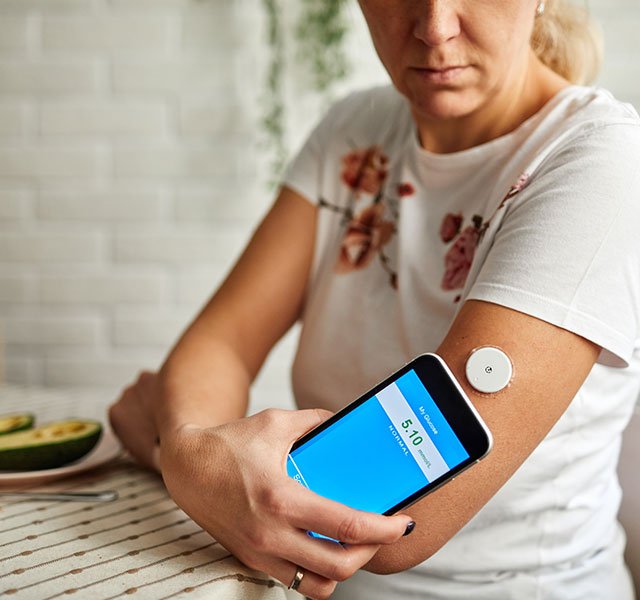
Digital tools integrate various aspects of diabetes care into user-friendly interfaces.
Seeing Clearly: Advanced Remote Monitoring
Continuous and Comprehensive Data
Perhaps the most significant advantage is the shift from intermittent fingerstick BGL checks to continuous or frequent monitoring via CGM and Flash GM. These devices measure glucose in the interstitial fluid every few minutes, providing a dynamic view of glucose levels 24/7. This reveals trends, overnight patterns, and post-meal responses that are often missed with traditional methods. Data is typically logged automatically and wirelessly synced to apps or readers.
Timely Alerts and Safety
CGM systems feature customizable alarms that alert users (and potentially caregivers or healthcare providers) to dangerously high (hyperglycemia) or low (hypoglycemia) glucose levels, or rapid changes. This allows for prompt corrective action, significantly improving safety and reducing the risk of severe events, especially during sleep or periods of unawareness.
Seamless Data Sharing
Most digital platforms allow users to easily share their comprehensive glucose data, along with logged information on insulin doses, food intake, and activity, with their healthcare team remotely. This facilitates more informed and timely clinical decisions during telehealth appointments or even between visits, without the need for manual logbooks.

Modern diabetes devices like CGMs and insulin pumps offer continuous monitoring and automated delivery.
Connecting Care: Accessible Remote Support
Bridging Distance with Telehealth
Digital platforms often integrate telehealth features, enabling virtual consultations with doctors, diabetes educators, dietitians, and coaches. Secure messaging allows patients to ask questions and receive advice without needing an in-person appointment, making expert support more accessible, especially for those in remote areas or with mobility constraints.
Automated and Peer Support
Some platforms incorporate automated feedback systems based on glucose readings or logged behaviors. AI-driven chatbots or digital coaches can provide encouragement, reminders, and behavioral nudges. Furthermore, many apps foster peer support communities where users can share experiences, tips, and motivation, reducing feelings of isolation often associated with chronic disease management.
Staying on Track: Enhancing Treatment Adherence
Simplifying Complex Regimens
Managing diabetes involves numerous daily tasks: checking glucose, counting carbohydrates, calculating insulin doses, taking medications, and tracking activity. Digital tools streamline these tasks. Apps provide reminders for medication and glucose checks. Smart insulin pens automatically log dose timing and amounts. Insulin pumps automate basal insulin delivery and assist with bolus calculations, reducing manual effort and potential errors.
Actionable Feedback Loops
By integrating data from various sources, platforms can highlight patterns related to adherence. For example, correlating missed insulin doses with subsequent high glucose levels provides direct feedback on the importance of consistency. This data-driven approach can be more motivating than generic advice, helping patients adhere more closely to their treatment plans.
Visualizing the Impact: Digital vs. Traditional Diabetes Care
To better understand the advantages digital platforms offer over traditional methods, the following chart provides a comparative visualization across key aspects of diabetes management. It highlights how digital tools generally offer enhanced capabilities in areas crucial for effective self-care and overall well-being. The scores are qualitative estimates representing the typical potential of each approach.
This chart illustrates the potential of digital platforms to significantly outperform traditional methods in providing detailed monitoring, timely support, personalized insights, and overall accessibility, fundamentally changing the diabetes management experience.
Addressing Unmet Needs: Where Digital Platforms Excel
Traditional diabetes care, often characterized by periodic clinic visits and reliance on patient recall or manual logs, struggles to meet certain high-demand needs. Digital platforms directly address these shortcomings.
Overcoming Data Gaps with Real-Time Insights
Traditional management relies on snapshot BGL readings, missing crucial information about glucose variability, trends, and nocturnal levels. This can delay the identification of patterns or necessary treatment adjustments. Digital tools, especially CGM and Flash GM, provide a continuous stream of data, offering a vastly more complete picture of glycemic control. This allows for proactive adjustments and early detection of potential problems, fulfilling the need for timely, actionable information that traditional methods cannot provide.
Expanding Access and Enhancing Inclusivity
Geographical barriers, mobility issues, and time constraints limit access to specialist care in traditional models. Digital platforms break down these barriers. Telehealth consultations, remote data review, and digital coaching bring expertise directly to the patient, regardless of location. This significantly improves access for rural populations, the elderly, or those with busy schedules. Furthermore, features within apps can be adapted for users with visual or dexterity impairments, promoting greater inclusivity.

Mobile apps are central to many digital diabetes platforms, enabling access anywhere.
Enabling Personalization and Reducing Patient Burden
Diabetes management is highly individual, yet traditional approaches can feel generic. Digital platforms leverage individual data to offer personalized insights, tailored education, and adaptive treatment support (e.g., automated insulin adjustments in pump systems). They also automate tedious tasks like data logging and complex calculations, reducing the cognitive load and daily burden on the patient. This personalization and simplification fosters greater engagement and self-efficacy, addressing the need for care that fits individual lives and capabilities.
Facilitating Timely Interventions
The lag time between data collection (e.g., fingerstick) and clinical review in traditional care can lead to delays in necessary interventions. Real-time data transmission and automated alerts within digital platforms enable patients and clinicians to react much faster to changing glucose levels or emerging issues. This immediacy is crucial for preventing acute complications and optimizing long-term control.
Mapping the Ecosystem: Components of Digital Diabetes Management
The landscape of digital diabetes technology is interconnected. The mindmap below illustrates the core components and benefits stemming from these integrated platforms, showing how various elements work together to improve outcomes.
(Real-time insights, personalized tips)"] id1b["Continuous Remote Monitoring
(CGM/Flash GM, real-time data, alerts)"] id1c["Accessible Remote Support
(Telehealth, peer communities, coaching)"] id1d["Boosted Treatment Adherence
(Reminders, automation, tracking)"] id2["Addressing Unmet Needs"] id2a["Overcoming Data Gaps
(Continuous vs. intermittent data)"] id2b["Bridging Access Barriers
(Remote care, inclusivity)"] id2c["Enabling Personalization
(Tailored insights, reduced burden)"] id2d["Improving Timeliness
(Real-time alerts, faster intervention)"] id3["Core Technologies"] id3a["Sensors (CGM/Flash GM)"] id3b["Smart Insulin Delivery (Pumps/Pens)"] id3c["Mobile Applications"] id3d["Data Platforms & Cloud Sync"] id3e["Telehealth Integration"]
This mindmap highlights how sensors, smart delivery devices, apps, and data platforms converge to empower patients through better education, monitoring, support, and adherence, while simultaneously tackling the accessibility, personalization, and data limitations inherent in older methods.
Comparing Digital Diabetes Technologies
Different digital tools offer specific functionalities and benefits. Understanding their roles is key to leveraging them effectively for self-management. The table below summarizes common technologies discussed in resources like those from Diabetes Australia.
| Technology Type | Primary Function | Key Benefits for Self-Management | Data Output |
|---|---|---|---|
| Blood Glucose Monitor (BGM) | Measures BGL at a single point in time via fingerstick. | Provides immediate glucose reading; essential for calibration & specific checks. Some sync data digitally. | Single glucose value; may store history. |
| Flash Glucose Monitor (Flash GM) | Measures interstitial glucose continuously; data retrieved by scanning sensor. | Trend arrows, 8-hour history on scan, less invasive than frequent BGM; some have optional alarms. | Current glucose, trend arrow, recent history graph (on scan). |
| Continuous Glucose Monitor (CGM) | Measures interstitial glucose continuously; data transmitted automatically to receiver/app. | Real-time data stream, customizable high/low alerts, trend information, shareable data. | Continuous glucose values, trends, alerts, comprehensive reports. |
| Insulin Pump | Delivers insulin continuously (basal) and on-demand (bolus). | Automates basal delivery, precise bolus dosing, potential integration with CGM (AID systems), reduces injections. | Insulin delivery logs (basal rates, bolus amounts/timing). |
| Smart Insulin Pen | Injects insulin; digitally records dose amount and timing. | Improves dose tracking accuracy, reduces missed dose uncertainty, syncs data to apps. | Insulin dose logs (amount, time). |
| Diabetes Management Apps | Integrate data, track food/activity, provide education, facilitate communication. | Central hub for data, pattern analysis, reminders, educational resources, data sharing. | Integrated reports (glucose, insulin, carbs, activity), insights, summaries. |
Integrating these technologies, often through dedicated apps and platforms, creates a powerful ecosystem for managing diabetes more effectively and with greater insight than ever before.
Exploring Diabetes Apps: Tools You Can Use
Mobile applications are often the central hub connecting various diabetes devices and data streams. They play a crucial role in education, tracking, analysis, and communication. The video below provides insights into the variety and functionality of diabetes apps available to patients, illustrating how these tools can be leveraged for better self-management.
This video discusses various categories of diabetes apps, including those focused on nutrition tracking, glucose monitoring integration, and overall health management. Understanding the features and potential benefits of different apps can help individuals choose the tools that best fit their specific needs and management style, further enhancing the power of digital technology in their daily lives.
Frequently Asked Questions (FAQ)
How secure is my health data on these digital platforms? +
Data security is a critical consideration. Reputable digital health platforms employ various measures, including encryption, secure cloud storage, and compliance with health data privacy regulations (like HIPAA in the US). However, it's essential for users to review the platform's privacy policy, use strong passwords, and be cautious about sharing data. Device manufacturers and app developers generally invest significantly in securing patient information, but vigilance is always recommended.
Are these digital diabetes tools covered by insurance or health systems? +
Coverage varies significantly based on location, specific health system (like Australia's NDSS or PBS), insurance plan, and the type of technology. Increasingly, CGMs and insulin pumps are covered for individuals meeting specific criteria (e.g., type 1 diabetes, intensive insulin therapy). Some apps may be free, have subscription fees, or be part of a broader program. It's crucial to check with your specific insurance provider or national health scheme (like Diabetes Australia's resources on access programs) regarding eligibility and coverage for desired devices and platforms.
Do I still need regular check-ups if I use digital monitoring tools? +
Yes, absolutely. Digital tools are powerful aids for self-management and provide valuable data, but they do not replace the need for regular consultations with your healthcare team (doctor, endocrinologist, diabetes educator). These appointments are essential for comprehensive reviews, physical examinations, discussing broader health concerns, interpreting complex data patterns, making official treatment adjustments, and managing other aspects of diabetes care like eye, foot, and kidney health screenings.
Can these technologies be overwhelming to learn and use? +
There can be a learning curve, especially when starting with devices like CGMs or insulin pumps. However, manufacturers and healthcare providers usually offer training and support resources. Many apps and devices are designed with user-friendliness in mind. Starting with simpler tools (like a BGM that syncs to an app) and gradually adopting more advanced technology can help. Diabetes educators are excellent resources for learning how to use these tools effectively and integrating them into your routine without feeling overwhelmed. The benefits in terms of improved control and insights often outweigh the initial learning effort.
References
- Diabetes Technology - Diabetes Australia
- Telehealth Technology for Diabetes Care - Telehealth.HHS.gov
-
Using Technology and Information Management to Improve Diabetes Care - PMC NCBI
- Patient Perspectives on the Benefits and Barriers of Digital Health Technology Use for Diabetes Management - Diabetes Journals
-
Digital health to support people with diabetes during and post COVID-19 pandemic - PMC NCBI
- Diabetes Apps & Platforms - ADCES (Association of Diabetes Care & Education Specialists)
- Diabetes Technology - Endocrine Society
Recommended Reading
Last updated April 18, 2025