
Exploring the Digital Learning Journey at Camalig National High School
Deep insights into students' digital learning experiences and challenges
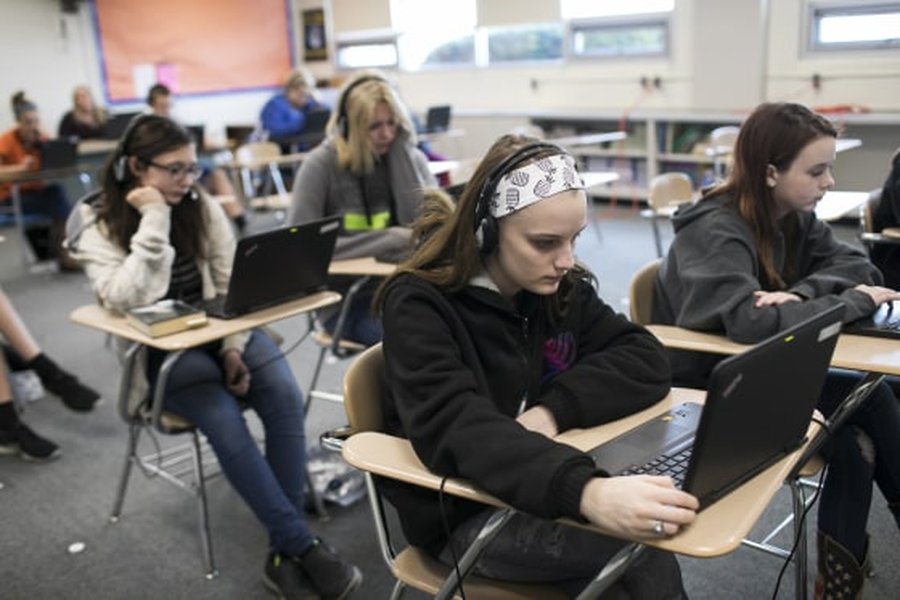
Key Takeaways
- Digital Transition and Innovation: Camalig National High School is embracing digital platforms to enhance learning even amidst challenges.
- Challenges and Adaptability: Students face connectivity issues, resource constraints, and motivation hurdles, which are being addressed with blended strategies.
- Teacher Engagement and Community Support: Educators and community initiatives are pivotal in creating a supportive and innovative digital learning environment.
Overview of Digital Learning Initiatives
Camalig National High School, set in a region prone to natural calamities and diverse in its resources, has been integrating digital learning practices over the past years. This transition, influenced by both global trends in digital education and local necessities such as disaster preparedness and community health initiatives, represents a multifaceted evolution in teaching and learning. Students at the school are adapting to a blend of online platforms, modular content, and hybrid teaching methods — all designed to foster learning continuity even under challenging circumstances.
The digital transformation is driven by the needs identified during crises like the COVID-19 pandemic, where educators and students alike had to overcome barriers linked to unreliable internet connections, limited access to computers, and variable levels of digital literacy. Over time, innovative solutions such as online chat groups, educational text messaging, and well-structured digital modules have emerged, ensuring that academic progress is maintained even when traditional classroom settings are compromised.
Detailed Insights into Student Experiences
Digital Adaptation and Learning Modalities
With a focus on digital learning, Camalig National High School has integrated various learning modalities. The adaptation of digital platforms involves a mix of synchronous and asynchronous methods, which notably include online discussions, digital repositories, and interactive multimedia lessons that cater to visual and auditory learning styles. A significant benefit noted from these methods is the flexibility they offer—students can access learning materials at their own pace, a feature particularly valuable during disruptions caused by natural disasters or other emergencies.
Furthermore, blended learning adventures allow the incorporation of traditional modular learning with modern digital tools. Such an approach not only supports self-paced learning but also facilitates interactive engagement during online sessions. This dynamic is fostered by the continuous efforts of educators who improvise digital tools and techniques to deliver content in a manner that resonates with diverse learning styles.
Technological and Resource Challenges
Despite the promise of digital learning, students encounter a range of challenges. Chief among these are the constraints related to digital infrastructure, such as unreliable internet connectivity and limited availability of personal computers or mobile devices. These issues, common in many rural and semi-urban educational settings, often lead to difficulties in maintaining consistent participation in online classes.
Moreover, the digital divide — a gap between those with adequate access to technology and those without — affects how effectively students engage with digital media. In response, the school has sought creative solutions, including community-based initiatives where local government units and educational authorities assist in providing resources, as well as implementing learning programs that are flexible enough to be accessed through a variety of digital devices.
Teacher Engagement and Innovative Pedagogies
An essential element of the digital learning experience is the proactive role that teachers play. At Camalig National High School, educators have been quick to adapt their instructional strategies to fit digital platforms. They leverage interactive tools, video conferencing, and collaborative online assignments to stimulate engagement among students. Training programs and peer-to-peer learning initiatives have further supported this transition, enabling teachers to effectively manage new technologies and refine their digital teaching methods.
Moreover, the school’s participation in community-centered programs such as wellness initiatives and disaster preparedness projects showcases a forward-thinking approach. For example, activities organized in collaboration with the Camalig Municipal Health Office not only raise awareness about pressing health issues but also integrate digital resources into the curriculum, thereby creating a well-rounded educational environment.
Student Feedback and Resilience
Feedback from students paints a picture of resilience mixed with real challenges. Many respondents have expressed appreciation for the flexibility and autonomy offered by digital learning, particularly noting the value of self-paced study which allows them to delve deeper into subjects of interest. However, there are concerns regarding the need for a more stable technological environment. Students have reported issues such as frustration over technical disruptions and a lack of immediate feedback, all of which underscore the importance of continuous improvements in digital infrastructure and support mechanisms.
Despite these challenges, there is an overall positive trend indicating that with supportive initiatives and adaptive strategies, the digital learning model is proving to be a viable complement to traditional classroom methods. The integration of digital content not only enriches academic learning but also prepares students for a future increasingly dominated by technology and digital literacy.
Visual Representations
Digital Learning Experience Radar Chart
The radar chart below visually represents several dimensions of the digital learning experience as reported by students and educators. Each dataset reflects aspects such as infrastructure reliability, student engagement, teacher support, adaptability of digital tools, resource availability, and overall resilience in adapting to digital education methods.
Mermaid Mindmap of Digital Learning Factors
The mindmap below provides a streamlined overview of key elements influencing the digital learning experience. It encompasses aspects such as accessibility, teacher engagement, student feedback, innovative programs, and technological challenges.
Comparative Summary Table
The table below summarizes key aspects of the digital learning environment at Camalig National High School, incorporating insights about infrastructure, student experiences, teacher strategies, and innovative practices.
| Aspect | Details | Challenges | Innovations |
|---|---|---|---|
| Infrastructure | Adoption of digital platforms and online chat groups, modular learning integration. | Variable internet connectivity, limited device availability. | Community-based resource initiatives and blended learning strategies. |
| Student Engagement | Flexible, self-paced study methods; interactive multimedia lessons. | Lack of immediate feedback, motivation issues. | Increased digital content variety and personalized learning experiences. |
| Teacher Support | Adoption of innovative pedagogies; continuous training on digital methods. | Difficulties in managing online interactions, adapting to new tech. | Interactive virtual classrooms, regular professional development. |
| Community & Programs | Integration with municipal health programs and disaster preparedness initiatives. | Ensuring continuous support during emergencies. | Wellness programs and inclusive community engagement activities. |
Multimedia Resource
For a broader perspective on digital versus traditional learning environments, the embedded video below offers a critical breakdown of the challenges and opportunities that arise during the shift to online education. It provides additional context that enriches the discussion around digital learning innovations and student experiences.
Frequently Asked Questions (FAQ)
What are the primary challenges in implementing digital learning at CNHS?
The main challenges include limited access to stable internet and digital devices, difficulty in maintaining student engagement in a virtual environment, and the need for continuous teacher training to adapt to new methodologies. These factors make it necessary to implement blended learning strategies and community resource initiatives.
How do teachers adapt to digital learning?
Teachers at CNHS are embracing professional development programs and digital training sessions to enhance their skills with online teaching tools. They adopt interactive teaching methods and utilize digital platforms for delivering lesson plans, managing real-time interactions, and providing feedback to students.
What innovative programs support digital learning at CNHS?
Innovative initiatives such as blended learning models and wellness programs have been implemented to support student engagement. These programs combine digital learning methodologies with community support, ensuring that students receive both academic instruction and social-emotional guidance.
References
-
Camalig Municipal Health Office - Camalig.gov.ph
- Inquirer - In Albay, Disaster Is No Hindrance To Learning
- Hochschule Ansbach Digital Learning - HS-ANSBACH.de
- Camaligan National High School Mission - Wixsite.com
- Educational Institutions in Camalig - OpenAlfa.com
Recommended Queries
Last updated April 1, 2025