

Key Insights into Django
- Rapid Development: Django is engineered for speed, allowing developers to build and launch web applications in a matter of hours, not weeks or months, by taking care of much of the routine web development hassle.
- Security Focus: Prioritizing security, Django helps developers prevent common vulnerabilities like SQL injection, cross-site scripting (XSS), and cross-site request forgery (CSRF) through its built-in protections and secure user authentication system.
- "Batteries Included" Philosophy: This framework comes packed with a comprehensive suite of features and modules—including an ORM, admin interface, and authentication system—meaning developers don't have to "reinvent the wheel" for common tasks.
What is Django? A Comprehensive Overview
Django is a high-level, open-source Python web framework designed for rapid development of secure and maintainable websites. Created by experienced developers in 2005, it simplifies web development by handling many of the complex tasks involved, allowing you to focus on the unique aspects of your application.
At its core, Django adheres to the "Don't Repeat Yourself" (DRY) principle, promoting reusable components and efficient coding. This means that common web development functions, such as user authentication, database interactions, and administrative interfaces, are provided out-of-the-box, significantly reducing development time and effort.
Django's robust nature makes it suitable for a wide range of applications, from content management systems and social networks to news sites and large-scale, data-driven platforms. Its flexibility allows it to work seamlessly with various client-side frameworks and deliver content in multiple formats, including HTML, JSON, and XML.
The Architectural Backbone: MVT Pattern
Django primarily follows the Model-View-Template (MVT) architectural pattern, which is a variation of the Model-View-Controller (MVC) pattern. In MVT:
- Model: Defines the data structure, acting as an abstraction layer for your database. You define your models using Python classes, and Django handles the underlying database interactions.
- View: Acts as the "controller" in MVC, processing requests and returning responses. It interacts with the Model to retrieve or modify data and then passes this data to the Template.
- Template: Handles the presentation logic, defining how data is displayed to the user. Django's powerful template system is designed to be easy for designers and front-end developers to learn and use.
Django abstracts away the "Controller" part, managing the interactions between the Model and View internally, which simplifies the developer's role and allows for quicker application development.
Core Features and Capabilities of Django
Django's "batteries included" philosophy is evident in its comprehensive set of features, which empower developers to build sophisticated applications efficiently. These features are tightly integrated and designed to work together seamlessly, following consistent design principles.
Object-Relational Mapper (ORM)
One of Django's most powerful features is its Object-Relational Mapper (ORM). This allows you to interact with your database using Python objects instead of writing raw SQL queries. The ORM translates your Python code into SQL, making database operations more intuitive, less error-prone, and database-agnostic.
For instance, defining relationships like one-to-one, one-to-many (ForeignKey), and many-to-many (ManyToManyField) is straightforward within your Django models. This abstraction layer significantly speeds up development and improves code readability.
Automatic Admin Interface
Django provides an automatically generated, production-ready administrative interface. This powerful tool allows administrators to easily manage application data and models directly through a web-based interface, without writing additional code for CRUD (Create, Read, Update, Delete) operations. It’s an incredibly valuable feature for managing content, users, and other data within your application.
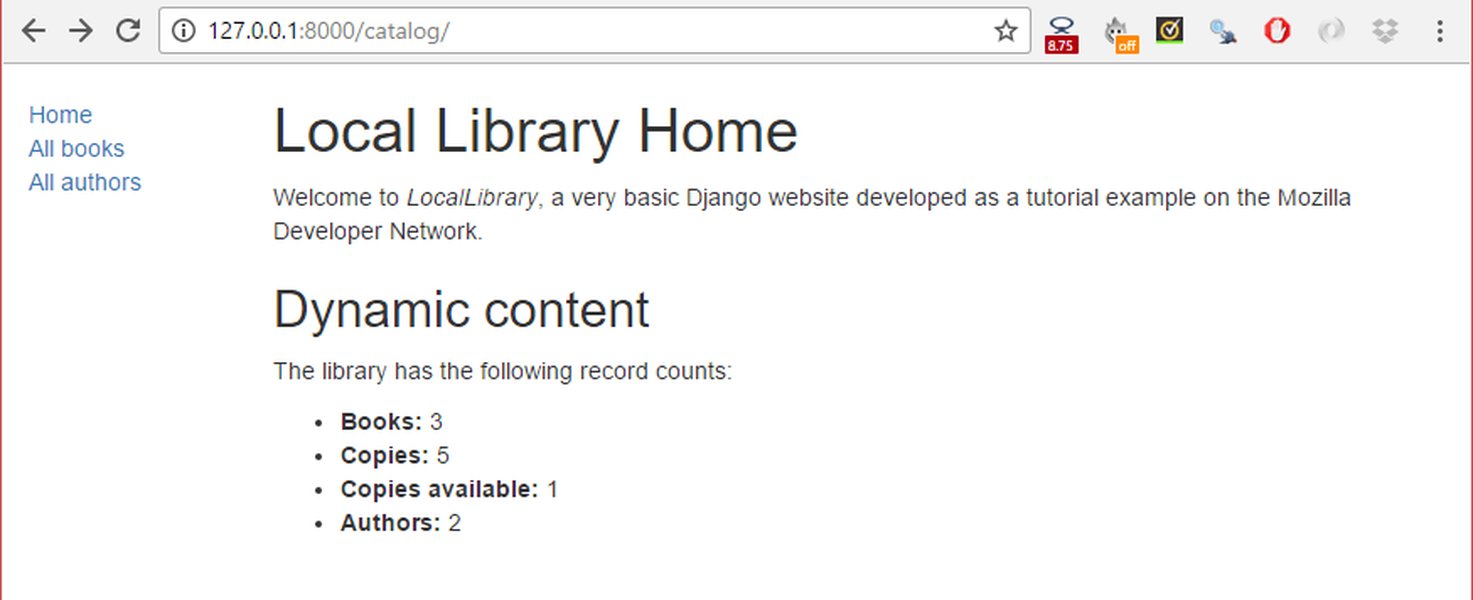
Example of a Django application's home page, showcasing a clean interface.
Robust Template System
Django's template language is designed for both power and ease of use. It allows for the dynamic generation of HTML, XML, or other output formats. The template system is extensible, enabling developers to augment it with custom tags and filters as needed. This separation of logic from presentation contributes to cleaner, more maintainable code.
Authentication and Authorization
Security is a cornerstone of Django. It includes a comprehensive, built-in authentication system that handles user registration, login, logout, password management, and permissions. This system helps prevent common security vulnerabilities like SQL injection, cross-site scripting (XSS), cross-site request forgery (CSRF), and clickjacking by implementing secure practices such as storing password hashes instead of plain passwords and not putting sensitive session information directly in cookies.
Form Handling
Django simplifies the creation and validation of HTML forms. Its form library handles rendering forms as HTML, validating user-submitted data, and converting that data into native Python types. This significantly reduces the boilerplate code required for handling user input securely and efficiently.
URL Routing and Dispatching
Django's URL dispatcher maps URL paths to Python callback functions (views). This system is highly flexible, allowing for clean, readable URLs and the capture of values from URLs as parameters, which are then passed to the corresponding view functions.
Understanding Django's Internal Workings
While Django abstracts away much of the complexity, understanding its internal flow provides deeper insights into its efficiency. When a user sends an HTTP request to a Django application, the process unfolds as follows:
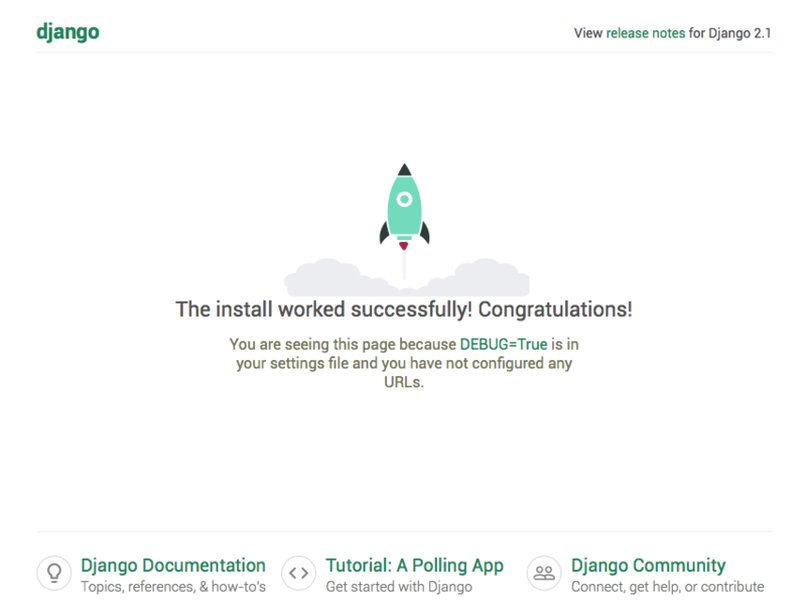
An example of a Django application's landing page, illustrating its capacity for robust web interfaces.
The request first goes through a web server (like Nginx or Apache) and then to a WSGI (Web Server Gateway Interface) server, which is a Python standard for web servers to communicate with web applications. Django receives this request and turns it into a Django request object.
The URL dispatcher then matches the requested URL path to a specific view function or class-based view. This view processes the request, interacting with models to fetch or manipulate data from the database (via the ORM). Finally, the view renders a template with the processed data, generating an HTML response that is sent back to the user's browser.
Key Components in Detail
| Component | Description | Role in Web Application |
|---|---|---|
| Models | Python classes that define your database structure and relationships. They are an abstraction layer over the database. | Manage data storage, retrieval, and manipulation; interact with the ORM. |
| Views | Python functions or classes that receive web requests, perform logic (e.g., interact with models), and return web responses. | Handle business logic, process user input, and prepare data for templates. |
| Templates | HTML files mixed with Django Template Language (DTL) tags and variables. | Define the structure and presentation of the web page shown to the user. |
| URLs | A mapping of URL patterns to view functions. | Direct incoming web requests to the appropriate view. |
| Settings | A Python module containing all the configuration for a Django project. | Configure database connections, installed apps, middleware, security keys, etc. |
This table summarizes the core components of a Django project, highlighting their individual functions and how they contribute to the overall operation of a web application.
Applications Built with Django
Django's versatility and robustness are exemplified by the wide array of successful applications built using the framework across various industries. Its ability to scale and handle complex data makes it a favorite for many high-traffic platforms.
An example image showcasing YouTube, a platform that has utilized Python, a key language in the Django ecosystem.
Prominent examples include:
- Instagram: A widely-used social media platform for sharing photos and videos.
- Pinterest: A visual discovery engine for finding ideas like recipes, home and style inspiration, and more.
- Mozilla: The organization behind the Firefox web browser, utilizing Django for various services.
- National Geographic: For their online presence and content management.
- Dropbox: A cloud storage service for file hosting and sharing.
- Disqus: A global comment system for websites.
These examples underscore Django's capability to power diverse and demanding web applications, from social media giants to data-heavy platforms.
FAQ about Django
What is the "batteries included" philosophy in Django?
Is Django suitable for beginners?
How does Django ensure security?
Can Django be used for building APIs?
What kind of database does Django support?
Conclusion: Django's Enduring Appeal
Django stands as a powerful, secure, and efficient Python web framework that has significantly shaped modern web development. Its "batteries included" approach, coupled with its adherence to principles like DRY and its emphasis on rapid development, makes it an ideal choice for building complex, scalable web applications. From its robust ORM and automatic admin interface to its comprehensive security features and thriving community, Django continues to empower developers to bring ambitious web projects to life with speed and confidence. Whether you're a beginner looking to build your first web application or an experienced developer tackling a large-scale project, Django offers the tools and structure necessary for success.
Recommended Further Exploration
- How to set up a Django development environment?
- What are the key differences between Django and Flask?
- Exploring advanced techniques for Django's Object-Relational Mapper.
- How to build robust RESTful APIs using Django REST Framework?