
Understanding Dominant Softness and Weight Gain
Exploring how body types and genetics influence where fat is stored.
Key Insights
- Fat distribution is influenced by a combination of genetics, hormones, age, and lifestyle factors. While weight gain itself is primarily due to consuming more calories than are burned, where that weight is stored can vary significantly between individuals.
- Different body typing systems describe varying patterns of weight gain. Somatotypes like Endomorphs are characterized by gaining fat easily, often with a softer and rounder appearance. In the Kibbe system, specific image identities show weight gain in particular areas, which can manifest as increased "softness" or fleshiness in those regions.
- Hormones, particularly estrogen, play a significant role in fat distribution. Estrogen dominance, for instance, can lead to increased fat storage in areas like the hips and abdomen, contributing to a softer overall appearance in those regions.
The Nature of Fat Distribution
Why We Store Fat Where We Do
Weight gain fundamentally occurs when there is a consistent surplus of calorie intake compared to energy expenditure. However, the specific areas where this excess energy is stored as fat are not uniform across all individuals. This regional variation in fat storage is influenced by a complex interplay of factors including genetics, hormonal profiles, age, sex, and lifestyle habits such as diet and physical activity levels.
There are two primary types of fat storage in the body: subcutaneous fat, which is located just beneath the skin, and visceral fat, which accumulates around internal organs in the abdominal cavity. Both types contribute to overall body fat, but their distribution patterns can have different implications for health and appearance.
Subcutaneous vs. Visceral Fat
Subcutaneous fat is the more visible type of fat, often associated with a "soft" or "fleshy" appearance in areas like the arms, thighs, hips, and abdomen. Visceral fat, while not always externally apparent, is metabolically active and is strongly linked to increased health risks, including cardiovascular disease and type 2 diabetes. The distribution between these two types can vary; for example, men tend to accumulate more visceral fat in the midsection, leading to an "apple" shape, while women often store more subcutaneous fat in the hips and thighs, resulting in a "pear" shape.
Genetic predisposition plays a significant role in determining whether an individual is more likely to store fat subcutaneously or viscerally, as well as the specific regions where fat tends to accumulate. Hormones, particularly sex hormones like estrogen and testosterone, also exert a strong influence on fat distribution patterns throughout life.
Genetic and Environmental Influences
Beyond genetics and hormones, environmental factors such as diet, exercise, sleep patterns, and stress levels can further impact where fat is stored. Consuming a diet high in processed foods, for instance, has been linked to increased visceral fat accumulation. Conversely, regular physical activity and sufficient sleep can help promote a healthier distribution of body fat.
Understanding these underlying factors is crucial to appreciating why different individuals exhibit distinct patterns of weight gain and fat distribution, which can manifest as varying degrees of "softness" in specific areas.
Body Types and Weight Gain Patterns
Examining Different Classification Systems
Various systems attempt to categorize human physiques based on inherent structural and compositional differences. Two prominent examples are the somatotype system (Ectomorph, Mesomorph, Endomorph) and the Kibbe image identity system. Both offer perspectives on how weight gain might manifest differently depending on an individual's underlying physical characteristics.
Somatotypes and Fat Gain
The somatotype system, developed by William Sheldon, describes three fundamental body types:
- Ectomorph: Characterized by a lean, slender build, typically with difficulty gaining weight (both muscle and fat). When they do gain weight, it may be distributed relatively evenly or show less pronounced localized accumulation.
- Mesomorph: Possesses a naturally muscular and athletic build, tends to gain muscle easily, and has a moderate metabolism. Weight gain in mesomorphs can involve both muscle and fat, and fat distribution might be more uniform or concentrated in the torso.
- Endomorph: Described as having a stockier build, a tendency to store fat easily, and a slower metabolism. Endomorphs often appear rounder and softer, with weight gain commonly accumulating in the midsection, hips, and thighs. This inherent predisposition to fat storage contributes to what can be perceived as dominant softness.
The endomorph body type is strongly associated with the concept of dominant softness in weight gain due to its natural inclination towards higher body fat percentages and a rounder physique. Individuals with this somatotype often find it easier to gain fat and more challenging to lose it.
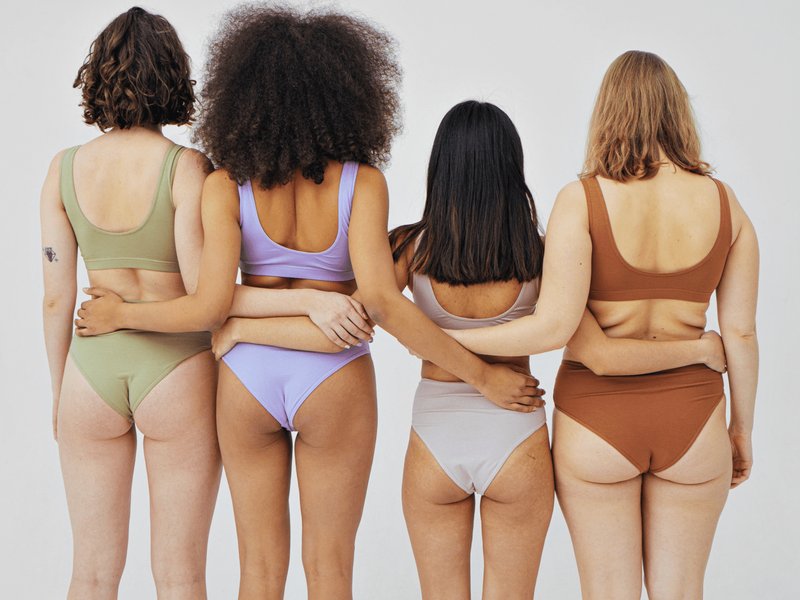
Illustration of body fat distribution patterns.
Kibbe Image Identities and Weight Gain Patterns
The Kibbe system categorizes individuals into 13 image identities based on a balance of Yin (soft, rounded, delicate) and Yang (sharp, angular, strong) elements in their bone structure and flesh. While weight gain does not change an individual's core Kibbe ID, it can reveal how fat is distributed according to their inherent Yin/Yang balance.
-
Soft Gamine: Weight gain tends to make the body very rounded, with fat collecting predominantly in the bust and hip areas, and limbs becoming softer.
-
Soft Classic: With weight gain, the Soft Classic body becomes very soft and can appear "thickish," with facial features also becoming more fleshy.
-
Soft Dramatic: Weight gain shows in the fleshiest parts of the body, including the bust, hips, waist, upper thighs, upper arms, and notably, the face.
-
Flamboyant Natural: Instead of becoming curvier, weight gain in Flamboyant Naturals tends to make the body more square and stocky, and the face can appear fleshier and puffy.
-
Romantic and Theatrical Romantic: As Yin-dominant types, weight gain tends to emphasize their inherent roundness and softness, particularly in the fleshy areas.
In the Kibbe system, "softness" is not solely about weight gain but refers to a natural fleshiness and roundedness inherent in certain image IDs. However, weight gain in these types will often accentuate this existing softness in specific areas dictated by their Yin/Yang balance. Conversely, Yang-dominant types might see weight gain distributed differently, potentially leading to a more stocky or broad appearance rather than pronounced roundness.
The Role of Hormones in Fat Distribution
How Endocrine Balance Influences Softness
Hormones are chemical messengers that regulate numerous bodily functions, including metabolism and fat storage. Fluctuations or imbalances in certain hormones can significantly impact where the body chooses to store fat, contributing to variations in perceived softness or firmness in different areas.
Estrogen's Influence on Female Fat Distribution
Estrogen, the primary female sex hormone, plays a key role in shaping the typical female fat distribution pattern. Higher estrogen levels during reproductive years are associated with increased fat storage in the hips, thighs, and buttocks, contributing to a "pear" shape. This subcutaneous fat in the lower body is often perceived as softer compared to visceral fat.
However, imbalances like estrogen dominance, where estrogen levels are disproportionately high relative to progesterone, can lead to increased fat accumulation, particularly in the hips and abdomen. This can exacerbate a softer appearance in these regions and make weight loss more challenging.
This video discusses the link between estrogen dominance and weight gain, highlighting how hormonal imbalances can affect fat storage.
Other Hormonal Factors
Other hormones also influence fat distribution. Insulin, for example, is a fat-storage hormone, and insulin resistance can lead to increased abdominal fat. Cortisol, a stress hormone, can also promote fat storage, particularly in the visceral compartment. Leptin and ghrelin, hormones that regulate appetite and satiety, can indirectly impact fat storage by influencing food intake.
Changes in hormonal profiles throughout life, such as during puberty, pregnancy, and menopause, can lead to shifts in fat distribution. During menopause, for instance, the decline in estrogen often results in a redistribution of fat towards the abdomen, potentially changing a "pear" shape to an "apple" shape and reducing some of the lower-body softness.
Understanding and Managing Fat Distribution
Strategies for a Healthier Composition
While genetic predispositions and hormonal influences play a role in where fat is stored, lifestyle interventions can significantly impact overall body composition and fat distribution. Focusing on a balanced diet, regular exercise, sufficient sleep, and stress management can promote a healthier body fat percentage and a more favorable distribution.
Dietary Considerations
A diet rich in whole foods, including complex carbohydrates, lean proteins, and healthy fats, can support a healthy metabolism and help regulate hormones that influence fat storage. Avoiding excessive consumption of processed foods and sugary drinks, which can contribute to insulin spikes and increased fat accumulation, is particularly important for managing abdominal fat.
Consuming a sufficient amount of protein can also help maintain muscle mass, which in turn supports a higher resting metabolism and can influence body composition favorably. Hydration is also crucial for overall metabolic health.
Exercise and Body Composition
Both aerobic exercise and strength training are essential for managing body fat. Aerobic activities help burn calories and can contribute to overall fat loss, while strength training builds muscle mass. Increased muscle mass not only improves metabolic rate but can also influence body shape and firmness, counteracting some aspects of dominant softness.
Targeted exercises can help strengthen underlying muscles in specific areas, but it's important to note that "spot reduction" of fat is generally not possible. Overall fat loss through a combination of diet and exercise will lead to a reduction in fat in all areas, although the rate of loss may vary regionally.
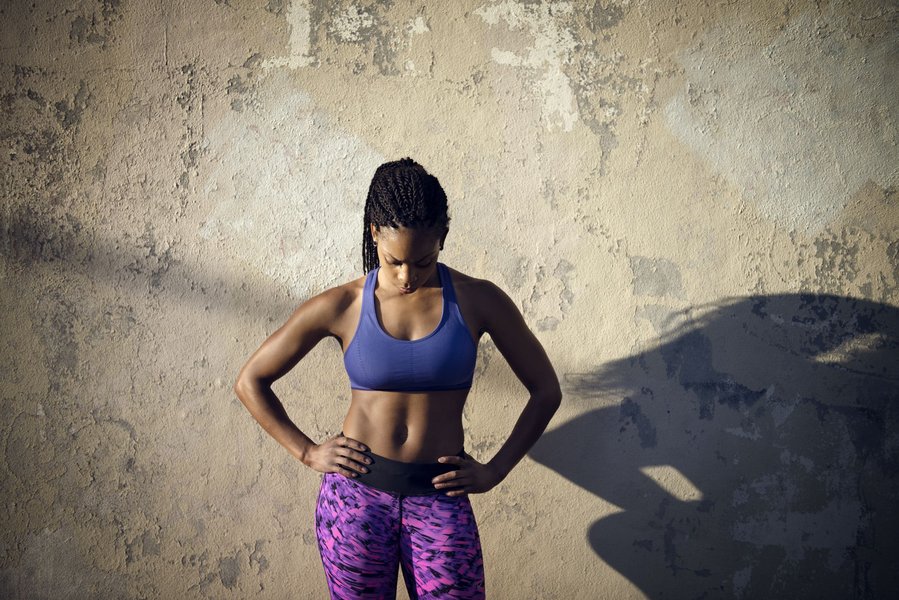
Self-assessment can be a part of understanding body composition.
The Importance of Sleep and Stress Management
Chronic sleep deprivation and high stress levels can negatively impact hormone balance, particularly cortisol, which can promote fat storage in the abdomen. Prioritizing 7-9 hours of quality sleep per night and incorporating stress-reducing techniques like mindfulness or yoga can support healthier hormone levels and contribute to better fat distribution.
Comparing Weight Gain Patterns Across Systems
Synthesizing Insights from Somatotypes and Kibbe
While the somatotype and Kibbe systems have different origins and applications (somatotypes focus on physical composition for fitness and health, while Kibbe focuses on physical traits for clothing and style), there are some interesting parallels in how they describe weight gain and the manifestation of softness.
| Concept | Somatotype Perspective | Kibbe Perspective |
|---|---|---|
| General Tendency for Fat Gain | Endomorphs gain fat easily and tend to have higher body fat. | Certain IDs with a strong Yin influence (Romantics, Soft types) show fat gain as increased fleshiness and roundness. |
| Distribution in Midsection/Hips | Common areas for fat accumulation in Endomorphs. | Prominent in Soft Gamine, Soft Dramatic, and Soft Classic when gaining weight. |
| Distribution in Limbs | Endomorphs may have thicker arms and legs. | Soft Gamine may get soft arms and thighs with weight gain; Soft Dramatic gains in upper arms and thighs. |
| Appearance with Weight Gain | Soft and round. | Can become very rounded (Soft Gamine), thickish (Soft Classic), or fleshier (Soft Dramatic, Flamboyant Natural face). |
| Influence of Underlying Structure | Stockier bone structure in Endomorphs supports the tendency for broader fat distribution. | Underlying bone structure (Yin/Yang balance) dictates *where* fat accentuates existing features rather than changing the core ID. Yang dominant types might become more stocky/square instead of purely soft/round. |
Both systems acknowledge that individuals have inherent physical characteristics that influence how their bodies respond to weight gain. The concept of "dominant softness" in weight gain can be seen in the Endomorph's natural tendency towards a rounder, higher-fat physique, and in the way weight gain accentuates the inherent fleshiness and curve in certain Yin-influenced Kibbe image identities. Understanding these patterns, regardless of the system used, can provide insights into individual body composition and how to best approach health and styling goals.
FAQ
Does weight gain change my body type?
In the context of somatotypes, while significant weight gain can alter your appearance and push you towards characteristics of an Endomorph, your underlying genetic predisposition remains. Similarly, in the Kibbe system, weight gain does not change your fundamental image identity. It highlights how your existing Yin/Yang balance manifests with increased fleshiness.
Is dominant softness in weight gain unhealthy?
The health implications of weight gain are more closely tied to the *amount* of weight gained and the *type* of fat stored (visceral vs. subcutaneous) rather than just the visual appearance of softness. While some body types may gain weight more easily, focusing on overall healthy habits is key to mitigating health risks associated with excess body fat, regardless of where it is stored.
Can I change where my body stores fat?
While you cannot entirely control where your body stores fat due to genetic and hormonal factors, a healthy lifestyle can influence overall body composition. Reducing overall body fat through diet and exercise will lead to a decrease in fat in all areas, though some areas may be more stubborn than others. Focusing on a balanced diet, regular physical activity, stress management, and adequate sleep are the most effective strategies for managing body fat distribution.
How do hormones specifically cause fat to be stored in certain areas?
Hormones like estrogen influence the activity of enzymes and receptors in fat cells in different parts of the body. For example, estrogen tends to promote the activity of fat-storing enzymes in the lower body (hips and thighs) in women. Imbalances can alter these signals, leading to increased storage in less typical areas or exacerbating storage in predisposed regions.
References
Last updated May 15, 2025