
Overlaps between Dopamine Functioning in ADHD and Addiction: Mesocortical and Mesolimbic Systems
Exploring the Shared Neurobiological Pathways and Implications for Treatment
Key Takeaways
- Shared Dopaminergic Dysregulation: Both ADHD and addiction involve dysfunction in the mesocortical and mesolimbic dopamine pathways, leading to similar behavioral and cognitive impairments.
- Impaired Executive Function and Reward Processing: Dysregulation of dopamine in the prefrontal cortex and nucleus accumbens impacts attention, impulse control, and reward sensitivity, predisposing individuals to addiction.
- Comorbidities and Treatment Strategies: Understanding the overlapping dopamine pathways is essential for developing integrated treatment approaches addressing both ADHD and addiction simultaneously.
Introduction
Attention-Deficit/Hyperactivity Disorder (ADHD) and addiction are two prevalent neuropsychiatric conditions that, despite their distinct clinical presentations, share significant neurobiological underpinnings. Central to this overlap is the dysregulation of dopamine functioning within the brain's mesocortical and mesolimbic pathways. Understanding the shared dopaminergic mechanisms provides critical insights into the comorbidity of ADHD and addiction, as well as informing more effective, integrated treatment strategies.
Dopamine and Its Pathways
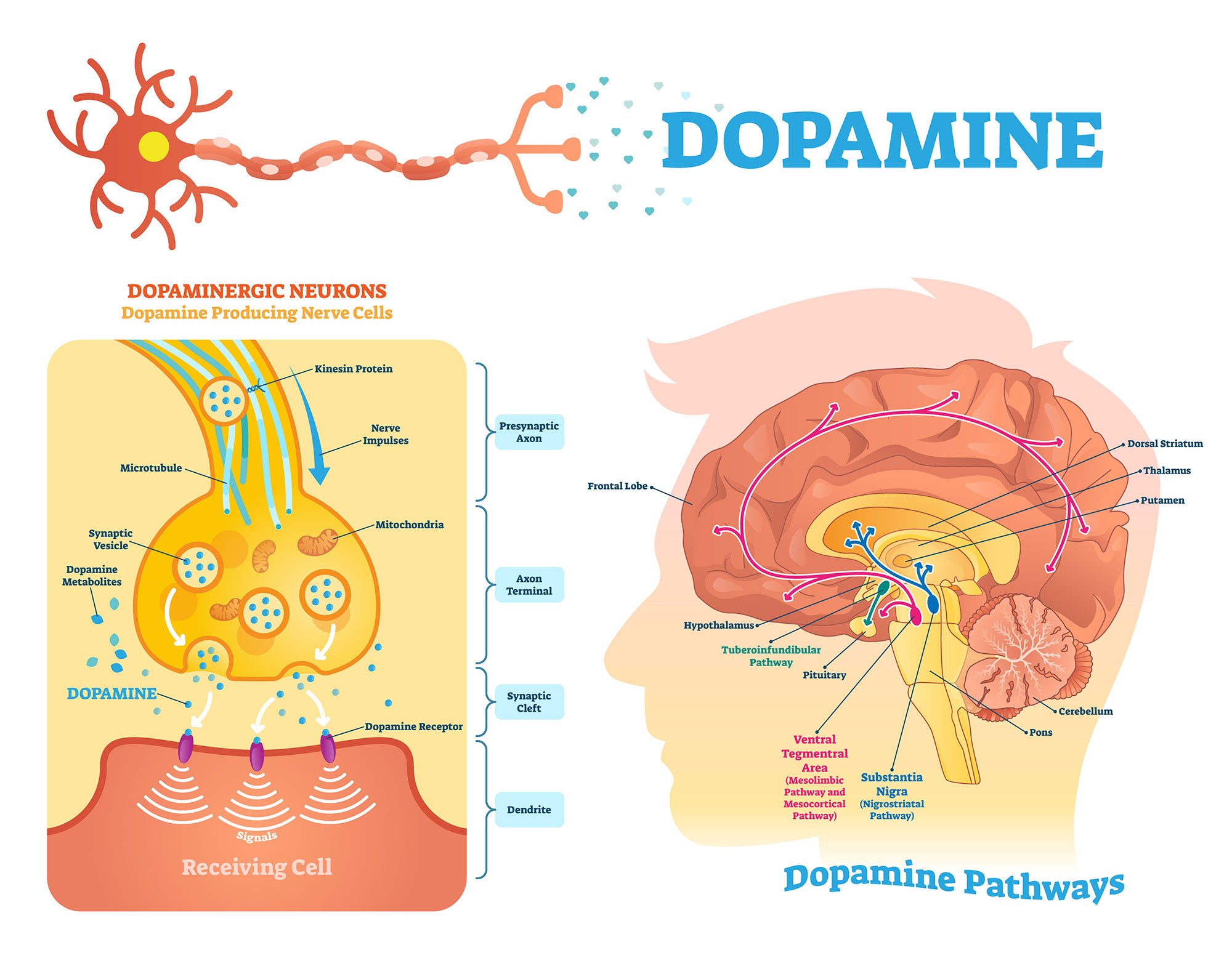
Dopamine, a key neurotransmitter in the brain, plays a pivotal role in regulating reward, motivation, attention, and executive functions. The mesocortical and mesolimbic pathways are two major dopaminergic circuits integral to these processes:
Mesocortical Pathway
The mesocortical pathway originates in the ventral tegmental area (VTA) of the midbrain and projects to the prefrontal cortex (PFC). This pathway is crucial for executive functions, including decision-making, attention, working memory, and impulse control. Proper functioning of the mesocortical pathway is essential for sustaining focus, managing competing demands, and inhibiting inappropriate behaviors.
Mesolimbic Pathway
The mesolimbic pathway extends from the VTA to the nucleus accumbens, amygdala, and hippocampus. Known as the brain's "reward circuit," it is central to processing rewards, motivation, reinforcement learning, and the development of addictive behaviors. Activation of the mesolimbic pathway by rewarding stimuli leads to dopamine release, reinforcing the association between certain behaviors or substances and pleasurable outcomes.
Dopamine Dysfunction in ADHD
ADHD is characterized by persistent patterns of inattention, hyperactivity, and impulsivity, which are believed to stem from neurobiological abnormalities, particularly involving dopamine neurotransmission in key brain regions.
Mesocortical Dysfunction in ADHD
- Reduced Dopamine Activity: Individuals with ADHD often exhibit decreased dopaminergic activity in the mesocortical pathway, particularly within the PFC. This hypoactivity impairs executive functions, including maintaining attention, regulating behavior, and inhibiting impulses.
- Genetic and Neuroimaging Evidence: Genetic studies have identified associations between ADHD and variants in dopamine transporter (DAT) and dopamine receptor genes (e.g., DRD4, DRD5). Neuroimaging studies further demonstrate reduced dopamine transporter availability and altered dopamine receptor densities in the PFC of individuals with ADHD.
- Implications for Behavior: The compromised dopamine signaling in the mesocortical pathway leads to difficulties in sustaining attention, organizing tasks, and controlling impulsive actions, which are hallmark symptoms of ADHD.
Mesolimbic Dysfunction in ADHD
- Altered Reward Processing: Dysregulation of dopamine in the mesolimbic pathway affects the processing of rewards and motivation. Individuals with ADHD may experience a "reward deficiency," leading to reduced sensitivity to natural rewards and increased likelihood of seeking out potent external stimuli or substances to achieve a sense of gratification.
- Motivational Deficits: The decreased dopamine function within the nucleus accumbens results in lower motivation levels, contributing to the procrastination and difficulty in task initiation often observed in ADHD.
Dopamine Dysfunction in Addiction
Addiction involves the compulsive use of substances or engagement in behaviors despite negative consequences, driven by neurobiological changes primarily within the brain's reward system.
Mesolimbic Hyperactivity in Addiction
- Enhanced Dopamine Release: Addictive substances and behaviors typically cause a significant increase in dopamine release within the mesolimbic pathway, particularly in the nucleus accumbens. This surge in dopamine reinforces the addictive behavior, creating a strong association between the substance or activity and pleasurable feelings.
- Neuroadaptive Changes: Chronic substance use leads to neuroadaptive changes, including alterations in dopamine receptor density and dopamine transporter function. These changes contribute to tolerance (needing more of the substance to achieve the same effect) and dependence (experiencing withdrawal symptoms without the substance).
Mesocortical Dysregulation in Addiction
- Impaired Executive Control: Prolonged addiction can impair the mesocortical pathway, diminishing the PFC's ability to regulate behavior, make decisions, and exert self-control. This impairment facilitates the continuation of addictive behaviors despite adverse outcomes.
- Craving and Compulsion: Dysfunction in the mesocortical pathway exacerbates cravings and compulsions associated with addiction, as the impaired executive functions make it difficult for individuals to resist engaging in substance use or addictive behaviors.
Overlapping Mechanisms Between ADHD and Addiction
ADHD and addiction share several neurobiological and behavioral mechanisms, primarily due to their common involvement of the mesocortical and mesolimbic dopamine pathways. The overlap in dopamine dysfunction contributes to the high comorbidity rates observed between these conditions.
Shared Dopaminergic Dysregulation
- Mesocortical Pathway: Both ADHD and addiction involve dysregulation in the mesocortical pathway. In ADHD, reduced dopamine activity in the PFC impairs executive functions, while in addiction, impaired dopamine regulation hinders executive control over addictive behaviors.
- Mesolimbic Pathway: Dysregulation in the mesolimbic pathway is a common factor, with ADHD associated with a "reward deficiency" and addiction involving "reward sensitization." This shared dysfunction affects how rewards are processed and perceived, influencing susceptibility to addictive behaviors.
Genetic and Environmental Factors
- Genetic Predisposition: Genetic variations affecting dopamine transporters and receptors can increase the risk for both ADHD and addiction. For example, polymorphisms in DAT and DRD4 genes have been linked to both conditions, suggesting a shared genetic vulnerability.
- Environmental Influences: Environmental stressors and early life experiences may interact with genetic predispositions to exacerbate dopamine dysregulation, further increasing the risk of comorbid ADHD and addiction.
Impaired Self-Regulation and Impulsivity
- Executive Dysfunction: Both ADHD and addiction involve compromised executive functions, leading to difficulties in planning, impulse control, and decision-making. This impairment makes individuals more likely to engage in impulsive behaviors, including substance use.
- Reward-Seeking Behavior: The altered reward processing in both disorders increases the propensity to seek immediate rewards, whether through substance use in addiction or other stimulating activities in ADHD, as a compensatory mechanism for dopamine deficits.
Emotion and Stress Regulation
- Emotional Dysregulation: Dysregulation in the amygdala and hippocampus, regions linked to emotional processing and stress response, is common in both ADHD and addiction. This dysregulation can lead to poor emotional control and increased vulnerability to using substances as a coping mechanism.
- Stress-Induced Craving: Chronic stress and emotional challenges can exacerbate dopamine dysregulation, heightening cravings and the risk of relapse in addiction, as well as worsening inattention and impulsivity in ADHD.
Treatment Implications
The overlapping dopamine pathways in ADHD and addiction necessitate integrated and thoughtful treatment approaches to effectively address both conditions, especially when they co-occur.
Pharmacotherapy
- Stimulant Medications: Medications such as methylphenidate and amphetamines are primary treatments for ADHD. They work by increasing dopamine availability in the mesocortical pathway, thereby enhancing focus and reducing impulsivity. However, due to their potential for misuse and addiction, careful monitoring is required, particularly in individuals with a history of substance use disorders.
- Non-Stimulant Medications: Atomoxetine, a selective norepinephrine reuptake inhibitor, offers an alternative for ADHD treatment with a lower risk of addiction. It may be particularly beneficial for individuals with co-occurring addiction.
- Medication for Addiction: Dopamine agonists and antagonists are used to normalize dopaminergic function in addiction. For instance, medications like naltrexone can help manage cravings and reduce the rewarding effects of substances.
Behavioral Interventions
- Cognitive-Behavioral Therapy (CBT): CBT is effective in managing both ADHD and addiction by addressing maladaptive thought patterns and behaviors. It helps improve executive functions, enhances impulse control, and provides strategies for coping with cravings and triggers.
- Contingency Management: This behavioral intervention reinforces positive behaviors and discourages substance use, aiding in the development of healthier coping mechanisms and reducing impulsive actions.
- Mindfulness and Stress Reduction Techniques: Mindfulness-based interventions can improve emotional regulation and reduce stress, which are beneficial in managing both ADHD symptoms and addictive behaviors.
Integrated Treatment Approaches
- Dual Diagnosis Treatment: For individuals with co-occurring ADHD and addiction, integrated treatment programs that simultaneously address both disorders are essential. These programs coordinate pharmacotherapy and behavioral therapies to ensure comprehensive care.
- Personalized Treatment Plans: Tailoring treatment plans based on the severity of ADHD and addiction, genetic factors, and the individual's specific needs can improve outcomes. Personalized approaches may include a combination of medications, therapy, and support systems.
Novel and Emerging Therapies
-
Targeted Dopamine Modulation: Developing treatments that specifically target dysregulated dopamine receptors or transporters could offer more precise management of ADHD and addiction symptoms.
-
Neurofeedback and Brain Stimulation: Techniques such as neurofeedback and transcranial magnetic stimulation (TMS) are being explored for their potential to enhance dopamine function and improve executive control in both disorders.
Comparative Analysis of Dopamine Functioning in ADHD and Addiction
| Aspect | ADHD | Addiction |
|---|---|---|
| Mesocortical Pathway Function | Reduced dopamine activity in PFC, leading to impaired executive functions and impulse control. | Impaired PFC function due to chronic dopamine dysregulation, resulting in diminished self-control and decision-making abilities. |
| Mesolimbic Pathway Function | Altered dopamine signaling in nucleus accumbens results in reward deficiency and motivational deficits. | Hyperactivation of dopamine release in nucleus accumbens reinforces addictive behaviors and leads to tolerance and dependence. |
| Dopamine Transporter (DAT) Function | Often increased DAT density in ADHD, leading to reduced synaptic dopamine levels. | Substance use can block DAT temporarily, but chronic use leads to compensatory changes and altered dopamine availability. |
| Dopamine Receptor Availability | Reduced D2 receptor availability in ADHD affects reward sensitivity and executive control. | Downregulation of D2 receptors in addiction decreases sensitivity to natural rewards, increasing susceptibility to substance cues. |
| Behavioral Implications | Inattention, impulsivity, hyperactivity, and a tendency to seek external stimulation. | Compulsive substance use, craving, tolerance, and impaired decision-making. |
Conclusion
The intricate interplay between dopamine functioning within the mesocortical and mesolimbic pathways underlies significant overlaps between ADHD and addiction. Both conditions share common neurobiological mechanisms, including dopaminergic dysregulation, impaired executive functions, altered reward processing, and increased impulsivity. These shared pathways not only elucidate the heightened risk of addiction in individuals with ADHD but also highlight the necessity for integrated and targeted treatment approaches. Future research aimed at further understanding these overlapping mechanisms promises to enhance therapeutic strategies, ultimately improving outcomes for those affected by these interrelated disorders.
References
Last updated January 30, 2025