
Mastering Dossier Management: Strategies That Transform Document Chaos Into Order
Discover proven techniques to effectively organize, secure, and access your critical information systems
Essential Principles for Effective Dossier Management
- Structured organization systems increase efficiency by up to 30% and reduce document retrieval time
- Consistent naming conventions and metadata are fundamental to searchability and long-term usability
- Digital solutions with proper security protocols protect sensitive information while enhancing accessibility
Effective dossier management is the backbone of information organization across industries—from legal and healthcare to academic and corporate environments. A well-maintained dossier system doesn't just store documents; it transforms them into actionable resources that can be quickly accessed, securely maintained, and strategically leveraged.
Core Organizational Frameworks
The foundation of effective dossier management lies in establishing a structured framework that supports both immediate needs and long-term information management goals.
Establishing a Consistent System
Implement a standardized methodology for organizing all dossiers to ensure efficiency and quick retrieval of information. This consistency is particularly valuable for teams where multiple individuals may need to access the same information.
Categorization Strategies
Organize documents by logical categories rather than solely chronologically. For legal professionals, recommended categories include:
- Client information and retainer documents
- Contact information for all relevant parties
- Pleadings and motions (with separate sections for drafts)
- Discovery documents
- Evidence materials
- Legal research
- Correspondence
In healthcare settings, patient dossiers should be organized around care timelines, with clear sections for diagnostics, treatments, and ongoing care plans.
Creating a "Central Reference"
Compile foundational documents and critical information into a single binder or digital file—sometimes called a "case bible" in legal contexts—for quick access during meetings, calls, or when working remotely. This central reference should include essential facts, key documents, and immediate action items.
The radar chart above illustrates how different dossier management approaches compare across key performance indicators. Advanced document management systems significantly outperform traditional methods in nearly all dimensions, particularly in scalability and efficiency.
Digital Management Best Practices
While physical dossiers remain relevant in some contexts, digital solutions offer superior capabilities for organization, accessibility, and security.
File Naming Conventions
Develop and strictly adhere to clear naming conventions for all digital files. Effective naming typically includes:
- Date (using YYYY-MM-DD format for proper chronological sorting)
- Brief description of document type
- Version number or status indicator
- Relevant parties' identifiers
For example: "2025-04-01_ClientAgreement_v2_SmithCorp.pdf" provides immediate context about the document's date, type, version, and related party.
Folder Structure and Hierarchy
Create a logical hierarchy that mimics your physical organization system. Consider a structure that moves from general to specific:
- Main categories (Client/Project/Department)
- Subcategories (by document type or function)
- Chronological or alphabetical organization within each subcategory
This nested approach allows for intuitive navigation through complex information systems.
Metadata Implementation
Beyond file names, utilize metadata tags to enhance searchability. Metadata should capture key information like:
- Document creator and date
- Related projects or cases
- Status indicators (draft, final, approved)
- Security classification
- Retention period
Proper metadata tagging enables powerful search functionality even when the exact file name is unknown.
Security and Compliance Considerations
Effective dossier management must balance accessibility with appropriate security measures, particularly for sensitive information.
Access Controls
Implement role-based permissions to ensure that sensitive information is only accessible to authorized personnel. This is particularly crucial in industries with strict confidentiality requirements like healthcare (HIPAA compliance) and legal sectors.
Security Levels
Consider establishing tiered security levels for different document types:
- Public - accessible to all organization members
- Internal - accessible to all authenticated users
- Confidential - accessible only to specific departments or roles
- Restricted - accessible only to named individuals
Audit Trails and Tracking
Maintain comprehensive records of who accesses, modifies, or shares documents. Automated audit trails provide accountability and can help identify potential security breaches or compliance issues.
Regulatory Compliance
Ensure dossier management practices align with relevant regulations specific to your industry:
- Healthcare: HIPAA, GDPR (for EU data)
- Legal: Attorney-client privilege, discovery requirements
- Financial: SOX, PCI-DSS
- Academic: FERPA, research ethics guidelines
Regularly review and update compliance practices as regulations evolve.
| Dossier Management Aspect | Traditional Approach | Best Practice Approach | Key Benefits |
|---|---|---|---|
| Organization System | Ad-hoc filing, primarily chronological | Structured categories with clear hierarchies and cross-references | Reduced retrieval time, improved completeness |
| Naming Conventions | Inconsistent naming patterns | Standardized naming with date, type, version, and parties | Enhanced searchability, clarity at a glance |
| Storage Solution | Physical files with limited backup | Digital systems with cloud backup and versioning | Remote access, disaster recovery, collaboration |
| Security Controls | Physical locks, basic passwords | Role-based access, encryption, audit trails | Compliance assurance, breach prevention |
| Maintenance Process | Periodic manual review | Scheduled audits, automated archiving, lifecycle management | Reduced clutter, current information, compliance |
Lifecycle Management and Maintenance
Effective dossier management includes processes for the entire document lifecycle—from creation to eventual archiving or destruction.
Regular Decluttering
Implement a systematic approach to document retention:
- Immediately decide whether to keep, destroy, or archive new documents
- Regularly review active dossiers to identify items for archiving
- Establish clear criteria for what warrants retention vs. removal
Archiving Strategy
Create a structured archiving system that maintains accessibility while reducing clutter in active systems:
- Archive by date, case/project completion, or regulatory periods
- Maintain searchability within archived materials
- Document the archiving process for consistent application
Versioning and History
Maintain clear version control, particularly for documents that undergo multiple revisions:
- Use consistent version numbering (v1.0, v1.1, v2.0)
- Include version history summaries noting key changes
- Retain critical versions while archiving intermediate drafts
The mindmap above illustrates the interconnected nature of effective dossier management practices. Success requires attention to all these areas, with particular focus on the organizational foundation that supports all other elements.
Technology Solutions for Enhanced Dossier Management
Specialized software can dramatically improve dossier management efficiency and effectiveness.
The video above highlights 10 best practices for stress-free document management, including how to implement digital solutions effectively. These practices emphasize the importance of consistent systems and leveraging technology appropriately.
Selecting the Right Solutions
When evaluating dossier management software, consider these key factors:
- Scalability to grow with your organization's needs
- Security features including encryption and access controls
- Integration capabilities with existing systems
- Mobile accessibility for remote work scenarios
- Collaboration features for team environments
- Customization options for your specific industry needs
Implementation Best Practices
Successfully adopting new dossier management technology requires:
- Thorough staff training and ongoing support
- Clear migration plans for existing documents
- Phased implementation to minimize disruption
- Regular evaluation and optimization of the system
Visual Organization Examples

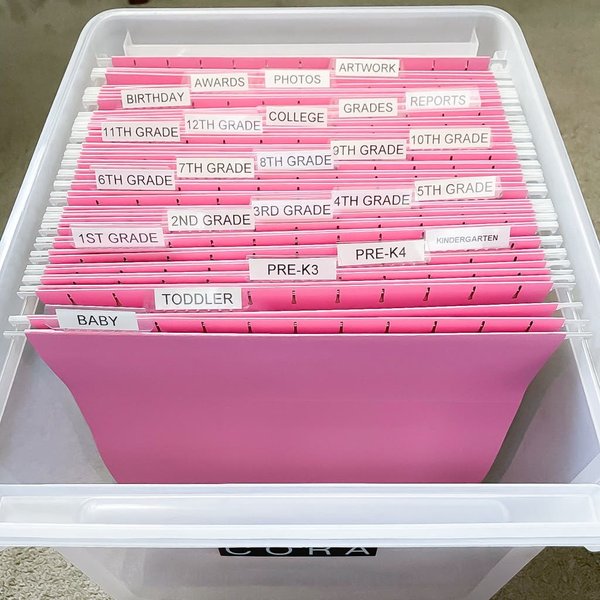
Effective physical dossier management requires appropriate storage solutions and clear visual organization. Color-coding, dividers, and consistent labeling enhance retrieval efficiency even in paper-based systems.
Frequently Asked Questions
References
- Mastering Dossier Management: Tips and Best Practices - Kytes
- Best Practices for Organizing Your Dossier - Interfolio
- Unlock the Secrets of Effective Dossier Preparation & Submission - QXPTS
- Best Practices for Creating a Responsive Free-Form Dossier - Medium
- How to Organize a Legal Case File - Kelly Nolan
- Dossier Management and Regulatory Affairs - SlideShare
- Dossier Management for Confidential Medical Records - Sinopt
Recommended Searches
Last updated April 8, 2025