
Unlocking Your Dubai Hotel Room Door: The Truth About DND Signs and Room Checks
Navigating privacy and safety protocols in Dubai hotels when the "Do Not Disturb" sign is on.
When staying in a Dubai hotel, the "Do Not Disturb" (DND) sign is a common way guests signal their desire for privacy. However, understanding how these requests are balanced with hotel operational needs, safety protocols, and local regulations is key to a smooth stay. This guide delves into the specifics of room checks when a DND indication is active in Dubai hotels.
Key Insights: DND and Room Checks in Dubai
- Privacy Prioritized, Not Absolute: While hotels in Dubai generally respect DND signs, they reserve the right to enter rooms for safety, security, and essential maintenance or housekeeping, especially if the DND sign has been active for an extended period (often 24 hours).
- Safety and Security Paramount: UAE regulations and hotel policies empower staff to enter rooms in emergencies or if there's concern for a guest's well-being, regardless of DND status.
- Communication is Standard: Before entering a DND room for non-urgent reasons, hotels typically attempt to contact the guest via phone or by leaving a notification card.
Understanding "Do Not Disturb" in Dubai's Hospitality Landscape
The DND sign, whether a traditional hanger or an electronic button, is a guest's primary tool for requesting uninterrupted privacy. Dubai hotels, known for their high service standards, generally train staff to honor these requests diligently. The primary purpose of DND systems is to enhance the guest experience by providing a clear way to communicate privacy preferences.
General Hotel Policies Regarding DND
Most hotels in Dubai have established Standard Operating Procedures (SOPs) for handling DND rooms. These procedures aim to strike a balance between respecting guest privacy and fulfilling the hotel's responsibilities.
Initial Respect for DND
Upon seeing a DND sign, housekeeping and other staff members will typically bypass the room for routine services like cleaning or turndown. If a specific service (e.g., pre-requested maintenance) needs to access the room, staff might leave a calling card with contact information for the guest to reschedule.
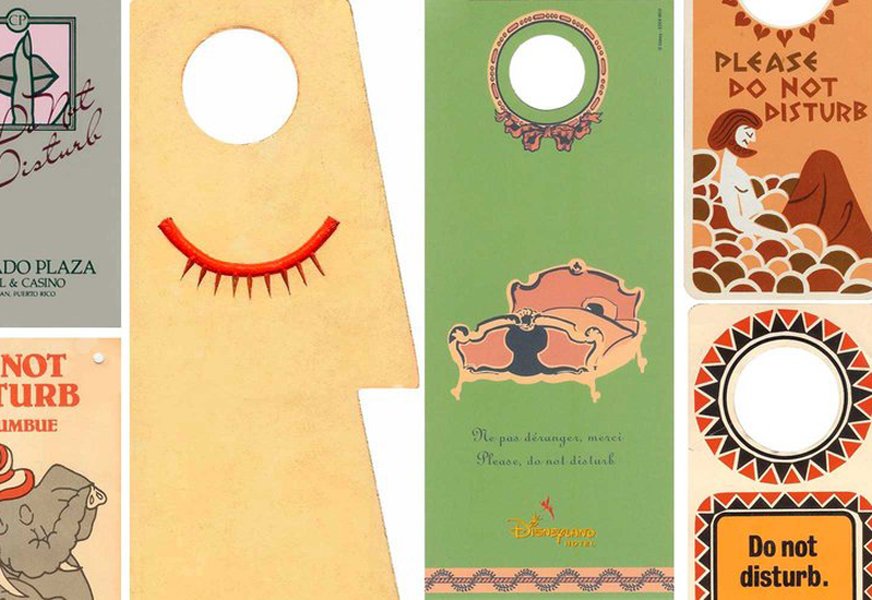
Various 'Do Not Disturb' signs, illustrating the common hotel practice.
Protocols for Extended DND Activation
If a DND sign remains active for a prolonged period, commonly 24 hours or from one day to the next, hotels initiate a specific protocol. This is primarily for the safety and well-being of the guest. Procedures often include:
- Notification Attempts: Housekeeping or management may try to contact the guest by phone.
- Door Card: A card might be slipped under the door informing the guest of the attempt to service the room or check on their welfare, asking them to contact the front desk.
- Management Involvement: If there's no response and the DND persists, hotel management or security personnel are usually informed. They may then make a decision to enter the room. Some hotels, like the Shangri-La Dubai, explicitly state in their terms that they reserve the right to enter a room at least once a day for safety, security, and housekeeping purposes, even with a DND sign.
Specific Timeframes and Housekeeping Schedules
Some hotel SOPs specify times by which DND rooms need to be addressed. For example, if a DND sign is still active by early to mid-afternoon (e.g., 1:00 PM to 2:00 PM), housekeeping might be required to report it. The subsequent action depends on the guest's response if contacted, or on the hotel's policy for unconfirmed DNDs.
The Legal and Regulatory Framework in Dubai
Guest privacy is taken seriously in the UAE. Regulations generally prohibit hotel staff from entering a guest's room without consent. However, these regulations also acknowledge exceptions, particularly for:
- Emergencies: Situations like fire, medical emergencies, or immediate security threats.
- Safety and Security Concerns: If there's a reasonable belief that the guest may be in distress, or if illegal activities are suspected.
- Hotel's Right to Protect Property and Ensure Guest Welfare: Hotels often include clauses in their terms and conditions outlining their right to enter rooms for essential checks.
Dubai's Department of Economy and Tourism (DET) oversees the hospitality sector, and hotels are expected to comply with regulations that ensure both guest safety and a high standard of service.
Technological Advancements: Modern DND Systems
Many contemporary Dubai hotels have moved beyond traditional door hangers to sophisticated electronic DND systems. These systems are often integrated with the hotel's management software.
Features and Benefits
- Centralized Control: Staff can see the DND status of a room remotely, reducing unnecessary knocks or attempts to enter.
- Automated Alerts: Some systems can flag rooms that have had DND active for an unusually long time, prompting a welfare check.
- Integration: These systems can be part of a larger guest room automation setup, including lighting, temperature control, and service requests, enhancing overall guest experience and operational efficiency.

Example of an electronic DND and room service indicator system used in Dubai hotels.
Navigating DND Override Scenarios
The decision to override a DND request is not taken lightly by hotel management. Several factors are weighed to ensure guest privacy is respected while upholding safety and operational standards. The radar chart below visualizes the relative importance of different factors that might lead to a hotel staff member entering a room despite an active DND sign.
This chart illustrates that an Urgent Safety/Security Concern and adherence to Security Protocol typically carry the most weight, followed closely by situations involving a Prolonged DND status. Routine activities like a scheduled deep clean have less influence in overriding a DND compared to immediate concerns.
Mindmap: The DND Room Check Process
The following mindmap outlines the typical decision-making process and actions taken by hotel staff in Dubai when encountering a room with an active "Do Not Disturb" sign. It visualizes the paths from guest DND activation to either continued privacy or a necessary room check based on various factors.
(Cleaning, Turndown)"] id1.2["Potential for Room Check"] id1.2.1["Triggering Factors"] id1.2.1.1["Safety/Welfare Concern
(e.g., no contact)"] id1.2.1.2["Extended DND Duration
(e.g., >24 hours)"] id1.2.1.3["Hotel Housekeeping Policy
(e.g., daily check requirement)"] id1.2.1.4["Security Protocol Activation"] id1.2.1.5["Emergency Situation
(Fire, Medical, Urgent Maintenance)"] id1.2.2["Hotel Response Protocol"] id1.2.2.1["Attempt to Contact Guest
(Phone Call)"] id1.2.2.2["Leave Notification Card"] id1.2.2.3["Inform Management/Security"] id1.2.2.4["Decision to Enter Room
(Accompanied if non-urgent)"] id1.2.2.4.1["Entry for Welfare Check"] id1.2.2.4.2["Entry for Security/Safety"] id1.2.2.4.3["Entry for Essential Service"]
This mindmap shows that while the default is to respect the DND, several pathways exist where hotel protocols for safety, security, or operational necessity might lead to a room check, typically after attempts to communicate with the guest.
Summary of DND Policies and Guest Expectations
To provide a clear overview, the table below summarizes key aspects of DND policies in Dubai hotels and what guests can typically expect.
| Aspect | Description | Typical Protocol in Dubai Hotels |
|---|---|---|
| DND Activation | Guest indicates a desire for privacy. | Via physical door hanger or electronic in-room system. |
| General Respect for DND | Staff honor the DND for routine services. | No entry for regular housekeeping or unsolicited services while DND is active. |
| Extended DND Duration | DND active for a significant period (e.g., 24+ hours). | Triggers welfare check protocols; attempts to contact guest, followed by potential entry if no response. |
| Safety & Welfare Checks | Ensuring the well-being of the guest. | Permitted and prioritized, especially after prolonged DND or if concerns arise. Hotel may have a policy for at least one daily check. |
| Security & Emergencies | Addressing immediate threats, medical issues, or urgent hotel matters. | Authorized entry irrespective of DND status, often involving security personnel. |
| Housekeeping Needs | Scheduled room cleaning or maintenance. | May enter after a certain DND period as per hotel policy, usually after attempting to notify the guest, or for mandatory daily checks as stated in terms. |
| Communication with Guest | Informing guests about potential or actual entry. | Attempts usually made via phone call or by leaving a card under the door before non-emergency entry. |
This table highlights the balance hotels strive to achieve: respecting guest privacy while upholding their responsibilities for safety, security, and operational standards.
Best Practices for Guests
To ensure your privacy preferences are understood and respected:
- Understand Hotel Policy: Upon check-in, inquire about or review the hotel's specific DND policy. Some hotels provide this information in the room compendium or their terms and conditions.
- Communicate Extended DND: If you plan to keep the DND sign on for an unusually long period (more than a day), it's advisable to inform the front desk. This can prevent unnecessary concern or pre-emptive welfare checks.
- Respond to Hotel Communication: If the hotel attempts to contact you (e.g., phone call, note under the door) while DND is active, responding can clarify your needs and prevent an otherwise necessary room entry.
- Use DND Appropriately: Activate the DND when you genuinely require privacy. Remember to deactivate it if you require room servicing.
Frequently Asked Questions (FAQ)
Can hotel staff in Dubai enter my room if the DND sign is on?
Yes, under certain circumstances. While DND signs are generally respected for routine services, hotel staff may enter for safety checks (especially if DND is on for over 24 hours), security reasons, emergencies, or if stipulated in the hotel's terms (e.g., a daily welfare or housekeeping check). They usually attempt to contact you first for non-emergencies.
How long will a hotel typically respect a DND sign before checking the room?
This varies by hotel, but a common timeframe is 24 hours. If a DND sign remains active beyond this period without any contact from the guest, hotels often initiate a welfare check. Some hotels might have policies for earlier checks, such as in the afternoon if the DND was on since the previous night.
What are my rights regarding privacy in a Dubai hotel room?
You have a right to privacy, and UAE laws generally prohibit unauthorized entry. However, this is balanced with the hotel's responsibility for guest safety, security, and property maintenance. Hotels typically outline their right of entry under specific conditions in their terms and conditions.
Are electronic DND systems more effective than traditional door hangers?
Electronic DND systems can be more effective as they are often integrated with the hotel's management system, providing real-time status updates to staff and reducing the chance of accidental disturbances. They can also facilitate automated alerts for prolonged DND activations, potentially streamlining welfare checks.
Recommended Further Exploration
- What are the comprehensive safety and security protocols followed by hotels in Dubai?
- Can you explain guest rights and hotel responsibilities under UAE hospitality laws?
- How do modern smart hotel room technologies impact guest privacy and service efficiency in Dubai?
- Are there differences in DND policies between luxury and budget hotels in Dubai?
References
Last updated May 12, 2025