
Comprehensive Dunhuang Travel Guide
Explore the Timeless Wonders of the Silk Road's Jewel
Key Takeaways
- Rich Cultural Heritage: Discover ancient Buddhist art and Silk Road history.
- Stunning Natural Landscapes: Experience the mesmerizing sand dunes and serene oases.
- Vibrant Local Experiences: Enjoy traditional cuisine, night markets, and adventure activities.
What to See in Dunhuang
Mogao Caves (Thousand Buddha Caves)
The Mogao Caves are a UNESCO World Heritage Site renowned for their extensive collection of Buddhist murals and sculptures. Spanning over 1,600 years, these caves offer a deep dive into the artistic and cultural exchanges along the Silk Road. Visitors can explore the intricate artwork that dates from the 4th to the 14th centuries, illustrating the evolution of Buddhist art and the influence of various cultures.
Mingsha Shan (Echoing-Sand Mountain) and Crescent Lake
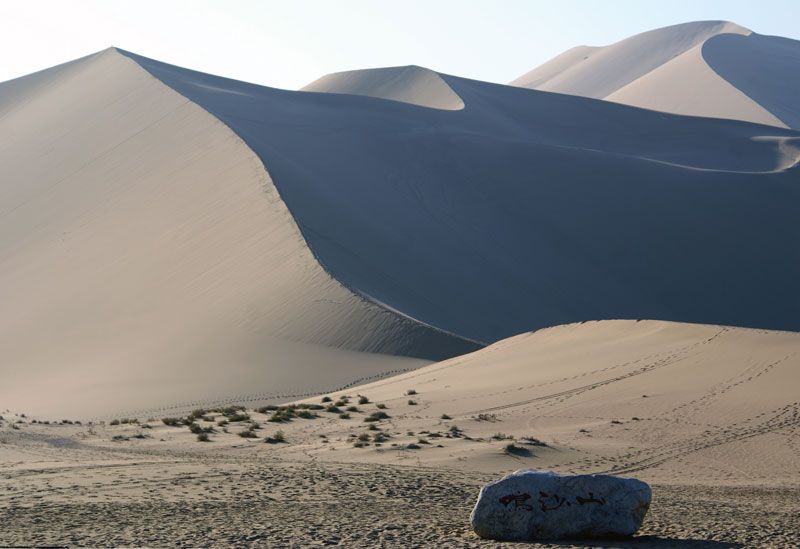
Mingsha Shan is famed for its "singing sand" phenomenon, where the dunes emit audible sounds when the wind blows. Located approximately 7 kilometers from downtown Dunhuang, this area covers an expansive 40 kilometers, offering activities such as sand sliding and camel riding. Adjacent to Mingsha Shan is Crescent Lake, a picturesque oasis that provides a stunning contrast with its serene green waters surrounded by towering sand dunes, making it a perfect spot for photography and relaxation.
Yumenguan Pass
Yumenguan Pass is a historically significant site that served as a crucial military checkpoint along the Silk Road. Visitors can explore the reconstructed fortress walls and watchtowers, which offer panoramic views of the desert landscape. The pass highlights the strategic importance of Dunhuang in ancient trade routes and defense mechanisms.
Yadan National Geopark
Known as the "Ghost City," Yadan National Geopark features unique wind-eroded rock formations that create an otherworldly landscape. Located 200 kilometers west of Dunhuang, the geopark presents dramatic natural sculptures that have been shaped by centuries of wind and sand erosion, offering a captivating experience for nature enthusiasts and photographers alike.
Dunhuang Museum
The Dunhuang Museum provides comprehensive insights into the region's rich history and cultural heritage. Exhibits include artifacts from the Silk Road era, showcasing the blend of cultures, religions, and trade that flourished in Dunhuang. The museum is an essential visit for those interested in understanding the historical significance of this ancient oasis city.
What to Do in Dunhuang
Camel Riding and Sand Sliding
Experience the desert landscape as ancient Silk Road travelers did by taking a camel ride in the Mingsha Shan area. For the more adventurous, sand sliding offers an exhilarating way to descend the majestic sand dunes, providing both thrill and stunning vistas.
Explore Silk Road Heritage
Join guided tours that trace the footsteps of ancient Silk Road merchants, pilgrims, and warriors. Interactive exhibits and storytelling sessions bring the history of Dunhuang to life, allowing visitors to deeply connect with the past.
Photography Expeditions
Dunhuang offers unique opportunities for photography enthusiasts. Capture the dramatic interplay of light and shadow over the sand dunes, the intricate murals of the Mogao Caves, and the serene landscapes of Crescent Lake. Early morning and late afternoon provide the best natural lighting for memorable shots.
Cultural Workshops and Local Cuisine Tasting
Participate in workshops that delve into traditional Dunhuang crafts and arts, offering hands-on experiences in local techniques. Additionally, savor the unique blend of Xinjiang and Lanzhou flavors in local dishes such as mutton skewers, noodles, and regional teas at the Shazhou Night Market.
Adventure Activities
For those seeking adventure, Dunhuang offers desert camping and sand-surfing experiences. Organized night tours reveal the breathtaking star-lit desert sky, providing unforgettable memories under the vast expanse of the cosmos.
How to Get to Dunhuang
By Air
Dunhuang is accessible via Dunhuang Mogao International Airport (DNH), which offers direct flights from major Chinese cities such as Beijing, Xi’an, Shanghai, Lanzhou, and Xining. Seasonal regional flights may also be available, providing flexibility for travelers from various locations.
By Train
Despite its remote location, Dunhuang is connected by train through the Liuyuan Railway Station, approximately 130 kilometers from the city. Train routes from major hubs like Beijing, Shanghai, and Chengdu offer scenic journeys through deserts and mountain ranges, enhancing the travel experience.
By Bus or Car
Long-distance buses operate from key cities in Gansu Province, including Lanzhou, Jiayuguan, Urumqi, and Turpan. For those preferring self-driving, car rentals are available, though travelers should be well-prepared for long-distance desert excursions and remote road conditions.
Combination Routes
Many travelers opt to fly into a nearby major city and then take a bus or train to Dunhuang. This approach combines the speed of air travel with the scenic journey by land, offering a balanced and efficient travel itinerary.
Getting Around in Dunhuang
Taxi Services
Taxis are readily available for short trips within Dunhuang and to nearby attractions. It's advisable to confirm fares in advance, as many drivers are familiar with tourist sites and can offer valuable local insights.
Bicycle and Electric Scooter Rentals
Renting a bicycle or electric scooter allows visitors to explore Dunhuang at their own pace. Rental services are conveniently located in the town center and at various hotels, providing an eco-friendly and flexible transportation option.
Organized Tours
Many tour operators offer day trips with transportation included to major attractions such as the Mogao Caves, Crescent Lake, and the Singing Sand Dunes. This option ensures hassle-free logistics and provides local expertise to enhance the travel experience.
Walking
Dunhuang’s compact town center is ideal for exploration on foot. Visitors can enjoy leisurely strolls through bustling markets, local neighborhoods, and historical sites, soaking in the vibrant atmosphere and cultural richness of the city.
Weather in Dunhuang
Desert Climate
Dunhuang experiences a continental desert climate characterized by hot, dry summers and cold winters. Spring and autumn are generally mild, offering the most comfortable weather for outdoor activities, although sandstorms can occur in spring.
Summer
Summers in Dunhuang are hot and dry, with temperatures often exceeding 35°C (95°F). Travelers should stay hydrated, wear sun protection such as hats and sunscreen, and schedule outdoor activities for the early mornings or late afternoons to avoid the peak heat.
Winter
Winters are cold, with nighttime temperatures dropping below freezing. However, daytime temperatures can be mild. This season offers benefits such as half-price entry to the Mogao Caves and free access to attractions like Crescent Lake and Echoing-Sand Mountain. Visitors should dress in layers to accommodate the temperature variations.
Spring and Autumn
Spring (April to June) and autumn (September to October) provide pleasant weather with milder temperatures, making them ideal times for exploring cultural sites and enjoying outdoor adventures. Although spring can bring dust storms, monitoring weather forecasts can help in planning indoor or alternative activities if necessary.
Additional Travel Tips
Cultural Etiquette
Respecting local customs is essential when visiting Dunhuang. Learning basic Mandarin phrases can enhance interactions with locals. When visiting religious or historical sites, dress modestly and adhere to any specific guidelines to honor the cultural significance of these places.
Cash and Payments
While larger establishments and hotels may accept credit cards, smaller vendors often prefer cash transactions. It's advisable to carry sufficient cash, especially when traveling to remote areas where credit card facilities may be limited. ATMs are available in the town center for easy access to cash.
Connectivity
Wi-Fi is commonly available in most hotels and some public areas, providing internet access for travelers. For consistent connectivity, purchasing a local SIM card is recommended, ensuring reliable communication and access to online resources during your stay.
Safety and Health
Staying hydrated is crucial due to Dunhuang's desert environment. Protect yourself from sun exposure by wearing appropriate clothing and sunscreen. Additionally, obtaining travel insurance is advisable to cover unforeseen events, ensuring peace of mind throughout your journey.
Local Cuisine
Dunhuang's culinary scene is a delightful blend of Xinjiang and Lanzhou flavors, offering a variety of local dishes that reflect the region's rich cultural heritage. Specialties include:
- Mutton Skewers: Tender and flavorful, often seasoned with a mix of spices.
- Flour-Based Dishes: Including noodles and dumplings, prepared in traditional styles.
- Local Snacks: Available at the Shazhou Night Market, offering a range of sweet and savory treats influenced by Silk Road flavors.
Recommended Trip Duration
The ideal trip duration to Dunhuang varies based on the depth of exploration desired:
-
2-3 Days: Suitable for visiting the main attractions such as the Mogao Caves, Mingsha Shan, and Crescent Lake.
-
5-7 Days: Allows for a comprehensive Silk Road experience, including day trips to Yadan National Geopark, historical passes, and immersive cultural activities.
Accommodation in Dunhuang
Dunhuang offers a range of accommodation options to suit various budgets and preferences:
Huaxia Hotel
A 5-star hotel located near the Crescent Moon Oasis area, Huaxia Hotel provides comfortable rooms, modern amenities, and excellent service, making it a popular choice among travelers seeking luxury and convenience.
Other Options
Various hotels and guesthouses are available, ranging from budget-friendly to luxury accommodations. Options include local boutique hotels that offer authentic experiences and larger hotels that provide international standards of comfort and service.
Conclusion
Dunhuang stands as a vibrant testament to the enduring legacy of the Silk Road, offering a unique blend of historical significance, cultural richness, and natural beauty. Whether you're exploring ancient Buddhist caves, riding camels across majestic sand dunes, or savoring local delicacies at bustling night markets, Dunhuang provides a multifaceted travel experience that caters to history enthusiasts, adventure seekers, and cultural explorers alike. Planning your journey with the right information and respecting the local customs will ensure a memorable and enriching visit to this timeless oasis.
References
Last updated February 12, 2025