
Creating an Effective E-Waste Management Destruction Proposal: Secure, Compliant, and Sustainable Solutions
A comprehensive framework for organizations looking to implement secure data destruction and responsible electronic waste disposal practices
Essential Components of an E-Management Destruction Proposal
- Dual Focus Approach: Addresses both physical device destruction and secure data erasure for comprehensive protection
- Regulatory Compliance Framework: Incorporates data protection laws, environmental regulations, and industry standards
- Certified Destruction Documentation: Provides verifiable proof of proper disposal and data elimination for audit purposes
Understanding E-Management Destruction
E-management destruction refers to the systematic process of securely disposing of electronic assets and their stored data to prevent unauthorized access, protect sensitive information, and ensure environmental compliance. This dual-purpose approach addresses both the physical decommissioning of electronic devices and the secure elimination of data they contain.
The increasing volume of electronic waste worldwide—growing five times faster than recycling rates—has created an urgent need for structured destruction proposals that protect organizations from data breaches while mitigating environmental impact. A properly developed proposal serves as a roadmap for handling end-of-life electronic assets in accordance with legal requirements and organizational security policies.
The Scope of E-Management Destruction
An effective e-management destruction proposal encompasses various electronic assets, including:
- Computing devices (desktops, laptops, servers)
- Storage media (hard drives, SSDs, USB drives, tapes)
- Mobile devices (phones, tablets)
- Network equipment (routers, switches)
- Peripheral devices (printers, scanners)
- Legacy systems and equipment
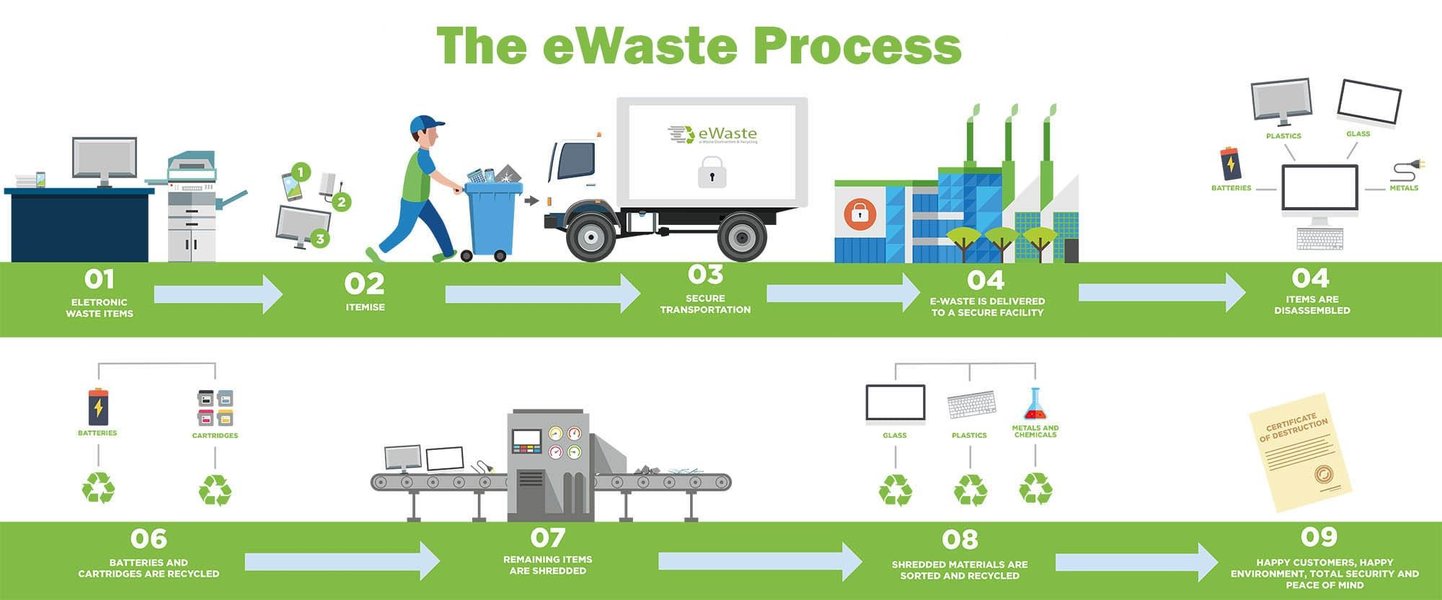
The proposal should address the entire lifecycle of these assets, from identification and collection to destruction verification and documentation.
Essential Components of a Comprehensive E-Management Destruction Proposal
1. Executive Summary and Introduction
Begin with a concise overview that articulates the purpose, scope, and expected outcomes of the e-management destruction initiative. This section should highlight:
- Current challenges related to e-waste management within the organization
- Risks associated with improper disposal of electronic assets
- Business case for implementing a structured destruction program
- Alignment with organizational goals and values
2. Policy Development Framework
Outline the structure for developing comprehensive destruction policies that will guide implementation:
Team Composition
Establish a cross-functional team including IT, legal, compliance, security, and sustainability departments to develop and oversee the destruction policies.
Policy Structure
Detail the components of the policy, including introduction, purpose and scope, compliance requirements, leadership responsibilities, verification procedures, and consequences for non-compliance.
Standards and Regulations
Identify relevant regulatory frameworks that impact e-waste management, including:
- Data protection regulations (GDPR, HIPAA, CCPA)
- Environmental regulations (WEEE Directive, EPA guidelines)
- Industry standards (NIST 800-88, DoD 5220.22-M)
3. Data Classification and Asset Inventory
Establish a methodology for classifying electronic assets and data based on sensitivity and risk:
Data Sensitivity Classification
Develop a tiered system for classifying data (e.g., public, internal, confidential, restricted) to determine appropriate destruction methods and prioritization.
Asset Inventory Management
Implement a system to track electronic assets throughout their lifecycle, from acquisition to destruction, including detailed information about asset specifications, location, and data content.
4. Destruction Methodologies
Detail the specific methods to be employed for both data destruction and physical device destruction:
Data Destruction Techniques
- Data Wiping: Using certified software to overwrite storage media multiple times, rendering data unrecoverable
- Degaussing: Exposing magnetic media to powerful magnetic fields to disrupt stored data
- Cryptographic Erasure: Destroying encryption keys to render encrypted data inaccessible
Physical Destruction Methods
- Shredding: Physically destroying storage media using industrial shredders
- Crushing: Using specialized equipment to physically damage devices beyond repair
- Disassembly: Separating components for recycling after secure data destruction
5. Collection and Transportation Procedures
Outline secure methods for collecting and transporting electronic assets scheduled for destruction:
- Secure collection points and containers
- Chain-of-custody documentation requirements
- Secure transportation protocols
- Interim storage security measures
6. Third-Party Vendor Management
Establish criteria for selecting and managing third-party destruction service providers:
Vendor Selection Criteria
- Industry certifications (e.g., NAID AAA, R2, e-Stewards)
- Security protocols and insurance coverage
- Environmental compliance and sustainability practices
- Transparency and audit capabilities
Service Level Agreements
Define specific requirements for vendor performance, including destruction methods, verification procedures, and documentation standards.
7. Documentation and Verification
Detail the documentation and verification requirements for the destruction process:
Certificates of Destruction
Specify the format and content of destruction certificates, including asset details, destruction date, method, location, and authorized witnesses.
Audit Trail
Establish procedures for maintaining comprehensive records of the destruction process, including asset tracking, chain of custody, and verification evidence.
8. Environmental Considerations
Address environmental impact and sustainability aspects of the destruction process:
- Materials recovery and recycling procedures
- Hazardous materials handling protocols
- Environmental impact assessment metrics
- Sustainability goals and reporting
9. Implementation Plan
Outline the phased approach for implementing the destruction program:
Timeline and Milestones
Establish a realistic timeline for program implementation, including key milestones and deliverables.
Resource Requirements
Identify necessary resources, including personnel, equipment, technology, and budget.
Training and Awareness
Develop comprehensive training programs for staff involved in the destruction process and awareness campaigns for all employees.
10. Monitoring and Continuous Improvement
Establish mechanisms for ongoing program evaluation and improvement:
- Key performance indicators and success metrics
- Regular program audits and assessments
- Feedback collection and analysis
- Process improvement protocols
Visualizing the E-Management Destruction Process
E-Management Destruction Effectiveness Radar
This radar chart illustrates the relative effectiveness of different destruction methods across key performance dimensions, helping organizations select the most appropriate approaches for their specific needs.
E-Management Destruction Process Mindmap
This mindmap illustrates the key components and relationships in a comprehensive e-management destruction proposal, providing a visual framework for understanding the entire process.
E-Waste Destruction Methods Comparison
The following table provides a comprehensive comparison of common e-waste destruction methods, helping organizations select the most appropriate approach based on their specific requirements.
| Destruction Method | Security Level | Environmental Impact | Cost Considerations | Best For |
|---|---|---|---|---|
| Physical Shredding | Very High | Medium-High | Medium-High | Highly sensitive data; storage media only |
| Data Wiping/Sanitization | Medium-High | Low | Low | Reusable devices; large-scale operations |
| Degaussing | High | Low | Medium | Magnetic media only; not suitable for SSDs |
| Cryptographic Erasure | High | Low | Low | Encrypted devices; quick processing |
| Disassembly & Recycling | Low (alone); High (with other methods) | Low | Medium-High | Environmentally-focused programs; material recovery |
| Third-Party Certified Destruction | Very High | Variable (vendor-dependent) | High | Regulatory compliance; certification requirements |
Visual Guide to E-Waste Management
The Electronic Waste Lifecycle
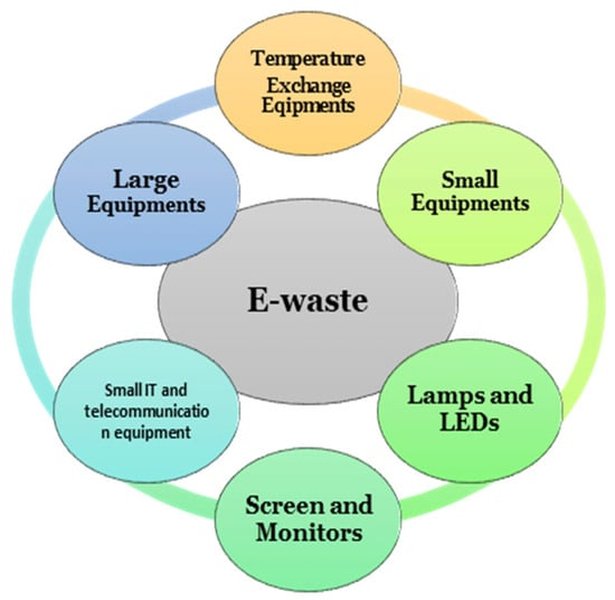
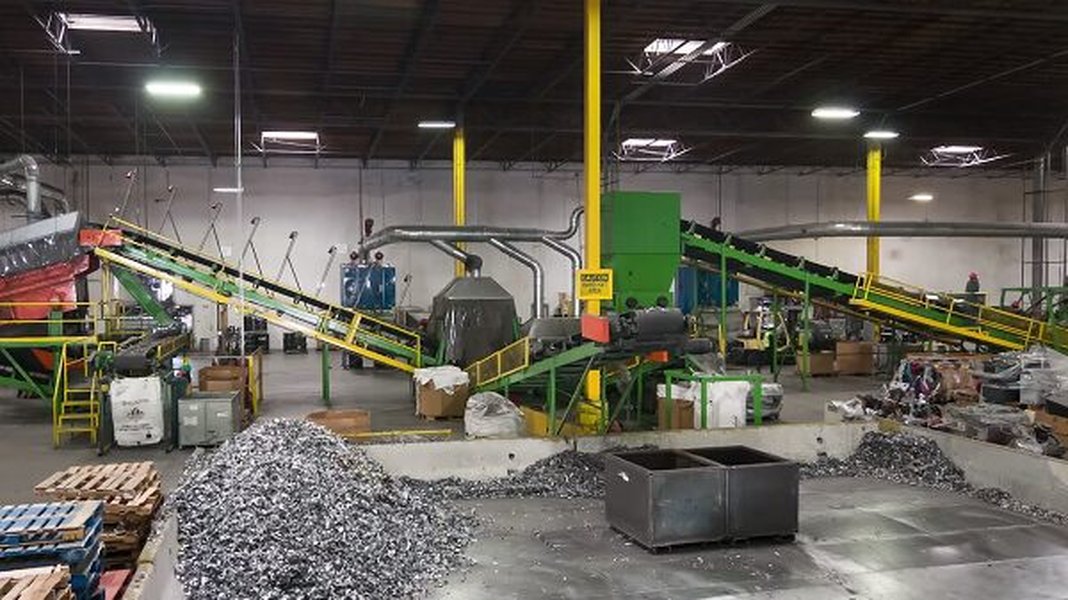
Understanding the complete lifecycle of electronic devices helps organizations develop more effective destruction proposals that address each phase appropriately.
Video Guide: Best Practices for E-Waste Disposal
This informative video provides a comprehensive overview of proper e-waste disposal methods, highlighting the importance of secure and environmentally responsible practices. It offers valuable insights into the various approaches organizations can incorporate into their e-management destruction proposals.
Frequently Asked Questions
References
- A Pocket Guide to E-Waste Disposal Methods - MLI Environmental
- E-Waste Disposal Techniques - TechReset
- E-Waste Management Process: Safe Recycling & Disposal - ECS Environment
- Popular E-waste Disposal Methods in India - EnterClimate
- E-waste Management Proposal - Prabhunath Traders
- Proposal for an e-waste management system for the United States - ResearchGate
- E-Waste Destruction Is Easier Than You Think - IntelliShred
- E-Waste Management: The Ultimate Guide - SafetyCulture
Recommended Research
Last updated April 7, 2025