
Secure Your Digital Footprint: The Complete Guide to E-Management Destruction
Revolutionizing data security through professional electronic waste management and destruction techniques
Key Benefits of E-Management Destruction
- Enhanced Data Security: Protect sensitive information through complete and irreversible destruction of data stored on electronic devices
- Regulatory Compliance: Meet legal requirements including NIST 800-88, DoD 5220.22-M, HIPAA, GDPR, and other data protection regulations
- Environmental Responsibility: Contribute to sustainability goals through proper e-waste handling and recycling of valuable materials
Understanding E-Management Destruction
E-management destruction encompasses two critical components: secure data destruction and responsible electronic waste (e-waste) management. As digital transformation accelerates across industries, the secure disposal of outdated or decommissioned electronic devices has become a crucial aspect of organizational security and environmental responsibility.
This comprehensive service ensures that all data-containing devices are properly processed to prevent unauthorized access to sensitive information while minimizing environmental impact. By introducing e-management destruction services, your organization is taking a significant step toward providing clients with complete digital lifecycle management.
The Growing Need for Secure Electronic Disposal
In today's data-driven world, organizations face increasing risks related to improper disposal of electronic devices. Simply deleting files or reformatting drives is insufficient for data security. When files are "deleted," the data often remains retrievable using readily available recovery tools. This presents significant security risks, especially for organizations handling sensitive customer information, financial data, or proprietary business intelligence.
Additionally, electronic devices contain hazardous materials that can harm the environment if improperly disposed of. Professional e-management destruction services address both security and environmental concerns by ensuring complete data elimination and proper recycling of electronic components.
Core Components of E-Management Destruction
Comprehensive Data Destruction Methods
Your e-management destruction service will likely employ several proven methods to ensure complete data elimination:
Physical Destruction
Physical destruction involves mechanically damaging storage media to render data permanently unrecoverable. This approach is considered the most secure method for highly sensitive data and end-of-life devices. Techniques include:
- Shredding: Reducing storage devices to tiny fragments (typically 2mm or smaller)
- Crushing: Using hydraulic presses to deform and damage storage platters
- Pulverization: Converting devices into powder-like particles
- Disintegration: Breaking down devices into unrecognizable pieces
Degaussing
Degaussing uses powerful magnetic fields to scramble data stored on magnetic media like traditional hard drives. This process effectively disrupts the magnetic alignment of particles on storage media, rendering previously stored data unreadable. While effective for magnetic storage, it's important to note that degaussing is ineffective on solid-state drives (SSDs), USB flash drives, and other non-magnetic storage media.
Data Wiping/Overwriting
Data wiping involves overwriting storage media with random patterns of data multiple times to ensure the original information cannot be recovered. This method follows established standards like DoD 5220.22-M or NIST 800-88, which specify the number and pattern of overwrites required. Data wiping allows devices to be reused, making it an environmentally friendly option for functional equipment.
Cryptographic Erasure
For devices that support hardware encryption, cryptographic erasure involves destroying the encryption keys, making the encrypted data permanently inaccessible. This method is particularly effective for SSDs and other flash-based storage media that may not respond well to traditional wiping methods. Cryptographic erasure is faster than overwriting but requires technical expertise to implement properly.
E-Waste Management Process
Beyond data destruction, comprehensive e-management destruction includes responsible handling of the physical devices:
Collection and Transportation
Secure collection and transportation of devices from client locations to processing facilities, maintaining a documented chain of custody throughout the process. This may include secure containers, tracked vehicles, and proper documentation.
Assessment and Inventory
Detailed cataloging of all received devices, including make, model, serial numbers, and storage capacity. This inventory provides clients with comprehensive records for compliance purposes and ensures all devices are accounted for.
Recycling and Resource Recovery
After data destruction, devices are disassembled and sorted into component materials (metals, plastics, circuit boards, etc.) for recycling. This process recovers valuable resources like gold, silver, copper, and aluminum, reducing the need for raw material extraction.
Environmental Compliance
Ensuring all processing adheres to environmental regulations, including proper handling of hazardous materials like mercury, lead, and cadmium commonly found in electronic devices.
Data Destruction Method Comparison
Different data destruction methods offer varying levels of security, cost-effectiveness, and environmental impact. The radar chart below compares these methods across six key dimensions to help clients understand the advantages of each approach:
As illustrated in the chart, each method has distinct advantages. Physical destruction offers the highest security but eliminates any possibility of device reuse. Data wiping and cryptographic erasure provide excellent balance between security and sustainability by enabling device reuse. Your e-management destruction service can help clients select the most appropriate method based on their specific security requirements, compliance needs, and sustainability goals.
E-Management Destruction Process Visualization
The following mindmap illustrates the comprehensive process involved in e-management destruction services, from initial client consultation through final reporting and certification:
This comprehensive process ensures complete security and transparency throughout the e-management destruction lifecycle. Each stage incorporates industry best practices to protect client data while maximizing environmental benefits.
Regulatory Compliance and Standards
E-management destruction services must adhere to various regulations and standards designed to protect data privacy and ensure proper handling of electronic waste. Your service will help clients meet these requirements:
| Standard/Regulation | Description | Applicable Industries |
|---|---|---|
| NIST 800-88 Rev 1 | Guidelines for Media Sanitization; defines clear categories for data sanitization (Clear, Purge, Destroy) | Government agencies, contractors, all industries handling sensitive data |
| DoD 5220.22-M | Standard for overwriting magnetic media; specifies multiple pass overwrites | Defense contractors, government agencies |
| HIPAA | Health Insurance Portability and Accountability Act; requires secure disposal of PHI | Healthcare, insurance, medical research |
| GDPR | General Data Protection Regulation; mandates proper deletion of personal data | Any organization handling EU citizens' data |
| PCI DSS | Payment Card Industry Data Security Standard; requires secure disposal of cardholder data | Financial institutions, retail, e-commerce |
| GLBA | Gramm-Leach-Bliley Act; requires financial institutions to protect consumers' personal financial information | Banking, investments, insurance |
| FACTA | Fair and Accurate Credit Transactions Act; disposal rule requires proper destruction of consumer information | Credit reporting agencies, financial institutions |
By partnering with a professional e-management destruction service, organizations can ensure they meet these regulatory requirements while minimizing administrative burden and compliance risks.
Data Destruction Equipment and Technology
Modern e-management destruction services employ specialized equipment to ensure complete data elimination. Here's a visual overview of some key technologies used in professional data destruction:
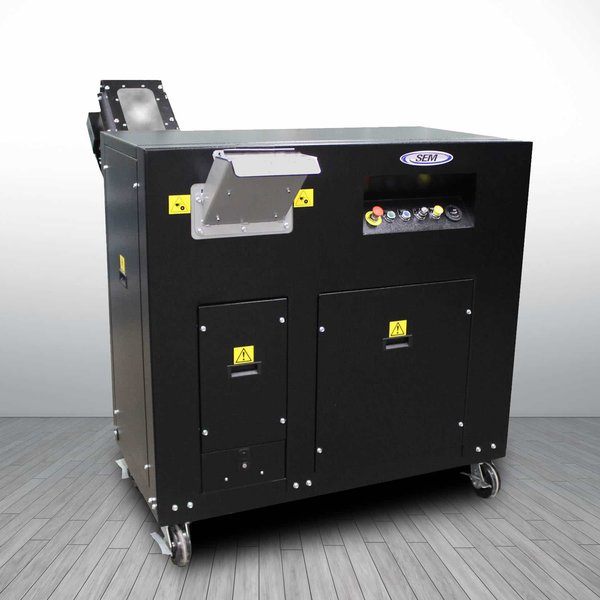
Enterprise Hard Drive Shredder - Industrial-grade equipment capable of physically destroying multiple hard drives efficiently
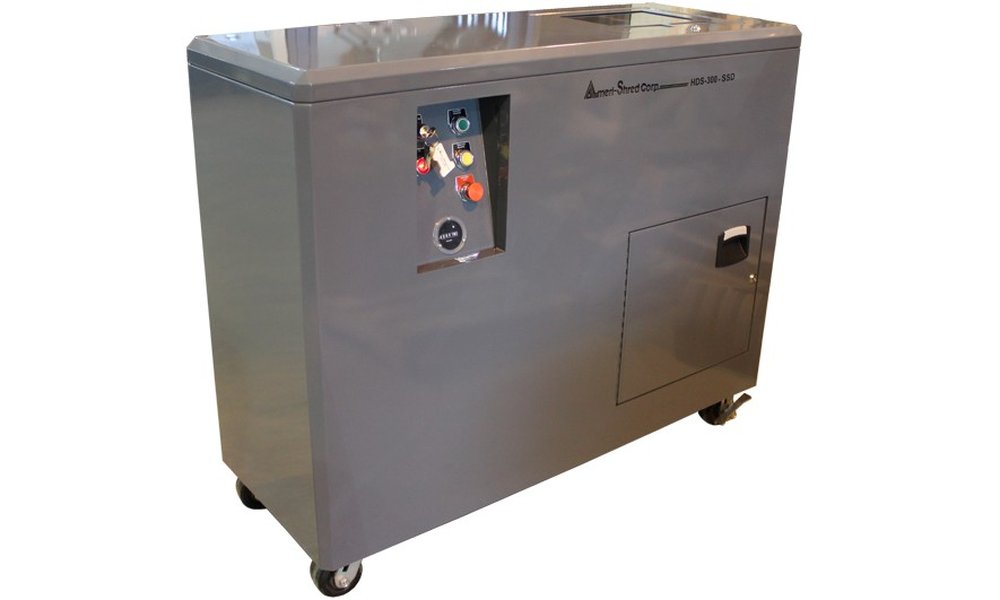
Hard Drive and SSD Shredder - Specialized equipment designed to destroy solid-state media and traditional hard drives
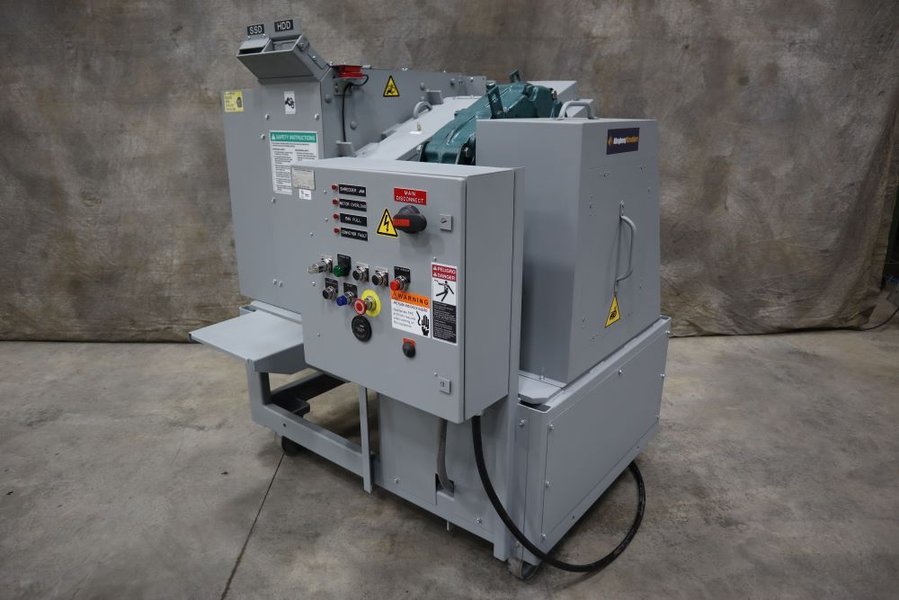
Hard Drive Destruction System - Advanced systems that ensure physical destruction meets security and compliance standards
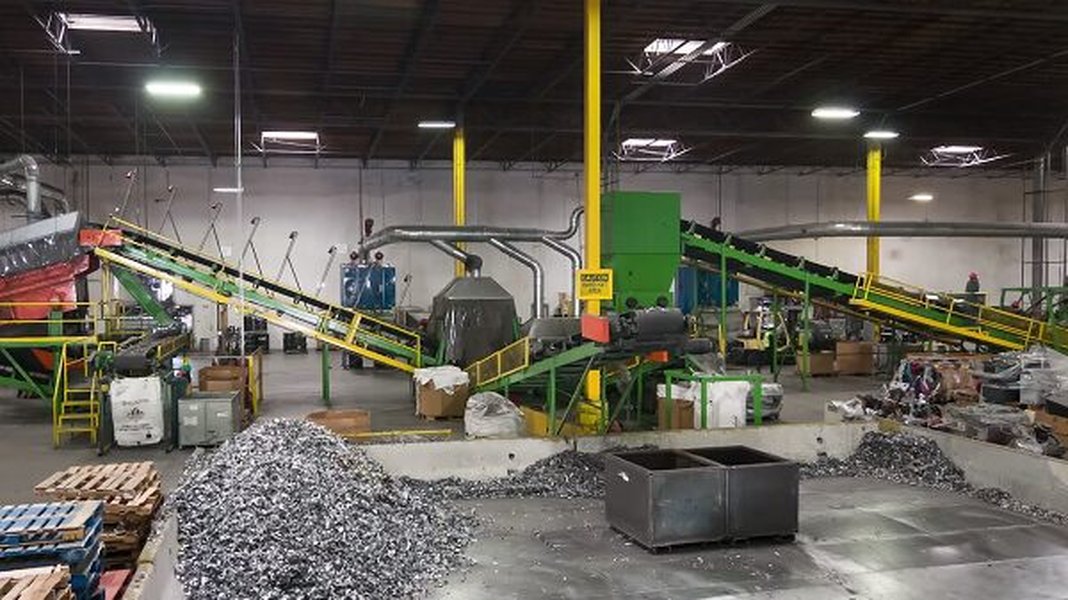
E-Waste Recycling Process - Comprehensive recycling facilities that process electronic components after data destruction
These specialized technologies ensure that your e-management destruction service can provide the highest level of security while efficiently processing large volumes of electronic devices.
Expert Insights on Data Security and E-Waste Management
The following video provides valuable insights into electronic data disposal and management from industry experts. It covers key considerations for implementing effective data destruction protocols and managing electronic waste responsibly:
This presentation by Ben Rothke, Senior Information Security Manager at Tapad, explores changes in data storage technologies and how they impact data disposal strategies. The information provided helps organizations understand the importance of comprehensive e-management destruction services in today's digital environment.
Benefits for Your Clients
By introducing e-management destruction services, you're providing significant value to your clients across multiple dimensions:
Security Benefits
- Data Breach Prevention: Eliminating the risk of data recovery from discarded devices
- Intellectual Property Protection: Ensuring proprietary information doesn't fall into the wrong hands
- Customer Data Protection: Maintaining the confidentiality of customer information throughout its lifecycle
- Corporate Security: Preventing unauthorized access to internal communications and strategic documents
Compliance Benefits
- Regulatory Adherence: Meeting legal requirements for data protection and disposal
- Audit Documentation: Providing certificates of destruction and detailed reports for auditors
- Risk Mitigation: Reducing liability associated with improper data handling
- Industry-Specific Compliance: Addressing specialized requirements for healthcare, finance, and other regulated industries
Environmental Benefits
- Reduced Landfill Waste: Keeping hazardous electronic components out of landfills
- Resource Conservation: Recovering valuable materials like gold, silver, copper, and aluminum
- Reduced Carbon Footprint: Minimizing the environmental impact of electronic disposal
- Sustainability Reporting: Providing data for corporate sustainability initiatives and reporting
Business Benefits
- Cost Efficiency: Minimizing the risk of data breaches, which average $4.45 million per incident (2023 data)
- Brand Protection: Maintaining reputation by preventing data breaches from improperly disposed devices
- Corporate Social Responsibility: Demonstrating commitment to environmental sustainability
- Operational Efficiency: Streamlining the decommissioning process for IT assets
Frequently Asked Questions
References
- Data Destruction Services - Professional Data Protection Solutions
- Data Destruction Services - CyberCrunch
- Data Destruction Methods and Best Practices - RecordPoint
- Data Destruction Services - ERI Direct
- Different Types of Data Destruction Methods - Dataspan
- Hard Drive Destruction Services - Shred-it
- Industry Guide to Data Destruction - Evernex
- Current Data Destruction Standards - CompuCycle
Recommended Searches
Last updated April 7, 2025