
Comparing a Classroom of Students and a Workshop Full of Machinery
Exploring the Structured World of Academics and the Dynamic Realm of Practical Skills
Key Insights
- Distinct Learning Environments: Classrooms focus on theoretical instruction while workshops emphasize hands-on skills.
- Interaction and Engagement: Classrooms promote structured exchange through lectures and discussions; workshops foster collaboration through practical work and experimentation.
- Objectives and Safety: Academic setups shape critical thinking and conceptual understanding, whereas workshops concentrate on skill development under strict safety protocols.
Introduction
In modern education and skill development, understanding the differences between a classroom of students and a workshop full of machinery is crucial. Each setting plays a pivotal role in fostering learning and competency in its unique way. This comprehensive comparison will delve into the structure, objectives, interactions, learning styles, and safety considerations that distinguish a traditional classroom setting from a machinery-intensive workshop. Drawing from multiple perspectives, the discussion will provide a full view of each environment’s distinct attributes and their respective contributions to education.
Environment and Structure
Classroom Setup
A classroom environment is typically characterized by a controlled, well-organized space dedicated to academic learning. Seating arrangements such as rows or clusters facilitate a structured flow of lectures and discussions. Key elements of a classroom include:
- Seating and Layout: Desks, chairs, and whiteboards or projectors that enable an organized approach to content delivery.
- Scheduling and Curriculum: Carefully planned timetables that follow an academic curriculum, with set periods for instruction, discussion, and assessments.
- Theoretical Focus: Emphasis on theoretical learning, conceptual discussions, and intellectual exchanges that build critical thinking skills.
Workshop Environment
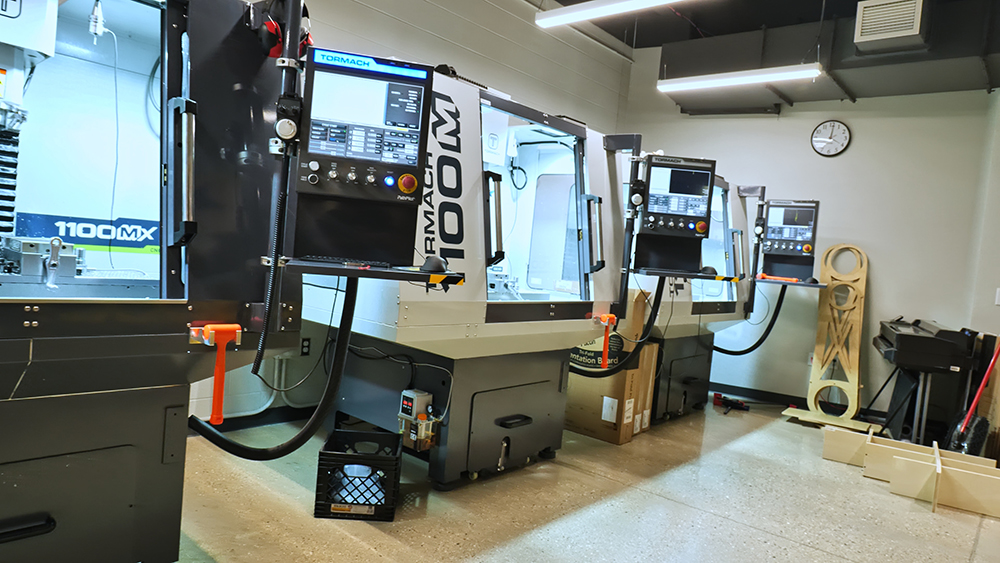
In contrast, a workshop is designed with a focus on practical application and hands-on learning. Instead of rows of desks, workshops are spaces outfitted with various machinery and tools that allow students or workers to engage directly with materials. Characteristics of a workshop environment include:
- Physical Layout: Open or segmented spaces arranged to facilitate movement, access to different tools, and collaborative work areas.
- Interactive Stations: Dedicated areas where machinery and equipment – from hand tools to specialized computer-aided design (CAD) systems – are accessible for direct use.
- Flexibility in Learning: Unlike the rigid scheduling of classrooms, workshops often allow flexible, self-paced learning where the design of projects may vary to suit personal needs or group objectives.
Learning Experience
Academic and Theoretical Focus in Classrooms
The classroom is traditionally associated with the transmission of knowledge through a theoretical framework. Here, learning is largely driven by lectures, discussions, readings, and written assignments. The methods employed include:
- Lectures and Discussions: Teachers offer insights through formal teaching sessions, which provide students with a deep understanding of the subject matter.
- Examinations and Quizzes: Assessment is largely based on written tests, helping gauge a student’s understanding of theoretical concepts.
- Collaborative Learning: Though interactions may be structured and sometimes limited to teacher-student dynamics, modern classrooms are increasingly embracing group discussions and collaborative projects to enhance learning outcomes.
Hands-On Skill Development in Workshops
Workshops offer a radically different learning experience compared to traditional classrooms. The primary focus here is on learning through doing. In workshops, students or trainees actively engage with machinery and technology to build tangible skills. Essential elements of workshops include:
- Practical Application: Direct exposure to tools and machines allows students to practice skills in real time, fostering rapid learning through doing.
- Project-Based Learning: Emphasis on creating or repairing objects, which helps reinforce the application of theoretical concepts in a real-world context.
- Interactive Collaboration: Students work together, leveraging collective problem-solving skills, sharing innovative ideas, and learning by observation and practice.
- Adaptive and Flexible Learning Pathways: The open-ended nature of workshops often encourages self-directed projects, thereby enabling learners to explore subjects at their own pace.
Interaction and Engagement
Interpersonal Dynamics in Classrooms
Interaction in classrooms is typically led by the teacher. This can include a mixture of didactic teaching, moderated classroom discussions, and occasional group work, promoting a disciplined environment for intellectual growth. Although the focus remains on knowledge acquisition, many classrooms now integrate interactive technologies that boost engagement.
Collaborative and Immersive Engagement in Workshops
Workshops, by their very nature, encourage high levels of engagement and collaborative learning. As students work side-by-side, they are encouraged to:
- Share Practical Insights: Learners exchange hands-on techniques and best practices, building a collective knowledge pool.
- Assist in Problem-Solving: Practical tasks often require immediate troubleshooting, which enhances collaborative problem-solving skills.
- Transition from Observer to Practitioner: Engagement is not limited to passive observation; every participant is actively involved, giving them the confidence to experiment and innovate.
Objectives and Outcomes
Academic Goals in the Classroom
The primary objective of a classroom is to build a strong foundation of theoretical knowledge. This environment is suited for:
- Conceptual Mastery: Students are guided to understand concepts in-depth, which often forms the basis for higher-level cognitive skills such as analysis and synthesis.
- Critical Thinking: Structured debates, essays, and written examinations challenge students to develop reasoned arguments and critique ideas effectively.
- Assessment through Defined Metrics: Evaluation typically consists of standardized tests, quizzes, and assignments that measure cognitive understanding and retention.
Skill Acquisition in Workshops
In workshops, the focus shifts from theory to practice. The emphasis is on acquiring technical skills and applying knowledge in tangible ways:
- Hands-On Proficiency: Workshops are designed to help learners acquire practical skills by working with machinery and equipment, transforming abstract ideas into practical know-how.
- Real-World Application: Projects in workshops often lead to the creation of physical objects or prototypes, providing immediate and visible results for learners.
- Performance-Based Assessment: Evaluation is based on the successful demonstration of skills, often through completed projects or practical tests.
Safety Considerations
Risk Management in Classrooms
Classrooms are generally safe learning environments with limited inherent hazards. Safety measures are straightforward, including:
- Basic Safety Protocols: Guidelines related to evacuation during emergencies, proper use of school facilities, and maintaining decorum.
- Low Exposure to Hazardous Materials: The academic content usually does not involve dangerous equipment, thereby minimizing the risks associated with the learning environment.
Enhanced Safety Measures in Workshops
In workshops, safety is paramount due to the presence of high-powered machinery and potentially dangerous tools. Safety protocols in workshops include:
- Comprehensive Training: Before engaging with any machinery, learners must undergo thorough safety training to understand proper operating procedures.
- Protective Gear: Mandatory use of personal protective equipment (PPE) such as goggles, gloves, and ear protection.
- Supervised Use: Experienced instructors or technicians are present to supervise and assist in the correct usage of machinery, reducing the risk of accidents.
- Emergency Protocols: Workshops maintain detailed emergency response plans to handle potential mishaps involving machinery or materials.
Comparative Table
| Aspect | Classroom | Workshop |
|---|---|---|
| Learning Focus | Theoretical knowledge and academic concepts | Practical skills and hands-on application |
| Environment | Structured, fixed seating, scheduled classes | Flexible layout with machinery, interactive workstations |
| Interaction | Teacher-led lectures and controlled discussions | Collaborative projects, real-time troubleshooting, peer-to-peer learning |
| Assessment | Written tests, quizzes, assignments | Practical projects, demonstrations, performance-based evaluation |
| Safety | Basic safety guidelines and classroom protocols | Strict safety training, use of PPE, supervised activities |
| Objective | Concept mastery and critical thinking | Skill development and application in real-world scenarios |
Pedagogical Implications
Classroom-Based Education
Traditional classroom settings have long been the backbone of formal education. Their structured nature provides a stable platform for academic enrichment, where theoretical understanding and cognitive skills are cultivated through meticulous planning, scheduled lectures, and systematic assessments. The teacher-driven approach ensures that concepts are explained in detail, and students are encouraged to question and debate to deepen their understanding. Moreover, classrooms often serve as social environments where diverse opinions converge, fostering critical thinking and intellectual growth.
Workshop-Oriented Learning
Workshop environments represent a complementary approach, particularly effective in fields that demand technical expertise and practical problem-solving abilities. They empower students to transition seamlessly from theory to practice. In workshops, learners not only observe but also perform the tasks themselves, which can significantly accelerate mastery of technical skills. The immediate feedback obtained through direct interaction with machinery facilitates adaptive learning where practical mistakes become instructive experiences. Additionally, the collaborative nature of workshops reinforces community learning, encouraging creative problem solving and innovation.
Real-World Applications
Educational and Training Programs
Both classrooms and workshops serve distinct yet complementary roles in the ecosystem of education and professional training. In academic institutions, the curriculum is often an integration of both theoretical learning in classrooms and practical application in workshops or laboratories. For instance, engineering programs combine lecture-based instruction with lab experiments or workshop sessions, ensuring that graduates not only understand the underlying principles but are also adept at applying them in real-world contexts.
Industry and Skill Development
In industries ranging from manufacturing to construction, workshops play an essential role in upskilling the workforce. Companies increasingly invest in workshop-like training programs to ensure that their employees remain proficient in the latest techniques and machinery. Such training environments facilitate continuous learning, quick adaptation to technological advancements, and the development of specialized skills that are often beyond the scope of classroom education.
Comparative Analysis Summary
Key Differentiators
The juxtaposition between a classroom of students and a workshop filled with machinery is essentially a contrast between theoretical instruction and practical application. In classrooms, the emphasis is on the dissemination of knowledge, fostering a culture of inquiry and intellectual debate. In contrast, workshops are innovation labs where concrete skills are refined through hands-on experiences, real-time problem-solving, and active collaboration. While the academic environment builds the intellectual framework, the workshop setting equips students with the skills necessary for real-world implementation. This synergy is vital, as many educational programs today integrate both environments to provide a holistic learning experience.
References
- The 7 Biggest Differences Between Online Learning vs Classroom Learning - Oreed
- Course vs Workshop: Understanding the Differences - Kinfolk Tech
- What is a Workshop? - UFAQS
- The Use of Specific Machinery and Equipment by Students in School Workshops - Design Technology
- 10 Essential DT Workshop Equipment & Machinery - Learning Space Solutions
Recommended Related Queries
Last updated March 20, 2025