
Unlock a Calmer You: Master the Art of Post-Work Rejuvenation
Discover effective strategies to shed work stress and cultivate tranquility after a demanding day.
Leaving the pressures of work behind can be challenging, but intentionally de-stressing is crucial for your mental, emotional, and physical well-being. A stressful workday doesn't have to dictate your evening. By incorporating specific practices, you can effectively transition from a high-pressure work environment to a state of relaxation and peace, improving your overall quality of life and preparing you for the days ahead.
Essential De-Stressing Highlights
- Embrace Movement & Mindfulness: Engaging in physical activity, even a short walk, releases mood-boosting endorphins, while mindfulness and meditation calm the nervous system, anchoring you in the present.
- Cultivate Creative & Sensory Sanctuaries: Hobbies, music, or a warm bath can shift your focus and soothe your senses, creating a much-needed mental break from work-related thoughts.
- Establish Transition Rituals & Tech Boundaries: Consciously marking the end of your workday and disconnecting from screens helps create a psychological divide between professional responsibilities and personal time.
Revitalize Your Mind and Body
After a long day, your mind and body crave release from accumulated tension. Several active and mindful approaches can help you achieve this, fostering a sense of calm and rejuvenation.
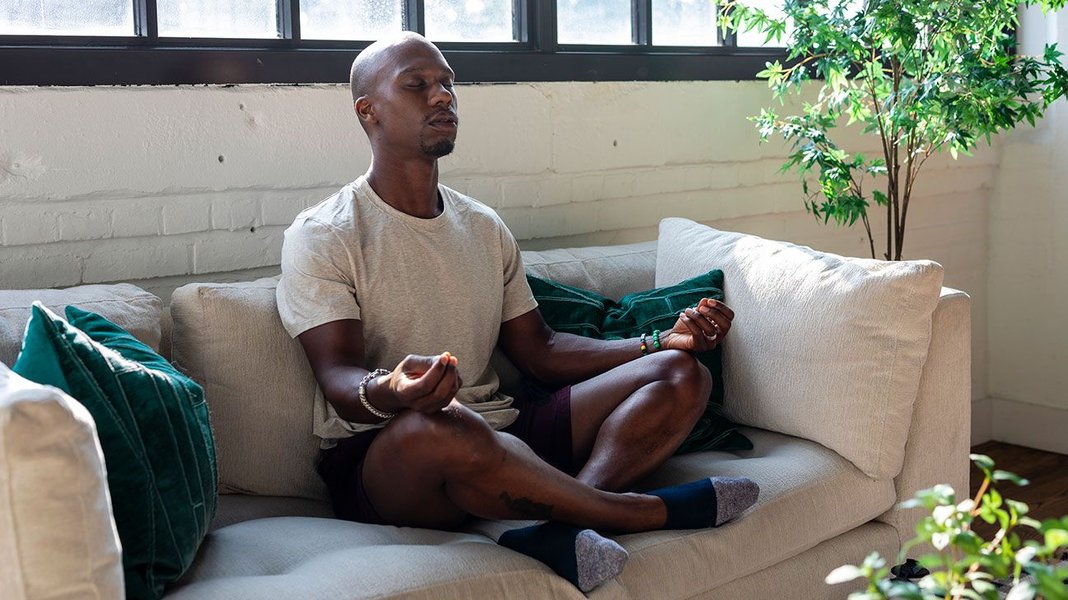
A few moments of meditation can significantly reduce stress and improve focus.
Ignite Energy with Physical Activity
The Power of Movement
Physical exercise is a potent stress reliever. It stimulates the production of endorphins, natural mood lifters, and can help reduce levels of stress hormones like adrenaline and cortisol. You don't need an intense workout; even moderate activity can make a difference.
- Walking or Jogging: A brisk walk or a light jog, especially outdoors, can clear your head, improve circulation, and provide a change of scenery.
- Yoga or Tai Chi: These practices combine physical postures, breathing techniques, and meditation to promote relaxation and flexibility.
- Stretching: Gentle stretching can relieve muscle tension built up from sitting at a desk or performing repetitive tasks.
- Dancing: Putting on some music and dancing freely can be a joyful way to release pent-up energy.
Cultivate Calm with Mindfulness and Meditation
Anchoring in the Present
Mindfulness and meditation are powerful tools for quieting a racing mind and reducing anxiety. These practices involve focusing your attention on the present moment without judgment.
- Guided Meditations: Numerous apps and online resources offer guided meditations tailored for stress relief.
- Mindful Breathing: Simply focusing on the sensation of your breath entering and leaving your body for a few minutes can activate the body's relaxation response, slowing your heart rate and lowering blood pressure.
- Body Scan Meditation: This involves bringing awareness to different parts of your body, noticing any sensations without trying to change them, which can help release physical tension.
Crafting Your Personal Haven: Environment and Rituals
Transforming your personal space and establishing clear boundaries between work and leisure are fundamental to effective de-stressing. Small changes can make a big impact on your ability to unwind.
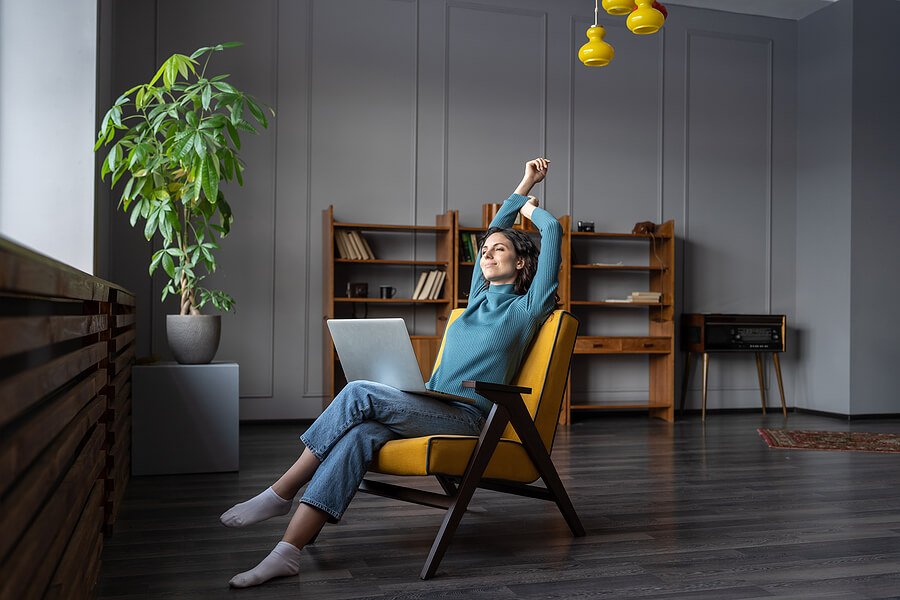
Creating a serene home atmosphere helps in transitioning from work mode to relaxation.
The Importance of a Transition Ritual
Signaling the End of the Workday
A transition ritual is a simple habit or a set of actions that signals to your brain that the workday is over and it's time to switch off. This psychological cue can be incredibly effective in helping you detach from work stressors.
- Change Your Clothes: Swapping work attire for comfortable clothing can physically and mentally separate you from your professional role.
- Tidy Your Workspace: If you work from home, putting away your laptop and work materials can create a sense of closure.
- A Short Walk: A brief walk around the block can serve as a buffer between work and home life.
- Listen to Specific Music: Playing a particular song or playlist can signify the shift in your day.
Designing a Relaxing Home Environment
Your Sanctuary for Peace
Your home should be a refuge from the stresses of the outside world. Consider these elements to enhance its calming qualities:
- Declutter: A tidy space can lead to a calmer mind.
- Soothing Colors: Incorporate colors known for their calming effects, like blues, greens, and soft neutrals.
- Natural Light and Plants: Maximize natural light and add indoor plants, which can improve air quality and mood.
- Aromatherapy: Use essential oils like lavender, chamomile, or sandalwood in a diffuser to create a relaxing ambiance.
Embracing a Tech-Free Period
Digital Detox for Mental Clarity
Constant connectivity can keep your brain in work mode. Designating tech-free times, especially in the evening, allows your mind to rest and recover. Avoid checking work emails or engaging in stimulating social media before bed. This break can improve sleep quality and reduce feelings of being overwhelmed.
Engaging Your Senses and Unleashing Creativity
Diverting your attention to enjoyable and absorbing activities can be a delightful way to de-stress. Engaging your senses and creativity helps shift your focus away from work worries and into a more relaxed state.
The Soothing Power of Sound
Music and Nature's Symphony
Listening to music can have a profound effect on your mood and stress levels. Calming tunes, classical music, ambient sounds, or even your favorite upbeat playlist can help you unwind. Nature sounds, such as rain, waves, or birdsong, are also known for their relaxing properties.
Unleashing Your Inner Artist: Creative Hobbies
Finding Flow and Fulfillment
Engaging in creative activities can be incredibly therapeutic. They allow for self-expression and can induce a state of "flow," where you become fully immersed in the activity, letting go of stress.
- Arts and Crafts: Painting, drawing, knitting, pottery, jewelry making, or coloring in adult coloring books.
- Playing a Musical Instrument: Losing yourself in melody and rhythm.
- Writing: Journaling, creative writing, or poetry.
- Cooking or Baking: The process of creating something delicious can be both mindful and rewarding.

Exploring hobbies is a fantastic way to divert your mind and find joy post-work.
The Joy of Reading
Escapism Through Stories
Getting lost in a good book can be a wonderful way to escape from daily pressures. Choose genres that you find enjoyable and relaxing, whether it's fiction, biography, or lighthearted reads, rather than material that might induce more stress.
Comparative Effectiveness of De-Stressing Strategies
Different de-stressing techniques offer varying benefits and suit different needs and preferences. The radar chart below provides an illustrative comparison of several categories of de-stressing activities based on factors like stress reduction potential, ease of access, and mood enhancement. This is a subjective assessment to help you consider which types of activities might align best with your lifestyle.
This chart visualizes how different categories of de-stressing activities might score on various metrics. For instance, 'Physical Activity' scores high on 'Stress Reduction Potential' and 'Physical Revitalization', while 'Mindfulness & Meditation' excels in 'Long-Term Benefits' and requires less 'Time Investment' (higher score means less time). Consider these aspects when choosing activities that fit your lifestyle and de-stressing goals.
Processing Emotions and Fostering Connections
Effectively managing post-work stress also involves processing your day's experiences and nurturing your social well-being. These practices can provide comfort, perspective, and emotional release.
The Therapeutic Power of Journaling
Putting Thoughts to Paper
Journaling offers a private space to explore your thoughts and feelings. Writing about your day, challenges, successes, or things you're grateful for can help you process emotions, gain clarity, and let go of negativity. It doesn't need to be structured; even a few minutes of free-writing can be beneficial.
The Strength of Social Connection
Sharing and Supporting
Connecting with friends, family, or loved ones can be a powerful antidote to stress. Talking about your day (if you wish), sharing a laugh, or simply enjoying someone's company can provide emotional support, reduce feelings of isolation, and shift your perspective. This could be a phone call, a video chat, or spending quality time in person.
Physical Comfort: Warm Baths and Showers
Soothing Aches and Calming Nerves
A warm bath or shower can do wonders for relieving physical tension and calming the nervous system. The warmth helps relax muscles, and you can enhance the experience with Epsom salts, essential oils, or bath bombs. This simple ritual can be a peaceful end to a demanding day.
Visualizing Your De-Stressing Toolkit
To help you conceptualize the variety of options available for unwinding after work, the mindmap below illustrates key categories of de-stressing techniques and specific examples within each. This can serve as an inspiration board for building your personalized de-stressing routine.
This mindmap provides a visual overview of the diverse strategies you can employ to de-stress. The central theme, "De-Stressing After Work," branches out into primary categories like "Mind & Body Rejuvenation" and "Creating a Sanctuary," which further subdivide into specific, actionable techniques. Use this as a guide to explore and combine methods that resonate with you.
De-Stressing Techniques at a Glance
To further clarify your options, the table below summarizes several effective de-stressing techniques, offering a brief description, key benefits, and an estimated time investment. This can help you quickly identify activities that fit into your evening schedule.
| Technique | Brief Description | Key Benefit(s) | Time Investment | Example |
|---|---|---|---|---|
| Exercise | Engaging in physical movement. | Reduces stress hormones, boosts mood, improves sleep. | Low to High (10 mins - 1+ hour) | A 20-minute brisk walk. |
| Meditation/Deep Breathing | Focusing attention to achieve mental clarity and calm. | Lowers heart rate, reduces anxiety, improves focus. | Low (5 - 20 mins) | 5 minutes of mindful breathing. |
| Journaling | Writing down thoughts and feelings. | Processes emotions, gains perspective, reduces rumination. | Low (10 - 15 mins) | Writing three things you're grateful for. |
| Creative Hobbies | Engaging in artistic or craft-based activities. | Promotes flow state, provides distraction, sense of accomplishment. | Medium to High (30 mins - 1+ hour) | Spending 45 minutes painting or knitting. |
| Socializing | Connecting with friends or family. | Provides emotional support, reduces isolation, shifts focus. | Medium to High (30 mins - 1+ hour) | A call with a friend or dinner with family. |
| Warm Bath/Shower | Immersing in warm water. | Relaxes muscles, calms nervous system, signals relaxation. | Low to Medium (15 - 30 mins) | A 20-minute warm bath with Epsom salts. |
| Reading | Engaging with a book for pleasure. | Provides mental escape, cognitive relaxation, reduces stress. | Medium (20 - 40 mins) | Reading a chapter of a novel. |
| Tech Detox | Disconnecting from electronic devices. | Reduces mental stimulation, improves sleep, aids presence. | Medium to High (1+ hour) | No screens for an hour before bed. |
| Transition Ritual | A specific routine to mark the end of work. | Creates psychological separation, signals relaxation time. | Low (5 - 15 mins) | Changing clothes and listening to a specific song. |
Inspiration for Your Evening Wind-Down
Sometimes, seeing how others manage their post-work relaxation can provide valuable ideas. The video below shares personal insights and habits for de-stressing and practicing self-care after a busy workday. It offers practical examples that you might find useful for crafting your own evening routine.
This video, titled "How I destress and relax after a busy work day | Self Care Habits," explores various self-care practices that can be integrated into your after-work schedule. It emphasizes the importance of setting aside dedicated time for relaxation and showcases different activities that contribute to mental and physical well-being. Watching this might spark ideas for rituals that resonate with your personal preferences and help you effectively disconnect from work stress.
Frequently Asked Questions (FAQ)
Recommended Further Exploration
If you're interested in delving deeper into related topics, consider these queries:
- How can I establish a consistent evening routine for better sleep?
- What are the long-term health benefits of regular mindfulness practice?
- Explore creative hobbies that are known to reduce anxiety.
- What are effective strategies for managing stress when working from home?
References
Last updated May 9, 2025