
Ancient Egyptian Reverence for Cats
Exploring the deep cultural, spiritual, and practical bonds between Egyptians and felines
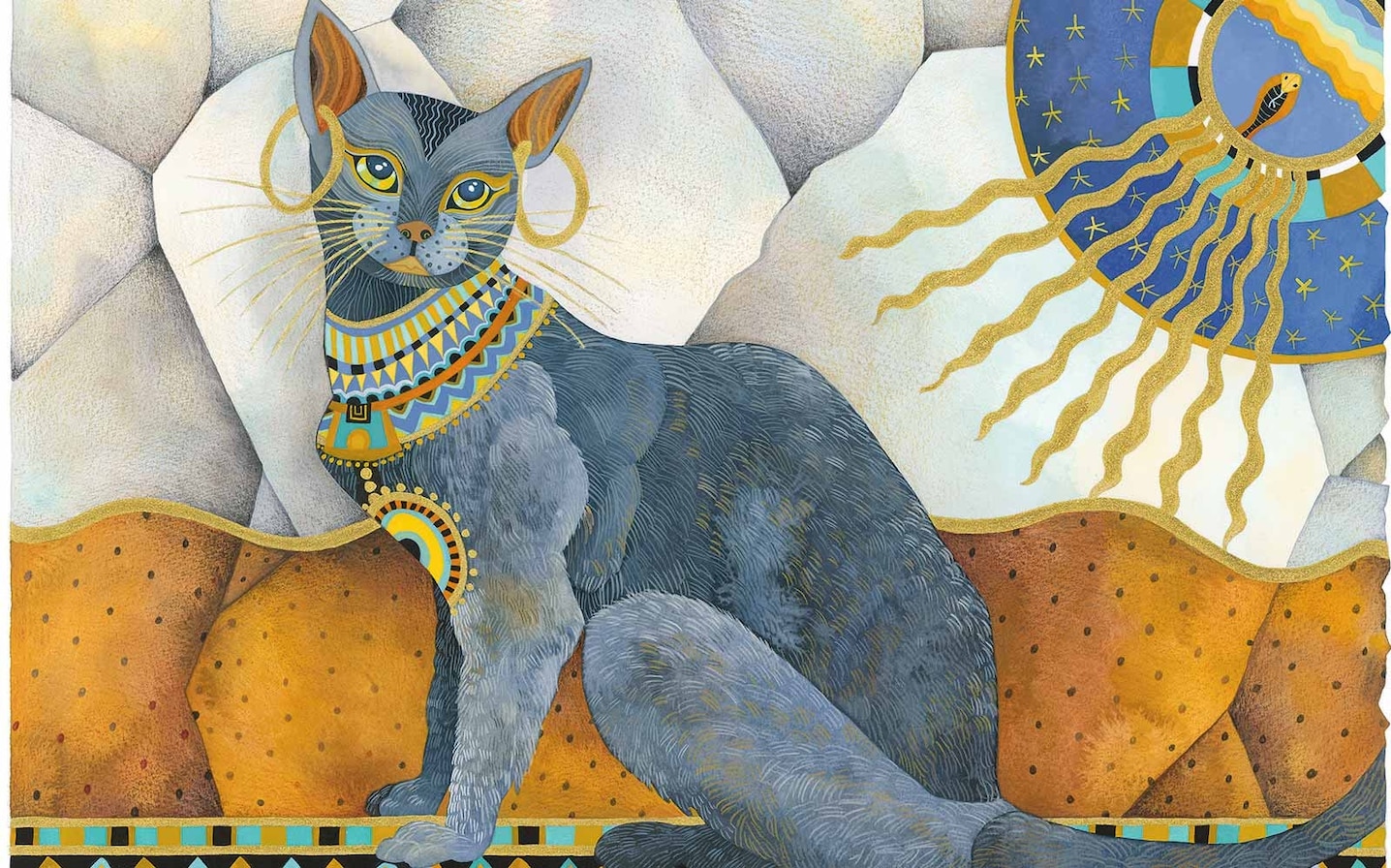
Key Insights
- Pest Control and Agricultural Protection: Cats were invaluable allies in protecting precious grain supplies and homes.
- Divine Association and Mythology: Linked to deities like Bastet, cats symbolized fertility, protection, and spiritual safeguarding.
- Cultural and Symbolic Significance: Beyond practicality, the grace and independence of cats captured the hearts of Egyptians, enriching art, literature, and daily life.
Practical Contributions: Pest Control & Daily Utility
Guardians of Agriculture and Homes
One of the most tangible reasons for the veneration of cats in ancient Egypt was their critical role in maintaining food supplies. Agriculture and grain storage were the lifelines of the Egyptian economy, and the fertile valley alongside the Nile was central to sustaining large populations. Cats provided essential pest control by hunting rodents and other vermin that threatened these vital resources. Their swift and stealthy nature allowed them to effectively curb infestations, ensuring that the granaries and homes remained safe from species that could potentially devastate edible stocks. This practical usefulness elevated their status, making them indispensable to both rural farmers and urban households alike.
Divine Associations and Spiritual Beliefs
Symbols of the Gods
Beyond their utility, cats occupied a sacred spot in the realm of spirituality and myth. One of the most influential deities linked to felines was Bastet, the goddess often depicted either as a lioness or as a woman with the head of a cat. Bastet was revered as the guardian of home, fertility, and domesticity. The presence of the feline form in the iconography was not accidental: it symbolized both nurturing affection and a formidable spirit to ward off evil. Indeed, cats were considered vessels of divine energy, believed to carry the essence of the gods and serve as mediators between the divine world and everyday life.
Association with Symbolic Deities
Alongside Bastet, other deities such as Mafdet and Sekhmet also shared attributes with cats. While Bastet celebrated the dual nature of gentleness and protection, Mafdet embodied swift justice and defense against venomous threats. Sekhmet, often represented as a lioness, though more aggressive in her demeanor, underscored the protective and punitive aspects of divine retribution when order was threatened. This rich tapestry of divine associations amplified the spiritual importance of cats, intertwining their physical presence with symbolic meanings reserved for the gods themselves.
Sacred Rituals and Afterlife Beliefs
The reverence for cats extended into the rituals linked with death and the afterlife. Egyptians believed that cats, like many cherished animals, carried a part of the divine spirit. When a cat died, families would demonstrate profound mourning, sometimes even shaving their eyebrows as a display of grief. The practice of mummification wasn’t limited to humans alone; thousands of cat mummies have been discovered in tombs, often found buried with their owners or as votive offerings to the gods. Such rituals underscore how the Egyptians perceived the lives of cats as an extension of the cosmic order, reinforcing the idea that cats were essential to maintaining harmony between the mortal world and the spiritual realm.
Cultural and Aesthetic Appreciation
Art, Literature, and Daily Life
Cats were deeply ingrained in the cultural narrative of ancient Egypt, celebrated not only for their practical contributions but also their inherent grace and charm. Their sleek movements and elegant demeanor inspired countless depictions in art and literature. From tomb paintings and pottery to sculptures and jewelry, depictions of cats abound, each capturing their mysterious allure and symbolic beauty. This artistic legacy highlights how Egyptian society celebrated the unique qualities of cats as not merely utilitarian creatures but as beings of beauty worthy of admiration and reverence.
Emblems of Independence and Strength
Cats were admired for their self-reliance and adaptability—traits highly valued in Egyptian society. Their independence served as a model of resilience, an embodiment of survival skills perfected over millennia in the harsh deserts surrounding the Nile. This natural independence, combined with their subtle, almost enigmatic behaviors, garnered an image of strength and mystery that has captivated humanity through the ages.
A Comprehensive Overview: Reasons Behind the Reverence
The love and respect ancient Egyptians had for cats can be understood as a synergistic blend of practical necessity, spiritual symbolism, and cultural pride. The practical use of cats in maintaining food safety and pest resistance was foundational, while their connection to a pantheon of powerful deities transformed them into sacred embodiments of cosmic order. Moreover, the aesthetic and independent traits of cats resonated with the Egyptian ideal of natural beauty and balance.
| Aspect | Explanation | Cultural Impact |
|---|---|---|
| Pest Control | Essential for protecting grain stores and homes from rodents, ensuring food security. | Praised as guardians, making them integral to both urban and rural life. |
| Divine Symbolism | Associated with goddesses like Bastet, Mafdet, and Sekhmet for protection and justice. | Empowered religious beliefs, created sacred rituals, and influenced art and literature. |
| Afterlife Beliefs | Mummification and burial practices highlighted their spiritual role, connecting life to the afterlife. | Seen as guides and protectors in the journey beyond death. |
| Cultural Symbol | Admired for their elegance, independence, and mysterious demeanor. | Featured prominently in art, literature, and everyday narratives, enhancing social status. |
| Companionship | Kept as pets by the elite, symbolizing wealth and prestige. | Encouraged strong emotional bonds and mutual respect between humans and cats. |
Legacy and Continued Fascination
Modern Resonance
The ancient Egyptian reverence for cats has left a lasting legacy in modern times. Today, the mystique connected with these venerable creatures continues to fascinate people across the globe. From art and popular culture to scientific research, the respect once reserved for cats by the ancients still informs contemporary attitudes towards pet care, animal rights, and even spirituality. Their portrayal in modern media often draws on the ancient narratives that depict cats as both powerful protectors and enigmatic companions, making them perennial subjects of admiration and inquiry.
References
- The Worship of Bastet, the Cat Goddess - The Archaeologist
- How Cats Became Divine Symbols in Ancient Egypt - History
- Ancient Egyptians Revered Cats for Divine Energy - HowStuffWorks
- Cats, Bastet and Worship of Feline Gods - ARCE
- Why Ancient Egyptians Loved Cats So Much - JSTOR Daily
Recommended Searches
Last updated March 21, 2025