
Unveiling the Shocking Truth: Electrical Incident Statistics in Manufacturing
A data-driven look at the frequency, causes, and impact of electrical hazards within the manufacturing sector.
Key Insights on Manufacturing Electrical Safety
- Significant Risk Sector: Manufacturing consistently ranks among the industries with the highest risk for electrical incidents, contributing significantly to annual workplace fatalities and injuries.
- Non-Electrical Workers at High Risk: A striking 74% of workplace electrical fatalities occur among employees not primarily working in electrical occupations, highlighting a critical need for broad safety awareness.
- Prevalent Hazards Persist: Despite safety improvements, issues like Lockout/Tagout (LOTO) violations, contact with overhead power lines, and arc flash events remain major contributors to incidents.
The Landscape of Electrical Hazards in Manufacturing
Understanding the Scope and Nature of Risks
Manufacturing environments, characterized by complex machinery, high-energy systems, and sometimes hazardous materials, present unique and significant electrical safety challenges. Electrical incidents, ranging from minor shocks to catastrophic arc flashes and fatal electrocutions, pose a constant threat to worker well-being and operational continuity. Understanding the statistical reality of these incidents is crucial for developing effective safety protocols and mitigating risks.
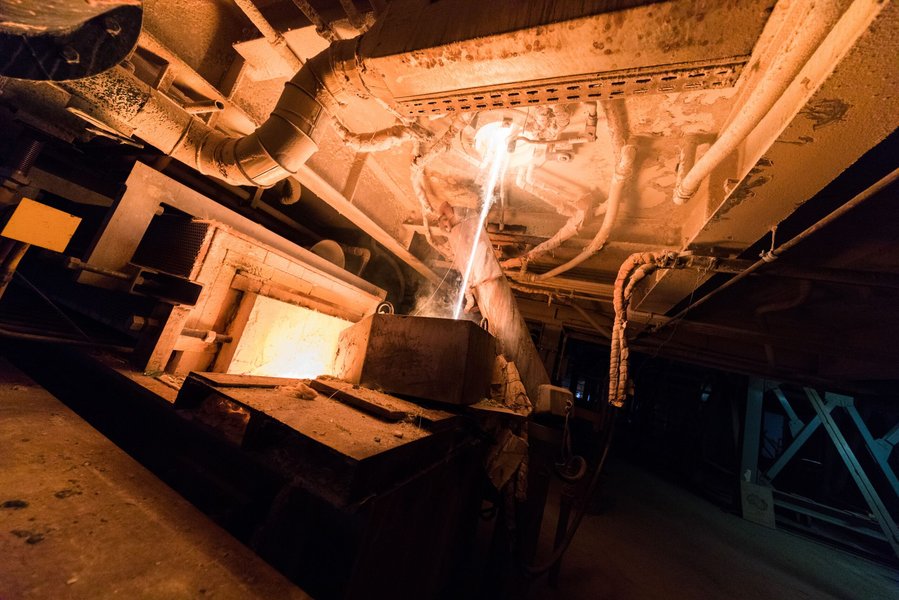
Manufacturing facilities often involve complex electrical systems powering heavy machinery.
Frequency of Electrical Incidents: Fatalities and Injuries
Annual Fatality Statistics
Across all U.S. industries, approximately 150 workplace electrical fatalities occur each year, according to data compiled by organizations like the Electrical Safety Foundation International (ESFI) using Bureau of Labor Statistics (BLS) figures (2011-2023). Manufacturing facilities, classified under "industrial premises," are significant contributors to this total, accounting for roughly 28% of all worker fatalities involving electricity.
Non-Fatal Injuries
Beyond fatalities, non-fatal electrical injuries represent a substantial concern. Annually, around 350 electrical-related injuries (requiring days away from work) are reported nationwide. While potentially underreported, these incidents, including shocks and burns, frequently occur in manufacturing settings due to interactions with energized equipment or faulty wiring. Arc flash events alone contribute significantly, with some estimates suggesting tens of thousands of such accidents occur yearly in U.S. manufacturing, particularly in electrical product manufacturing.
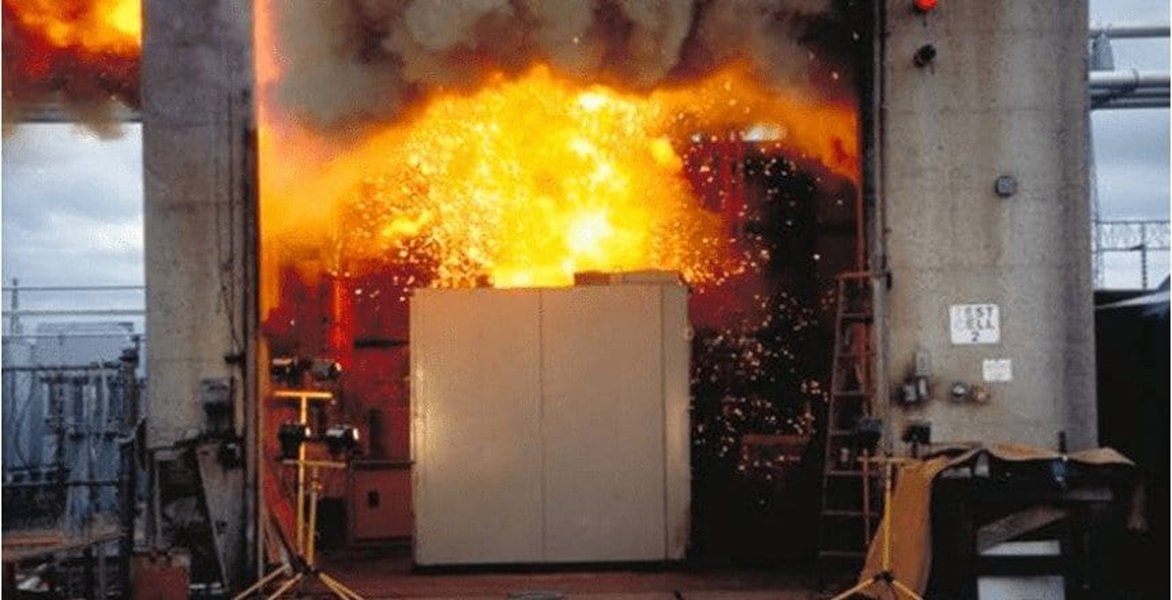
Arc flashes are a severe electrical hazard capable of causing serious burns and explosions.
The Vulnerability of Non-Electrical Workers
A critical finding from safety data is the disproportionate risk faced by workers whose primary roles are not electrical. An alarming 74% of workplace electrical fatalities involve non-electrical workers. In manufacturing, this includes machine operators, maintenance personnel (who aren't specialized electricians), and general laborers who might inadvertently come into contact with energized parts or overlook safety procedures.
Dissecting the Causes and Trends
Common Culprits Behind Manufacturing Electrical Incidents
Understanding the root causes is vital for prevention. Several factors consistently contribute to electrical incidents within manufacturing environments:
- Contact with Overhead Power Lines: This remains a leading cause of electrocution, responsible for 48.2% of all electrical fatalities across industries and an even higher rate (57%) among non-electrical occupations. Manufacturing sites often have nearby power lines posing risks during outdoor work, material handling, or construction.
- Unauthorized or Improper Interaction: Many incidents stem from workers interacting with electrical systems—panels, breaker boxes, machinery controls—without proper authorization, training, or Personal Protective Equipment (PPE). Restricting access to qualified personnel is paramount.
- Lockout/Tagout (LOTO) Violations: Failure to properly de-energize and lock out machinery before maintenance or servicing is a persistent and dangerous issue. Reports, including the 2024 State of Electrical Safety Report, consistently highlight LOTO violations as a major contributor to severe injuries and fatalities in manufacturing.
- Faulty Equipment and Wiring: Damaged tools, poorly maintained machinery, inadequate wiring, and malfunctioning safety devices can lead to shocks, burns, and fires. Sparks from electrical equipment can also ignite flammable materials common in some manufacturing processes.
- Arc Flash/Blast Events: These high-energy discharges can occur during switching operations, equipment failure, or accidental contact, causing severe burns, hearing damage, and injuries from shrapnel.

Proper procedures and qualified personnel are essential when interacting with electrical equipment.
Historical Trends and Current Concerns
While long-term data indicates progress in electrical safety, challenges remain. The percentage of all workplace fatalities caused by electrical exposure decreased significantly from around 8% in 1980 to about 3% by 2020 (NFPA data). However, the absolute number of annual electrical fatalities has remained relatively stable at around 150 per year over the last decade.
Recent surveys, like the 2023 Fluke Corporation Electrical Safety Survey, indicate a perception gap: about 29% of workers (including those in manufacturing) believe more or improved electrical safety training is necessary. This suggests that despite existing programs, continuous improvement and reinforcement are needed to address persistent hazards effectively.
Visualizing Risk Factors in Manufacturing
Relative Contribution to Electrical Incidents
While precise statistical weighting is complex, we can visualize the perceived contribution of major risk factors to electrical incidents (both fatal and non-fatal) in manufacturing environments. This radar chart illustrates the relative significance of factors like inadequate training, procedural failures (LOTO), equipment issues, and environmental hazards like power lines.
This visualization underscores the critical importance of addressing procedural failures like LOTO and environmental hazards such as overhead power lines, alongside ensuring adequate training and proper equipment maintenance, to reduce both fatal and non-fatal electrical incidents in manufacturing.
Mapping Electrical Safety Concerns in Manufacturing
A Mindmap Overview
This mindmap provides a structured overview of the key elements surrounding electrical incidents within the manufacturing sector, connecting statistics, causes, hazards, and preventive measures.
This mindmap highlights the interconnected nature of factors contributing to electrical safety risks in manufacturing, from statistical realities to actionable prevention methods.
Key Statistics at a Glance
Summary Table of Electrical Incident Data
This table summarizes some of the critical statistics related to electrical incidents, providing a quick reference for understanding the scale and nature of the risks, particularly relevant to manufacturing environments.
| Statistic Category | Key Figure/Data | Context/Note |
|---|---|---|
| Annual Workplace Electrical Fatalities (All Industries) | ~150 | Average per year (U.S., based on ESFI/BLS data 2011-2023) |
| Electrical Fatalities on Industrial Premises | ~28% | Percentage of total electrical fatalities occurring in industrial settings, including manufacturing. |
| Fatalities Among Non-Electrical Workers | 74% | Majority of victims lack primary electrical job roles. |
| Fatalities from Overhead Power Line Contact | 48.2% | Leading cause of electrical fatalities across all industries. |
| Annual Non-Fatal Electrical Injuries (Reported) | ~350 | Across all industries, involving days away from work. Manufacturing is a high-incidence area. |
| Arc Flash Incidents (Manufacturing) | Tens of thousands per year (Estimate) | Significant cause of severe burns and injuries, especially in electrical product manufacturing. |
| Lockout/Tagout (LOTO) Violations | Major Contributor | Frequently cited cause in severe injury and fatality investigations in manufacturing. |
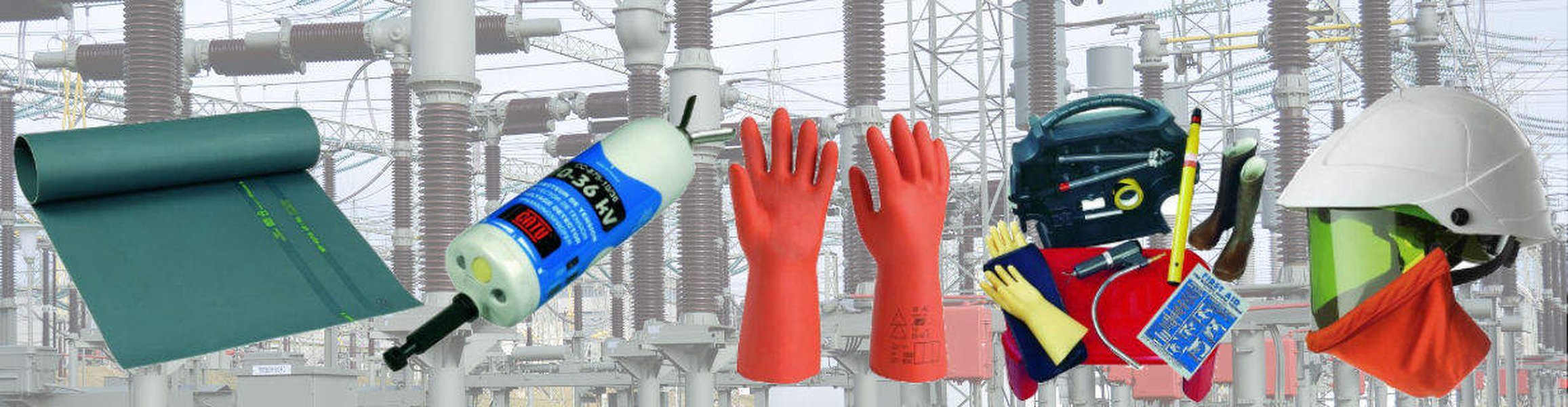
Appropriate Personal Protective Equipment (PPE) is crucial for mitigating electrical risks.
Frequently Asked Questions (FAQ)
Common Questions About Manufacturing Electrical Incidents
What are the most common types of electrical incidents in manufacturing?
The most common incidents include electric shocks, electrical burns (from contact or arc flash), arc flash/blast events, and electrocutions. Fires initiated by electrical faults or sparks are also a concern, especially where flammable materials are present.
Who is most at risk for electrical injuries in a manufacturing plant?
While electricians face inherent risks, statistics show that non-electrical workers (like machine operators and general maintenance staff) account for the majority (74%) of electrical fatalities. Anyone working on or near energized equipment without proper training, authorization, or safety measures is at high risk.
What are Lockout/Tagout (LOTO) procedures, and why are they important?
Lockout/Tagout (LOTO) is a safety procedure used to ensure that dangerous machines are properly shut off and not able to be started up again prior to the completion of maintenance or servicing work. It involves placing locks and tags on energy-isolating devices. Failure to follow LOTO is a major cause of electrical injuries and fatalities in manufacturing because it can lead to unexpected energization of equipment while someone is working on it.
Have electrical incident rates in manufacturing improved over time?
Overall workplace safety data shows a decrease in the *percentage* of total fatalities attributed to electricity since 1980. However, the *absolute number* of annual electrical fatalities across industries (around 150) has remained relatively steady in recent years (2011-2023). While safety standards (like NFPA 70E) and awareness have improved, manufacturing remains a high-risk sector where vigilance is crucial.
What is an arc flash?
An arc flash is a dangerous electrical explosion or discharge that results from a low-impedance connection through air to ground or another voltage phase in an electrical system. Temperatures can reach extreme levels (up to 35,000°F), causing severe burns, intense light (potentially causing blindness), high-pressure waves (arc blast), and vaporized metal. They are a significant hazard during electrical maintenance and switching operations.
References
- Workplace Injury & Fatality Statistics - Electrical Safety Foundation International (ESFI)
- Manufacturing Industry Safety Resources - National Safety Council (NSC)
- 2024 The State of Electrical Safety Report - Grace Technologies
- Understanding and Avoiding Electrocution Risks for Manufacturers - EHS Today
- Electrical Safety in the Workplace - CDC/NIOSH
- Comprehensive Safety Guide for Electronic Products Manufacturers - SafetyIQ
- Top 5 Safety Hazards In the Manufacturing Industry - Evotix
Recommended Reading
Last updated April 19, 2025