
Unraveling the Dynamic Role of Electrolytes in Postnatal Piglet Health
A deep dive into how electrolyte balance profoundly impacts growth, immunity, and overall well-being in young pigs.
Key Insights into Postnatal Piglet Electrolyte Dynamics
- Dynamic Serum Levels: Electrolyte concentrations in postnatal pigs, including Na⁺, K⁺, Cl⁻, Ca²⁺, and Mg²⁺, are not static but undergo significant changes in the first 48 hours post-birth, reflecting critical physiological adaptation.
- Dietary Electrolyte Balance (dEB) is Paramount: Maintaining an optimal dEB, calculated as (Na⁺ + K⁺) - Cl⁻, is crucial for supporting growth, nutrient absorption, and intestinal health, with typical optimal ranges between 150-250 mEq/kg for nursery pigs.
- Intestinal Function and Health: The intricate balance of electrolyte secretion by intestinal crypt cells and absorption in the small intestine and colon is fundamental for fluid homeostasis, nutrient assimilation, and preventing conditions like post-weaning diarrhea.
Electrolyte dynamics in postnatal pigs, particularly concerning serum levels, are foundational for their physiological balance, robust growth, and overall health. The period from birth to weaning, typically spanning the first few weeks of life, is characterized by rapid developmental changes, significant dietary transitions, and various environmental stressors. While the term "secretion" often implies a direct release into the serum, the primary mechanisms highlighted involve the secretion of electrolytes into the intestinal lumen, followed by their absorption, which then directly influences serum concentrations. Understanding these intricate processes is essential for optimizing piglet health and productivity.
The Crucial Role of Electrolytes in Neonatal Adaptation
At birth, piglets embark on a journey of remarkable physiological adaptation. Unlike species with a hemochorial placenta, pigs possess an epitheliochorial placenta, meaning piglets are born without passive immunity or transferred maternal electrolytes. This necessitates a rapid adjustment to extrauterine life, heavily reliant on colostrum intake and the efficient regulation of fluid and electrolyte balance.
Postnatal Electrolyte Adaptations: A Biological Symphony
The first 48 hours post-birth are critical for the piglet's electrolyte balance. Plasma and serum levels of essential electrolytes like sodium (Na⁺), potassium (K⁺), calcium (Ca²⁺), chloride (Cl⁻), and magnesium (Mg²⁺) undergo significant fluctuations. For instance, calcium and potassium concentrations typically increase during this period, signifying crucial mobilization and absorption processes vital for early growth and development.
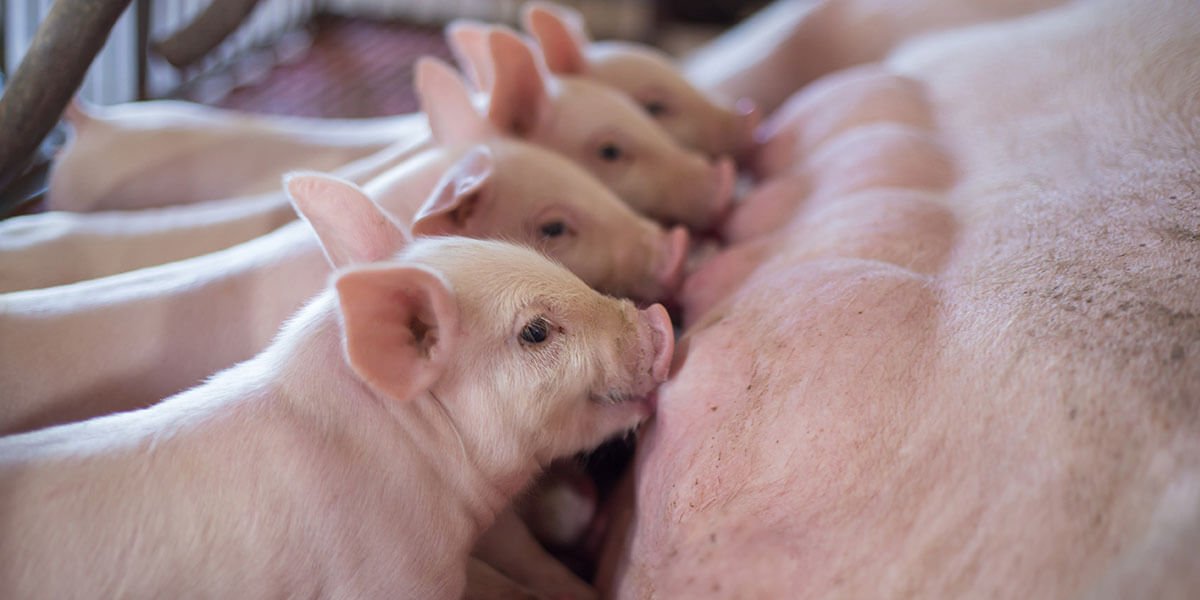
Suckling piglets illustrate the critical early postnatal period where electrolyte balance is established and adapted for rapid growth and development.
Intestinal Absorption: The First Line of Defense
Remarkably, the newborn pig's colon exhibits a robust capacity for both electrolyte and water absorption almost immediately after birth. This innate ability is pivotal in maintaining electrolyte homeostasis and averting dehydration during the precarious initial postnatal period. Electrolyte transport across the intestinal epithelium is an active process, with mechanisms for sodium absorption and chloride secretion being functional from day one, though they continue to mature over time.
Understanding Normal Serum Electrolyte Concentrations
Monitoring serum electrolyte concentrations in healthy postnatal pigs serves as a vital diagnostic tool, offering insights into their metabolic health. Reference values for these electrolytes have been meticulously established, particularly for the first 48 hours of life, showcasing dynamic adaptations correlated with age and developmental stage.
Key Electrolytes and Their Typical Ranges
- Sodium (Na⁺): Generally remains relatively stable, playing a crucial role in maintaining osmotic balance within the body. Typical values range from 135-145 mEq/L.
- Potassium (K⁺): Levels tend to increase postnatally, reflecting the heightened cellular metabolism essential for rapid growth. Typical values are around 4-5 mEq/L.
- Chloride (Cl⁻): As the principal extracellular anion, chloride is indispensable for maintaining acid-base balance and facilitating fluid dynamics.
- Calcium (Ca²⁺) and Magnesium (Mg²⁺): These levels typically rise after birth, indicative of increased bone mineralization and accelerated metabolic activity. Calcium levels are usually around 8-10 mg/dL.
- Bicarbonate (HCO₃⁻): Crucial for buffering pH, bicarbonate also plays a key role in overall acid-base homeostasis.
These values, while generally stable, can decrease slightly as pigs mature, reflecting enhanced kidney function and more refined fluid regulation. Deviations from these reference ranges can signal underlying issues such as dietary deficiencies, metabolic disorders, or various stressors.
The Pivotal Role of Dietary Electrolyte Balance (dEB)
The dietary intake of electrolytes profoundly influences serum electrolyte levels and, consequently, the overall health and performance of piglets. The concept of Dietary Electrolyte Balance (dEB) is paramount in this context.
Calculating and Optimizing dEB
dEB is typically expressed as the sum of major cations (sodium and potassium) minus major anions (chloride), represented by the formula: \[ \text{dEB} = (\text{Na}^+ + \text{K}^+) - \text{Cl}^- \] This balance is a critical modulator of growth performance, amino acid absorption, intestinal barrier function, and even serum amino acid profiles. Optimal dEB values for nursery pigs generally fall within the range of 150–250 mEq/kg, supporting normal growth and maintaining serum electrolyte homeostasis.
& Amino Acid Absorption"] id2b["Birth Asphyxia & Stress"] id2b1["Impaired Fluid Retention"] id2b2["Kidney Dysfunction"] id2b3["Plasma Supplementation Benefits"] id2c["Intestinal Health"] id2c1["Crypt Cell Secretion"] id2c2["Absorption in Small Intestine & Colon"] id2c3["Post-weaning Diarrhea
& ETEC Impact"] id2d["Nutritional Interventions"] id2d1["Low-protein Diets"] id2d2["Isotonic Electrolyte Solutions"] id3["Physiological Functions"] id3a["Fluid Balance"] id3b["Acid-Base Homeostasis"] id3c["Nerve & Muscle Function"] id3d["Cellular Activity"] id3e["Bone Mineralization"]
A mindmap illustrating the complex interplay of factors influencing electrolyte dynamics in postnatal pigs.
Dietary Impact on Electrolyte Profiles
Interestingly, low-protein diets, often employed in piglet feeding strategies, can disrupt this delicate electrolyte balance. Such diets, particularly when rich in synthetic amino acids, may lead to an increase in chloride and a decrease in potassium, which in turn influences the serum levels of crucial amino acids like lysine. This suggests a nuanced biochemical interplay between diet and serum electrolytes, where manipulating dEB can enhance nutrient absorption and overall piglet growth.
Impact of Electrolyte Imbalance and Clinical Conditions
Electrolyte imbalances in postnatal pigs can stem from various clinical conditions and stressors, leading to significant health challenges. Recognizing and addressing these imbalances is critical for piglet survival and long-term performance.
Birth Asphyxia: An Immediate Threat
Birth asphyxia, a condition where oxygen supply to the newborn is compromised, can cause immediate and profound disturbances in electrolyte levels. This can manifest as altered serum sodium, potassium, chloride, and calcium concentrations. Such disturbances often compromise fluid retention and kidney function, highlighting the piglet's vulnerability. Interventions like plasma feeding or isotonic electrolyte solutions have shown promise in improving hydration status, kidney health, and ultimately, long-term performance.
Radar chart illustrating the relative impact of various factors on piglet electrolyte balance.
Disease-Induced Imbalances: The Role of Diarrhea
Electrolyte imbalances frequently arise from diseases that cause diarrhea or vomiting. These conditions disrupt the delicate balance of secretion and absorption in the intestinal crypts, leading to systemic electrolyte disturbances. For instance, infections with enterotoxigenic *Escherichia coli* (ETEC) can cause excessive water and electrolyte secretion into the intestinal lumen, leading to severe post-weaning diarrhea, dehydration, and altered serum electrolyte profiles. This underscores the critical link between gut health and systemic electrolyte homeostasis.
This video highlights the critical importance of water, emphasizing its role as the most essential nutrient for newborn piglets and its direct impact on overall health and electrolyte balance.
The video from "Nutrition Workshop: Water, What You Should Know About the..." emphasizes that water constitutes 80% of a newborn piglet's body weight and is the most essential nutrient. This directly ties into electrolyte balance, as water is the medium in which electrolytes are dissolved and transported. Proper hydration is fundamental for maintaining fluid balance, which in turn ensures stable serum electrolyte concentrations. Dehydration, often caused by diarrhea or insufficient water intake, can rapidly destabilize electrolyte levels, leading to severe health complications. Thus, effective water management is a cornerstone of maintaining optimal electrolyte homeostasis in postnatal pigs.
Molecular and Cellular Mechanisms of Electrolyte Regulation
The regulation of electrolyte secretion and absorption at the cellular level is a sophisticated process, involving specialized cells and active transport pathways within the piglet's intestine.
Intestinal Crypt Cells: Secretion Powerhouses
Intestinal crypt cells are recognized as the primary sites for the secretion of fluids and electrolytes, particularly chloride ions (Cl⁻), into the intestinal lumen. This process is crucial for maintaining intestinal function, aiding digestion, and protecting the gut lining. Active transport pathways for sodium, chloride, and potassium ions within the intestines adapt rapidly in the postnatal period to support nutrient absorption and fluid balance.
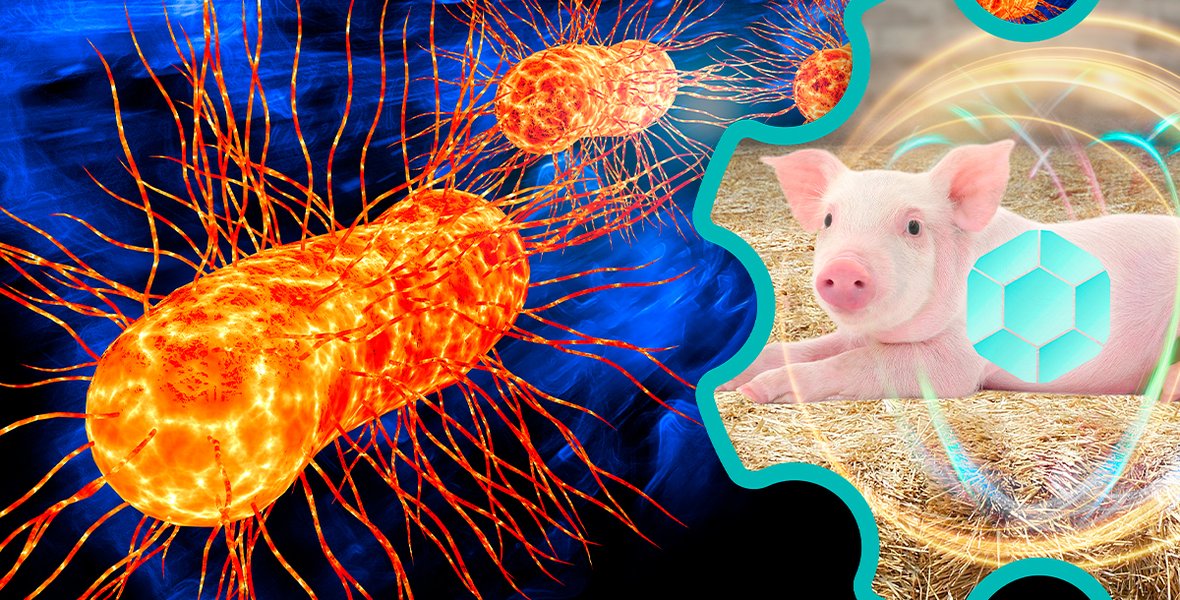
This image depicts the impact of E. coli on piglet intestinal health, a condition known to disrupt electrolyte secretion and absorption.
Maturation of Intestinal Transport Capacity
The small intestine's development and its capacity for electrolyte transport mature significantly during the first few weeks after birth. This maturation is influenced by various factors, including growth factors and hormones such as epidermal growth factor (EGF), which play a role in regulating enzyme activities and absorption efficiency. This developmental trajectory ensures that the piglet's digestive system becomes increasingly capable of handling the demands of dietary changes and growth.
Comprehensive Overview of Serum Electrolyte Dynamics
The table below summarizes the key aspects of electrolyte secretion and serum dynamics in postnatal pigs, integrating various influential factors and their physiological consequences.
| Aspect of Electrolyte Dynamics | Description | Impact on Piglet Health |
|---|---|---|
| Postnatal Adaptation | Significant changes in serum Na⁺, K⁺, Ca²⁺, Cl⁻, Mg²⁺ levels within 48 hours post-birth. Colon rapidly absorbs water and electrolytes. | Critical for maintaining fluid balance and preventing early dehydration; reflects physiological maturity. |
| Normal Serum Concentrations | Reference ranges exist (e.g., Na⁺ 135-145 mEq/L, K⁺ 4-5 mEq/L, Ca²⁺ 8-10 mg/dL). Levels adapt with age and developmental stage. | Indicators of metabolic health; deviations signal potential issues. |
| Dietary Electrolyte Balance (dEB) | Calculated as (Na⁺ + K⁺) - Cl⁻; optimal range typically 150-250 mEq/kg. Influenced by diet composition (e.g., low-protein diets). | Modulates growth performance, amino acid absorption, intestinal barrier function, and serum amino acid profiles. |
| Impact of Imbalance (Clinical) | Birth asphyxia causes immediate disturbances; diseases like diarrhea (e.g., ETEC infection) lead to excessive intestinal secretion and systemic imbalance. | Compromises fluid retention, kidney function, and can lead to severe dehydration and metabolic distress. |
| Molecular Mechanisms | Intestinal crypt cells actively secrete fluids and electrolytes (especially Cl⁻); active transport pathways mature postnatally. | Essential for proper intestinal function, nutrient absorption, and overall fluid homeostasis. |
| Interventions & Monitoring | Plasma feeding, isotonic electrolyte solutions, and dEB adjustments improve balance. Routine monitoring of serum levels (Na⁺, K⁺, Ca²⁺) is crucial. | Helps restore hydration, kidney health, support growth, and prevent long-term health issues. |
Frequently Asked Questions (FAQ)
What is dietary electrolyte balance (dEB) and why is it important for piglets?
How does birth asphyxia affect electrolyte levels in postnatal pigs?
What role do intestinal crypt cells play in electrolyte dynamics?
Can diet influence amino acid absorption through electrolyte balance?
Why are serum electrolyte levels monitored in postnatal pigs?
Conclusion
Electrolyte secretion and regulation in the serum of postnatal pigs represent a complex, tightly controlled physiological process fundamental for their survival, rapid growth, and adaptation to the extrauterine environment. Serum electrolyte levels are dynamic, changing significantly in the immediate postnatal period and remaining susceptible to influences from diet composition, health status, and environmental stressors. The balance between intestinal secretion and absorption, critically regulated by dietary electrolyte balance, is paramount for maintaining fluid homeostasis, supporting nutrient absorption, and preventing common neonatal ailments such as diarrhea. A comprehensive understanding of these factors enables targeted nutritional and clinical interventions, ultimately optimizing piglet health and overall productivity in swine production.
Recommended Further Exploration
- Explore the impact of the gut microbiome on piglet electrolyte absorption.
- Investigate the long-term effects of early life electrolyte imbalance in pigs.
- Discover innovative nutritional strategies for optimal dietary electrolyte balance in piglets.
- Learn about advanced diagnostic methods for monitoring piglet electrolyte status.