
Everything About Endometriosis
A simple guide to understand endometriosis clearly
Key Takeaways
- What It Is: Endometriosis is a condition where tissue similar to the uterus lining grows in other parts of the body.
- Common Signs: It causes pain during periods, pain during sex, heavy bleeding, and sometimes fertility problems.
- Diagnosis and Treatment: It is diagnosed with exams and imaging tests, and treated with medications, hormonal therapy, or surgery.
Introduction
Endometriosis is a health condition that affects many people who have a uterus. In this condition, tissue that looks like the inside lining of the uterus grows outside of it. This extra tissue can be found on the ovaries, fallopian tubes, and other areas inside the pelvis. In some cases, the tissue can even grow on other organs such as the bladder or bowels. Using simple language, this guide will explain what endometriosis is, its symptoms, causes, how it is diagnosed, different treatment options, and how to live with the condition.
The extra tissue in endometriosis continues to act like uterine tissue. It thickens, breaks down, and bleeds each month, just like the tissue inside the uterus. However, because this tissue is in other parts of the body, the blood and tissue do not have a way to exit the body as they do during a normal menstrual period. This can lead to pain, inflammation, and the formation of scar tissue.
What Is Endometriosis?
Endometriosis is a condition in which tissue similar to the lining of the uterus (called the endometrium) grows in places outside the uterus. This tissue acts as if it is inside the uterus and responds to the body’s natural hormonal cycle. Unfortunately, because it is not in the proper place, it can cause a number of health problems. It is most common in women during their reproductive years, although the effects may show up in a wide range of ages.
The condition affects roughly one in ten individuals who have a uterus. Many people with endometriosis do not have any symptoms, but for many others, the condition can change daily life in a very hard way. It is important to understand that every person’s experience with endometriosis is different. Some may have mild symptoms, while others suffer from severe pain and difficulty with fertility.
Signs and Symptoms
The signs and symptoms of endometriosis may include pain, heavy bleeding, and problems with pregnancy. Because the tissue grows in areas where it should not be, it can cause inflammation and scar tissue to form, which is often the cause of pain. The symptoms can vary from one person to another and can change over time.
Common Symptoms:
- Pelvic pain, especially during menstrual periods.
- Pain during or after sexual intercourse.
- Pain when using the bathroom or having a bowel movement, particularly during menstruation.
- Heavy or irregular menstrual bleeding.
- Chronic fatigue and feeling very tired.
- Inflammation and bloating in the pelvic area.
- Fertility problems or difficulty in becoming pregnant.
Some people with endometriosis may experience only a few of these symptoms, while others may have many of them. In some cases, endometriosis is found during a check-up for fertility issues even if the person does not feel much pain.
Less Common Symptoms:
- Back pain.
- Nausea.
- Diarrhea or constipation, especially during menstruation.
- Abdominal cramping that may become more intense over time.
Causes and Risk Factors
The exact cause of endometriosis is not known, but many experts believe that several factors may contribute to its development. While doctors are still studying this condition, several theories help explain why endometriosis might occur.
Possible Causes Include:
- Retrograde Menstruation: This is a process where the menstrual blood flows backward through the fallopian tubes into the pelvic cavity. This flow can carry endometrial cells into places outside the uterus.
- Genetic Factors: A family history of endometriosis or other related conditions may increase the risk of developing the condition.
- Immune System Issues: When the immune system does not work properly, it may not destroy the extra cells that grow outside of the uterus.
- Hormonal Influences: Estrogen, a hormone that plays a big part in the menstrual cycle, is thought to promote the growth of endometrial tissue in unwanted places.
- Other Factors: The condition might also be linked to issues in the way cells change, as well as other unknown environmental or lifestyle factors.
It is important to note that not everyone with these risk factors will develop endometriosis. Many people who have the condition have no clear risk factor at all.
Who Is More Likely to Get Endometriosis?
While endometriosis can affect anyone who has a uterus, some groups of people appear to be at a higher risk. Typically, those who have a strong family history of the condition, who have never given birth, or who have very short menstrual cycles might be more likely to have endometriosis. Additionally, certain ethnic groups and those with lower body weight have shown higher rates in some studies.
Pregnancy can sometimes affect the symptoms of endometriosis. For some, symptoms may improve during pregnancy because of the changes in hormone levels. However, for others, symptoms may remain or even worsen.
Stages of Endometriosis
Doctors often describe endometriosis in four stages. The stage of endometriosis does not always match the level of pain someone feels. In some cases, a person might have only a small area of extra tissue and little pain. In other cases, extensive tissue growth can cause severe pain.
The Four Stages:
| Stage | Description |
|---|---|
| Stage 1 (Minimal) | Small, isolated spots of extra tissue. Usually, few or no adhesions. |
| Stage 2 (Mild) | More implants than in stage 1, but they are still small. The growth may begin to affect nearby areas. |
| Stage 3 (Moderate) | Many deep implants, possibly with the formation of cysts on the ovaries. Scar tissue and adhesions become more visible. |
| Stage 4 (Severe) | Widespread growth of endometrial tissue along with deep implants, large cysts and many adhesions that distort the pelvic anatomy. |
It is important to understand that the stage of endometriosis does not always mean that the pain will be high. Some individuals with stage 1 or 2 may experience great pain, while others with stage 3 or 4 can have milder symptoms.
How Endometriosis Is Diagnosed
Diagnosing endometriosis is not simple, as many of its symptoms can be similar to other conditions, such as irritable bowel syndrome. To reach a diagnosis, doctors usually follow many steps. They may begin by asking about the symptoms and health history. This is followed by a physical exam, particularly a pelvic exam.
Common Diagnostic Methods:
- Pelvic Exam: The doctor feels the pelvic area for any abnormalities, such as swollen areas or lumps.
- Ultrasound: This imaging test uses sound waves to create pictures of the inside of the pelvis. It can help spot large growths or cysts.
- MRI: Magnetic resonance imaging can give a clearer picture of the organs and help identify deep implants.
- Laparoscopy: This is a minor surgery where a small camera is inserted into the abdomen. It is the best way to see the location and size of the extra tissue. During this surgery, a small sample of tissue may be taken for testing.
While non-invasive methods can suggest endometriosis, a laparoscopy is needed to confirm the diagnosis. This procedure allows the doctor to see the tissue directly. It is important for anyone with symptoms to consult a doctor, as early diagnosis can help manage the condition better.
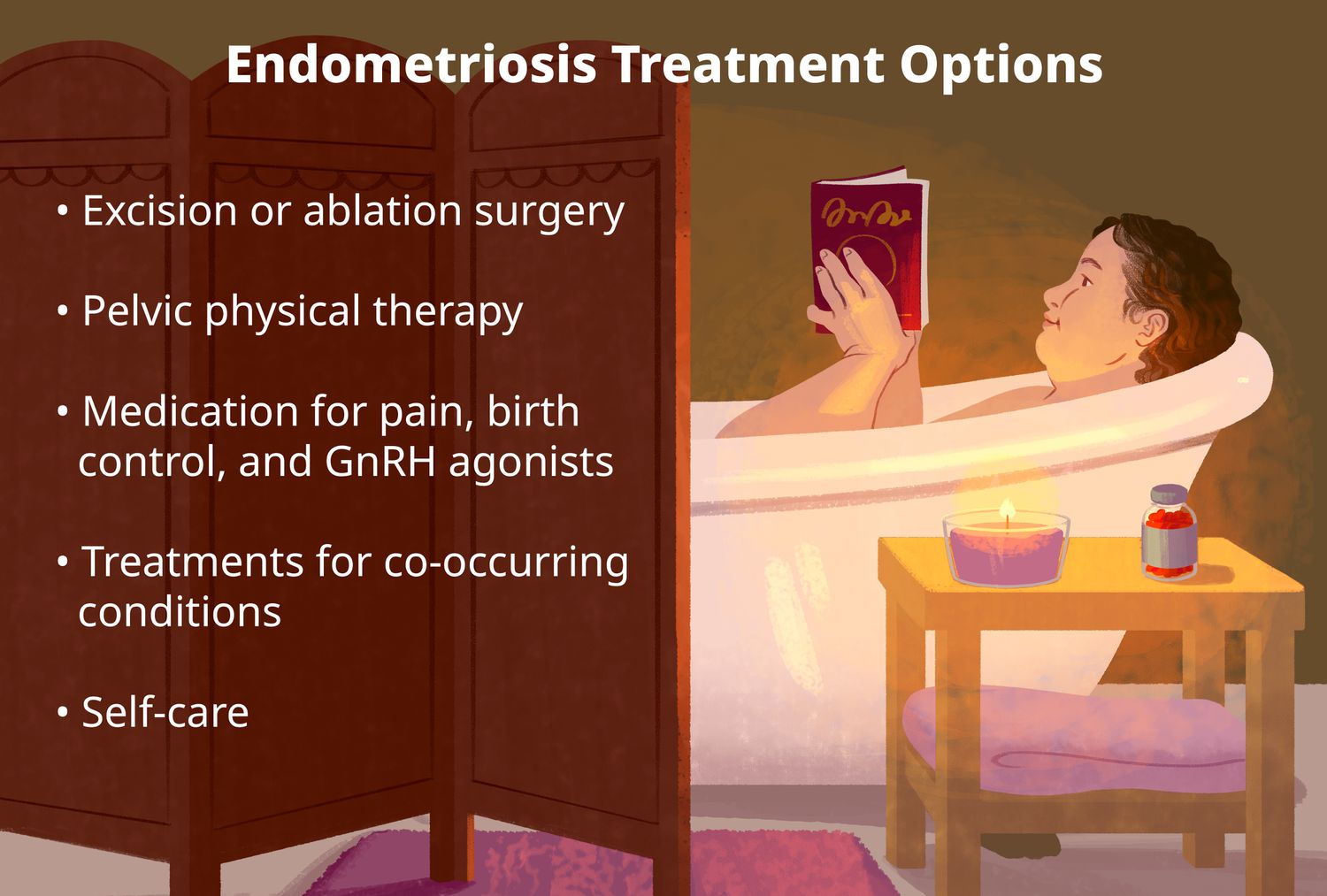
Treatment Options
There is no single cure for endometriosis, but there are many ways to treat the symptoms. Treatment is usually customized based on the severity of the condition, the location of the tissue growth, and whether the person wants to have children in the future.
Medications:
- Pain Relievers: Over-the-counter medications like ibuprofen or naproxen are common choices to relieve pain and reduce inflammation.
- Hormonal Therapy: Birth control pills, patches, and injections can help slow the growth of the extra tissue by changing the hormone levels.
- GnRH Agonists and Antagonists: These drugs lower the amount of estrogen in the body, which can help reduce the tissue build-up and symptoms.
Surgery:
- Laparoscopy Surgery: This is used to remove the extra tissue. It helps reduce pain and may improve fertility.
- Hysterectomy: In severe cases, removal of the uterus may be considered. Sometimes, the ovaries may also be removed, but this option is usually used only when other treatments do not bring relief.
Lifestyle Changes and Self-Care:
- Regular Exercise: Physical activity can help reduce pain and improve overall health.
- Healthy Diet: Some people find that eating anti-inflammatory foods can help manage pain.
- Heat Therapy: Using heating pads or taking warm baths can ease cramps and muscle tension.
- Stress Reduction: Techniques such as meditation, yoga, or counseling can help deal with the emotional stress caused by chronic pain.
Treatment plans are highly personal. Many people benefit from a mix of these options. It is very important to speak with a doctor to decide what treatments will work best for your situation. Regular follow-up appointments help to adjust the plan if the symptoms change.
Living with Endometriosis
Endometriosis can change everyday life, but many people learn to manage their symptoms and lead active lives. Living with this condition means facing recurring pain, possible fertility challenges, and sometimes changes at work or at home. However, by understanding the condition and following a good treatment plan, it is possible to reduce its impact.
Emotional and Social Support:
It is normal to feel frustrated or depressed when dealing with chronic pain and ongoing health issues. Many people find that joining a support group or talking with someone who understands helps a lot. Family, friends, and counselors can provide emotional support. Sharing your experiences can also help in learning new ways to manage pain and stress.
Advice for Daily Living:
- Keep a Symptom Diary: Write down the pain and symptoms you experience every day. This can help you and your doctor choose the best treatment.
- Plan Ahead: Some days may be worse than others. It is helpful to plan work, school, or social activities with some rest time built in.
- Speak Up: Educate those around you about endometriosis. Let friends, family, and employers know what you may need during a flare-up.
- Mind-Body Techniques: Practices like relaxation exercises, gentle yoga, and meditation can help reduce stress and contribute to pain management.
Everyone's body reacts differently, so it is important to adjust your lifestyle to what makes you feel best. Although some times the pain may seem too much, there are many ways to manage it. A mix of medical treatment, lifestyle adaptations, and support can help in reducing the impact of endometriosis on everyday life.
Endometriosis and Fertility
One of the harder parts of endometriosis for many people is its effect on fertility. The extra tissue can sometimes block the fallopian tubes or cause scarring that interferes with the ability to become pregnant. Not everyone with endometriosis will have problems with fertility, but it is common enough that it is an important part of the discussion.
Understanding the Impact:
In some cases, endometrial tissue may cause inflammation that leads to scarring. This scarring can block the fallopian tubes or distort the pelvic anatomy. When this happens, it can be more difficult for sperm to reach an egg. However, many people with endometriosis do become pregnant and have healthy pregnancies.
What to Consider:
- Talk to a Specialist: A reproductive specialist can help assess the severity of the condition and suggest treatments that may improve fertility.
- Treatment Options: Treatments such as laparoscopy surgery to remove extra tissue have helped many people with endometriosis to improve their chances of becoming pregnant.
- Plan Ahead: If you wish to have children, discuss your options with your doctor early. Early intervention is often key in managing fertility issues related to endometriosis.
Research and Future Treatments
Many researchers are working to learn more about endometriosis. As our understanding of the condition grows, so do hopes for better treatments in the future. Researchers are studying new medications, surgical techniques, and lifestyle changes that might help even more people manage their symptoms.
Areas of Active Research:
- New Medications: Scientists are testing drugs that aim to reduce inflammation, clear the extra tissue, and address pain more effectively.
- Advanced Imaging Techniques: These could help doctors find and treat areas of endometriosis without invasive surgery.
- Genetic Studies: By understanding the genetic links, researchers hope to pinpoint who might be more at risk and develop targeted treatments.
- Non-Medical Approaches: New research explores the role of diet, exercise, and stress management in easing symptoms.
Ongoing studies also look at the role of the immune system in endometriosis. With time, these efforts may lead to treatments that are more effective and have fewer side effects, giving hope to people dealing with this condition.
Tips for Talking With Your Doctor
It can be hard to know how to start a conversation about your symptoms. Being well-prepared for your doctor’s appointment is an important step in managing your care. Here are some tips to help you talk with your doctor about endometriosis:
Before Your Appointment:
- Write down your symptoms, including when they happen, how long they last, and how bad the pain is.
- Keep a diary of your menstrual cycle and note any changes or patterns.
- List any medicines or treatments you have already tried.
During the Appointment:
- Clearly explain the effects the pain and symptoms have on your life.
- Ask about the possible tests needed to make a diagnosis.
- Inquire about all available treatment options and how each might affect your plans for work, family, and daily life.
- Request clear information on the pros and cons of medicines, surgeries, or any new treatment.
Many doctors are very willing to meet your concerns and work with you to choose the best plan for your needs. It is important to keep the conversation open and honest.
Managing Pain at Home
Many people with endometriosis find that daily self-care practices help to manage the pain. While medicine and surgery are key parts of the treatment, home remedies and lifestyle changes can also improve quality of life.
Simple Home Remedies:
- Warm Compress: A heating pad or warm towel placed on the lower abdomen can soothe cramps and relax tense muscles.
- Meditation and Relaxation Techniques: Regular deep breathing, meditation, or relaxation exercises can reduce stress, which often worsens pain.
- Regular Exercise: Gentle activities like walking, swimming, or yoga may help improve mood and reduce chronic pain symptoms.
- Adequate Sleep: Ensuring a good night's rest helps the body heal and manage pain better.
- Healthy Diet: Eating a balanced diet rich in fruits, vegetables, and omega-3 fatty acids may reduce inflammation and improve overall wellness.
If these self-care methods work for you, continue their use along with any medical treatments. They can provide extra support for managing the symptoms of endometriosis.
Conclusion
Endometriosis is a condition where tissue resembling the lining of the uterus grows outside of it. This extra tissue can lead to pain, heavy bleeding, and sometimes problems with fertility. Although endometriosis can be a challenging and painful condition, there are many treatment options available, including medications, hormone therapy, surgery, and lifestyle changes. Diagnosis often begins with a physical exam and imaging tests, and the most conclusive result comes from a laparoscopy. People experiencing frequent pelvic pain, painful periods, or issues with pregnancy should talk with their doctor about these symptoms.
Living with endometriosis involves managing both physical pain and emotional stress. Self-care, regular exercise, a healthy diet, and the support of friends, family, or professional counselors can help a great deal. Understanding the condition and being proactive about treatment options can enable many individuals to lead active and fulfilling lives despite the challenges. Research in this area continues to grow, offering hope for better treatments in the future. If you think you might have symptoms of endometriosis, it is very important to reach out to a healthcare provider as soon as possible.
References
- Endometriosis - UW Medicine
- What Is Endometriosis? - March.Health
-
Endometriosis - Cleveland Clinic
- Endometriosis - Healthline
- Endometriosis - Mayo Clinic
More
Last updated February 18, 2025