
Energy Efficiency and Power Consumption in Households
Exploring Strategies, Energy Storage, and Sustainable Impacts
Highlights
- Energy Efficiency Strategies: Detailed methods to reduce energy usage in households.
- Role of Capacitance: Insights on how capacitors and supercapacitors enhance energy storage systems.
- Sustainable Impact: Analysis of power consumption’s influence on the environment and potential solutions.
Introduction
As energy demands continue to escalate globally, households have emerged as a critical node for implementing energy-efficient solutions. This case study examines various strategies to reduce electricity consumption at home, delves into the pivotal role of capacitance in modern energy storage systems, and investigates the environmental repercussions of power consumption. The report encapsulates a multifaceted approach by identifying practical measures to optimize home energy use, understanding the technical mechanisms behind energy storage devices like batteries and supercapacitors, and proposing sustainable solutions to balance energy needs with environmental stewardship.
In today’s context, energy efficiency not only minimizes household utility bills but also plays a significant role in reducing the carbon footprint and mitigating climate change. Energy storage systems, including those relying on capacitance, are increasingly important in integrating renewable energy sources into the electrical grid, thereby promoting sustainability. This report synthesizes findings from various trusted sources and offers comprehensive recommendations to promote efficient energy usage in living environments.
Energy Efficiency Strategies for Reducing Household Electricity Consumption
Upgrading Appliances and Technology
One of the most effective methods to lower energy consumption in residential settings is by upgrading to energy-efficient appliances. Energy Star-certified products, which are designed to consume significantly less electricity than standard models, present an immediate opportunity for energy savings. Upgrades in heating, ventilation, and air conditioning (HVAC) systems, when combined with smart thermostats, help in regulating temperature more precisely. The installation of advanced power strips also helps reduce phantom energy loss by eliminating the standby power draw, commonly referred to as "vampire loads."
Moreover, embracing smart home technologies facilitates automated controls—timing lights according to occupancy, optimizing temperature settings based on usage patterns, and even allowing real-time energy monitoring. These integrated systems harness data to orchestrate energy use more dynamically, resulting in efficient consumption patterns even when the homeowners are not actively managing the devices.
Lighting Efficiency and Water Heating
Lighting accounts for a significant portion of household power consumption. The replacement of incandescent bulbs with LED lighting technologies is one of the simplest yet most effective strategies. LED bulbs offer superior durability, higher luminous efficacy, and lower energy consumption than conventional lighting. Additionally, making the best use of natural daylighting can further decrease reliance on artificial light sources during daytime hours.
Water heating systems are another key area where efficiency can be markedly improved. By lowering the thermostat setting on water heaters, insulating the water tanks, and adopting heat pump water heaters, homeowners can substantially reduce energy usage. In addition, employing cold-water cycles for laundry and using energy-efficient showerheads also contributes to decreased power consumption and improved energy sustainability.
Building Envelope Improvements
The building envelope—comprising walls, roofs, windows, and doors—plays a crucial role in energy efficiency. Proper insulation, effective air sealing, and installing energy-efficient windows and doors ensure that the indoor temperature is maintained with minimal energy expenditure. Weatherization efforts, such as caulking gaps and adding weather stripping, serve to minimize heat exchange with the outside temperature. These measures collectively reduce the load on HVAC systems, which in turn leads to lower overall energy consumption.
Behavioral Adjustments and Energy Audits
Behavioral changes can also have a substantial impact on energy use. Simple measures like turning off appliances when not in use, employing advanced power strips, and monitoring electricity consumption with energy meters contribute to energy conservation. Regular energy audits can identify inefficiencies in a household's energy utilization patterns, thereby guiding targeted interventions. These audits are invaluable in revealing consumption patterns and helping homeowners prioritize upgrades or changes that yield the most significant benefits.
Role of Capacitance in Energy Storage Systems
Fundamental Principles of Capacitance
Capacitance is a property found in electrical components known as capacitors, which store energy electrostatically by holding separated charges. In energy storage systems, the ability to quickly charge and discharge energy is essential, particularly for applications demanding rapid bursts of power. Traditional capacitors are often employed in electronic circuits to stabilize voltage and filter signals; however, their energy storage capacity is limited.
The advancement of energy storage technology has led to the development of supercapacitors, which function as a bridge between conventional capacitors and batteries. Supercapacitors, sometimes called ultracapacitors, provide high power density with considerably faster charging and discharging capabilities compared to batteries. They are particularly effective in managing transient power demands and ensuring voltage stability in systems that integrate renewable energy sources.
Comparing Batteries and Supercapacitors
Whereas batteries store energy chemically and typically excel in energy density (the amount of energy stored per unit mass), supercapacitors leverage physical processes to capture and deliver energy swiftly. This difference makes them suitable for different applications. Batteries are ideal for sustaining longer periods of energy supply, whereas supercapacitors are tailored for scenarios requiring immediate energy output. This hybrid approach often involves pairing both technologies to streamline energy distribution, especially in renewable energy installations where fluctuations in power generation are common.
The following table summarizes the key differences between batteries and supercapacitors:
| Characteristic | Batteries | Supercapacitors |
|---|---|---|
| Energy Density | High | Medium |
| Power Density | Moderate | High |
| Charge/Discharge Rate | Slow to Moderate | Rapid |
| Cycle Life | Limited | Extremely High |
| Application | Long-term energy storage | Short-term, quick energy delivery |
Integration into Renewable Energy Systems
In the context of renewable energy systems, particularly those that fluctuate in output like solar and wind, capacitors and supercapacitors play a vital role. They help stabilize voltage and supply quick bursts of energy during periods of inconsistent generation. By absorbing and releasing electrical energy as needed, these components ensure that energy storage systems work more efficiently, reducing dependence on fossil-fuel based backup solutions. This integration is vital for creating a resilient and sustainable energy grid that maximizes the benefits of renewable energy sources.
Impact of Power Consumption on Sustainability and Environmental Consequences
Environmental Footprint of Household Energy Use
The environmental impact of household power consumption extends well beyond the individual costs on utility bills. High levels of energy consumption typically correlate with increased greenhouse gas emissions. Many power plants rely on fossil fuels, which release significant amounts of carbon dioxide and other pollutants during combustion. This chain reaction leads to a larger carbon footprint and contributes directly to climate change.
Reducing energy demand in households can decrease the need for energy production from these polluting sources. The collective adoption of energy-efficient practices can result in notable reductions in overall emissions, thereby lending support to global climate goals. For example, energy-efficient lighting and appliances not only reduce electricity consumption but also contribute to lower emissions from power plants.
Additionally, improved energy conservation fosters resource conservation. Efficient use of electricity translates to less demand on natural resources, including fossil fuels that are finite in supply. Hence, every effort in reducing household energy consumption is a step toward prolonged resource availability and environmental stability.
Economic and Social Benefits
Beyond the environmental advantages, energy efficiency yields significant economic savings for households. Lower energy consumption results in reduced utility bills, making it an economically attractive proposition. Moreover, investments in energy efficiency can spur job creation in sectors related to home retrofitting, renewable energy installation, and energy auditing.
At a societal level, these energy practices can decrease the overall demand for electricity, leading to a more balanced load on the grid and minimizing the need for energy infrastructure expansion. Governments and local authorities may also provide tax incentives, rebates, or grants for implementing such energy-saving measures, creating a beneficial loop between economic and environmental wellbeing.
Proposed Solutions for Efficient Energy Usage
Adopting Renewable Energy
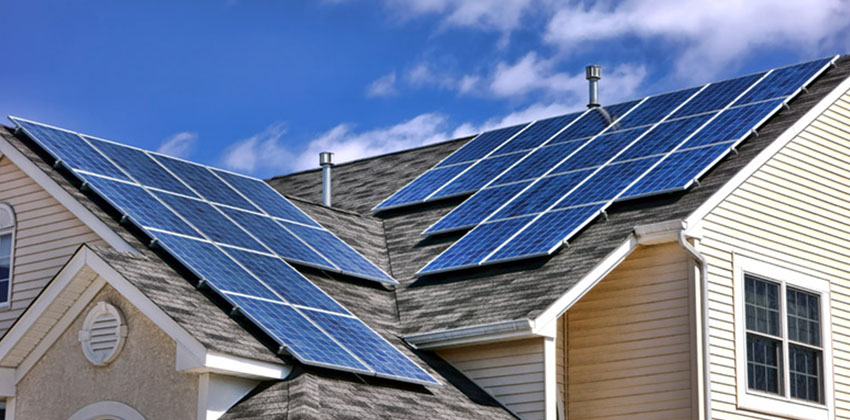
Transitioning to renewable energy sources is one of the most impactful strategies for reducing both power consumption and environmental impact. Installing solar panels or small-scale wind turbines can enable households to generate their own clean energy. When combined with energy storage systems incorporating batteries and supercapacitors, the intermittent nature of renewable power generation can be managed effectively.
Integrating renewable energy not only reduces reliance on fossil fuels but also offers long-term cost benefits. In regions where government or utility incentives are available, the initial installation cost for such systems can be offset through rebates and tax credits, further encouraging widespread adoption.
Implementation of Smart Technologies
Smart home technologies form the backbone of modern energy efficiency solutions. The implementation of smart meters, thermostats, and lighting systems provides real-time data on energy usage, enabling homeowners to adjust their appliances and heating/cooling systems more effectively. For example, smart thermostats automatically adjust the home temperature based on occupancy, time of day, and weather conditions, which optimizes energy consumption without sacrificing comfort.
Equally important is the use of energy monitoring devices that provide insights into usage patterns, allowing for targeted interventions. These devices help identify energy drains and suggest behavioral modifications that yield measurable energy savings, thereby enhancing energy conservation measures.
Educational Outreach and Incentive Programs
A key component in achieving efficient energy usage lies in educating homeowners and communities about the tangible benefits of energy conservation. Educational programs detailing practical steps—such as sealing drafts, upgrading insulation, and properly maintaining appliances—can empower individuals to take charge of their energy consumption.
Furthermore, incentive schemes provided by governments or utility companies can accelerate the adoption of energy-efficient technologies. Financial incentives, such as grants or rebates for retrofitting homes with energy-saving devices, make it more affordable for households to embark on energy conservation efforts. These programs not only reduce energy use but also stimulate local economic growth through job creation in greener sectors.
Community Engagement and Policy Initiatives
The collective effort of community engagement is essential in promoting energy efficiency on a large scale. Local governments can facilitate energy audits and educational workshops, encouraging community-wide participation in sustainability efforts. Policy initiatives aimed at enforcing stricter building codes for new constructions and providing subsidies for energy-efficient upgrades in older homes can further solidify energy conservation measures.
These initiatives create an environment where energy conservation practices are not only recognized but also systematically integrated into community planning and urban development. In the long run, this concerted effort contributes to reduced energy demand, a less stressed electrical grid, and overall improvements in public health and environmental quality.
Summary Table: Energy Efficiency Strategies and Their Impacts
| Strategy | Description | Impact |
|---|---|---|
| Energy-Efficient Appliances | Utilizing ENERGY STAR-certified products and smart power management | Lower electricity consumption and reduced standby power losses |
| Lighting Upgrades | Replacing incandescent bulbs with LED technology and enhancing daylight usage | Decreased power required for lighting and fewer replacements |
| HVAC Optimization | Using smart thermostats, proper insulation, and sealing leaks | Reduced heating and cooling costs, improved indoor comfort |
| Renewable Energy Adoption | Installation of solar panels or wind turbines with energy storage systems | Lower carbon footprint and reduced reliance on fossil fuels |
| Educational & Incentive Programs | Awareness campaigns and financial incentives for energy efficiency upgrades | Enhanced community participation and lower overall energy usage |
References
- 25 Energy Efficiency Tips – Direct Energy
- Reducing Electricity Use and Costs – U.S. Department of Energy
- Ways to Save Energy – EnergySage
- 15 Simple Energy-Saving Strategies – Better Homes & Gardens
- Home Energy-Saving Tips – HomeAdvisor
Recommended Further Exploration
Last updated March 6, 2025