
Case Study: Energy Efficiency and Power Consumption in Households
Exploring Strategies, Energy Storage, and Environmental Impacts
Key Highlights
- Comprehensive Energy Efficiency Strategies: Identification of practical household measures including efficient appliances, improved insulation, smart technologies, and renewable integration.
- Capacitance in Energy Storage: Detailed exploration of the roles and differences between batteries and supercapacitors, and their applications in rapid energy delivery and long-term storage.
- Environmental and Sustainability Impacts: Analysis of how reducing power consumption and enhancing energy efficiency can lower greenhouse gas emissions and relieve strain on natural resources.
Introduction
Energy efficiency in households is an essential element in reducing electricity consumption, which has far-reaching economic and environmental effects. With rising energy costs and increasing concern about climate change, households are motivated to adopt measures that decrease their overall energy usage. This report delves into various energy efficiency strategies that can significantly reduce electricity consumption in homes, examines the role of capacitance in cutting-edge energy storage systems such as batteries and supercapacitors, and assesses the broader sustainability and environmental impacts of power consumption. By synthesizing expert studies and research literature, this comprehensive analysis presents actionable insights and recommends solutions for efficient energy usage.
Energy Efficiency Strategies in Households
Reducing electricity consumption in households not only lowers utility bills but also contributes significantly to the reduction of greenhouse gas emissions. The adoption of energy-efficient practices has been shown to diminish the overall environmental footprint while enhancing comfort and operational efficiency in residences. Several critical strategies serve as pillars for increasing energy efficiency:
Efficient Appliances and Lighting
One of the most effective methods to reduce energy usage is by upgrading to ENERGY STAR-rated appliances and LED lighting. These devices are designed to consume far less energy while performing better than conventional models. For example, energy-efficient refrigerators use up to 50% less power compared to older models, resulting in considerable energy savings over time.
Additionally, replacing incandescent and halogen bulbs with LED alternatives can reduce energy consumption by a significant margin. Natural daylighting, when used strategically through windows and skylights, further minimizes the need for artificial lighting.
Heating, Ventilation, and Air Conditioning (HVAC) Optimization
Maintaining an optimal HVAC system is crucial for reducing energy usage in homes. Simple modifications, such as setting thermostats to 78°F in the summer and 68°F in the winter, can lead to more efficient temperature regulation. Enhancing insulation and air sealing helps retain indoor air and minimizes energy losses during extreme weather conditions.
Regular maintenance of HVAC systems – including cleaning and replacing filters – ensures that the system operates efficiently, thereby saving energy. Using ceiling fans in conjunction with optimized heating and cooling systems can further reduce the reliance on electrical power.
Smart Home Technologies and Behavioral Adjustments
The integration of smart home technologies such as smart thermostats, energy monitors, and automated lighting systems enables households to track and manage energy consumption. These devices adjust energy use in response to occupancy patterns and peak hours, thereby decreasing unnecessary consumption.
Behavioral changes also play a key role. Simple practices, such as turning off lights when leaving a room, unplugging electronic devices to reduce standby power (often called "vampire loads"), and washing clothes in cold water, contribute substantially to overall energy savings.
Renewable Energy Integration and Home Design Considerations
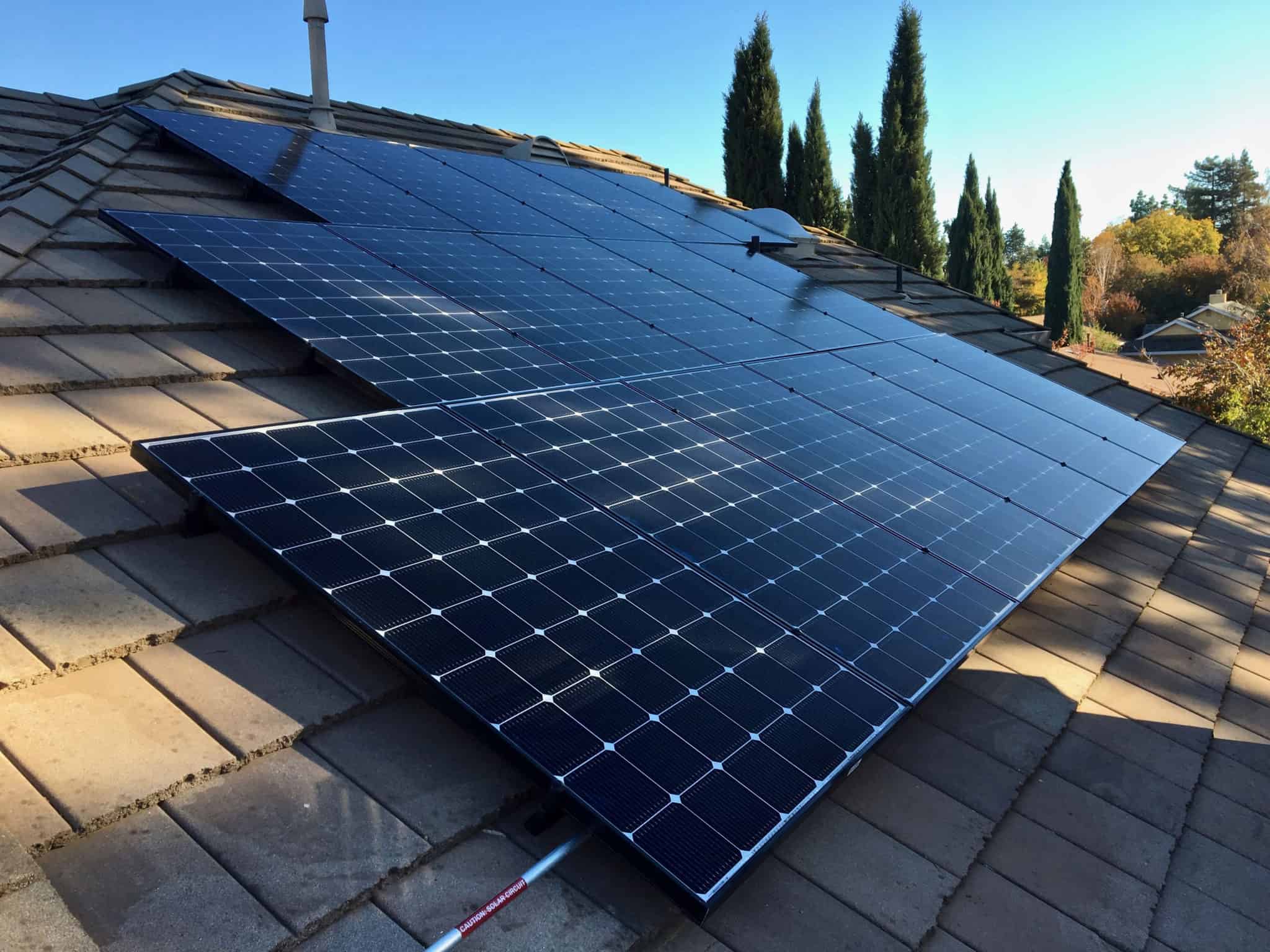
Incorporating renewable energy sources, especially solar panels, can have a transformative impact on household energy consumption. By generating electricity on-site, homeowners reduce reliance on the grid, thereby lowering both costs and carbon footprints. Integration with home energy storage systems further augments these benefits.
Modern home design now increasingly prioritizes energy efficiency. New building materials and techniques, such as advanced house framing and cool roofs, contribute to lower energy requirements while enhancing occupant comfort. Retrofitting older homes with modern insulation, energy-efficient windows, and efficient heating systems can also be an effective strategy.
Role of Capacitance in Energy Storage Systems
Energy storage is a pivotal component of modern electrical systems, particularly when exploring renewable energy integration in households. The concept of capacitance is central not only to traditional capacitors but also to more advanced energy storage solutions like supercapacitors.
Batteries vs. Supercapacitors
Batteries store energy through chemical reactions, offering high energy density which is critical for long-duration storage. They are, however, relatively slower in terms of charge and discharge cycles. Conversely, supercapacitors store energy electrostatically, offering rapid charge/discharge capabilities and high power density. Although their energy density is lower than that of batteries, their ability to deliver quick bursts of power makes them ideal for applications that require fast energy delivery.
The distinction between these two technologies is critical when designing household energy systems. While batteries are more suited for consistent energy supply over longer periods, supercapacitors excel in applications where rapid power fluctuation is necessary. Combining both in a hybrid system can provide a balanced approach, offering both long-term energy storage and immediate power delivery.
Hybrid Energy Storage Systems
Hybrid energy storage systems merge batteries and supercapacitors to capitalize on the strengths of each technology. In homes where renewable energy sources such as solar panels are installed, energy is first stored in batteries and then supercapacitors can be used to handle instantaneous power demands, such as during sudden loads or peaks in energy consumption.
Key Properties of Energy Storage Components
The effectiveness of any energy storage system can be evaluated through several key parameters:
| Property | Batteries | Supercapacitors |
|---|---|---|
| Energy Density | High, suitable for long-term energy storage | Lower, but sufficient for high-power bursts |
| Power Density | Moderate to low, slower release of power | Very high, enabling rapid charge/discharge |
| Lifespan | Affected by charge/discharge cycles; typically lower | High, with far superior cycle life |
This table underlines the importance of selecting the appropriate storage technology based on specific energy needs within a household setting.
Impact of Power Consumption on Sustainability and Environmental Impact
The interplay between power consumption and sustainability is complex. Households globally have seen an increase in electricity usage, which in turn has a cascading effect on environmental sustainability. Higher energy demands usually result in increased emissions of greenhouse gases, especially when the power is generated from fossil fuel-based sources.
Greenhouse Gas Emissions and Energy Production
The combustion of fossil fuels for electricity generation is a major contributor to greenhouse gas emissions. As energy demand increases, so does the strain on conventional power plants, leading to larger carbon footprints. Implementing energy efficiency measures directly reduces this demand, thereby lowering the total emissions produced. Additionally, the use of renewable energy sources minimizes the reliance on fossil fuels, further reducing environmental degradation.
Resource Conservation
In addition to lowering emissions, reducing power consumption helps conserve natural resources. Energy-efficient homes require less energy, decreasing overall demand on power grids and reducing the need for constructing and maintaining large-scale power plants. This conservation of resources also extends to a reduction in water usage and a decrease in air and water pollution.
Economic and Social Implications
Energy efficiency and reduced power consumption have beneficial economic implications. Lower energy bills free up household budgets for other purposes, while intelligent management of energy consumption contributes to improved grid stability and reliability. Additionally, the adoption of cutting-edge technologies in energy storage and smart home systems spurs further innovation and creates new opportunities within the green energy sector.
Proposed Solutions for Efficient Energy Usage in Households
In order to create a more sustainable and energy-efficient home environment, several practical solutions can be implemented. These solutions consider technological, infrastructural, and behavioral strategies to reduce energy consumption and enhance the performance of household energy systems:
Implement Smart Home Technologies
The deployment of smart thermostats, energy monitors, lighting controls, and power management systems can revolutionize household energy use. Smart devices can adjust in real time, reducing the need for constant manual intervention while ensuring that energy is only consumed when necessary. The integration of these technologies in a home automation platform supports not only energy savings but also improved comfort and security.
Encourage Energy Audits and Upgrades
Regular energy audits assist homeowners in identifying inefficiencies within their homes. Based on audit findings, actions might include upgrading outdated appliances, sealing leaks, replacing inefficient windows, insulating attics and walls, and installing advanced heating and cooling systems. Many local governments and utility companies offer incentives and rebates through programs designed to promote such upgrades.
Promote Renewable Energy Integration
Installation of on-site renewable energy systems, such as solar panels, not only reduces reliance on external energy sources but also permits energy independence. Coupling these renewable systems with battery storage or supercapacitor-based solutions creates a hybrid system capable of handling both constant and peak energy demands. This integration supports a greener residential energy cycle.
Advocate Behavior and Community Change
Educating residents about energy consumption practices is equally important. Awareness campaigns that highlight the actions individuals can take, from simple habits like switching off lights to more involved solutions like home retrofitting, have been successful in achieving significant energy savings. Community-based programs, coupled with governmental incentives, encourage broader adoption of efficient practices at the individual household level.
Technological Innovations and Future Directions
The evolution of technology in energy storage and management continues to deliver promising advancements. The ongoing research in supercapacitors is geared towards enhancing energy density and efficiency, which may soon close the gap with traditional batteries. Similarly, the development of integrated smart grids and energy management systems is expected to transform how households interact with the power supply.
Future homes will likely see a more seamless integration of renewable energy, sophisticated battery management systems, and an array of smart devices that collectively push the boundaries of household energy efficiency. As technology matures, solutions will extend to improve cycle life, expand charging capabilities, and promote overall grid stability.
References
The following references offer further insights on energy efficiency, power consumption, and energy storage technologies:
-
Home Energy Savings Tips - Consumers Energy
- 25 Energy-Efficient Tips That Lower Costs - Direct Energy
- Home Energy Checklist - Department of Energy
- Supercapacitors vs Batteries: What's the Difference? - How-To Geek
-
Energy Sustainability Overview - ScienceDirect
Recommended Further Reading and Related Queries
For more insights into energy efficiency and related topics, explore the following queries:
Last updated March 6, 2025