
Unveiling the Interconnected Impacts: Fossil Fuels vs. Renewable Energy on Earth's Systems
A Deep Dive into How Our Energy Choices Shape the Biosphere, Geosphere, Atmosphere, and Hydrosphere
Our planet is a complex, interconnected system, where every action in one sphere can ripple through the others. The choices we make about energy, particularly regarding fossil fuels and renewable sources, have profound and distinct impacts on Earth's fundamental systems: the biosphere, geosphere, atmosphere, and hydrosphere.
Key Insights into Energy's Earth System Footprint
- Fossil fuels, through their extraction and combustion, significantly contribute to climate change and pollution across all Earth systems, leading to increased greenhouse gas concentrations, ocean acidification, habitat destruction, and water contamination.
- Renewable energy sources, while offering a cleaner alternative, are not entirely without environmental considerations, with impacts primarily related to land use, material extraction for manufacturing, and localized effects on ecosystems during construction and operation.
- The transition to renewable energy is crucial for mitigating the most severe impacts of climate change and fostering a more sustainable future, despite the need for careful planning to minimize their own environmental footprints.
Let's explore these impacts in detail, dissecting how each energy source interacts with our planet's vital components.
Fossil Fuels: A Multidimensional Impact on Earth Systems
Fossil fuels—coal, oil, and natural gas—have powered human civilization for over a century, providing roughly 80% of the world's energy. However, their extraction, processing, and combustion come with significant environmental and health costs, impacting every major Earth system.
Atmosphere: The Dominant Impact
The burning of fossil fuels is the primary driver of current climate change. This process releases vast quantities of greenhouse gases into the atmosphere, trapping heat and leading to global warming.
- Carbon Dioxide (CO2) Emissions: When fossil fuels are burned, they release large amounts of carbon dioxide into the air. This significantly increases the concentration of atmospheric CO2, a potent greenhouse gas, leading to a warming effect. Human activity currently adds over a thousand tons of carbon dioxide per second to the atmosphere.
- Nitrogen Oxides and Sulfur Dioxide: These pollutants contribute to smog and acid rain, harming air quality and affecting ecosystems.
- Particulate Matter and Carbon Monoxide: Hazardous air pollutants released during combustion, posing risks to both human and environmental health.
Understanding the profound impact of fossil fuels on our climate.
Hydrosphere: Water Contamination and Acidification
The hydrosphere, encompassing all water on Earth, faces significant threats from fossil fuel activities, from extraction to spills.
- Ocean Acidification: The ocean absorbs a substantial amount of the CO2 released from burning fossil fuels. This extra CO2 lowers the ocean's pH, making it more acidic. This increased acidity makes it harder for marine organisms, such as corals and shellfish, to build and maintain their shells and skeletons, threatening marine biodiversity and ecosystems.
- Oil Spills: Accidental oil spills during extraction, transportation, and refining can devastate marine and freshwater environments. Oil spills harm sea creatures, ruin coastal ecosystems, and make seafood unsafe to consume. The chemical constituents of crude oil are poisonous to many aquatic animals.
- Water Pollution from Mining: Coal mining can release acid mine water into the hydrosphere. Petroleum production can result in the release of brines (salty water). Fracking, a method of oil and natural gas extraction, can cause water pollution and seismic activity.
- Acid Rain: Emissions of sulfur dioxide and nitrogen oxides from fossil fuel burning lead to the acidification of rain, which then falls into bodies of water, impacting aquatic life and ecosystems.
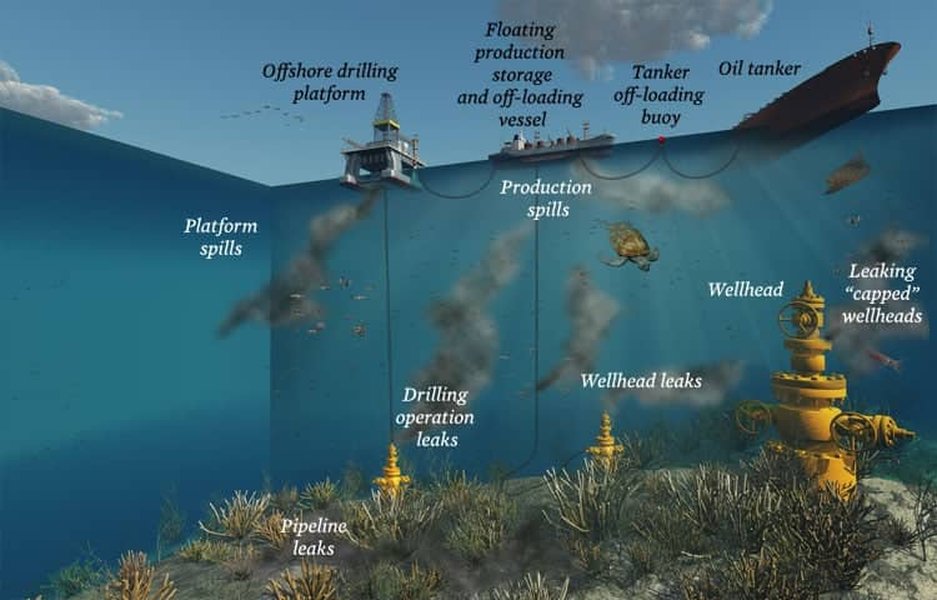
Offshore drilling operations can lead to significant water pollution.
Biosphere: Habitat Loss and Ecosystem Disruption
The biosphere, the sum of all life on Earth, is directly affected by the impacts of fossil fuel extraction and combustion.
- Habitat Destruction: Mining and drilling for fossil fuels often require clearing large areas of vegetation, leading to habitat loss and fragmentation for countless species. For example, strip-mining for oil can destroy boreal forests.
- Air Pollution Impacts on Life: Air pollutants, including sulfur dioxide, nitrogen oxides, particulate matter, and carbon monoxide, are harmful to plants, animals, and human health. These pollutants can damage respiratory systems, reduce crop yields, and impact forest health.
- Climate Change Impacts: The overall warming caused by greenhouse gas emissions alters ecosystems, affecting biodiversity, migration patterns, and the distribution of species. Extreme weather events, intensified by climate change, further stress ecosystems.
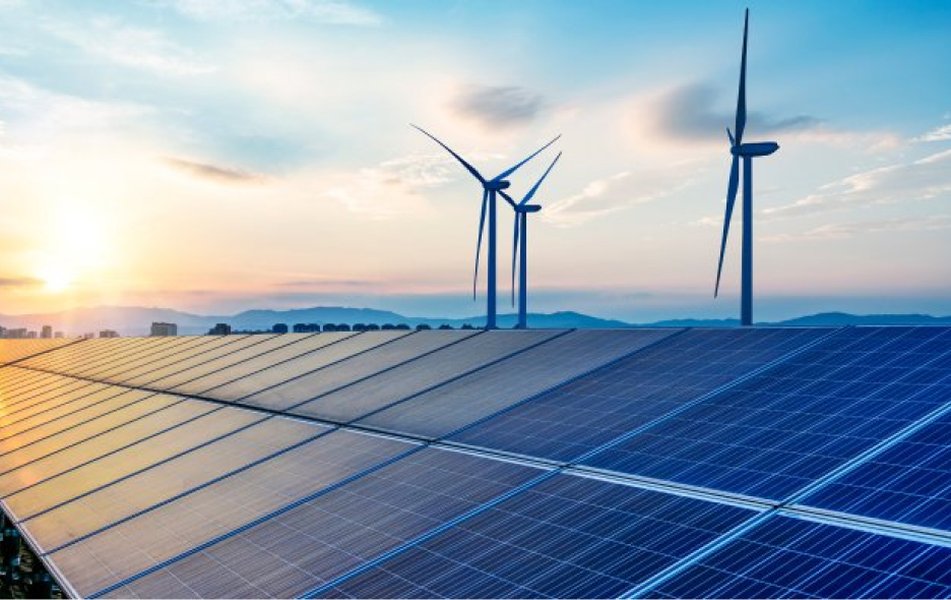
Solar panels transforming sunlight into electricity, illustrating a key renewable energy source.
Geosphere: Landscape Alteration and Resource Depletion
The geosphere, Earth's solid body, is fundamentally altered by the extraction of fossil fuels.
- Land Degradation: Mining activities, such as coal mining, can literally remove mountaintops, leading to severe landscape alteration and erosion. Oil and gas drilling also requires clearing land and constructing infrastructure.
- Resource Depletion: Fossil fuels are non-renewable resources, meaning their extraction depletes finite reserves within the Earth's crust.
- Induced Seismicity: Some extraction methods, particularly fracking, have been linked to an increase in seismic activity, including earthquakes.
Renewable Energy: A Path Towards Sustainability with Considerations
Renewable energy sources, such as solar, wind, hydropower, geothermal, and biomass, are replenished by nature and emit little to no greenhouse gases or pollutants during operation, offering a crucial pathway to combat climate change.
Atmosphere: Cleaner Air and Reduced Emissions
The primary benefit of renewable energy on the atmosphere is the significant reduction in greenhouse gas emissions and air pollutants.
- Reduced Greenhouse Gases: Unlike fossil fuels, renewable energy technologies generally do not emit harmful greenhouse gases or air pollutants during their operation. This directly contributes to mitigating climate change and improving air quality.
- Offsetting Pollution: Increased adoption of renewables offsets the need for electricity generation from sources that release harmful air pollutants like sulfur and nitrogen oxides.
Hydrosphere: Varied Impacts, Generally Lower Than Fossil Fuels
The impact on the hydrosphere from renewable energy sources varies significantly depending on the technology.
- Hydropower: Large hydroelectric dams can alter natural river flows, impacting aquatic ecosystems, sediment transport, and water quality downstream. However, small-scale hydro is often considered more environmentally friendly.
- Geothermal Energy: Geothermal plants can have localized impacts on water resources depending on the cooling systems used.
- Solar and Wind: These technologies typically have minimal direct impact on water resources during operation, though water may be used in manufacturing processes and for cleaning solar panels.
Biosphere: Land Use and Biodiversity Considerations
While often seen as "green," renewable energy projects can still impact the biosphere, primarily through land use and potential effects on wildlife.
- Habitat Alteration: Large-scale solar and wind farms require significant land areas, which can lead to habitat fragmentation and loss if not properly sited. Responsible zoning and construction are crucial to limit negative impacts on biodiversity.
- Wildlife Impacts: Wind turbines can pose a risk to birds and bats if not strategically located. Hydroelectric dams can impede fish migration.
- Material Extraction: The manufacturing of renewable energy components (e.g., solar panels, wind turbine magnets) requires the extraction of various materials, including rare earth elements, which can have localized environmental impacts at mining sites.
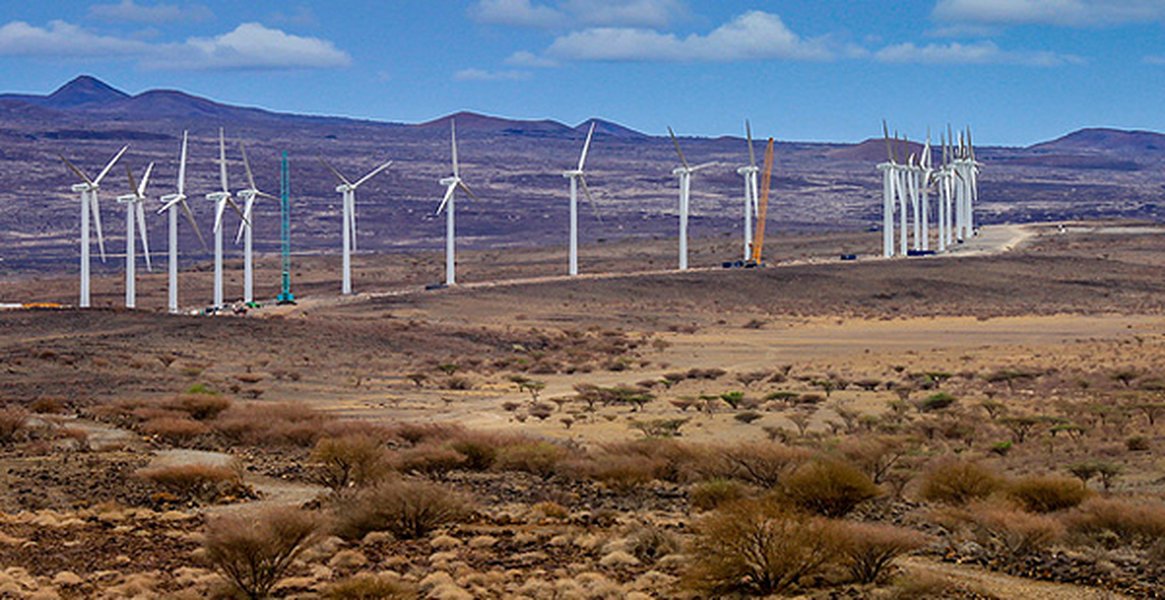
Wind farms are a prominent feature of renewable energy landscapes.
Geosphere: Raw Material Demands and Site-Specific Alterations
Renewable energy infrastructure requires raw materials that are sourced from the geosphere, and projects can alter local geology.
- Mineral Extraction: The construction of solar panels, wind turbines, and batteries for energy storage necessitates the mining of materials like silicon, copper, steel, and critical minerals such as lithium and rare earth elements. While the operational phase is clean, the supply chain for these materials has a geological footprint.
- Land Alteration: Preparing sites for large-scale renewable energy installations (e.g., leveling land for solar farms, foundations for wind turbines) involves some degree of earth movement and alteration of the geosphere.
- Geothermal Systems: Geothermal energy harnesses heat from the Earth's interior, involving drilling into the geosphere.
Comparative Impact Analysis
To better understand the distinct effects, the table below summarizes the key impacts of both fossil fuels and renewable energy across Earth's four major systems. This comparison highlights the significant shift in environmental burden when moving from conventional to clean energy sources.
| Earth System | Fossil Fuel Impact | Renewable Energy Impact |
|---|---|---|
| Atmosphere | Major source of greenhouse gas emissions (CO2, N2O), leading to global warming. Releases harmful air pollutants (SO2, NOx, PM, CO) causing smog and acid rain. | Virtually no greenhouse gas or air pollutant emissions during operation. Significantly reduces atmospheric pollution compared to fossil fuels. |
| Hydrosphere | Ocean acidification due to CO2 absorption. Water pollution from oil spills, acid mine drainage, and fracking fluids. Increased acidity in freshwater bodies from acid rain. | Hydropower alters river flows and aquatic ecosystems. Geothermal can impact local water quality. Manufacturing processes for components may require water. Generally much lower water contamination risks than fossil fuels. |
| Biosphere | Habitat destruction from mining/drilling. Air and water pollution directly harm flora and fauna. Climate change impacts (extreme weather, altered ecosystems) stress biodiversity. | Land use for installations can lead to habitat loss and fragmentation. Potential wildlife impacts (e.g., bird/bat collisions with wind turbines). Raw material extraction for manufacturing can affect local ecosystems. |
| Geosphere | Extensive land degradation (e.g., mountaintop removal, drilling sites). Depletion of finite geological resources. Potential for induced seismicity from extraction methods. | Requires extraction of minerals and rare earth elements for manufacturing components. Site preparation involves earth movement. Geothermal energy directly interacts with Earth's interior. |
This table illustrates that while all energy generation has some environmental footprint, the nature and scale of impacts differ drastically. Fossil fuels are tied to widespread atmospheric and aquatic pollution, leading to global climate shifts. Renewables, while requiring land and materials, fundamentally reduce these widespread pollutants during operation.
Assessing the Overall Environmental Performance of Energy Sources
To provide a more holistic view of the comparative environmental impacts, we can visualize the performance of fossil fuels versus renewable energy across various critical environmental metrics. This radar chart represents an opinionated analysis based on the general understanding of their impacts.
The radar chart visually emphasizes the generally higher environmental impact of fossil fuels across multiple dimensions compared to renewable energy. While renewables are not without their footprint, particularly in areas like land degradation and ecosystem disruption (depending on siting and technology), their negligible contribution to greenhouse gas emissions and air pollution during operation positions them as a far more environmentally favorable choice for future energy needs.
Frequently Asked Questions
What is the most significant environmental impact of burning fossil fuels?
Do renewable energy sources have any negative environmental impacts?
How does oil mining specifically affect the geosphere?
What are the main benefits of switching from fossil fuels to renewable energy?
Conclusion
The choice of energy sources has profound and distinct implications for Earth's interconnected systems. Fossil fuels, throughout their lifecycle from extraction to combustion, exert widespread detrimental effects on the atmosphere, hydrosphere, biosphere, and geosphere, primarily through greenhouse gas emissions, pollution, and habitat destruction. In contrast, renewable energy technologies offer a far cleaner alternative, significantly reducing atmospheric pollution and carbon emissions during operation. While they come with their own set of environmental considerations, primarily related to land use, material extraction, and localized ecological impacts, these are generally manageable and far less severe than those associated with fossil fuels. Accelerating the transition to renewable energy is not merely an environmental imperative but a critical step towards fostering a sustainable future for our planet, mitigating the most severe consequences of climate change, and promoting a healthier coexistence with Earth's vital systems.
Recommended Further Reading
- How to transition to a renewable energy grid?
- What are the long-term health consequences of fossil fuel air pollution?
- What are the strategies for sustainable mining of rare earth elements for renewable technologies?
- Can carbon capture technologies effectively offset fossil fuel emissions?
References
Last updated May 22, 2025