
Engineering Career Aspirations and Socioeconomic Factors
Exploring how SES shapes opportunities and dreams in engineering
Key Highlights
- Access to Resources: Unequal availability of quality education, mentorship, and technology profoundly influences the pursuit of engineering careers.
- Parental and Community Influence: Family background, parental education, and community support largely determine early exposure and encouragement toward STEM fields.
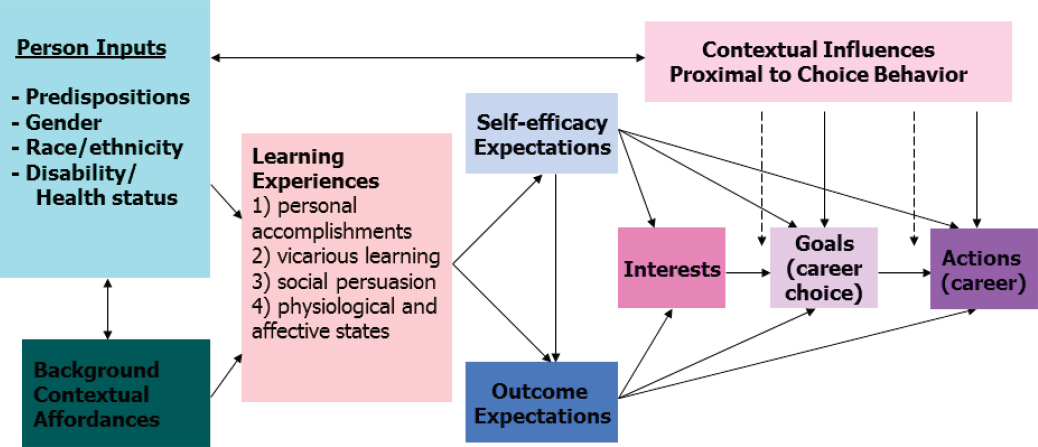
- Perceptions and Role Models: Socioeconomic factors shape self-efficacy, cultural expectations, and provide or limit role models and opportunities necessary for career advancement.
Introduction
Engineering, as a profession, demands not only technical expertise but also a strong foundation in science, technology, engineering, and mathematics (STEM). While aptitude and passion play crucial roles, socioeconomic status (SES) is a significant factor impacting career aspirations in engineering. SES affects everything from early exposure to educational resources, confidence in academic abilities, and parental involvement, to broader societal expectations that can either foster or hinder a student’s journey toward an engineering career.
Understanding Socioeconomic Status (SES) and Its Components
Socioeconomic status is a multi-dimensional construct that includes income level, educational attainment, occupation, access to technology, and social connections. These factors collectively shape experiences, opportunities, and ultimately, career aspirations. Students from higher SES backgrounds generally have better access to educational resources, well-equipped schools, tutoring, and mentoring opportunities, which can lead to higher confidence in fields requiring robust technical skills.
Key Components of SES
- Income: Family income provides the monetary support necessary for accessing supplementary tutoring, advanced courses, technology, and extracurricular activities.
- Educational Attainment: Parents with higher education levels can more effectively advocate for and instill the value of STEM education in their children.
- Access to Resources: Quality schooling with modern equipment, exposure to STEM-based extracurricular activities, and access to the internet and libraries are crucial in developing interest in engineering.
- Social and Professional Networks: Networking connections can introduce students to potential mentors and role models in the engineering field, thereby breaking down perceived barriers.
Influence of SES on Engineering Career Aspirations
The impact of SES on engineering career aspirations can be observed across several dimensions. These range from the actual access to high-quality education and extracurricular STEM programs to more subtle influences such as self-efficacy and cultural expectations.
Access to Resources
One of the most direct ways SES influences career aspirations is through access to resources. Students hailing from affluent backgrounds often attend well-funded schools that offer advanced science laboratories, up-to-date technological tools, and numerous STEM-related extracurricular activities. These opportunities provide early hands-on experiences which, in turn, nurture an interest in engineering. In contrast, students from lower SES backgrounds might face limitations due to inadequate funding, outdated facilities, or even the absence of STEM programs, leading to diminished exposure to potential engineering opportunities.
Educational Resources and Extracurricular Activities
Quality educational environments promote the development of problem-solving skills and critical thinking—both essential for engineering disciplines. Furthermore, after-school programs, robotics clubs, and summer engineering camps can serve as gateways for young talents, but these are often more accessible to those with the financial backing to afford such experiences.
Parental Involvement and Expectations
Parental influence plays a pivotal role in shaping children’s academic trajectories. In families where parents have higher educational levels and established professional careers, children tend to be exposed early on to discussions about science, technology, and potential career paths. The encouragement, expectations, and direct guidance from such families are often significant factors in motivating young individuals to pursue challenging fields like engineering.
Academic Support and Mentorship
Mentorship—whether provided by dedicated teachers, parents, or external professionals—provides the emotional and academic support necessary to navigate difficult STEM subjects. In contrast, students from lower SES backgrounds may lack this layer of support, potentially leading to lower self-confidence, reduced aspirations, and fewer attempts at pursuing engineering studies.
Self-Efficacy and Confidence in STEM
Self-efficacy, or the belief in one's ability to succeed, is another crucial component influenced by SES. Research indicates that students from higher SES backgrounds often show greater self-confidence in mathematics and science, subjects fundamental to an engineering education. Higher self-efficacy encourages persistence through challenging coursework and complex problem-solving tasks.
Impact of Math Self-Efficacy
Confidence in math is particularly critical. Students who believe in their mathematics skills are more inclined to persist in engineering-related courses and ultimately pursue careers in the field. Conversely, lower SES students who do not receive adequate preparation or encouragement in math may develop a self-perception that they are not suited for intricate scientific or engineering disciplines.
Exposure to Engineering Role Models and Professional Networks
Another central factor concerns the exposure to role models in the engineering field. Students from higher SES backgrounds often benefit from networks that offer mentorship or exposure to professionals working in engineering. Such interactions can demystify the profession, provide practical insights into the engineering industry, and ultimately mold career aspirations. For students lacking these networks, the field may seem abstract, distant, or unattainable.
Role of Community and Cultural Expectations
Cultural values and community expectations also significantly influence career choices. In communities where certain careers are highly esteemed—such as engineering in economically advanced areas—students are more likely to aspire to join these ranks. These expectations are often nurtured by a culture that values technical and innovative problem solving.
How SES Intersects with Educational Strategies and Policy
Recognizing the influence of SES on engineering career aspirations has led to the development of several educational and policy strategies intended to level the playing field for underrepresented groups. These strategies are aimed at mitigating the disadvantages faced by lower SES students and ensuring that talent is nurtured regardless of financial background.
Institutional Interventions
Educational institutions are increasingly implementing interventions such as outreach programs, specialized scholarships, and mentorship initiatives to encourage students from lower SES backgrounds to explore STEM fields.
Outreach Programs and Mentoring Initiatives
Outreach programs play a vital role in introducing students to engineering concepts. Programs such as summer engineering camps, robotics competitions, and school visits by professionals provide firsthand encounter with the engineering world. Mentorship initiatives, often supported by both educational institutions and private enterprises, help students navigate academic challenges and provide guidance tailored to their needs.
Scholarships and Financial Aid
Scholarships and financial aids are essential instruments that help alleviate economic barriers. By reducing financial strain, these measures allow talented students from lower SES backgrounds to pursue higher education in engineering without the heavy burden of debt or the worry of inadequate resources.
Governmental and Policy Support
Governments play a crucial role in shaping educational policies to foster equitable opportunities in STEM education. Funding for STEM education, targeted programs for underrepresented communities, and national initiatives to raise awareness about engineering careers are examples of policy-level interventions designed to bridge the SES gap. Such initiatives ensure that even students from less privileged backgrounds can aspire to and achieve careers in engineering.
Comparative Overview: SES Impact on Engineering Versus Other Professions
While SES factors undeniably affect career aspirations across all fields, engineering as a discipline has shown some distinct trends when compared with other sectors. For instance, research indicates that a greater proportion of engineering professionals come from lower SES backgrounds compared to certain fields like medicine. This suggests that while inequalities exist, there are also unique pathways and support structures within engineering that can provide opportunities for upward mobility.
Table: Comparative SES Influences in Engineering and Other Professions
| Aspect | Engineering | Medicine | Other Professions |
|---|---|---|---|
| Access to Mentorship | High access through outreach programs and industry networks | Often limited due to traditional pathways | Varies widely; some fields have strong alumni support |
| Role Models | Diverse set of role models improving perception among diverse backgrounds | Highly specialized, less diverse in certain regions | Dependent on profession, but often limited in technical sectors |
| Financial Aid Availability | Numerous scholarships and targeted programs | Often expensive, with intense competition for grants | Generally variable, with some fields being more accessible |
| Impact of Parental Education | Strong correlation with early interest and academic performance | Significant, particularly in competitive environments | Influences a broad range of career paths |
Strategies to Improve Engineering Aspirations Among Lower SES Groups
Addressing the gap in engineering aspirations requires multifaceted strategies that account for diverse influences ranging from resource allocation to social support networks. Both grassroots initiatives and systemic reforms are crucial in this effort.
Educational Reforms and Community Programs
Implementing reforms in the educational system can ensure that students from lower SES backgrounds receive the necessary support early on. This might include revising curricula to integrate practical STEM applications, reinforcing math and science education, and providing additional training for educators to recognize and nurture talent.
Community STEM Workshops
Local workshops and community centers focused on STEM can serve as excellent platforms to introduce engineering concepts outside the traditional classroom setting. Such programs not only provide hands-on experiences but also foster collaborations among students, mentors, and educators from diverse backgrounds.
Integration of Mentorship and Role Model Programs
Building networks that connect students with active engineering professionals is essential. These mentorship programs can take the form of school visits, virtual conferences, and collaborative projects between universities and industries. Exposure to real-world engineering challenges and success stories helps demystify the field, instilling greater ambition in students.
Targeted Mentorship for At-Risk Youth
Initiatives specifically targeting youth from lower SES neighborhoods often provide not only technical guidance but also emotional support. By focusing on building confidence and fostering a sense of belonging in the STEM community, these programs can dramatically improve the likelihood of students pursuing further engineering studies.
Financial Support Initiatives
Financial constraints cannot be overlooked as a barrier to engineering education. Increased provision of scholarships, grants, and subsidies tailored to students from low-income families are vital. By reducing financial burdens, these initiatives facilitate access to quality technical training and higher education programs in engineering.
Government and Private Sector Collaborations
Strategic partnerships between governments, educational institutions, and private corporations can bolster funding and implement large-scale interventions. These collaborations often materialize in the form of sponsored internships, research opportunities, and innovation labs that provide equitable access to advanced engineering projects.
Final Thoughts on Building a Diverse Engineering Future
The relationship between socioeconomic status and engineering career aspirations is complex but full of potential for change. While challenges remain, the convergence of educational reforms, community engagement, targeted mentorship, and robust financial support can help dismantle the barriers imposed by SES. By fostering environments that nurture talent regardless of economic background, the engineering field can evolve into one of the most inclusive and dynamic industries, reflecting a wide spectrum of perspectives and innovative ideas.
Initiatives at both the policy and grassroots levels are essential for ensuring that every aspiring engineer—regardless of SES—is given the opportunity to contribute to technological advancements and societal progress. Continued investment in targeted programs and consistent policy support represents the cornerstone of a future where engineering is truly accessible to all.
References
- Factors influencing student interest in STEM careers - Nature
- Impact of socio-economic background on early perceptions of engineering - EngineeringUK
- Socioeconomic Trends in Engineering - ResearchGate
-
STEM Experiences of Engineering Students - ASEE PEER
- Advancement of Engineers and SES - Springer
Recommended Queries
Last updated March 21, 2025