
Enhancing People Management in Scientific Laboratories
Strategies for Effective Leadership and Team Collaboration
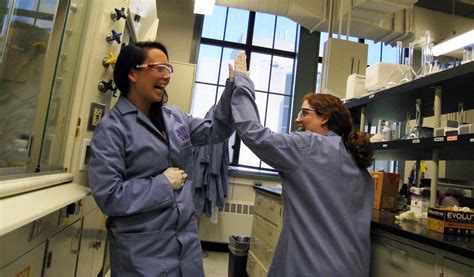
Key Takeaways
- Prioritize Team Well-Being: Focus on the personal and professional growth of each team member to foster a motivated and productive lab environment.
- Foster Clear Communication: Implement transparent communication channels and regular meetings to ensure alignment and collaboration among team members.
- Set Clear Goals and Expectations: Define roles, responsibilities, and measurable objectives to track progress and maintain accountability within the team.
1. Prioritize Your Team’s Well-Being and Professional Growth
Understanding Individual Needs
Recognizing that each team member has unique career aspirations, challenges, and personal circumstances is fundamental to effective people management. Regular one-on-one meetings provide an opportunity to discuss individual goals, address any concerns, and offer personalized support. By tailoring management approaches to the specific needs of each lab member, leaders can build trust and enhance job satisfaction.
Enabling Professional Development
Investing in the continuous professional development of lab members is crucial. This can be achieved by providing access to training programs, workshops, and conferences that align with both the lab’s objectives and the individual’s career goals. Encouraging participation in journal clubs or peer-led seminars fosters a culture of learning and keeps the team updated on the latest scientific advancements and methodologies.
Promoting Work-Life Balance
Maintaining a healthy work-life balance is essential to prevent burnout and ensure long-term productivity. Leaders should advocate for reasonable working hours, offer flexible scheduling when possible, and provide resources for mental health support. Creating an environment where team members feel respected and supported in balancing their personal and professional lives leads to a more engaged and resilient workforce.
2. Foster Clear and Open Communication
Establish Transparent Communication Channels
Effective communication is the backbone of a successful laboratory. Utilizing tools such as Slack, Microsoft Teams, or specialized lab management software can streamline interactions and ensure that all team members are informed about ongoing projects, updates, and changes. Transparent communication minimizes misunderstandings and fosters a collaborative atmosphere where information flows freely.
Hold Regular Meetings
Regularly scheduled lab meetings, whether weekly or biweekly, are essential for discussing progress, addressing challenges, and planning future tasks. These gatherings provide a platform for brainstorming ideas, sharing updates, and coordinating efforts, ensuring that everyone remains aligned with the lab’s goals. Additionally, one-on-one check-ins allow for more personalized discussions and feedback.
Encourage Feedback
Creating a culture where team members feel comfortable sharing their ideas, concerns, and suggestions is vital for continuous improvement. Implementing anonymous feedback mechanisms can further ensure that everyone’s voice is heard without fear of repercussions. Actively seeking and valuing feedback demonstrates respect for team members’ opinions and contributions.
3. Set Clear Expectations and Goals
Define Roles and Responsibilities
Clearly outlining each team member’s role and responsibilities helps prevent confusion and overlap, ensuring that tasks are efficiently distributed and accountability is maintained. Detailed role definitions enable individuals to understand their specific contributions to the lab’s overall objectives, fostering a sense of purpose and direction.
Set Measurable Objectives
Establishing both short-term and long-term goals provides a roadmap for the lab’s progress. Measurable objectives allow for the tracking of advancements and the assessment of performance against predefined benchmarks. This clarity helps keep the team focused and motivated, as everyone understands the targets they are working towards.
Provide Constructive Feedback
Regular performance reviews and feedback sessions are critical for the professional growth of team members. Constructive feedback, when delivered thoughtfully, can guide individuals in improving their skills and addressing any areas of concern. This ongoing dialogue fosters an environment of continual learning and development.
4. Promote Collaboration and Teamwork
Encourage Knowledge Sharing
Facilitating opportunities for team members to share their expertise, such as through internal seminars or journal clubs, promotes a collaborative learning environment. Knowledge sharing enhances the collective skill set of the team and can lead to innovative approaches and solutions to research challenges.
Facilitate Cross-Functional Collaboration
Pairing team members with complementary skills to work on joint projects encourages interdisciplinary collaboration. This approach not only fosters innovation but also allows individuals to learn from each other, broadening their skill sets and enhancing overall team performance.
Celebrate Successes
Acknowledging and celebrating team achievements, whether through verbal recognition or formal awards, boosts morale and reinforces a sense of accomplishment. Celebrations of success can cultivate a positive work environment where team members feel valued and motivated to continue contributing their best efforts.
5. Streamline Lab Operations
Optimize Resource Management
Efficient management of lab supplies, equipment, and budgets is essential to avoid delays and frustrations that can hamper productivity. Implementing effective inventory management systems and ensuring that resources are readily available supports smooth lab operations and minimizes downtime.
Implement Lab Management Tools
Utilizing electronic lab notebooks (ELNs) or specialized lab management software can organize data, track experiments, and improve workflow efficiency. These tools facilitate better project tracking, data management, and collaboration, enabling the lab to operate more effectively and cohesively.
Maintain a Safe and Organized Workspace
Ensuring that the laboratory environment is clean, well-organized, and adheres to safety protocols is paramount. Regular safety audits and adherence to standard operating procedures not only protect the well-being of team members but also contribute to a more efficient and focused work atmosphere.
6. Lead by Example
Model Inclusive Behavior
Leaders set the tone for the lab culture through their behavior. Demonstrating respect, inclusivity, and fairness in all interactions fosters an environment where team members feel valued and respected. Inclusive leadership encourages diversity of thought and creates a more dynamic and innovative team.
Be Approachable and Supportive
Making oneself available to address concerns and provide guidance enhances the leader’s accessibility and approachability. An open-door policy encourages team members to seek support when needed, promoting a supportive and responsive leadership style.
Stay Adaptable
The scientific landscape is constantly evolving, and leaders must remain open to new ideas and flexible in their strategies. Being willing to adjust approaches based on feedback and changing circumstances ensures that the lab remains responsive and resilient in the face of challenges.
7. Address Conflicts Proactively
Identify and Resolve Conflicts Early
Swift identification and resolution of conflicts prevent issues from escalating and disrupting the lab’s harmony. Addressing interpersonal or professional disagreements promptly maintains a positive working environment and ensures that team dynamics remain healthy.
Mediate Disputes Fairly
Acting as a neutral party, leaders can facilitate constructive discussions to resolve disputes. Fair mediation helps in finding mutually acceptable solutions and reinforces trust and respect within the team.
Promote a Positive Culture
Encouraging respect, empathy, and collaboration minimizes the occurrence of conflicts and fosters a supportive and cohesive team culture. A positive work environment enhances overall team satisfaction and productivity.
8. Leverage Technology and Tools
Use Collaboration Platforms
Adopting collaboration platforms such as Labguru or Labfolder aids in managing projects, tracking progress, and facilitating communication. These tools provide centralized access to information and streamline workflows, enhancing overall lab productivity.
Automate Repetitive Tasks
Implementing automation tools reduces the manual workload, allowing team members to focus on more meaningful and complex tasks. Automation enhances efficiency and accuracy, contributing to higher productivity levels within the lab.
Stay Updated on Trends
Keeping abreast of new technologies and methodologies ensures that the lab remains at the forefront of scientific advancements. Incorporating innovative tools and practices can significantly enhance lab productivity and team satisfaction.
9. Foster a Collaborative and Inclusive Culture
Encourage Teamwork
Organizing collaborative projects and group discussions fosters a sense of unity and shared purpose among team members. Teamwork enhances problem-solving capabilities and drives innovation through the combination of diverse perspectives and expertise.
Promote Inclusivity
Respecting diverse perspectives and ensuring that all team members feel valued contributes to an inclusive lab environment. Inclusivity not only enhances team morale but also enriches the research process by incorporating a wide range of ideas and approaches.
Acknowledge and Celebrate Achievements
Publicly recognizing and celebrating the accomplishments of team members boosts morale and motivates continued excellence. Celebrations of success reinforce a culture of achievement and appreciation, fostering a positive and motivating work environment.
10. Lead Ethically and Responsibly
Emphasize Research Integrity
Maintaining high standards of research integrity and ethical behavior is fundamental to the credibility of the lab’s work. Leaders must prioritize ethical practices and ensure that all team members adhere to regulatory and institutional guidelines.
Foster a Culture of Accountability
Encouraging accountability rather than blame creates a responsible and trustworthy lab environment. When team members take ownership of their actions and understand their impact on the lab’s objectives, it fosters a sense of responsibility and commitment to excellence.
Ensure Compliance with Regulations
Adhering to safety protocols and regulatory standards is essential for the safe and ethical operation of the lab. Regular training and compliance checks help maintain a secure work environment and uphold the lab’s reputation for integrity.
Conclusion
Improving people management in a scientific lab is a multifaceted endeavor that requires a balanced approach encompassing leadership, communication, collaboration, and resource management. By prioritizing team well-being, fostering clear and open communication, setting explicit goals and expectations, and promoting an inclusive and collaborative culture, laboratory leaders can create a productive and harmonious work environment. Additionally, leveraging technology, addressing conflicts proactively, and leading ethically are essential components that contribute to the sustained success and innovation within the lab. Implementing these comprehensive strategies not only enhances the efficiency and morale of the team but also drives the lab towards achieving its scientific objectives with excellence and integrity.
References
Last updated January 19, 2025