
Scientific Evidence on Distant Family Support in Dementia Care
Exploring how relatives organize daily life remotely using practical tools
Key Highlights
- Valuable Remote Support: Evidence shows that relatives can support daily tasks and appointments even from a distance.
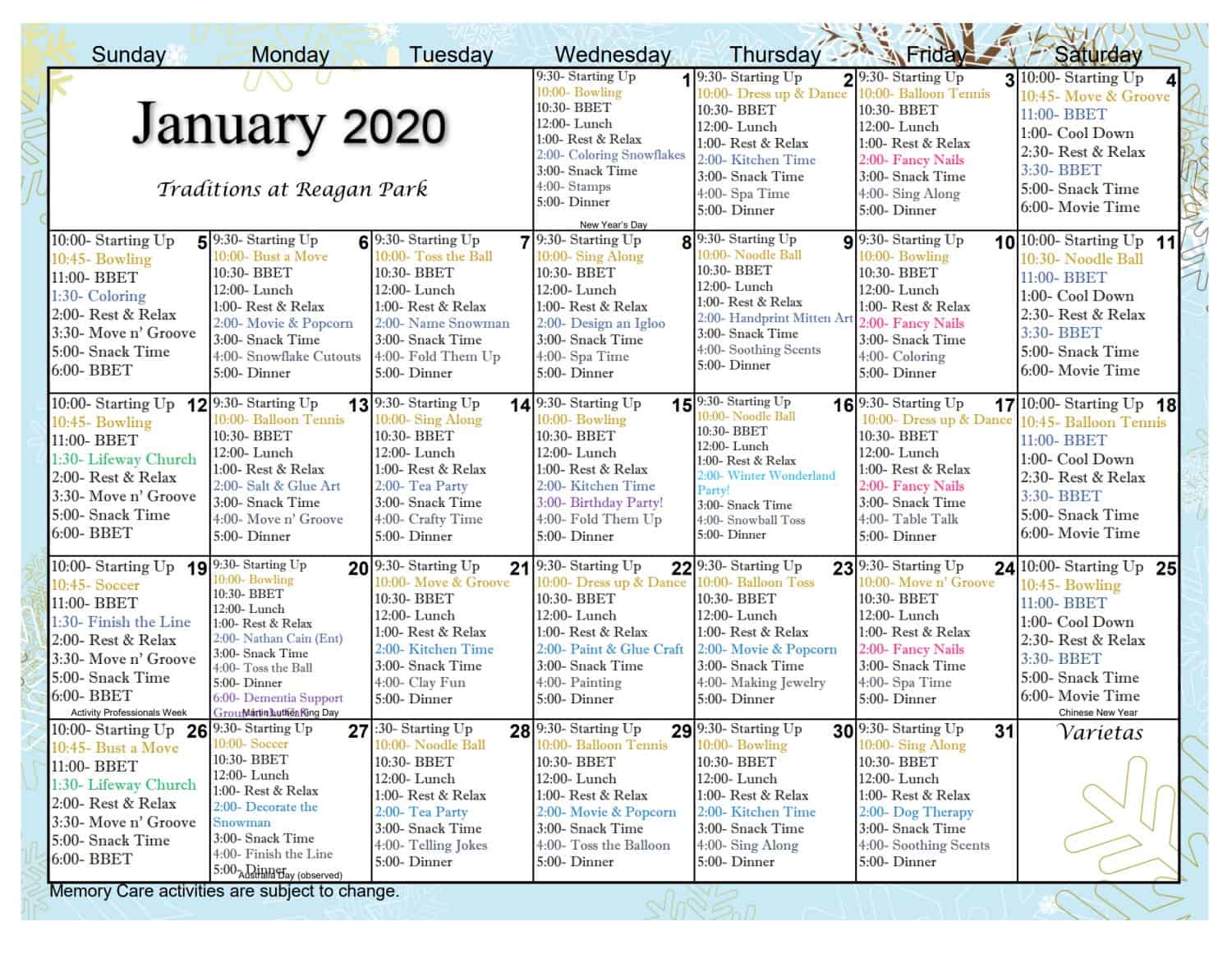
- Desk Calendars and Daily Planning: Studies indicate the use of desk calendars or similar tools helps remind patients of daily routines and appointments, although challenges arise as the disease progresses.
- Challenges with Dementia Progression: With advancing dementia, issues like misplacement of calendars and temporal disorientation lead to increased complexity in daily planning.
Introduction
Managing dementia care places a significant burden not only on the people diagnosed with the condition but also on their families. A body of scientific literature has documented that relatives, including those who are not physically proximate, can offer essential support in organizing and managing daily routines for their loved ones with dementia. This remote support may include the use of tools such as desk calendars to remind patients of important appointments (like doctor visits or sports group meetings) and daily tasks (such as taking medication or using the bathroom). However, the progression of dementia introduces challenges, including the potential for these organizational tools to be misplaced or inadvertently altered, and the onset of temporal disorientation, which can complicate even well-established routines.
Support from Distant Relatives
Research has long indicated that family members play a pivotal role in the well-being and daily care routines of individuals with dementia. Even when they reside at a distance, these relatives can have a measurable positive impact. In various studies, family involvement—regardless of geographical proximity—has been linked with improved quality of life for patients suffering from dementia. The support provided by distant relatives is not limited to emotional reassurance, but also practical assistance in maintaining regular daily activities.
Remote Support Strategies
Distant relatives often rely on digital communication technologies and traditional tools to maintain an open line of support. Among these, the use of desk calendars is one of the more practical examples. By updating a physical calendar or even a digitally shared calendar, relatives are able to remind their loved ones about appointments, scheduled activities, and important daily tasks. The calendar serves as a constant visual cue that helps structure the day.
Organizing Daily Life
In the early and middle stages of dementia, patients may still be able to comprehend and utilize tools like desk calendars effectively. The organizational structure provided by the calendar supports key daily functions such as remembering to take medication or being aware of upcoming events and appointments. Scientific work in this field has indicated that structured daily activities are associated with lower rates of additional modifiable risk factors for dementia.
Technological Integration
In recent years, along with traditional desk calendars, digital tools have become increasingly popular. Digital calendars, when synchronized with mobile applications, help maintain a record of appointments and reminders. However, the literature underscores that while these tools offer potential, the cognitive impairments associated with dementia can still result in errors such as misinterpretations, missed entries, or misplaced calendars. These incidents highlight the delicate balance between the utility of organizational support and the challenges posed by advancing dementia.
Challenges as Dementia Progresses
Although the assistance provided by relatives is undoubtedly beneficial, scientific evidence also points to several challenges that emerge with the progression of dementia. As individuals advance in their condition, organizational tools that once served as effective aids may begin to lose their effectiveness. Two particularly pertinent issues include the misplacement or inadvertent shifting of calendars and increasing temporal disorientation.
Misplacement and Alteration of Organizational Tools
Studies within the realm of dementia care note that physical tools such as desk calendars are often vulnerable to being misplaced or unintentionally moved around by individuals experiencing cognitive decline. For example, when a patient moves a calendar out of its designated place, they may forget the context of the information it provided, leading to episodes of confusion. Even when reminders are provided by relatives through remote means, the physical disarray can create gaps in the daily planning process. Consequently, the meticulous organization planned by caregivers can be disrupted, which in turn heightens stress levels both for the patient and for those providing support.
Temporal Disorientation
One of the most challenging aspects of dementia progression is temporal disorientation. Temporal disorientation refers to the difficulty in understanding the passage of time and correctly identifying the current day, week, or month. Scientific reviews have demonstrated that as dementia worsens, patients may not be able to accurately process the correct calendar week, leading to misinterpretations of dates and appointments. This disorientation is not only problematic in terms of maintaining regular routines but can also severely compromise the management of medication schedules, attendance at scheduled activities, and overall daily functioning.
Impacts on Daily Routines
The inability to decipher calendar information can result in critical lapses in daily planning. Instances where patients misread or fail to interpret the calendar correctly can lead to forgotten appointments, missed doses of medication, and general disorganization of daily routines. Such failures often necessitate additional interventions by family members and healthcare professionals, further emphasizing the need for adaptable systems that can accommodate the cognitive challenges associated with dementia.
Managing Increased Stress
When organizational tools become unreliable due to cognitive decline, it can cause significant emotional and psychological stress for both the patient and their caretakers. The stress experienced by family members manifests not only in the heightened responsibility of constant supervision but also in the emotional burden of witnessing the progressive loss of autonomy in their loved ones. Studies have documented that as dementia advances, individuals require increasingly coordinated efforts and sometimes professional intervention to re-establish consistent daily structures.
Scientific Papers and Evidence
A range of scientific studies and reviews published over recent years provides empirical support for the conclusion that relatives can offer significant assistance, even when they are physically distant. Although directly addressing the precise scenario of desk calendar usage is complex, multiple scientific papers converge on several interconnected conclusions:
Family Support and Mitigation of Dementia Risks
Research in the area of familial support highlights that the presence and active involvement of relatives—spouses, children, or extended family—serves as a protective factor against several modifiable risk factors. Remote caregiving has been linked with better management of daily activities, which in turn positively correlates with overall patient health. One study details that the lack of readily available family support is associated with higher incidences of social isolation, depressive symptoms, and risky behaviors in cognitively impaired elderly individuals.
Distant Caregiver Involvement
Scientific literature underscores that the distance between the caregiver and the patient does not diminish the importance of this support. Rather, advancements in communication technologies have facilitated remote caregiving, making it possible for family members to remain engaged in daily planning despite geographical separation. Whether through video conferencing, telephone calls, or digital scheduling applications, distant relatives continue to influence daily habits and ensure that reminders for medication, appointments, and other routines are effectively relayed.
Challenges with Organizational Tools
Several empirical studies have noted that while the use of organizational tools like desk calendars is beneficial in the initial and middle stages of dementia, their utility declines as cognitive impairments become more pronounced. Scientific reviews indicate that the misplacement, modification, or misinterpretation of such tools can lead to confusion and exacerbate the challenges faced by patients with advancing dementia. Temporal disorientation, in particular, is cited as a significant contributor to the failure of these tools in maintaining coherent daily structures.
Empirical Evidence Table
Below is an HTML table summarizing several key studies that discuss the role of family support and the challenges of daily planning in dementia care:
| Study Title | Key Finding | Link |
|---|---|---|
| Family Support and Dementia Risk Mitigation | Identifies familial involvement as a protective factor against modifiable risk factors, even when support is remote. | View Paper |
| Role of Remote Caregivers in Daily Planning | Highlights how distant relatives use digital and physical tools to maintain daily routines for patients. | View Paper |
| Impacts of Dementia on Daily Organizational Tools | Examines challenges like temporal disorientation and misplacement of tools such as desk calendars as dementia progresses. | View Paper |
| Distant Family Care in Dementia | Discusses the continued value of remote support in maintaining patient routines despite cognitive decline. | View Paper |
Synthesis and Critical Analysis
The convergence across scientific literature confirms that relatives, irrespective of their physical proximity, provide essential support to those with dementia. One of the predominant themes is the effectiveness of structured daily routines, aided by tools such as desk calendars. Initially, these tools serve as effective aids in reminding patients about daily activities, appointments, and medication schedules. Nevertheless, as dementia progresses, cognitive impairments—including temporal disorientation—result in misinterpretations of this organized information, leading many patients to misplace or shift their calendars.
The empirical evidence stresses that the mere presence of a supportive family network can slow the deterioration of daily life structures. This protective factor is observed in both direct and remote caregiving scenarios. Additionally, as the disease progresses, enhanced monitoring and adaptive interventions become necessary to address the challenges posed by the evolving cognitive state of patients. This includes modifying the way reminders are displayed or integrating universal design principles to better suit the cognitive needs of individuals with dementia.
Notably, while there is substantial literature supporting remote caregiving and the use of physical tools such as desk calendars, a call for further research is evident. Future studies are encouraged to explore next-generation digital and physical interventions that are more resilient to the challenges of dementia. Such research may include the development of smart calendars that adjust dynamically to the patient's condition or digital reminders integrated with sensory cues to counterbalance temporal disorientation.
Conclusion
In summary, the body of scientific literature strongly supports the conclusion that relatives can offer invaluable support in dementia care, even when provided from a distance. Using tools such as desk calendars, relatives help organize daily activities—including appointments and essential routines—which significantly contributes to a better quality of life for individuals with dementia. However, as the condition advances, the very tools designed to help may become sources of confusion due to factors like misplacement and pronounced temporal disorientation. This underscores the critical need for adaptive strategies and further innovation in caregiving tools that can evolve alongside the patient’s condition.
The findings underscore an important takeaway: while remote and familial support remains a cornerstone of effective dementia care, continuous adaptation and support for both patients and their families are paramount as dementia progresses. Future research and interventions should invest in developing user-friendly, resilient support tools aimed at mitigating the challenges associated with severe cognitive impairments, ensuring that both organizational tasks and daily routines can be sustained with minimal disruption.
References
- Association of Family Support With Lower Modifiable Risk Factors for Dementia - PubMed
-
Factors Associated with the Intention to Engage in Care Planning - ScienceDirect
-
Deconstructing the Performance of Everyday Activities in Dementia - ScienceDirect
-
Reducing the Distance in Distance-Caregiving in Dementia - PMC
Recommended
Last updated February 26, 2025