
Unveiling the Impact of Wildlife Forensics
Exploring the critical role of forensic science in wildlife conservation and legal enforcement
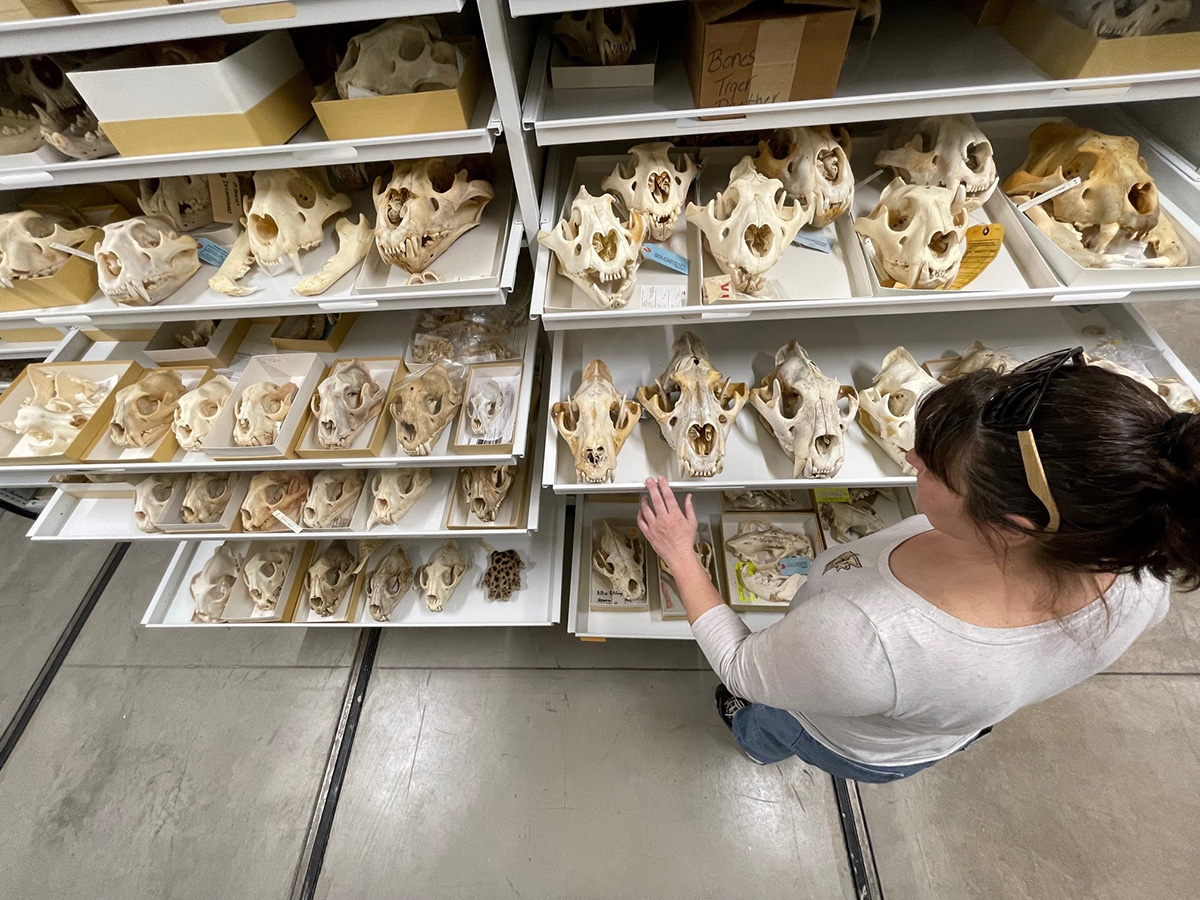
Key Highlights
- Investigative Power: Wildlife forensics provides the scientific backbone for identifying crime scenes and linking evidence to poachers and traffickers.
- Conservation Impact: Identifying endangered species and habitats helps steer targeted conservation and legal actions.
- Global Collaboration: The field promotes international cooperation and advanced training for law enforcement across borders.
Understanding Wildlife Forensics
Wildlife forensics is a specialized field within forensic science that employs scientific methods and techniques to analyze evidence from wildlife crime scenes. It connects evidence – ranging from biological samples such as DNA, hair, feathers, and tissue samples – to identify species, trace origins, and ultimately assist in prosecuting crimes. These efforts are crucial for protecting endangered species, ensuring biodiversity, and maintaining the ecological balance.
Fundamental Aspects of Wildlife Forensic Science
Crime Investigation and Legal Evidence
One of the central roles of wildlife forensic science is to provide robust scientific evidence that can be used in court proceedings. By using techniques such as DNA analysis, morphological examinations, and other advanced methods, forensic experts can:
- Link suspects to crime scenes by matching biological evidence gathered from animals and crime scenes.
- Identify species and authenticate the legality of wildlife products, particularly in cases involving endangered or protected species.
- Support legal frameworks under international agreements such as CITES (Convention on International Trade in Endangered Species) by substantiating evidence of illegal trade.
Conservation and Biodiversity Protection
Wildlife forensic science is not only about catching criminals but also plays a vital role in conservation biology. By identifying and protecting species under threat, forensic analyses contribute to:
- Mapping biodiversity to understand which species are at greatest risk and why.
- Reconstructing crime scenes and mechanisms of poaching or illegal harvesting, which informs broader conservation strategies.
- Contributing to the management and recovery of ecosystems, with data-driven insights influencing environmental policies and regulations.
Technological Advancements and Methodologies
Advances in technology have bolstered the capabilities of wildlife forensic scientists significantly. Modern methods are constantly evolving, with breakthroughs in digital forensics, high-throughput DNA sequencing, and non-invasive sampling techniques enabling faster and more accurate analyses. The integration of technology has also led to the development of specialized laboratories and training programs dedicated to wildlife forensics.
These innovations help enhance the precision of forensic tests, thereby improving the chances of identifying illegal activities and ensuring that culprits are held accountable.
Global Cooperation and Capacity Building
Wildlife crime is a transnational issue that requires global collaboration. As such, wildlife forensic science lends itself to international cooperation by:
- Providing standardized protocols for evidence collection and analysis that can be applied across borders.
- Supporting networks of forensic experts and integrated platforms such as the TRACE Network and organizations like the United Nations Office on Drugs and Crime.
- Facilitating training programs and capacity building among law enforcement agencies worldwide to effectively tackle wildlife crime.
Detailed Analysis Using Comparative Table
The table below summarizes key areas of wildlife forensic science, comparing different aspects and their significance in the field:
| Aspect | Description | Impact |
|---|---|---|
| Legal Evidence |
Utilizes DNA analysis, biological sampling, and advanced microscopy to link evidence with wildlife crime scenes. Identifies species, tracks the origin of seized wildlife products, and supports prosecutions. |
Strengthens legal cases, deters illegal trafficking, and supports law enforcement to successfully prosecute offenders. |
| Conservation Efforts |
Identifies endangered species through forensic methods, providing insights into population genetics and habitat threats. Assists in mapping biodiversity and guiding conservation strategies. |
Protects vulnerable species, informs environmental policy, and aids in ecological restoration efforts. |
| Technological Innovation |
Incorporates advanced techniques such as high-throughput DNA sequencing, non-invasive sampling, and digital forensics. Enhances the speed and accuracy of forensic investigations. |
Improves forensic analysis capabilities; drives improvements in investigative methods that support both conservation and legal proceedings. |
| International Collaboration |
Supports cross-border efforts through standardized protocols and international training initiatives. Engages global networks and organizations to combat wildlife crime effectively. |
Facilitates coordinated global efforts; maximizes impact through shared knowledge and resources. |
| Public Awareness & Education |
Raises awareness about the impacts of wildlife crime through documented evidence and high-profile cases. Educates stakeholders about the importance of wildlife conservation. |
Encourages community participation and supports policies aimed at wildlife protection; increases transparency and accountability. |
Integrated Case Studies and Global Impact
Case Study: Combating Poaching in Africa
In various regions across Africa, wildlife forensic science has been instrumental in combating poaching. By deploying advanced DNA profiling and morphological analysis, investigators have successfully linked poached materials with specific parts of the wildlife supply chain. This forensic evidence, when paired with strong legal frameworks, has resulted in several high-profile convictions.
These investigations not only lead to criminal prosecutions but also provide critical data on poaching hotspots, which is then integrated into conservation strategies for endangered species such as elephants and rhinos.
Case Study: International Wildlife Trafficking Networks
Wildlife forensic science plays a crucial role in dismantling international trafficking networks. By tracing the genetic makeup of seized wildlife products and comparing them with global databases, forensic experts are able to piece together trafficking routes and identify traffickers. This global exchange of forensic intelligence has been instrumental in reducing the market for illegally traded wildlife, thereby disrupting sophisticated criminal networks.
The collaboration between forensic laboratories worldwide has been enhanced by the development of international standards and secure data-sharing initiatives. As a result, countries are better equipped to enforce wildlife protection laws and work together in identifying and prosecuting international wildlife crimes.
Educational Impact and Public Engagement
Beyond its technical contributions, wildlife forensics has proven effective in raising public awareness about the seriousness of wildlife crimes. Documentation of forensic investigations and the success stories of convictions have become powerful tools in environmental education, creating a ripple effect that encourages deeper community involvement. In this manner, public engagement has grown, leading to increased support for conservation initiatives and a more informed citizenry.
Future Perspectives and Ongoing Developments
Emerging Technologies
Moving forward, wildlife forensic science will continue to benefit from emerging technologies. These include next-generation sequencing, more precise analytical instruments, and integrated digital platforms that improve case management. With ongoing advancements, forensic scientists are set to become even more effective in tracing wildlife crimes to their origins.
Capacity Building and Global Networks
Continuous training and capacity building initiatives are focusing on equipping law enforcement with modern forensic tools. International organizations and governmental agencies are increasingly investing in forensic research and infrastructure, ensuring that the global fight against wildlife crime remains robust and proactive.
Policy and Regulatory Enhancements
As forensic evidence becomes more central to wildlife protection, there is a growing call for enhanced policies and regulations. Laws governing wildlife conservation are gradually integrating forensic findings to provide more accurate, evidence-based sentencing and improved prosecution rates. This ongoing dialogue between scientific communities and legislative bodies is expected to drive further improvements in wildlife conservation strategies.
Comparative Overview of Key Elements
The table below provides a comparative overview of different elements of wildlife forensic science, highlighting how each contributes to the overall impact on conservation and legal enforcement:
| Element | Methodology | Scope | Role in Conservation |
|---|---|---|---|
| DNA Analysis |
Molecular techniques including PCR and sequencing to analyze biological samples. |
Species identification, linking suspects with evidence, tracing wildlife product origins. | Critical in confirming species identity, enabling targeted protection, and supporting legal enforcement. |
| Morphological Studies | Examination of physical characteristics of tissues, hair, feathers, and bones. | Rapid species verification, supplementing molecular data. | Enhances evidence collection and aids in reconstructing crime events. |
| Digital Forensics | Integration of digital imagery and data analysis tools to process and archive evidence. | Supports cross-border investigations, facilitates data sharing. | Provides modern tools to track and analyze wildlife crime systematically. |
| International Collaboration | Adoption of standard protocols and information networks. | Facilitates exchange between forensic labs worldwide. | Enhances global response to wildlife crime and conservation strategies. |
References
- The Importance of Forensic Science in Wildlife Investigations - UF Forensics
- What Is Wildlife Forensics And How Does It Help? - Science ABC
- Wildlife Forensic Science - Wikipedia
- Wildlife Forensics: A Complete Overview - Forensic's Blog
- Forensics in Wildlife Crime Investigation - Wildlife Conservation Trust
Recommended Queries

Last updated March 25, 2025