
Weather's Impact on SSE plc's Balancing Costs
Exploring the relationship between weather conditions, renewable output, and balancing costs at SSE plc
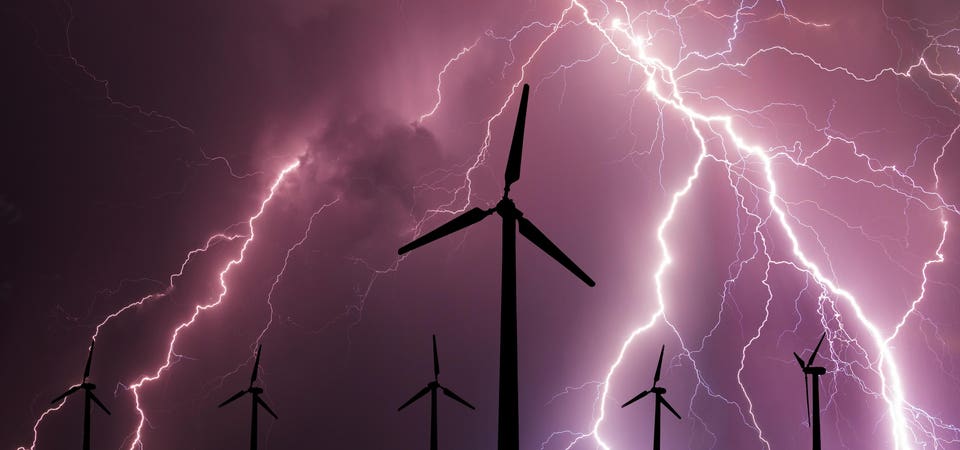
Highlights
- Renewable Output Variability: Weather conditions greatly influence renewable energy production levels at SSE plc.
- Balancing Cost Fluctuations: Variable weather causes significant challenges in maintaining grid stability and managing balancing costs.
- Operational Resilience: SSE’s strategy involves robust forecasting and a mix of energy sources to mitigate adverse weather effects.
Understanding the Impact of Weather on SSE plc's Balancing Costs
Weather has a multidimensional impact on SSE plc’s renewable energy operations and, as a result, on the balancing costs that the company incurs. Understanding these impacts requires an examination of several interrelated components that span from operational output to grid management challenges. SSE plc, being a leading player in the renewable energy sector, experiences direct influences from weather conditions, which in turn affect both its energy generation and balance within the grid. This comprehensive analysis will discuss how adverse and variable weather impacts renewable output, contributes to shortfalls in planned energy production, and increases balancing costs — all of which can affect the company’s financial performance.
Renewable Energy Production and Weather Variability
Renewable energy sources, such as wind and solar, are inherently dependent on weather conditions. Favorable weather can lead to energy production exceeding initial forecasts, whereas adverse or irregular weather patterns can result in significant shortfalls. For SSE plc, periods of inclement weather have often correlated with a reduction in renewable energy output. For instance, during periods marked by less-than-optimal wind speeds or extended periods of cloud cover, there have been measurable declines in energy generation. Such drops not only lead to reduced energy outputs but also negatively affect the overall efficiency of their renewable assets.
Quantifying the Impact
When weather conditions deviate from normal expectations, SSE faces a considerable shortfall in its renewable output. Data suggests that adverse weather has led to a drop of approximately 13% in renewable energy output relative to planned projections at certain intervals. This shortfall necessitates counteractive measures to ensure grid stability, thereby contributing to increased balancing costs.
Balancing Costs in the Context of Weather-Induced Variability
Balancing costs are incurred when there is an imbalance between supply and demand in an electricity grid. SSE manages a portfolio that includes both renewable and conventional energy sources, and this mix is crucial to mitigating the effects of fluctuating renewable output. When renewable generation falls short due to adverse weather, SSE must compensate by either acquiring additional power or adjusting its operational strategies. Both options generally lead to higher balancing costs.
Mechanisms of Impact
The mechanisms through which weather impacts balancing costs include:
- Forecasting Accuracy: With an evolving understanding of weather patterns, SSE continues to invest in more refined forecasting tools. However, even with improved forecasts, unpredictability in weather patterns can lead to occasional mismatches in supply and demand.
- Operational Adjustments: To stabilize the energy output during adverse weather conditions, SSE must swiftly adjust its operations. This often involves the activation of backup sources or rapid procurement of energy, both of which have cost implications.
- Infrastructure Stress: Extreme weather events can strain the distribution networks, causing disruptions and increasing the need for corrective measures.
Collectively, these factors underscore a direct link between weather conditions and balancing costs. As weather becomes increasingly variable, the strain on balancing services intensifies, urging SSE to implement more adaptive strategies.
Adaptive Strategies and Mitigation Measures
In order to manage and reduce the impact of weather-related variability, SSE plc employs several adaptive strategies. These systems are designed to forecast weather accurately, manage portfolio risk, and integrate diverse energy sources to maintain grid stability.
Enhanced Forecasting and Communication
One of the key responses to weather-induced challenges is the enhancement of forecasting capabilities. SSE is leveraging advanced weather prediction models and real-time data analytics to refine its energy production forecasts. This increased transparency and precision in demand forecasting enables more effective planning in the face of unpredictable weather events.
Diversification of Energy Sources
SSE’s balanced mix of renewable and conventional energy sources serves as a risk mitigation strategy. By diversifying energy production, the company reduces its dependency on any single source. When adverse weather conditions diminish renewable output, conventional power plants or energy purchased from the market can compensate, thus stabilizing the grid.
Operational Flexibility
Operational flexibility also plays a crucial role. SSE continuously updates its operational protocols to swiftly adapt to changing weather patterns. Such measures include adjusting the output from other generation assets, engaging in demand response mechanisms, and employing grid-balancing mechanisms to accommodate sudden changes.
Economic Implications and Future Outlook
The economic ramifications of weather conditions on SSE plc are manifold. Increased balancing costs stemming from the need to compensate for renewable shortfalls translate into direct financial impacts. Despite these challenges, SSE has maintained its full-year earnings forecasts even in the face of weather-induced variability, reflecting robust and proactive operational management.
Financial Impact and Company Performance
Although fluctuations in weather result in periods where renewable output falls below scheduled targets, SSE’s strategic initiatives help dampen the economic shocks. The company’s commitment to ensuring low balancing costs through improved forecasting and real-time grid management not only supports operational efficiency but also contributes to maintaining overall profitability.
Long-term Resilience and Investment in Technology
Looking forward, SSE’s investments in technology, such as smart grids and advanced predictive analytics, are expected to further mitigate the adverse effects of weather variability. By predicting and managing these fluctuations more effectively, the company can better plan for and absorb the financial pressures associated with balancing costs.
A Table Summarizing Key Factors and Their Impacts
| Factor | Impact on Renewable Output | Impact on Balancing Costs | Mitigation Strategy |
|---|---|---|---|
| Adverse Weather | Reduces wind and solar generation | Increases procurement costs and balancing efforts | Diversification and backup systems |
| Favorable Weather | Boosts renewable output beyond forecasts | Potential surplus requires effective integration | Enhanced forecasting and real-time adjustments |
| Extreme Weather Events | Disrupts infrastructure, causing unexpected shortcomings | Increases emergency balancing costs and network stress | Investment in resilient infrastructure and rapid response protocols |
Outreach Message to a Senior Executive
Below is an outreach message crafted to engage a senior executive on the topic of weather’s impact on balancing costs at SSE plc. The message is kept under 150 words as required.
Outreach Message
Subject: Discussing Weather’s Role in Balancing Costs at SSE plc
Dear [Executive Name],
I hope you are well. I am reaching out to discuss a crucial operational challenge – the impact of weather variability on balancing costs at SSE plc. Recent trends indicate that adverse and variable weather significantly influences renewable output, creating shortfalls that escalate balancing expenses. I would appreciate the opportunity to explore how enhanced forecasting and diversified energy management strategies are addressing these challenges. Could we schedule a brief discussion to exchange insights and consider innovative solutions?
Best regards,
[Your Name]
In-depth Analysis and Strategic Considerations
The challenges presented by weather variability are not isolated to SSE plc alone but represent a broader trend in the renewable energy sector. The balancing cost issue arises whenever there is a significant deviation between forecasted and actual renewable output. Electricity grid operators must act quickly to deploy balancing services, often at a premium, to ensure the continuous supply-demand equilibrium.
Given that renewable assets lack the controllability seen in conventional power plants, the unpredictability of weather conditions can lead to pronounced imbalances. These imbalances necessitate immediate correction, usually via market purchases or activation of auxiliary reserves, both incurring additional expenses. SSE’s proactive measures, including the improvement of its forecasting accuracy through the use of advanced meteorological models and real-time data integration, are critical in minimizing these discrepancies.
Enhanced Forecasting Systems
One of the most impactful strategies SSE has employed is the adoption of enhanced forecasting systems. These systems integrate multiple data sources, such as satellite imagery, ground-based sensors, and historical weather patterns, providing a more comprehensive forecast that supports better operational decision-making. The use of such advanced technologies enables operators to anticipate shortfalls or surpluses and adjust their energy mix accordingly.
Role of Communication and Transparency
Communication and transparency in forecasting metrics are also crucial. SSE has placed emphasis on clear communication both internally and with regulatory bodies regarding generation forecasts and demand estimation. This transparency allows for a more coordinated response among different grid operators and market participants, thereby supporting cost-effective balancing strategies.
Diversification as a Risk Mitigation Tool
Diversification of energy sources stands as a cornerstone of SSE's strategy to manage weather-related uncertainties. By maintaining a balanced mix between renewable sources and more controllable conventional power assets, the company reduces its vulnerability when weather conditions adversely affect renewables. This balanced portfolio not only insulates the company from extreme weather impacts but also provides flexibility to purchase or generate supplementary power when necessary.
Investment in Resilient Infrastructure
Recognizing that extreme weather events can place a heavy load on the grid, SSE continues to invest in resilient physical infrastructure. These investments ensure that even during periods of significant weather variability, the distribution networks remain capable of handling unexpected loads. Upgraded technologies and adaptive grids play a pivotal role in reducing the frequency and severity of balancing-related discrepancies.
Future Directions and Strategic Opportunities
Looking ahead, SSE’s efforts to streamline its forecasting accuracy and integrate innovative technologies will likely continue to reduce the financial burden imposed by weather fluctuations. The ongoing digital transformation in the energy sector promises to further align renewable energy production with market demand. Though weather will always be an unpredictable factor, strategic investments and agile operational practices can help mitigate its adverse effects on balancing costs.
In summary, the impact of weather conditions on balancing costs at SSE plc is a multifaceted issue involving a dynamic interplay of renewable output variability, the need for real-time grid adjustments, and subsequent cost implications. Through improved forecasting, diversified energy portfolios, and infrastructure investments, SSE addresses these challenges while sustaining its operational and financial objectives.
Conclusion
In conclusion, the influence of weather on SSE plc’s balancing costs is profound and multifaceted. Adverse weather conditions cause notable reductions in renewable output, leading to higher balancing costs as the company must bridge the gap between forecasted and actual energy generation. Through strategic investments in enhanced forecasting, diversified energy sourcing, and resilient grid infrastructure, SSE effectively mitigates the impact of weather-induced variability. This proactive stance positions the company well for maintaining both grid stability and financial performance despite the inherent unpredictability of weather patterns. Addressing this topic further with senior executives could yield innovative approaches that reinforce operational resilience and optimize balancing strategies.
References
- Q3 Trading Statement - SSE
- Unfavourable Weather Hits Wind Power Production - The Independent
- NGESO BP2 DD Response - Ofgem
-
Reuters on Inclement Weather Impact - Reuters
Recommended Queries
 assets.ctfassets.net
Last updated February 21, 2025