
Impact of Changing Weather Patterns, Extreme Events, and Shifting Agricultural Conditions on Global Food Security
Exploring the Challenges and Solutions for Ensuring Food Security Amid Climate Change
Key Takeaways
- Climate change significantly disrupts agricultural productivity through extreme weather events and shifting growing conditions.
- These disruptions lead to increased food prices and decreased availability, exacerbating food insecurity worldwide.
- Sustainable farming practices and technological innovations offer viable solutions to enhance resilience and ensure food security.
Introduction
Climate change is one of the most pressing challenges facing global food security today. The alteration of weather patterns, the increasing frequency of extreme weather events, and shifting agricultural conditions are profoundly impacting food production, availability, and prices worldwide. These factors collectively exacerbate food insecurity, particularly in vulnerable regions. This comprehensive analysis delves into the multifaceted impacts of climate change on food systems and explores potential solutions to mitigate these effects.
Impacts on Food Production and Availability
Extreme Weather Events
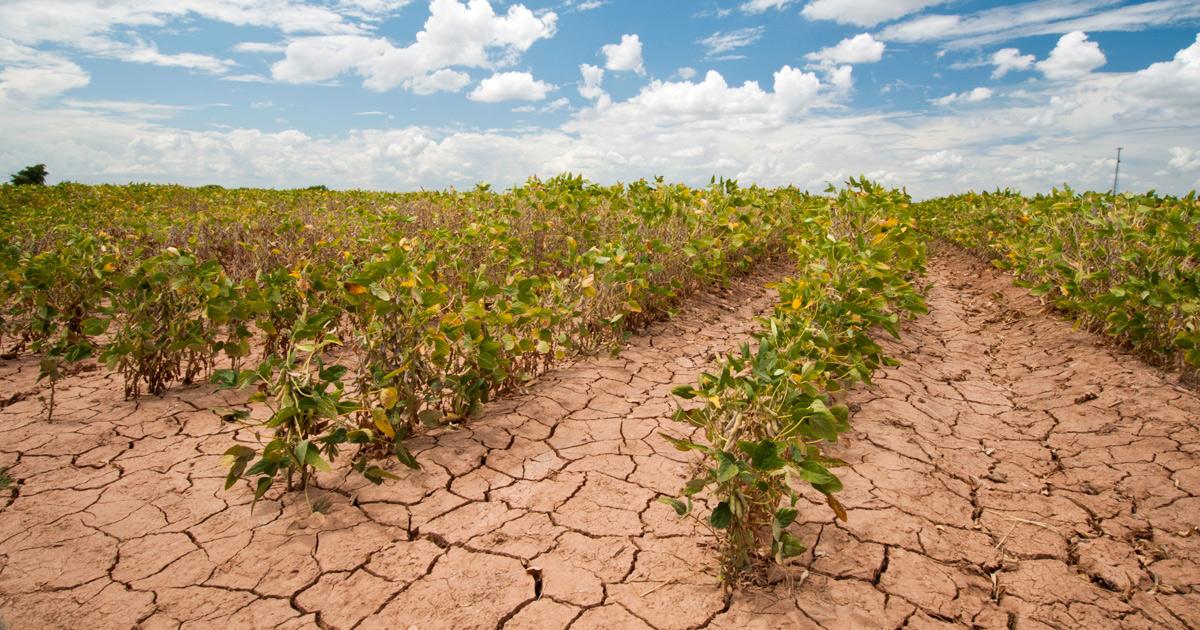
Extreme weather events such as droughts, floods, hurricanes, and heatwaves have become more frequent and severe due to climate change, devastating crops and livestock. For instance, heatwaves in Europe have been linked to significant increases in food inflation, as rising temperatures directly reduce crop yields. These events not only destroy existing food supplies but also disrupt supply chains, making it challenging to maintain consistent food availability.
Changing Weather Patterns
Shifts in precipitation and temperature patterns alter traditional growing seasons and impact the suitability of regions for specific crops. Unpredictable weather leads to reduced crop yields as plants are stressed by both droughts and unseasonal rainfall. Regions reliant on rain-fed agriculture, particularly in developing countries, face heightened vulnerabilities, often resulting in local food shortages and decreased agricultural productivity.
Shifting Agricultural Conditions
Climate change necessitates significant adjustments in agricultural practices. Farmers are compelled to adopt new methods to cope with altered conditions, which often leads to reduced productivity. Soil degradation, changing pest and disease patterns, and reduced water availability further challenge traditional farming practices. Additionally, geopolitical events, such as conflicts that disrupt global supply chains, compound the effects of shifting agricultural conditions, contributing to volatility in food prices and availability.
Economic Consequences
Food Price Volatility
The disruptions caused by climate change contribute to significant price volatility in global food markets. Supply chain interruptions and reduced production increase the cost of food, making it less accessible, especially for low-income populations. Experts project that food prices may rise by between 0.9% and 3.2% annually by 2035 due to these climate-induced factors.
Inflation and Broader Economic Impact
Food price shocks have broader economic implications, including overall inflationary pressures. Elevated food prices can lead to increased cost of living, forcing central banks to adjust monetary policies, potentially by raising interest rates to combat inflation. This can have cascading effects on economies, particularly those of developing nations that are heavily reliant on agriculture.
Food Insecurity
Direct and Indirect Effects
Reduced food production and increased prices directly contribute to food insecurity by making food less accessible and affordable. Vulnerable populations, especially in regions already facing economic challenges, are disproportionately affected. Additionally, the indirect effects of climate change, such as economic instability and social unrest, further exacerbate the risks of food insecurity.
Regional Impacts
Vulnerable Regions
Regions such as Mesoamerica, Europe, Africa, and South America are experiencing severe impacts from climate-induced disruptions. High temperatures and extreme weather events are destroying crops and reducing food reserves, leading to increased food shortages. The Global South, particularly Africa and South America, faces disproportionate impacts due to limited resources to adapt to changing agricultural conditions.
Potential Solutions
Sustainable Farming Practices
Implementing sustainable agricultural practices is crucial for mitigating the impacts of climate change on food security. Techniques such as crop rotation, cover cropping, agroforestry, and conservation agriculture enhance soil health, increase biodiversity, and improve water retention. These practices not only boost crop yields but also reduce greenhouse gas emissions, contributing to overall environmental sustainability.
Conservation Agriculture
Conservation agriculture involves minimal soil disturbance, maintaining soil cover, and crop rotation. This approach improves soil structure, enhances water efficiency, and reduces erosion, making farms more resilient to extreme weather conditions.
Agroforestry
Agroforestry integrates trees and shrubs into agricultural systems, promoting biodiversity, enhancing soil fertility, and providing shade and windbreaks that protect crops from extreme weather.
Technological Innovations
Advancements in technology offer significant opportunities to enhance agricultural resilience. Precision agriculture employs data analytics, sensors, and satellite imaging to optimize resource use, monitor crop health, and predict weather-related risks. Biotechnology, including the development of drought- and pest-resistant crop varieties, stabilizes yields under adverse conditions.
Precision Farming
Precision farming utilizes technology to manage crops at a micro level, ensuring efficient use of water, fertilizers, and pesticides. This reduces waste and increases overall farm productivity, making agriculture more sustainable and resilient.
Smart Irrigation Systems
Smart irrigation systems use sensors and automated controls to deliver precise amounts of water to crops, conserving water resources and ensuring crops receive optimal hydration even during droughts.
Policy and Global Cooperation
Effective policy frameworks and international cooperation are essential for addressing food insecurity. Governments can support research, subsidize sustainable practices, and invest in agricultural infrastructure. International initiatives, such as the Sustainable Development Goals (SDG2), aim to end hunger, achieve food security, and promote sustainable agriculture globally.
Climate Adaptation Strategies
Governments and organizations are implementing climate adaptation strategies that include developing early warning systems, investing in resilient infrastructure, and promoting diversified agricultural practices to reduce reliance on single crops.
Community-Level Interventions
Supporting smallholder farmers through access to credit, education, and training programs enables the rapid adoption of sustainable and innovative practices. Strengthening local food systems by promoting crop diversity and enhancing market access reduces dependency on global supply chains and mitigates the risks associated with price volatility.
Holistic Approaches to Food Security
Addressing the multifaceted impacts of climate change on food security requires a holistic approach that integrates sustainable farming, technological innovation, policy support, and community engagement. By fostering collaboration across sectors and regions, it is possible to build more resilient and adaptive food systems capable of withstanding the challenges posed by a changing climate.
Case Study: Impact on Staple Crops
| Crop | Projected Yield Reduction by 2030 | Impact on Nutritional Quality |
|---|---|---|
| Maize | 24% | Decrease in essential nutrients like zinc and iron |
| Wheat | Significant reduction in yield | Lower nutritional value |
| Rice | Potential yield decline due to temperature stress | Possible reduction in grain quality |
| Potatoes | Reduced growth period affecting overall production | Less nutrient-dense tubers |
Conclusion
The intricate relationship between climate change and global food security underscores the urgency of implementing comprehensive strategies to mitigate adverse effects. Changing weather patterns, extreme events, and shifting agricultural conditions significantly disrupt food production, increase prices, and limit availability, thereby exacerbating food insecurity. However, by adopting sustainable farming practices, leveraging technological innovations, and fostering robust policy frameworks, it is possible to build resilient food systems. These efforts must be supported by international cooperation and community-level interventions to ensure equitable access to food and sustainable agricultural practices worldwide. Addressing these challenges holistically will be pivotal in securing a stable and nutritious food supply for future generations.
References
Last updated February 13, 2025