
Enhancing Environmental Performance in Tourism Through Strategic Innovations
A Comprehensive Analysis of Business Strategies Impacting Sustainable Growth
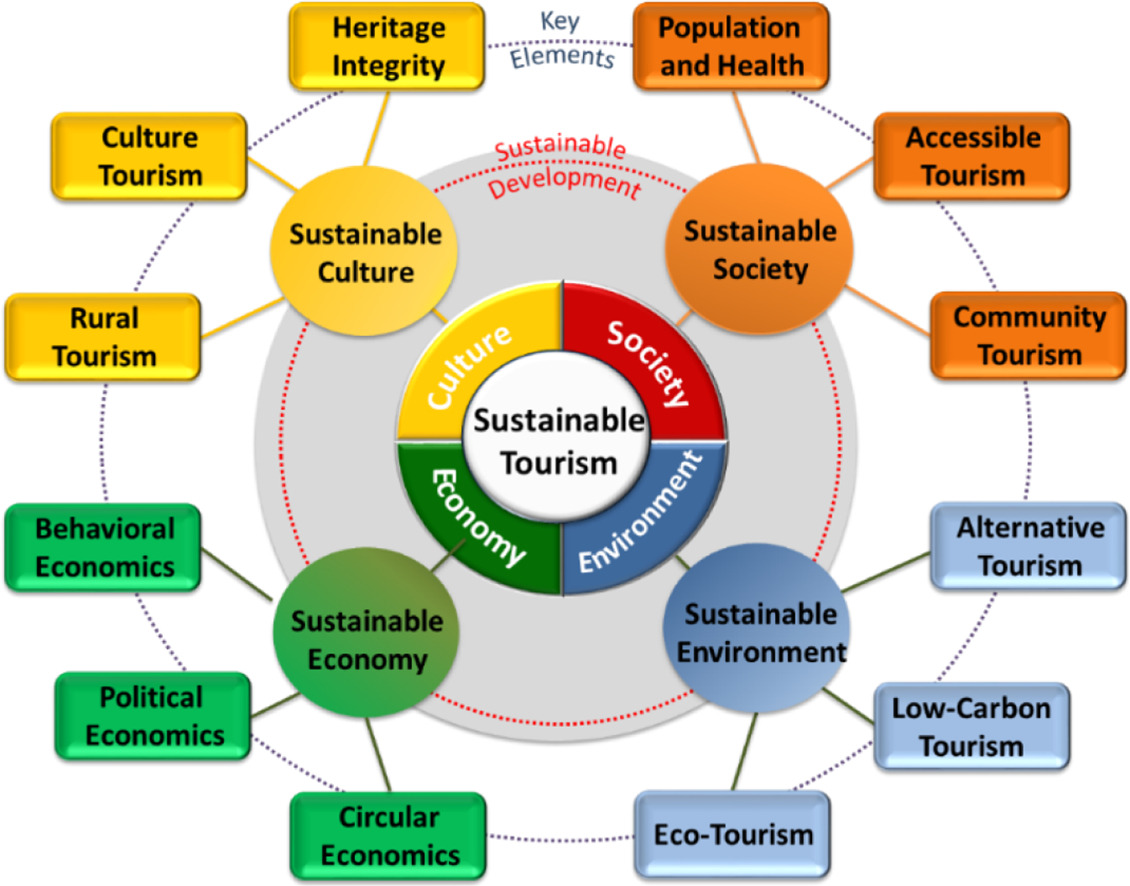
Key Takeaways
- Strategic Innovations Drive Ecological Performance: Implementing eco-processes, ecotourism policies, and eco-marketing significantly enhances environmental outcomes.
- Comprehensive Methodology Ensures Robust Findings: Utilizing cluster and stratified sampling alongside structural equation modeling provides reliable insights into business strategy effectiveness.
- Recommendations Foster Sustainable Growth: Prioritizing eco-organizational structures and leveraging social networking can lead to sustainable tourism development and improved market positioning.
Introduction
The tourism industry stands at a pivotal juncture where sustainable practices are not only environmentally imperative but also strategically advantageous for business growth. Recent research underscores the significant influence of various business strategies, including eco-processes, ecotourism policies, social networking, eco-organization, eco-products, and eco-marketing innovations, on enhancing environmental performance within tourism enterprises. This comprehensive analysis delves into how these strategic innovations collectively contribute to the sustainable growth of tourism businesses, with a particular focus on ecological performance metrics.
Methodology
Sampling Techniques
The study employed a dual sampling approach, integrating both cluster sampling and stratified sampling techniques to ensure a representative and diverse sample of tourism businesses. Cluster sampling facilitated the selection of distinct groups within the population, while stratified sampling ensured that specific subgroups within the clusters were adequately represented. This methodological rigor was essential in capturing a wide array of business strategies and their respective impacts on environmental performance.
Data Analysis
Data analysis was conducted using Structural Equation Modeling (SEM), a robust statistical technique that allows for the examination of complex relationships between observed and latent variables. SEM was particularly suited for this study as it enabled the simultaneous analysis of multiple dependent and independent variables, providing a comprehensive understanding of how various business strategies interrelate and influence environmental performance.
Validity Assessment
To ensure the reliability and validity of the findings, both convergent validity and discriminant validity were assessed through cross-loadings. Convergent validity was established by demonstrating that the indicators of each construct correlated strongly, while discriminant validity confirmed that the constructs were distinct and measured different concepts. This thorough validation process reinforced the credibility of the study's conclusions.
Findings
Positive Correlations Between Strategies and Environmental Performance
The regression weight results revealed that all business strategies examined—eco-processes, ecotourism policies, social networking, eco-organization, eco-products, and eco-marketing—exhibit a positive and strong relationship with environmental performance. This indicates that the adoption and enhancement of these strategies are instrumental in improving the ecological outcomes of tourism businesses.
Impact of Specific Strategies
Eco-Processes
Innovations in eco-processes, such as waste reduction, energy efficiency, and sustainable resource management, directly contribute to minimizing the environmental footprint of tourism operations. These processes not only enhance operational sustainability but also appeal to eco-conscious consumers.
Ecotourism Policies
Comprehensive ecotourism policies establish guidelines and standards that promote environmental stewardship and sustainable practices within the tourism sector. These policies are crucial for aligning business operations with broader environmental goals and regulatory requirements.
Social Networking
Leveraging social networking platforms enables tourism businesses to engage with stakeholders, share sustainable practices, and promote eco-friendly initiatives. Social networking also facilitates the dissemination of information and the creation of communities dedicated to sustainable tourism.
Eco-Organization
Establishing eco-organizational structures involves integrating sustainability into the core operations and culture of the business. This includes training employees, setting sustainability goals, and embedding environmental considerations into decision-making processes.
Eco-Products
Developing and offering eco-products, such as environmentally friendly lodging options, sustainable tour packages, and green amenities, meets the growing demand for sustainable choices among tourists. Eco-products not only enhance environmental performance but also differentiate businesses in a competitive market.
Eco-Marketing
Eco-marketing strategies involve promoting the sustainable aspects of tourism services and products. Effective eco-marketing not only raises awareness about environmental initiatives but also attracts eco-conscious consumers, thereby driving business growth.
Discussion
Integrated Impact of Business Strategies
The study highlights the synergistic effects of integrating multiple business strategies to enhance environmental performance. While each strategy independently contributes to sustainability, their combined implementation creates a more profound and comprehensive impact. For instance, eco-processes complemented by eco-marketing amplify the visibility and effectiveness of sustainable practices, fostering a culture of environmental responsibility within the organization and among its customer base.
Strategic Prioritization for Sustainable Growth
Given the positive correlations identified, tourism businesses are encouraged to prioritize the adoption and continuous improvement of the examined strategies. Strategic prioritization involves assessing the specific needs and capacities of the organization to implement these innovations effectively. By doing so, businesses can achieve sustainable growth that not only benefits the environment but also enhances their competitive advantage and market reputation.
Role of Organizational Culture and Leadership
Organizational culture and leadership play a pivotal role in the successful implementation of eco-friendly strategies. Leaders who champion sustainability initiatives and cultivate a culture of environmental stewardship are more likely to inspire employee engagement and commitment to sustainable practices. This leadership-driven approach ensures that sustainability becomes an integral part of the business ethos, driving long-term environmental and economic benefits.
Implications
For Tourism Businesses
The findings of this study provide actionable insights for tourism businesses aiming to enhance their environmental performance. By focusing on strategic innovations in eco-processes, ecotourism policies, social networking, eco-organization, eco-products, and eco-marketing, businesses can achieve significant improvements in their ecological outcomes. These enhancements not only contribute to environmental conservation but also bolster the business's reputation and appeal to a growing segment of eco-conscious travelers.
For Policy Makers and Stakeholders
Policy makers and stakeholders in the tourism sector can leverage these insights to formulate policies and incentives that encourage the adoption of sustainable business strategies. Supporting frameworks that facilitate the integration of eco-friendly practices can drive industry-wide improvements in environmental performance and foster a more sustainable tourism ecosystem.
For Future Research
This study lays the groundwork for future research into the nuanced impacts of specific business strategies on environmental performance. Subsequent studies could explore longitudinal data to assess the long-term effects of these strategies or investigate the role of emerging technologies in enhancing sustainability within the tourism industry.
Recommendations
Implementation of Strategic Innovations
Tourism businesses should prioritize the implementation of the identified strategic innovations. This includes:
-
Adopting eco-processes that minimize waste and optimize resource usage.
-
Developing and enforcing comprehensive ecotourism policies that align with sustainability goals.
-
Leveraging social networking platforms to promote sustainable practices and engage with stakeholders.
-
Structuring organizations to embed sustainability into their core operations and culture.
-
Creating and marketing eco-products that meet the demands of environmentally conscious consumers.
-
Implementing eco-marketing strategies to highlight the sustainable aspects of their offerings.
Continuous Improvement and Innovation
Organizations should not only implement these strategies but also commit to their continuous improvement and innovation. Staying abreast of the latest developments in sustainable practices and technologies will ensure that businesses remain competitive and environmentally responsible.
Engagement and Collaboration
Collaboration with other stakeholders, including government bodies, non-governmental organizations, and industry peers, can enhance the effectiveness of sustainability initiatives. Engaging in collaborative efforts fosters the sharing of best practices, resources, and knowledge, thereby amplifying the impact of individual business strategies.
Conclusion
In conclusion, the integration of strategic innovations such as eco-processes, ecotourism policies, social networking, eco-organization, eco-products, and eco-marketing is pivotal for enhancing the environmental performance of tourism businesses. The positive relationships identified between these strategies and ecological outcomes underscore their importance in fostering sustainable growth within the tourism sector. Organizations that prioritize and continuously refine these strategies are well-positioned to achieve significant environmental and economic benefits, aligning with the global imperative for sustainable development and catering to the evolving preferences of eco-conscious travelers.
References
Last updated February 11, 2025