
Navigating the Path to a Sustainable Future: Understanding Environmental Management Systems (EMS)
A Comprehensive Guide to Implementing and Benefiting from Robust Environmental Practices
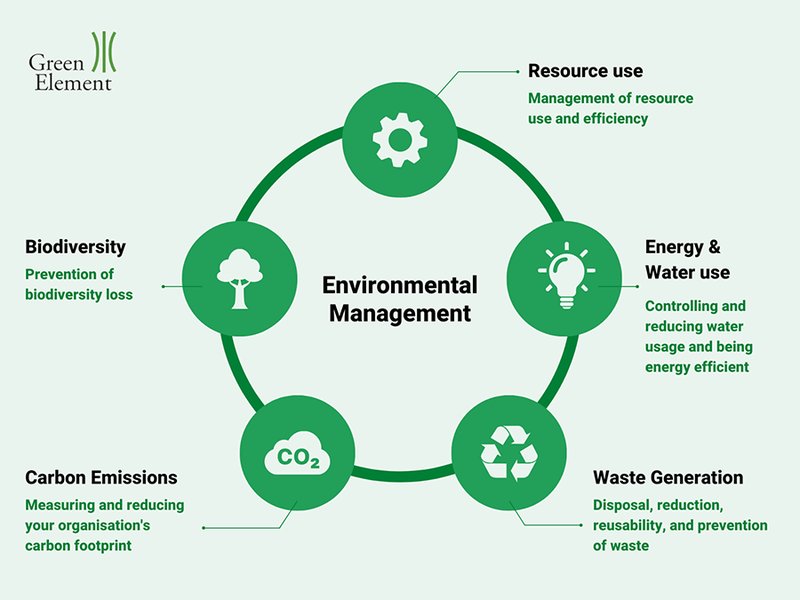
An Environmental Management System (EMS) is a structured framework that enables an organization to systematically manage its environmental impacts, improve its environmental performance, and achieve its environmental goals. It's not merely a set of disconnected environmental programs but rather an integrated system that encompasses an organization's policies, procedures, and processes for monitoring, reporting, and continuously improving its environmental footprint. The core aim of an EMS is to help organizations identify, control, and reduce their environmental risks and enhance their overall environmental stewardship. By embedding environmental considerations into daily operations, an EMS empowers businesses to go beyond mere regulatory compliance, fostering a culture of sustainability and resource efficiency.
Key Highlights of Environmental Management Systems
- Systematic Approach to Environmental Performance: An EMS provides a robust, systematic framework for organizations to identify, monitor, manage, and continuously improve their environmental performance, ensuring a proactive stance on environmental responsibilities.
- Adherence to ISO 14001: The international standard ISO 14001 is the most widely recognized framework for developing and certifying an EMS, offering a comprehensive set of requirements for effective environmental management and demonstrating commitment to sustainability.
- Tangible Benefits Beyond Compliance: Implementing an EMS not only helps organizations meet legal and regulatory requirements but also leads to significant operational efficiencies, cost reductions, enhanced public image, and increased stakeholder trust.
What Exactly is an Environmental Management System?
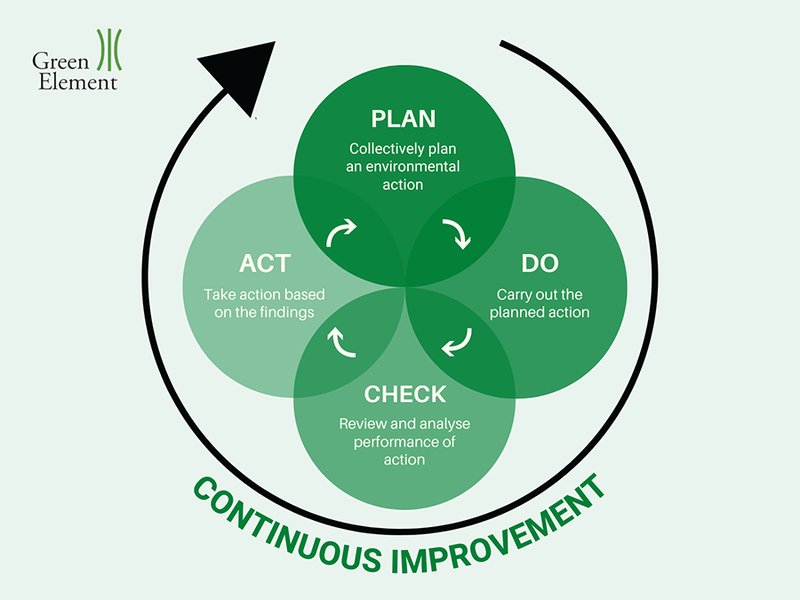
An Environmental Management System (EMS) is a systematic approach designed to help organizations manage their environmental responsibilities and reduce their impact on the environment. It is an integral part of an organization's overall management system that includes organizational structure, planning activities, responsibilities, practices, procedures, processes, and resources for developing, implementing, achieving, reviewing, and maintaining an environmental policy. Essentially, an EMS acts as a continuous cycle of planning, doing, checking, and acting (PDCA) to ensure ongoing environmental improvement.
The primary purpose of an EMS is to provide a structured way for organizations to identify and assess their environmental aspects and impacts, set environmental objectives and targets, implement programs to achieve these objectives, and monitor and measure their progress. It goes beyond simply complying with environmental laws, encouraging organizations to proactively minimize their environmental footprint and foster a culture of sustainability. This holistic approach helps organizations address current environmental challenges while preparing for future regulatory changes and societal expectations.
The Foundation of an EMS: The PDCA Cycle
The Plan-Do-Check-Act (PDCA) cycle, also known as the Deming Cycle, forms the foundational principle behind most effective Environmental Management Systems, including the widely adopted ISO 14001 standard. This iterative four-step management method is used for the control and continuous improvement of processes and products. Applied to an EMS, it ensures that environmental management is an ongoing process of improvement rather than a static compliance exercise.
 The Plan-Do-Check-Act (PDCA) cycle is central to the continuous improvement of an EMS.
Plan: Establishing Environmental Objectives
This initial phase involves defining the organization's environmental policy, identifying its environmental aspects (elements of its activities, products, or services that can interact with the environment), and significant environmental impacts. Organizations also establish environmental objectives and targets, and develop action plans to achieve them. Crucially, this stage also involves identifying all relevant legal and other requirements that the organization must comply with.
Do: Implementing the Environmental Management System
The "Do" phase is where the environmental management plans are put into action. This involves establishing responsibilities and authority, providing necessary resources, ensuring employee competence through training and awareness programs, developing and implementing operational controls for significant environmental aspects, and establishing emergency preparedness and response procedures. Documentation of the EMS processes and procedures is also a key component of this stage.
Check: Monitoring and Evaluating Performance
In this phase, organizations monitor and measure their environmental performance against their objectives and targets. This includes tracking key performance indicators, evaluating compliance with legal and other requirements, conducting internal audits to assess the effectiveness of the EMS, and investigating nonconformities and taking corrective actions. The goal is to identify deviations and areas for improvement.
Act: Reviewing and Continually Improving
The final phase involves top management reviewing the EMS to ensure its continuing suitability, adequacy, and effectiveness. Based on the results of monitoring, audits, and performance evaluations, management makes decisions and takes actions related to continual improvement of the EMS. This could involve revising policies, setting new objectives, or allocating additional resources to address environmental challenges more effectively.
The Significance of ISO 14001 in Environmental Management
The International Organization for Standardization (ISO) 14001 is the most prominent international standard that outlines the requirements for an effective Environmental Management System. It provides a robust framework that organizations worldwide can use to design, implement, maintain, and continually improve their EMS. ISO 14001 is not a specification for environmental performance levels; instead, it provides a framework for organizations to manage their environmental responsibilities systematically.
Certification to ISO 14001 demonstrates an organization's commitment to environmental stewardship and can significantly enhance its reputation, meet compliance obligations, and achieve environmental objectives. The standard emphasizes a risk-based approach, requiring organizations to consider the needs and expectations of interested parties and to integrate environmental management into their core business processes.
This video provides an excellent overview of the clauses and requirements within the ISO 14001 Environmental Management Systems (EMS) standard, offering valuable insights into its structure and application.
Core Requirements of ISO 14001:2015
The ISO 14001:2015 standard, the latest version, is structured into ten clauses, with clauses 4 to 10 detailing the core requirements for an EMS. These clauses cover various aspects, from understanding the organization's context to performance evaluation and continual improvement.
- Context of the Organization (Clause 4): This requires understanding internal and external issues relevant to the EMS, the needs and expectations of interested parties, and defining the scope of the EMS.
- Leadership (Clause 5): Emphasizes top management's commitment, establishing an environmental policy, and assigning roles, responsibilities, and authorities.
- Planning (Clause 6): Focuses on addressing risks and opportunities, identifying environmental aspects and associated impacts, fulfilling compliance obligations, and setting environmental objectives.
- Support (Clause 7): Covers resources, competence, awareness, communication, and documented information necessary for the EMS.
- Operation (Clause 8): Addresses operational planning and control, and emergency preparedness and response.
- Performance Evaluation (Clause 9): Requires monitoring, measurement, analysis, evaluation, internal audit, and management review of environmental performance.
- Improvement (Clause 10): Focuses on nonconformity and corrective action, and continual improvement of the EMS.
Adherence to these requirements provides a structured and comprehensive method for organizations to control and reduce their environmental impact.
The Implementation Journey: Steps to Establishing an Effective EMS
Implementing an Environmental Management System is a strategic decision that requires careful planning and commitment from all levels of an organization. While the specific steps may vary depending on the organization's size, complexity, and existing practices, a common roadmap guides the implementation process, often following the PDCA cycle.
 A visual representation of the systematic steps involved in implementing an EMS.
Phase 1: Planning and Preparation
1. Secure Top Management Commitment
The success of an EMS hinges on strong leadership and unwavering commitment from top management. This involves articulating the benefits of an EMS, allocating necessary resources, and ensuring environmental objectives align with overall business goals. Without this foundational support, implementation efforts may falter.
2. Establish an EMS Team and Champion
Forming a dedicated EMS team, ideally cross-functional, is crucial. This team will drive the implementation process. Appointing an "EMS Champion" – an individual with the authority and influence to lead the initiative – is also highly recommended to ensure sustained momentum and integration across departments.
3. Conduct an Initial Environmental Review
This involves a comprehensive assessment of the organization's current environmental performance. It includes identifying significant environmental aspects and impacts, evaluating existing environmental policies and procedures, and determining all applicable legal and regulatory requirements. This review forms the baseline for setting objectives and targets.
4. Define the EMS Scope and Environmental Policy
Based on the initial review, the organization defines the scope of its EMS, clearly outlining what activities, products, and services it covers. A formal environmental policy is then established, reflecting the organization's commitment to environmental protection, compliance, and continual improvement.
5. Identify Legal and Other Requirements
Thorough identification and understanding of all relevant environmental laws, regulations, permits, and other requirements (e.g., industry codes, customer demands) are critical. The EMS must ensure compliance with these obligations.
Phase 2: Implementation and Operation
6. Set Environmental Objectives and Targets
Quantifiable environmental objectives and targets are established based on the organization's significant environmental aspects and legal obligations. These objectives should be measurable and have clear timelines for achievement. Action plans detailing how these objectives will be met are then developed.
7. Allocate Resources and Responsibilities
Ensuring adequate resources (financial, human, technological) are available is vital. Clear roles, responsibilities, and authorities for environmental management across all levels of the organization must be defined and communicated.
8. Develop Competence and Awareness
All employees whose work affects the EMS must be competent based on appropriate education, training, or experience. Comprehensive training programs are essential to raise environmental awareness and ensure understanding of individual roles and responsibilities within the EMS.
9. Establish Operational Controls
Procedures and controls are put in place to manage significant environmental aspects of operations. This might include waste management protocols, energy conservation measures, pollution prevention techniques, and processes for hazardous materials handling. Emergency preparedness and response procedures are also crucial here.
10. Document and Communicate the EMS
The EMS needs to be adequately documented, including policies, procedures, records, and work instructions. Effective internal and external communication processes are established to share relevant EMS information with employees, contractors, and external stakeholders.
Phase 3: Checking and Corrective Action
11. Monitor, Measure, and Evaluate Performance
Regular monitoring and measurement of key environmental performance indicators are essential to track progress against objectives. This also includes periodically evaluating compliance with legal and other requirements.
12. Conduct Internal Audits
Scheduled internal audits are performed to ensure the EMS is effectively implemented, maintained, and continually improved. Audits identify nonconformities, areas for improvement, and ensure adherence to the ISO 14001 standard if certification is sought.
13. Address Nonconformities and Take Corrective Actions
Any identified nonconformities or deviations from the EMS requirements are addressed promptly. Corrective actions are taken to eliminate the root causes of nonconformities and prevent their recurrence.
Phase 4: Management Review and Continual Improvement
14. Conduct Management Review
Top management periodically reviews the EMS to assess its ongoing suitability, adequacy, and effectiveness. This review considers audit results, performance data, feedback from interested parties, and changes in legal requirements. Decisions are made regarding resource allocation and opportunities for improvement.
15. Drive Continual Improvement
An EMS is not a static system. The organization continuously seeks opportunities to enhance its environmental performance and the effectiveness of the EMS itself. This involves refining processes, setting more ambitious objectives, and integrating new environmental technologies or practices.
Benefits of Implementing an Environmental Management System
Beyond regulatory compliance, implementing an Environmental Management System offers a multitude of tangible and intangible benefits that can significantly enhance an organization's sustainability, operational efficiency, and overall competitiveness. These benefits extend to various aspects of the business, from financial performance to stakeholder relations.
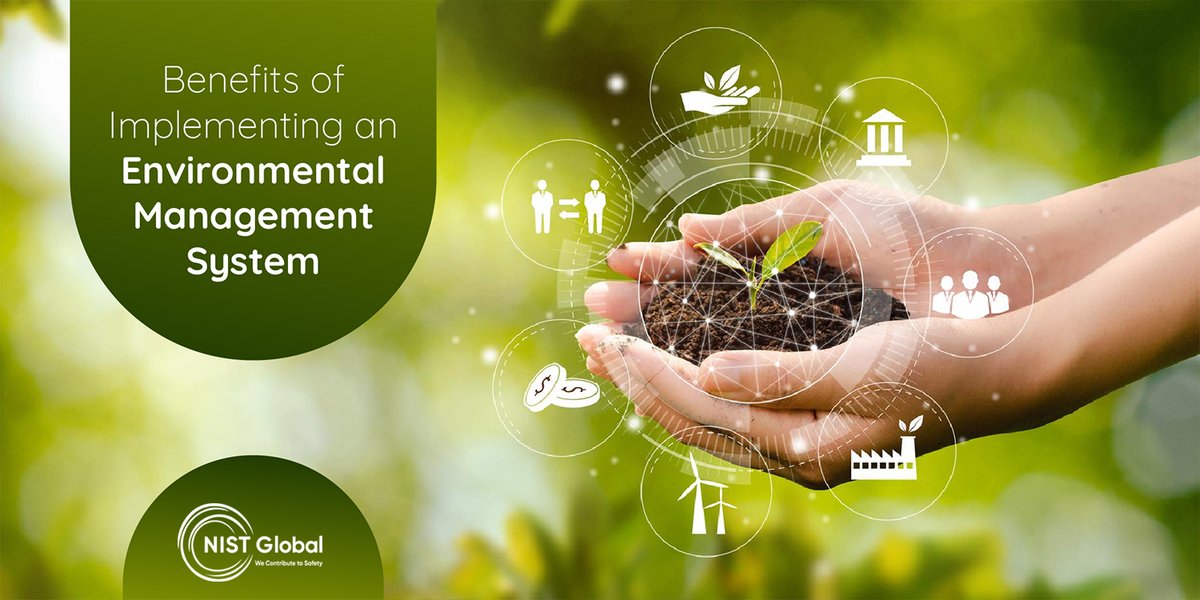 An effective EMS brings numerous benefits, impacting compliance, efficiency, and reputation.
| Benefit Category | Description | Impact |
|---|---|---|
| Enhanced Compliance | Systematic identification and management of legal and regulatory environmental requirements. | Reduces risk of fines, penalties, and legal actions; ensures adherence to permits. |
| Cost Savings | Identifies opportunities for resource efficiency (energy, water, raw materials) and waste reduction. | Lower operating costs, reduced waste disposal expenses, potential for revenue from recycling. |
| Improved Public Image & Stakeholder Trust | Demonstrates commitment to environmental responsibility and sustainability. | Attracts environmentally conscious customers, investors, and talent; builds community trust. |
| Operational Efficiency | Streamlines processes, identifies inefficiencies, and improves resource allocation related to environmental aspects. | Better process control, reduced environmental incidents, more efficient use of materials. |
| Risk Management | Systematically identifies and manages environmental risks (e.g., pollution incidents, climate change impacts). | Minimizes potential liabilities, improves preparedness for emergencies, fosters resilience. |
| Competitive Advantage | Differentiation in the marketplace; ability to meet customer requirements for sustainable products/services. | Opens new markets, strengthens supply chain relationships, enhances brand value. |
| Employee Engagement | Increases environmental awareness and involvement among employees. | Boosts morale, fosters a sense of shared responsibility, improves staff retention. |
| Continual Improvement | Promotes an ongoing cycle of assessing, implementing, and reviewing environmental performance. | Drives innovation in environmental practices, ensures long-term sustainability. |
Organizations that successfully implement an EMS often find themselves not only better prepared for environmental challenges but also more resilient and competitive in the long run. It's a strategic investment that pays dividends in various forms, aligning environmental responsibility with business success.
Evaluating Environmental Management System Performance
To truly understand the effectiveness and impact of an Environmental Management System, it's crucial to evaluate its performance across various dimensions. This evaluation moves beyond simple compliance, delving into how well the EMS is integrated into the organization, its ability to drive tangible environmental improvements, and its influence on broader business outcomes. While hard data on specific environmental metrics (e.g., reduced emissions, waste diversion rates) would be ideal, we can use a radar chart to illustrate a qualitative assessment of an EMS's potential strengths across key performance indicators based on typical implementation outcomes.
This radar chart illustrates how an EMS can impact various aspects of an organization's environmental performance. The inner polygon represents typical performance with a well-implemented EMS, while the outer polygon shows the potential for optimized performance through continuous improvement. Key areas like Regulatory Compliance and Environmental Performance Improvement often see significant gains, while areas like Cost Savings Potential can be further maximized with strategic effort.The radar chart above provides a qualitative look at how an EMS can positively influence various aspects of an organization's operations. The 'Typical EMS Performance Metrics' dataset represents the expected improvements from a well-implemented EMS, showing strong gains in regulatory compliance, operational risk reduction, and overall environmental performance. The 'Potential for Optimized EMS' dataset illustrates that with ongoing commitment and strategic optimization, an EMS can yield even greater benefits across all categories, particularly in areas like resource efficiency and cost savings, which directly impact the bottom line.
Regular monitoring and evaluation, as emphasized in the "Check" phase of the PDCA cycle, are essential for identifying these opportunities for optimization. By systematically tracking performance indicators and conducting internal audits, organizations can pinpoint areas where their EMS is excelling and where further attention is needed to achieve their fullest environmental and business potential.
Future Trends and Considerations for EMS
As global environmental challenges evolve and stakeholder expectations for corporate sustainability grow, the role of Environmental Management Systems is becoming increasingly critical. Future trends in EMS will likely focus on deeper integration with broader organizational strategies, leveraging advanced technologies, and responding to emerging environmental concerns.
Integration with ESG and Sustainability Reporting
EMS will increasingly be viewed as a foundational element for Environmental, Social, and Governance (ESG) reporting and broader sustainability initiatives. Organizations will seek to align their EMS data and processes with their public sustainability disclosures, providing transparent and verifiable information to investors, customers, and regulators.
Digital Transformation and Data Analytics
The adoption of digital tools, real-time monitoring sensors, and advanced data analytics will revolutionize EMS. This will enable more precise tracking of environmental performance, predictive modeling of environmental impacts, and automated compliance checks, leading to more efficient and effective management.
Circular Economy Principles
EMS will increasingly incorporate principles of the circular economy, focusing on waste minimization, resource efficiency, and the design of products for longevity, reuse, and recycling. This shift moves beyond traditional "end-of-pipe" solutions to more holistic, lifecycle-based environmental management.
Climate Change Adaptation and Resilience
With the increasing impacts of climate change, EMS will need to address organizational resilience and adaptation strategies. This includes assessing climate-related risks, implementing measures to reduce greenhouse gas emissions, and developing plans to cope with physical and transitional climate impacts.
Supply Chain Environmental Management
Organizations are recognizing that their environmental footprint extends beyond their direct operations to their entire supply chain. Future EMS will likely involve stronger emphasis on assessing and influencing the environmental performance of suppliers and partners, promoting sustainability across the value chain.
Frequently Asked Questions (FAQ) about Environmental Management Systems
What is the primary goal of an Environmental Management System (EMS)?
Is ISO 14001 certification mandatory for an EMS?
How long does it take to implement an EMS?
Can an EMS help save costs?
What is the Plan-Do-Check-Act (PDCA) cycle in the context of an EMS?
Who is responsible for the EMS within an organization?
How does an EMS differ from a Quality Management System (QMS)?
Conclusion
An Environmental Management System (EMS) is a strategic and indispensable tool for organizations navigating the complexities of modern environmental responsibility. By providing a structured framework for identifying, managing, and improving environmental performance, an EMS enables businesses to move beyond mere compliance to achieve true sustainability. The internationally recognized ISO 14001 standard serves as a robust guide, emphasizing a continuous improvement cycle that fosters resource efficiency, reduces environmental risks, enhances public image, and ultimately contributes to long-term business resilience. As environmental challenges intensify and stakeholder expectations evolve, the proactive adoption and ongoing refinement of an EMS will be crucial for organizations committed to both ecological stewardship and sustained success.
Recommended Further Exploration
- How to achieve ISO 14001 certification steps?
- What are the key benefits of implementing an Environmental Management System for businesses?
- Explain the process of identifying environmental aspects and impacts in an EMS.
- What is the critical role of leadership in successful EMS implementation and maintenance?