
Epispadias: An In-Depth Medical Overview
A detailed examination of a rare congenital urological condition
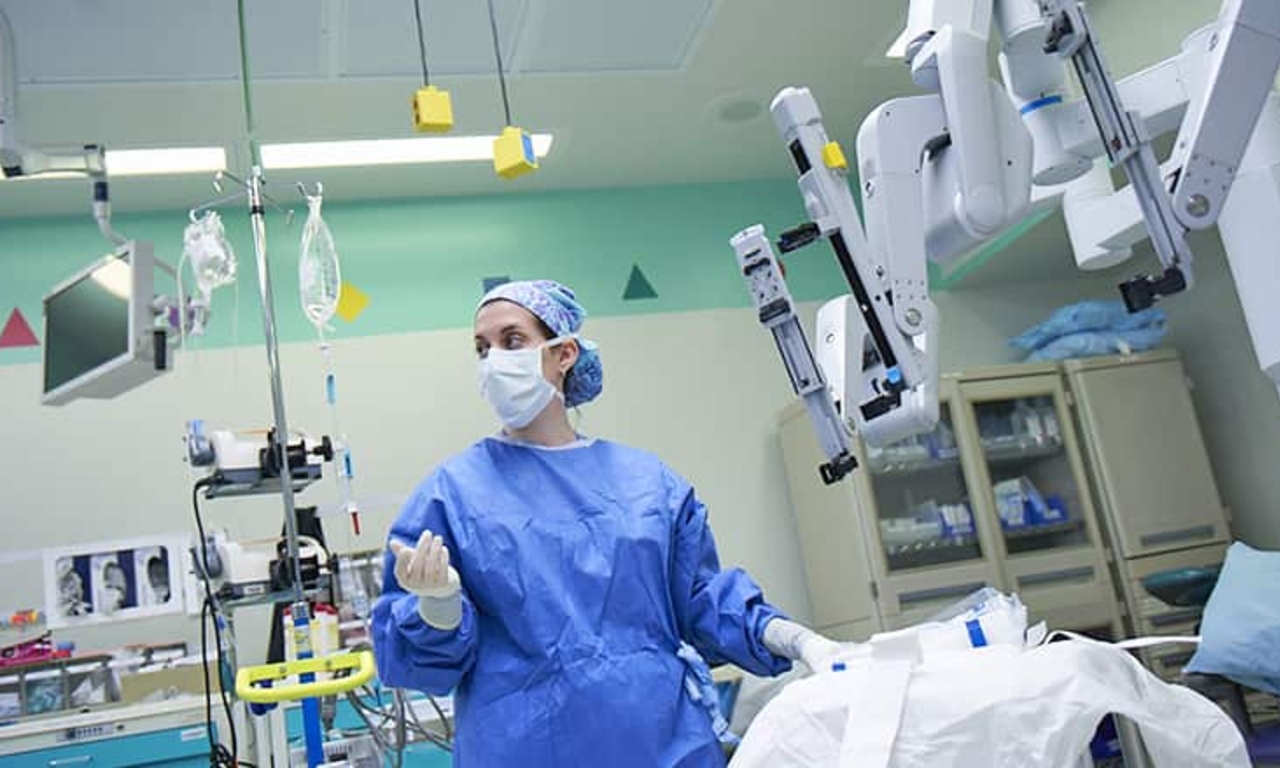
Highlights
- Definition and Classification: Epispadias is an uncommon congenital defect affecting the placement of the urethral opening.
- Clinical Presentation: Symptoms include abnormal urinary stream, potential incontinence, and unique genital appearances.
- Surgical Management: Timely surgical intervention is essential to restore urinary function and achieve an acceptable cosmetic result.
Introduction to Epispadias
Epispadias is a rare congenital anomaly involving the malformation of the urethra. This condition manifests when the urethral tube, responsible for conveying urine from the bladder to the exterior, does not develop with its normal anatomical orientation. Unlike the typical positioning where the urethral meatus appears at the tip of the penis in males and in an appropriately central position in females, epispadias causes the meatus to be positioned abnormally. In males, the urethral opening is frequently located on the dorsal (upper) aspect of the penis or occasionally along its lateral edge. In females, the opening may be found above the normal anatomical location, such as near or between the clitoral structures.
Historical and Medical Significance
The investigation into epispadias stretches back through decades of pediatric urology and reconstructive surgery history. Over time, clinicians and researchers have refined the diagnostic criteria and therapeutic approaches to manage this condition. The significance of epispadias lies not only in its direct clinical implications but also in its presentation as a component of more complex congenital anomalies, such as the exstrophy-epispadias complex. This association calls for a multidisciplinary understanding spanning surgical, urological, and pediatric specialties.
Definition and Pathogenesis
What is Epispadias?
Epispadias is defined as a developmental malformation during embryogenesis where the urethral plate fails to form properly, resulting in a mislocalized external urinary meatus. In typical male development, the urethra forms along the ventral midline of the penis with the meatus at its tip, a process that is disturbed in epispadias. In female patients, although less common, the urethral opening may be situated higher than usual, sometimes in a position that places it between the clitoral structures.
Pathogenesis and Developmental Aspects
During embryonic development, the urogenital sinus and the genital tubercle must undergo a sequence of complex morphogenetic events to arrange the external genitalia correctly. Epispadias results from a disruption in this developmental sequence. Although the precise etiology is not completely understood, several factors have been implicated in the pathogenesis, ranging from genetic mutations to environmental influences. The condition may also occur in isolation, or it might be part of a broader spectrum of congenital anomalies in the exstrophy-epispadias complex—a disorder that includes bladder exstrophy.
Embryologic Considerations
From an embryologic standpoint, the early urethral groove fails to close correctly, leading to the incomplete formation of the urethral tube. As development continues, the aberrant positioning of the urethral meatus becomes fixed, contributing to the distinctive clinical presentation later observed in infancy. This defect is considered a failure of the mesenchymal tissue to properly interact and differentiate during the critical stages of urogenital development.
Clinical Presentation
Typical Features in Males
In male patients, the primary clinical sign of epispadias is the misplacement of the urethral opening. Instead of lying at the distal end of the penis, the meatus is often located on the dorsal aspect. This unusual positioning can create a "gutter-like" appearance along the upper side of the penis. This altered anatomy may result in:
- Abnormal urinary stream: A deviation or splitting of the urine flow may be observed, which can interfere with normal urinary function.
- Urinary incontinence: Due to the abnormal anatomy, achieving urinary control may be challenging, sometimes necessitating surgical correction.
- Potential issues with fertility: In some severe cases, the anatomical abnormality may lead to challenges in reproductive functioning later in life.
Effects in Females
Although epispadias is less common in females, when it does occur, the urethral opening may be abnormally located near the clitoris rather than in the normal midline position. This can give rise to:
- Abnormal urinary stream or dribbling: Similar to males, the mislocated meatus may result in difficulties with proper urine expulsion and control.
- Cosmetic concerns: The altered appearance of the external genitalia might affect body image and psychological well-being.
Associated Anomalies
Epispadias may be an isolated condition; however, it is frequently seen in conjunction with bladder exstrophy. The exstrophy-epispadias complex represents a spectrum where the bladder, abdominal wall, and sometimes the bony pelvis are also affected. The presence of such associated anomalies usually necessitates a broader surgical and multidisciplinary management approach.
Diagnosis
Clinical Examination
The diagnosis of epispadias is often made through careful physical examination shortly after birth. In males, the distinct off-center placement of the urethral meatus is usually apparent. In comparison, female presentations — though less frequent — are identified by noting the atypical location of the opening in the external genital region.
Imaging and Additional Diagnostics
Advanced imaging techniques such as ultrasound or magnetic resonance imaging (MRI) might be employed to evaluate the extent of the malformation and any associated pelvic or bladder abnormalities. These imaging modalities help surgeons plan the necessary reconstructive interventions. Additionally, urodynamic studies may also be utilized to assess the functional capacity of the urinary system.
Diagnostic Table
| Diagnostic Method | Description |
|---|---|
| Physical Examination | Visual assessment of the external genitalia and positioning of the urethral meatus. |
| Ultrasound | Non-invasive imaging used to explore pelvic and bladder structures. |
| MRI | Detailed imaging to delineate soft tissue structures and guide surgical planning. |
| Urodynamic Studies | Functional tests to evaluate urinary control and bladder dynamics. |
Treatment and Management
Surgical Intervention
The primary treatment for epispadias is surgical repair. The operation aims to:
- Reconstruct the urethra to create a more typical appearance and function.
- Improve urinary continence by adjusting the anatomical placement of the urethral opening.
- Enhance cosmetic outcomes for better psychosocial health.
Surgery is typically scheduled during early infancy—usually within the first year of life—to optimize both functional and developmental outcomes.
Multidisciplinary Approach
Given the complexity of associated anomalies in conditions such as the exstrophy-epispadias complex, a multidisciplinary approach to care is critical. A team may include pediatric urologists, reconstructive surgeons, pediatricians, and other specialists focused on ensuring comprehensive management. This collaborative strategy ensures the best possible long-term outcomes regarding urinary function, genital appearance, and overall quality of life.
Post-Operative Care and Follow-Up
Following surgical intervention, patients typically require regular follow-up evaluations to monitor for potential complications such as strictures, infection, or persistent urinary incontinence. Pediatric urology clinics often employ a schedule of periodic imaging and urodynamic assessments to ensure that the reconstructive surgery continues to function effectively as the child grows.
Complications and Long-Term Considerations
Potential Complications
Although surgical repair generally improves the condition significantly, some complications may arise:
- Urinary incontinence: In some cases, there may be ongoing struggles with bladder control, necessitating additional interventions.
- Urethral strictures: Scar tissue formation may lead to narrowing of the urethra, which can impact the urinary stream and require further corrective procedures.
- Cosmetic concerns: Despite surgical advances, achieving complete aesthetic normalization can be challenging, and further corrective procedures might be considered.
Long-Term Outcomes and Follow-Up
Long-term management of epispadias focuses on both physical and psychosocial development. Continued monitoring and support help address potential issues that may arise during puberty or beyond. A consistent follow-up plan is essential to ensure optimal bladder function and monitor for any need of additional surgical interventions.
Impact on Fertility and Urinary Function
In cases where the condition is severe or associated with other malformations from the exstrophy-epispadias complex, there might be implications for future fertility. However, surgical advancements have significantly improved the outlook, allowing many patients to lead healthy lives with near-normal urinary function. Functional outcomes are heavily dependent on the timing and quality of the reconstructive surgery.
Epidemiology and Research Perspectives
Incidence and Demographics
Epispadias is an extremely rare condition. The incidence in males is estimated at approximately 1 in 117,000 newborns, while it occurs even less commonly in females. The rarity of the condition means that each case can provide valuable insights into the pathogenesis and optimal management strategies. Ongoing research is dedicated to improving diagnostic techniques and refining surgical procedures to maximize outcomes for affected individuals.
Current Research and Innovations
Modern research on epispadias is focusing on several key areas: genetic predispositions, improved surgical methodologies, and advanced imaging techniques. Innovations in reconstructive surgery have led to refined techniques that minimize the impact of scar formation and enhance functional outcomes. Furthermore, studies on the molecular level of urogenital development provide a better understanding of the embryologic deviations that result in epispadias. This research opens the door for potential preventative measures and targeted therapies in the future.
Emerging Techniques in Pediatric Urology
The field of pediatric urology has also benefited from the integration of minimally invasive surgeries and refined reconstructive methods, which have reduced overall complication risks. As surgical teams continue to share findings and collaborate across international boundaries, the standard of care for epispadias and related urogenital conditions consistently improves.
Surgical Procedure: A Detailed Look
Preoperative Considerations
Prior to surgery, a comprehensive evaluation is necessary, which includes imaging studies, urodynamic testing, and a careful review of any associated anomalies. The team of specialists will formulate a tailored surgical plan based on the individual’s anatomical details and overall health. Parental counseling is a critical component of the preoperative process, ensuring that families are prepared for the surgical intervention and the potential need for staged procedures.
Surgical Techniques
The surgical technique for epispadias repair typically involves the following steps:
- Recovery of available urethral tissue: The surgeon assesses and mobilizes existing tissue to reconfigure the urethra.
- Reconstruction of the urethral tube: Meticulous work is done to create a neourethra with a more typical anatomical position.
- Reconstruction of the penile shaft or vulvar area: This is done to improve both functional and aesthetic outcomes.
These procedures are technically demanding and often require specialized surgical expertise available only at centers specializing in pediatric urology and reconstructive surgery.
Surgical Outcome Measurements
Success of the surgical intervention is measured based on improvements in urinary function, cosmetic outcomes, and the reduction of associated complications. Postoperative protocols often include a period of catheterization, antibiotic prophylaxis, and scheduled follow-ups to monitor healing and functionality.
Psychosocial Impact and Patient Support
Emotional and Social Considerations
Aside from the physical implications, epispadias can have long-lasting psychosocial impacts. Children who undergo reconstructive surgery may experience issues related to body image and self-esteem, particularly during adolescence. Providing psychological support and counseling is an integral part of holistic patient care. This ensures that both the patient and the family are well-equipped to handle the emotional challenges that may arise.
Support Networks and Rehabilitation
A multidisciplinary approach that includes mental health professionals can be invaluable. Support groups and networks often provide a platform for families facing similar challenges, which facilitate shared experiences and coping strategies. Rehabilitation services in pediatric centers are tailored to address not just the physical, but also the educational and emotional needs of these young patients.
Long-Term Follow-Up and Counseling
Lifelong follow-up is often recommended to monitor not only urological health but also psychosocial well-being. Continuous evaluation helps in the early identification of any functional deterioration or psychological stress, ensuring timely interventions. This holistic approach is key to maximizing the quality of life for individuals with a history of epispadias.
Comparative Analysis: Epispadias vs. Hypospadias
Understanding the Differences
It is valuable for clinicians to distinguish between epispadias and hypospadias as these conditions involve opposite ends of urogenital malformations. While epispadias is characterized by an abnormally positioned urethral opening on the dorsal aspect of the penis or an atypical location in females, hypospadias denotes a ventrally located meatus, where the opening is found on the underside of the penis. Understanding these differences is critical for surgical planning and patient management.
Comparison Table
| Condition | Urethral Opening Location | Common Complications |
|---|---|---|
| Epispadias | Dorsal or abnormal sites (males: top, females: near clitoral area) | Urinary incontinence, cosmetic concerns, potential fertility issues |
| Hypospadias | Ventral side (underside of the penis) | Abnormal urinary stream, chordee, cosmetic concerns |
Conclusion
In summary, epispadias is a rare congenital condition marked by the atypical positioning of the urethral opening due to developmental anomalies during embryogenesis. This urological malformation presents distinct clinical challenges, including altered urinary flow, potential incontinence, and cosmetic irregularities that might affect the patient’s psychological well-being. The condition demands accurate diagnosis through clinical examination supported by imaging studies, followed by carefully planned surgical intervention as the cornerstone of treatment. Despite its rarity, advances in pediatric urology and reconstructive surgery have significantly improved the prospects for long-term functional and aesthetic outcomes.
It is essential for the care team to adopt a comprehensive, multidisciplinary approach that not only focuses on anatomical repairs but also addresses the emotional and psychosocial dimensions of the patient’s and family’s lives. Continuous research and collaborative efforts in the field are paving the way for further enhancements in both diagnostic and therapeutic strategies. With timely and effective management, individuals affected by epispadias can anticipate a positive quality of life, marked by improved urinary function and better overall outcomes.
References
-
Epispadias - Children's Hospital of Philadelphia
- Epispadias - Northwestern Medicine
- Epispadias Essentials - Acibadem Healthpoint
- Epispadias Overview - Johns Hopkins Medicine
Recommended
Last updated February 21, 2025