
Exploring the Dimensions of Equity in Correctional Psychology Services
Unpacking the multifaceted aspects of mental health care equity in prisons
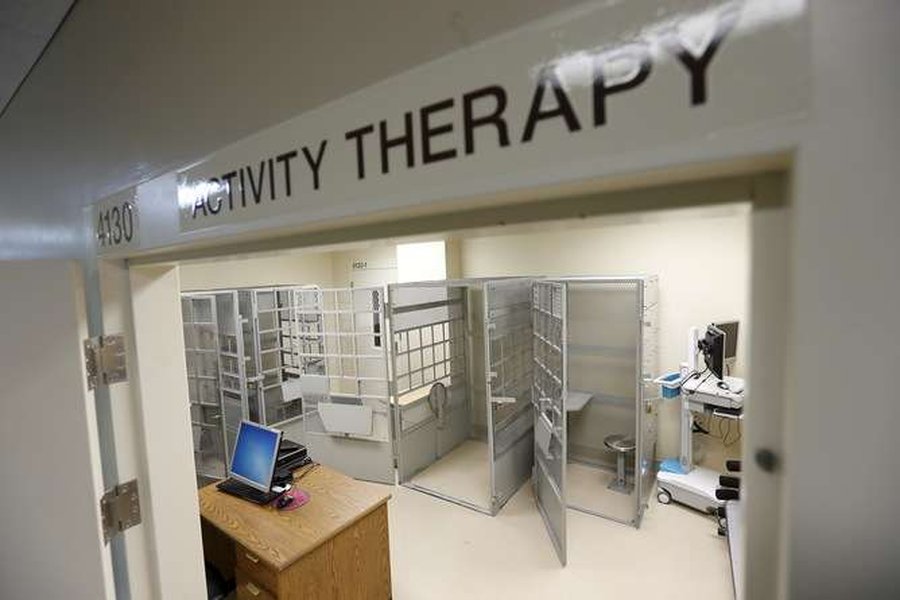
Key Insights at a Glance
- Access and Quality: Equal, timely, and comprehensive mental health care comparing favorably to community standards.
- Cultural and Individual Sensitivity: Recognizing diverse, unique needs of various populations and addressing stigma.
- Systemic and Operational Challenges: Overcoming structural barriers, ensuring integration, and aligning policies with ethical mandates.
Comprehensive Overview of Equity in Correctional Settings
Equity in the provision of psychological services within correctional settings entails the fair and just distribution of mental health care to incarcerated individuals. The principles of equity require that everyone, irrespective of background, gender, ethnicity, or legal status, should have equal access to high-quality mental health care that mirrors the standards of the community. The following sections explore this multifaceted issue in depth.
Access to Mental Healthcare
Equal and Timely Access
One of the cornerstone elements of equity in psychology service provision within correctional settings is ensuring equivalent and timely access. In practice, this means both male and female inmates should be granted mental health services without discrimination. Studies have shown that various populations, including women and ethnic minorities, exhibit higher rates of mental health issues. For example, research indicates that 14.5% of men and 31% of women entering correctional facilities suffer from serious mental health disorders. Despite these figures, logistical problems such as understaffing and scheduling conflicts hinder timely interventions.
In addition, providing adequate information about available services is essential. Inmates often require transparent guidelines on how to access mental healthcare, be it through scheduled appointments or immediate crisis interventions. It is vital that information is disseminated in multiple languages and consistent with the literacy levels across the prisoner population.
Infrastructure and Resource Allocation
Access is not solely about scheduling; it also involves ensuring that services are underpinned by proper infrastructure. Correctional facilities must be equipped with modern technological resources, such as telehealth platforms, which have become increasingly significant during periods of staffing shortages or public health emergencies. Additionally, financial barriers must be eliminated by ensuring that health services, including medications, are provided free of charge. This democratizes access and minimizes inequities that arise due to economic disparities among inmates.
Quality of Mental Healthcare
Meeting Community Standards
Equity in psychological services extends beyond just access—it concerns the quality of care provided. There is a prevailing expectation that mental health care within correctional settings must adhere to the same standards as available in the general community. This ensures that despite the unique environment of a correctional facility, quality care remains consistent. Qualified professionals, comprising psychologists, clinical staff, and counseling psychologists, are crucial to delivering this standard of care.
Experiential interventions, including cognitive-behavioral therapy (CBT), mindfulness-based therapies, and other evidence-based practices, should be accessible to inmates. For instance, pilot projects in several jurisdictions have shown that integrated therapy programs significantly reduce symptoms of depression and anxiety among incarcerated populations. In this way, maintaining high-quality care is not merely a clinical imperative, but also a measure of ethical and legal compliance in prisons.
Qualified Care Providers and Comprehensive Treatment
The effectiveness of mental health services in correctional settings relies heavily on the availability and qualifications of the care providers. Institutions are encouraged to employ a range of professionals, including senior psychologists, assistant psychologists, and specialized therapists who bring a diverse range of skills to their practice. Establishing specialized units that focus on the distinct needs of vulnerable populations—such as women, minorities, and those with dual diagnosis (mental health issues combined with substance abuse)—is indispensable for delivering comprehensive care.
Cultural Competence and Sensitivity
Addressing Diverse Needs
Incarcerated populations are notably diverse, and recognizing this diversity is pivotal for achieving equity. Cultural competence in correctional mental health services involves developing strategies that are sensitive to ethnic, racial, and socioeconomic differences. For example, minority groups frequently experience systemic biases both in society and within the justice system. Mental health providers must therefore adopt culturally tailored interventions that address these unique backgrounds. This not only includes language translation services but also incorporates cultural norms and values into therapeutic practices.
Specialized programs may include peer-support groups led by individuals who represent similar cultural backgrounds, thereby fostering an environment of trust and mutual understanding. Programs also need to actively reduce the stigma associated with mental illness by educating both the inmate population and the correctional staff. By doing so, the system can promote an atmosphere where seeking mental health care is normalized and destigmatized.
Holistic, Evidence-Based Practices
The integration of holistic treatment approaches has emerged as a best practice in the pursuit of equity. These approaches consider not just the individual’s mental health status but also additional environmental factors such as overcrowded facilities, exposure to violence, and lack of social support. Holistic models often balance individual counseling with group therapy, stress management techniques, and resilience training. This comprehensive orientation aids in mitigating the compounding effects of the correctional environment on mental health.
Systemic and Structural Barriers
Overcoming Institutional Hurdles
Correctional settings inherently present numerous systemic challenges that impede the delivery of equitable mental health care. Inadequate funding, resources, and trained personnel can lead to significant deficits in service provision. Bureaucratic obstacles, such as prolonged waiting times and complex administrative protocols, further exacerbate these issues. To overcome these barriers, a systemic overhaul is required, which may include increased funding allocations, policy reform, and deliberate integration of community-based services within the prison system.
Additionally, correcting these systemic failures entails the implementation of objective classification systems that are gender-responsive and sensitive to the needs of high-risk populations. Such models ensure that inmates are accurately categorized, which in turn directs them to the appropriate levels and types of care. These classification systems are not only essential for clinical purposes but also for ensuring that resources are allocated equitably across the correctional environment.
Integration of Care and Post-Incarceration Continuity
Equitable correctional mental health care must also extend to the phase of reentry into society. There is a wide recognition that discontinuity of care after release is a major contributor to recidivism. Therefore, correctional facilities should establish robust transition programs that link inmates to community mental health services upon release. This seamless integration is critical not only for the continuity of treatment but also for ensuring that former inmates are adequately supported, reducing the likelihood of relapse into harmful behaviors.
Legal and Ethical Imperatives
Adherence to Rights and Standards
The provision of mental health care in correctional settings must conform to both ethical and legal standards. Constitutional mandates, such as those inferred from the Eighth Amendment in the U.S., require that inmates receive adequate medical and psychiatric care. These legal frameworks obligate correctional institutions to offer treatment that is in line with community standards, ensuring that a lack of care does not translate into a violation of constitutional rights.
Ethical dilemmas are especially prevalent in carceral psychology, where practitioners must balance the dual responsibilities of promoting client welfare and ensuring institutional security. Correctional psychologists often navigate challenging ethical landscapes where patient autonomy intersects with public safety concerns. In this context, evidence-based practices and continuous professional training are indispensable for both maintaining high standards of care and protecting the rights of the inmates.
Synthesized View: A Comparative Perspective
To better understand how these aspects interrelate, the following table provides a comparative synthesis of the primary dimensions:
| Aspect | Description | Relevance |
|---|---|---|
| Access to Services | Ensuring equal, timely, and informed access to mental health resources within correctional settings. | Addresses disparities and promotes early intervention. |
| Quality of Care | Delivering treatment on par with community standards with qualified professionals and comprehensive therapies. | Ensures effective, evidence-based, and ethical treatment. |
| Cultural Competence | Implementing care that respects and incorporates the diverse cultural, ethnic, and gender identities of inmates. | Improves trust, reduces stigma, and enhances therapeutic outcomes. |
| Structural Integration | Overcoming institutional challenges such as underfunding, bureaucratic delays, and ensuring post-incarceration continuity. | Facilitates a seamless continuum of care from incarceration to community reentry. |
| Legal & Ethical Considerations | Abiding by constitutional rights and ethical mandates to ensure incarcerated individuals receive fair treatment. | Protects inmates’ rights and aligns treatment with society’s expectations. |
Visualizing the Dimensions with a Radar Chart
To provide a visual representation of the key aspects of equity in correctional psychology services, the radar chart below captures dimensions such as access, quality, cultural competence, systemic integration, and legal/ethical considerations. This conceptual model reflects the depth of these dimensions as interpreted from the synthesized insights.
Extending the Conversation: FAQ on Equity in Correctional Psychology Services
What defines equity in mental health services in prisons?
How can correctional facilities overcome systemic barriers?
What role do legal and ethical standards play in these services?
References
- Mental Health Inmates - American Psychological Association
-
Irish Prison Psychology Service - Irish Prisons
- Objective Systems in Prison Classification - Oxford Bibliographies
-
Barriers to Mental Healthcare Access - NIH PMC
- Prison Health as Public Health - PubMed
Recommended Further Queries
Last updated April 3, 2025