
Bioethical Principles in Medical Waste Management
A Detailed Exploration of Ethical Guidelines in Handling Contaminated Materials
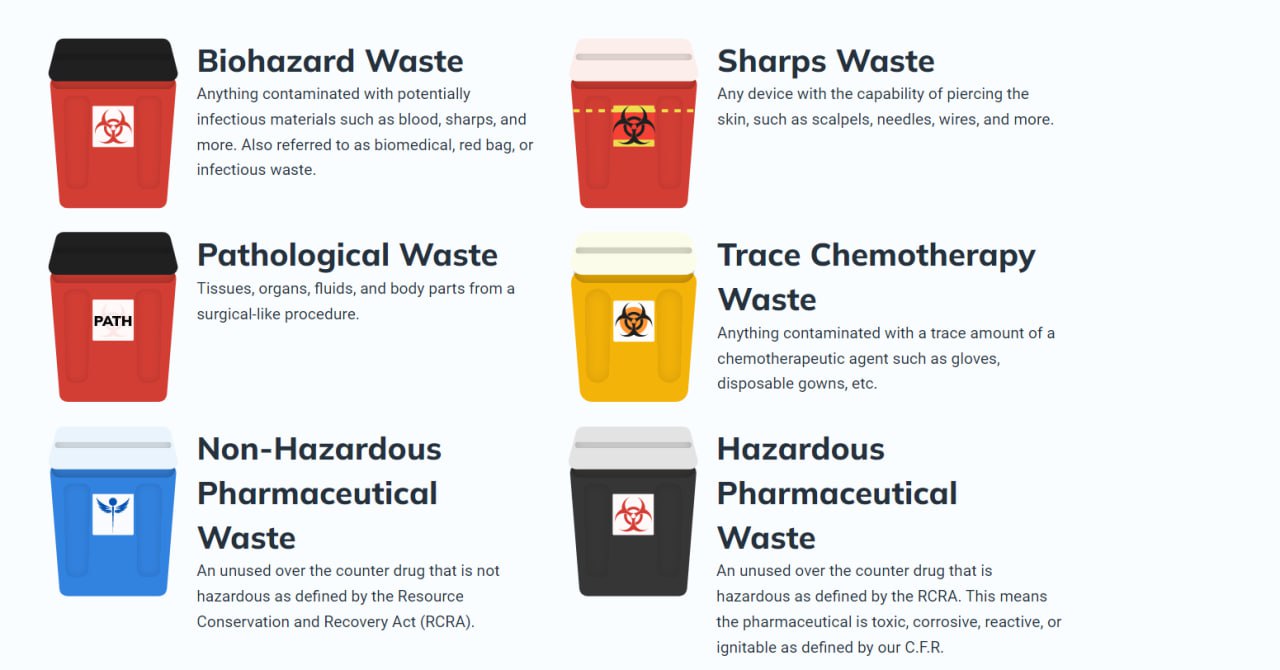
Key Highlights
- Protection of Health: Each step is focused on minimizing harm to healthcare workers, patients, and the community.
- Transparency and Accountability: Clear labeling and secure containment ensure ethical management of hazardous waste.
- Diverse Ethical Dimensions: The process integrates multiple bioethical principles, including nonmaleficence, beneficence, justice, and respect for autonomy.
Introduction
Medical waste management is an essential component of healthcare safety and public health ethics. In situations where contaminated materials and personal protective equipment (PPE) are involved, specific bioethical principles guide the procedures to protect both individuals and communities. The process of disposing medical waste typically involves multiple careful steps designed to ensure that infectious materials are safely contained until they can be handled or disposed of appropriately.
We will analyze three specific steps in the management of hazardous waste and identify the bioethical principle(s) that directly underpin each action. The necessity to manage contamination responsibly is not only a logistical challenge but also an ethical obligation. The focus of our discussion will be on the following three steps:
- Placing the first bag inside the second bag outside the room
- Removing the cap, mask, gloves, and gown and placing them inside the second bag
- Securing the bag with tape and labeling it with appropriate details (room number and type of isolation, including contamination status)
In the subsequent sections, we will go into the ethical reasoning behind each step. Through careful consideration of the principles of nonmaleficence, beneficence, justice, and respect for autonomy, we will demonstrate how each action contributes to a safer environment and a more equitable allocation of responsibilities in healthcare.
Step-by-Step Analysis of Bioethical Principles
Step 8: Placing the First Bag Inside the Second Bag Outside the Room
Understanding the Procedure
This initial step in managing contaminated materials involves placing a primary waste bag inside a secondary bag that is located outside the patient care room. The intent is to ensure that any infectious or hazardous material contained in the inner bag is further isolated from the environment where it might pose a risk. The outer bag acts as an additional barrier that minimizes the chance of accidental spills or exposure during transport.
Bioethical Principle: Nonmaleficence
The principle of nonmaleficence, which dictates "do no harm," is paramount in this process. By enclosing the potentially contaminated materials within a double-bag system, healthcare professionals actively reduce the risk of exposure to harmful pathogens. This step is critical in safeguarding the health of individuals who may come into contact with the waste during subsequent handling or disposal procedures.
Here is a brief summary of the key aspects of this step:
| Aspect | Description |
|---|---|
| Action | Placing the first bag inside the second bag outside the patient room. |
| Intent | To provide an extra barrier that minimizes contamination risks. |
| Ethical Principle | Nonmaleficence (do no harm) |
| Outcome | Minimized risk of cross-contamination, protecting staff and patients. |
Step 9: Removing the Cap, Mask, Gloves, and Gown and Placing Them Inside the Second Bag
Understanding the Procedure
In this step, healthcare professionals remove components of personal protective equipment (PPE) that may have been exposed to contaminants. Rather than leaving them in a potentially vulnerable state, all items—including the cap, mask, gloves, and gown—are carefully placed inside the secondary bag. This action reduces the risk that these contaminated items will inadvertently expose others to pathogens during their disposal.
Bioethical Principles: Beneficence and Nonmaleficence
By handling and disposing of contaminated PPE in this controlled way, healthcare workers demonstrate the principle of beneficence, which emphasizes doing good. This involves taking proactive measures that promote the well-being of patients, colleagues, and the wider community by reducing the likelihood of pathogen transmission.
Simultaneously, this step reinforces nonmaleficence. Even though the primary focus is on actively benefiting public health through cautious waste management, the inherent act of minimizing further harm by controlling potential sources of infection cannot be overlooked.
In summary, this dual ethical approach ensures that the benefits of meticulous safety procedures are realized while any potential harm from exposure to hazardous materials is minimized.
Step 10: Securing the Bag with Tape and Labeling It with the Room Number and Type of Isolation
Understanding the Procedure
The final step in the waste management process is to secure the sealed bag with tape and clearly label it with critical information. This includes the room number from which the waste originated and the type of isolation required. Additionally, any notes about contamination—such as the presence of blood, drainage, or other secretions—are indicated to inform waste handlers of the specific hazards associated with the materials.
Bioethical Principles: Justice, Respect for Autonomy, and Veracity
The act of properly labeling and securing the waste draws upon several ethical concepts:
- Justice: This principle assures fairness and equity in the handling of medical waste. When waste is appropriately labeled and handled, every individual involved in the process—whether directly handling the waste or involved indirectly—has access to important information. The risk is distributed fairly among workers, and safety protocols are uniformly applied.
- Respect for Autonomy: By labeling the waste clearly, healthcare workers enable others involved in subsequent stages of disposal to make informed decisions. Providing transparent information respects the autonomy of individuals who are making decisions regarding their own safety and the safety of others.
- Veracity (Truthfulness): Although sometimes less emphasized, veracity is crucial when conveying truthful information about the contents and potential hazards of the waste. Accurate labeling is a manifestation of honesty and integrity within healthcare operations, ensuring that no misleading information compromises safe handling practices.
This step plays an essential role in maintaining a reliable chain of custody for hazardous waste. It also acts as a safeguard, ensuring that downstream processes, such as transportation and final disposal, are carried out with full awareness of the risks involved.
Comprehensive Discussion
Interconnectedness of Bioethical Principles
While each of the three steps has been clearly associated with distinct ethical principles, it is important to acknowledge how these principles work synergistically. In the context of managing potentially hazardous medical waste, healthcare providers and staff are required to not only prevent harm but also actively do good, promote fairness, and ensure clarity across every step of the process.
In step 8, the clear application of nonmaleficence sets the stage by focusing on harm prevention. Step 9 reinforces this by balancing nonmaleficence with beneficence, as both come into play when disposing of contaminated PPE safely. Finally, step 10 rounds out the process with an infusion of justice, respect for autonomy, and veracity. In ensuring accountability and transparency, professionals uphold ethical standards that protect everyone involved in the management chain from potential exposure to infectious hazards.
The integration of these bioethical principles is reflected throughout waste management protocols across healthcare contexts. The combined approach often helps in the following ways:
- Enhancing Safety Protocols: The stepwise implementation of these actions guarantees a robust safety net during the disposal process, reducing accidental exposures and contamination risks.
- Maintaining Trust: Ethical transparency through proper labeling and secure handling builds trust among healthcare workers, waste handlers, and the community at large.
- Ensuring Equitable Risk Management: Justice and respect for autonomy ensure that the burden of managing potentially hazardous materials is shared fairly, with every stakeholder being fully aware of the risks involved.
Operational and Ethical Implications
Safety and Risk Management
Operationally, the implementation of bioethical principles in waste management is indispensable for the safety of healthcare settings. Ensuring the double-bag method, proper removal of contaminated PPE, and secure labeling not only mitigates risk but also plays a pivotal role in reducing the incidence of hospital-acquired infections. These measures provide protection not just to healthcare workers, but also to patients who may otherwise be exposed indirectly to hazardous pathogens.
The meticulous application of these protocols guarantees that at each hand-off point in the waste management process, there is a commitment to preserving human health. For example, in times of outbreak or high-risk exposure, the methods become even more critical. By adhering to these ethical guidelines, healthcare institutions become models of safe practice which can be replicated and adapted across different scenarios and geographic locations.
Ethical Training and Awareness
Beyond the direct application of these bioethical principles in daily practice, training healthcare workers to recognize and appreciate the ethical dimensions of their actions is imperative. An in-depth understanding of nonmaleficence, beneficence, justice, and respect for autonomy encourages professionals to be vigilant and proactive in identifying potential vulnerabilities in waste management.
Through continuous training and ethical review sessions, healthcare facilities ensure that every member of the team is not only aware of the operational procedures but also understands why these protocols are ethically justified. This ongoing education fosters an environment where the safety culture is deeply integrated into routine practices, leading to better compliance and innovation in handling emerging challenges.
Practical Guidelines for Implementation
Developing Standard Operating Procedures
To implement these bioethical principles effectively, institutions need to develop comprehensive Standard Operating Procedures (SOPs). Such guidelines should encapsulate every step from the initial containment of the contaminated material to the final disposal. Key practices include:
- Double-Bagging Technique: Always ensure that the first bag is securely placed within a second bag located outside the facility’s critical zones.
- Proper PPE Removal Protocol: Waste management procedures should include detailed steps on removing PPE safely, followed by immediate disposal into the secondary bag.
- Labeling and Documentation: Each waste bag must be sealed, taped, and labeled with all necessary information to ensure safe tracking throughout the disposal process.
These SOPs are critical not only for maintaining operational consistency but also for embedding ethical diligence into every action. When healthcare workers see the direct link between protocol adherence and improved safety outcomes, the ethical imperatives become a natural part of daily practices within the institution.
Monitoring and Auditing
Regular monitoring and periodic audits are essential in ensuring that these ethical standards are being upheld. By evaluating systems and verifying that each step conforms to established guidelines, healthcare facilities can address any gaps in the procedures promptly. This continuous feedback loop supports enhanced safety profiles and reinforces the importance of bioethical principles throughout the lifecycle of medical waste management.
Such monitoring may involve detailed checklists, interdepartmental reviews, and even third-party evaluations. The insights gained from these audits can lead to improvements in existing protocols, thereby further solidifying the ethical and operational integrity of waste management systems.
Conclusion
In summary, the proper handling of contaminated medical waste is underpinned by a clear integration of bioethical principles that guide each step of the process. The act of placing the first bag inside a second bag outside the room is fundamentally supported by the principle of nonmaleficence, as it minimizes any risk of exposure by providing an additional barrier. Removing contaminated PPE and ensuring it is securely contained illustrates a dual commitment to beneficence and nonmaleficence; the healthcare worker not only acts in the best interest of others by preventing infections but also minimizes potential harm by safely containing hazardous materials.
Securing and labeling the waste bag with detailed information clearly embodies the principles of justice, respect for autonomy, and veracity. This step promotes fairness, transparency, and accountability in the waste disposal process, ensuring that every individual involved is adequately informed and able to act safely.
This multi-dimensional approach encapsulates ethical care in healthcare settings, ensuring that every aspect of waste management is simultaneously operationally sound and morally responsible. The alignment of these principles within everyday practices not only protects health and well-being but also fosters a culture of continuous improvement and ethical vigilance.
References
- Medical Waste and Healthcare Ethics - CHAUSA
- WHO Fact Sheet on Healthcare Waste - World Health Organization
- CDC Guidelines for Infection Control - CDC
Recommended Further Queries
Last updated February 20, 2025