
Impact of Intermarriage on Ethiopian Cultural Identity
Exploring the rich intersection of ethnic diversity and evolving identities
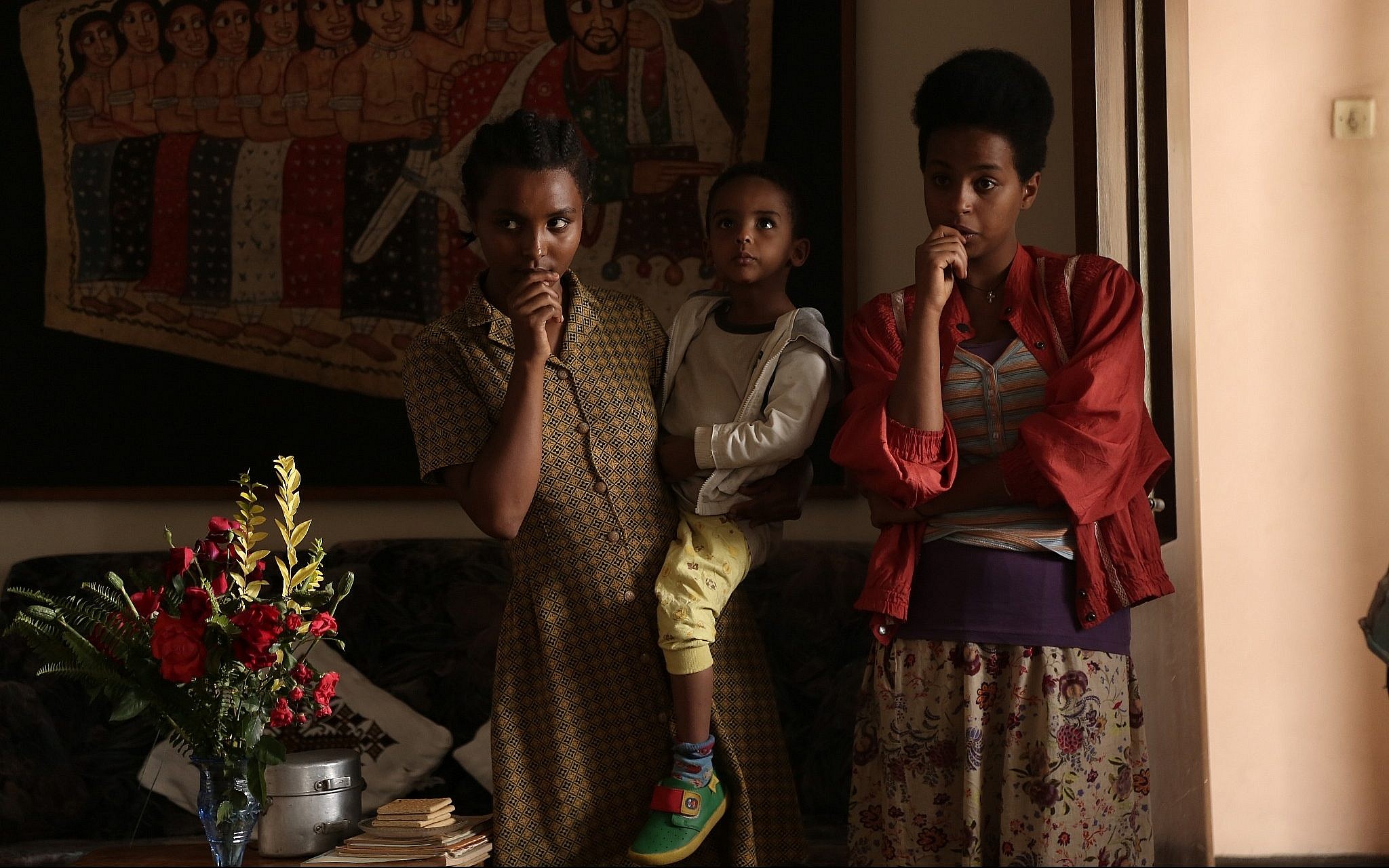
Key Highlights
- Cultural Integration and Exchange: Intermarriage promotes the blending of diverse cultural traditions, strengthening community ties.
- Social Cohesion and Challenges: While facilitating peaceful coexistence, intermarriage also tests traditional norms and can be met with resistance.
- Evolution of Identity: The impact on future generations creates nuanced, hybrid identities that redefine cultural heritage in Ethiopia.
Historical Background and Ethnic Diversity
Ethiopia is a country characterized by an extraordinary array of ethnic groups, with over 80 recognized communities, each providing its own distinct languages, traditions, and cultural practices. This diverse fabric not only enhances the country’s cultural richness but also contributes to a complex social structure where intermarriage plays an influential role. Historically, intermarriage has served as a strategic tool, often used for forging political alliances, promoting peace, and establishing kinship ties between otherwise disparate groups. These unions have laid the groundwork for a shared national identity that is simultaneously multifaceted and unified.
The Role of Historical Alliances
Historically, intermarriage in Ethiopia has been deliberately utilized by ruling classes to fortify political alliances. Such unions served not only to bond families but also to create networks of loyalty and mutual support. For instance, historical records indicate arranged marriages among influential families, symbolizing both personal union and political strategy. This use of intermarriage underscores its potential in shaping the socio-political landscape of Ethiopia and illustrates its longstanding cultural significance.
Cultural Exchange and Hybridity
One of the most visible impacts of intermarriage is the fusion of different cultural traditions and practices. When people from diverse ethnic backgrounds unite through marriage, they bring with them a rich array of customs, languages, culinary arts, and values. This cultural exchange often results in a hybrid identity that can enrich the national cultural tapestry.
Enrichment of Traditions
The offspring of intermarriages frequently embody a blend of their parents’ cultural heritages. This multifaceted upbringing can lead to a creative synthesis of traditions—where festivals, rituals, and everyday practices incorporate elements from both sides. Such integration not only diversifies cultural expression but also encourages respect for foreign traditions, paving the way for a broader acceptance of diversity.
Linguistic and Social Synergy
In addition to cultural practices, language often plays a pivotal role in this process. Children raised in intermarried families sometimes grow up bilingual or multilingual, fostering greater communication and understanding among different ethnic groups. This linguistic versatility can lead to increased social mobility and broader opportunities in an increasingly interconnected world.
Social Cohesion and Challenges
While the blending of cultures through intermarriage offers numerous benefits, it also brings about significant challenges, particularly in societies with deep-rooted traditional values and strong ethnic identities. Many segments of Ethiopian society still hold the view that maintaining cultural purity is paramount. This perspective can lead to resistance against intermarriage and cause friction within families and local communities.
Cultural Resistance and Societal Tensions
In communities where ethnic identity is strongly emphasized, intermarriage has occasionally been perceived as a dilution of cultural heritage. This view is prevalent among traditionalists who believe that marrying outside one’s ethnic group may lead to a loss of cultural continuity. As a result, couples involved in interethnic unions sometimes face social stigmatization and even pressure from within their immediate families.
Navigating Social Norms
Despite resistance from conservative segments, the increasing trend of intermarriage is slowly reshaping societal norms. Urban centers like Addis Ababa have become hotspots for cultural interchange, where exposure to diverse practices and lifestyles has encouraged a more liberal outlook among younger generations. This gradual shift suggests that while challenges remain, the potential for broader social cohesion is significant over time.
| Aspect | Positive Impact | Potential Challenge |
|---|---|---|
| Cultural Exchange | Enrichment of traditions, culinary diversity, blended practices | Possible dilution of traditional customs |
| Social Cohesion | Increased inter-ethnic tolerance and understanding; stronger community bonds | Resistance from conservative sectors; risk of marginalization |
| Language and Communication | Promotion of multilingualism; enhanced communication skills | Potential challenges in preserving minority languages |
| Political and Economic Alliances | Strengthened networks; improved access to resources across groups | Complication of traditional tribal alliances and power structures |
Generational Impact and Evolving Identity
The influence of intermarriage on cultural identity is not static—it evolves across generations. Children raised in intermarried families often embody diverse cultural influences, leading to hybrid identities that reflect both historical heritage and modern sensibilities.
Blended Identities in Urban Contexts
In urban environments, where exposure to a multitude of cultures is commonplace, children of intermarried couples are more likely to navigate between different cultural paradigms with ease. Their hybrid upbringing encourages innovative interpretations of cultural traditions, making them ambassadors of a new, inclusive Ethiopian identity. These individuals often serve as living examples of how traditional values can adapt in a rapidly changing global context.
Transformation of Social Practices
As younger generations become more open to cultural fluidity, social practices and rituals begin to reflect this transformation. New forms of cultural expression emerge, combining elements from various ethnic traditions. This evolution may lead to the creation of innovative customs that honor the past while embracing modernity, thus ensuring a dynamic and resilient cultural identity.
Intermarriage as a Mechanism for Social Integration
Beyond personal relationships, intermarriage serves as a significant indicator of social structure integration. By bridging cultural divides, intermarriage helps to merge disparate traditions, fostering mutual respect and better cooperation among ethnic groups. This integration is especially crucial in multi-ethnic societies, where it can contribute to political stability and economic progress.
Economic and Political Alliances
In regions where intermarriage is common, it often lays the groundwork for broader socio-economic networks. These networks can enhance access to resources and opportunities across ethnic lines. Politically, intermarriage has historically been used to secure alliances and facilitate community partnerships that underpin national unity.
Fostering Trust and Tolerance
Trust and tolerance are essential for peaceful coexistence in a country as diverse as Ethiopia. Intermarriage can act as a catalyst for building such qualities by creating cross-cultural bonds, fostering understanding, and breaking down preconceived prejudices. As individuals from various backgrounds interact intimately, they are more likely to develop empathy and mutual respect, which in turn contributes to social stability.
Urbanization and Changing Cultural Dynamics
Urbanization has accelerated the pace of cultural change in Ethiopia, particularly in major cities where diverse populations converge. In these environments, traditional rural norms may be challenged by the practicalities of modern urban life. Intermarriage in such contexts often reflects broader societal trends toward globalization and modernity.
The Role of Addis Ababa
Addis Ababa, as the political and economic hub of Ethiopia, epitomizes this cultural transformation. The city’s melting pot of traditions and lifestyles offers an environment where interethnic exposure is heightened, and acceptance of mixed cultural practices is more common. This urban dynamic is instrumental in fostering an atmosphere where innovation in cultural expression can thrive.
Digital Age Influence
The proliferation of digital media and social networks has further revolutionized the dissemination and evolution of cultural identities. Online communities and social platforms allow for a broader exchange of ideas, making it easier for intermarried families to share their diverse experiences. Such interactions contribute to the gradual redefinition of what it means to be Ethiopian in a globalized era.
Balancing Tradition with Modernity
A central tension in the discussion of intermarriage in Ethiopia revolves around balancing the preservation of rich traditional practices with the inevitability of modern cultural dynamics. Many Ethiopians value their ancestral customs deeply, while simultaneously recognizing that adaptiveness and inclusion enhance cultural vitality.
Preservation of Ethnic Heritage
Even as intermarriage encourages a blending of cultures, efforts to preserve distinct ethnic traditions remain robust. Rituals, language, and customary practices are often carefully maintained and celebrated even in interethnic unions. This careful curation of heritage ensures that while new identities emerge, the foundational elements of traditional culture are not lost.
Adapting to Contemporary Realities
In the modern era, the emphasis on inclusivity and multicultural dialogue has led many communities to embrace intermarriage as part of the natural evolution of societal structures. Educational programs, media portrayals, and government initiatives increasingly aim to dispel stereotypes and foster environments where both tradition and modernity can coexist. Such balanced narratives are vital for ensuring that Ethiopia’s cultural identity remains both resilient and progressive.
Policy Implications and Future Directions
As intermarriage continues to influence Ethiopian cultural identity, it also raises important questions for policy-makers concerned with social integration, education, and community development. Understanding the benefits and challenges of intermarriage is essential for crafting policies that promote unity while respecting cultural diversity.
Educational Outreach
Incorporating lessons on cultural diversity and the historical role of intermarriage into educational curricula can help foster appreciation and understanding from an early age. Such outreach not only reduces prejudices but also equips the younger generation with the tools needed to navigate and celebrate a pluralistic society.
Legal and Social Frameworks
Establishing legal frameworks that protect intermarried families from discrimination is essential. Policies that encourage cross-cultural community programs and celebrate mixed heritage events can contribute significantly to reducing societal tensions. Strong legal support, combined with community-led initiatives, will likely be pivotal in shaping a more inclusive future.
| Policy Focus | Benefits | Challenges |
|---|---|---|
| Education | Promotes cultural awareness; encourages young people to celebrate diversity | Requires curriculum reforms and teacher training |
| Legal Protection | Safeguards rights of intermarried families; helps counter discrimination | Needs robust enforcement and awareness campaigns |
| Community Programs | Fosters inter-ethnic dialogue; builds networks of support | Dependent on political will and resource allocation |
| Media Inclusion | Helps normalize diverse narratives; educates the public on benefits of integration | Must counterbalance traditional media biases |
Cultural Narratives in the Media and Public Sphere
Media representations play a crucial role in shaping public perception of intermarriage and its effect on cultural identity. Documentaries, news reports, and even social media narratives can highlight both success stories and the challenges faced by intermarried families. Such representation can influence societal attitudes by promoting positive stories of integration and mutual respect, while also candidly discussing the inherent challenges.
Media as a Reflection of Change
By showcasing vibrant, diverse families and celebrating cultural festivals that combine various traditions, media outlets help normalize and validate the notion that cultural identity in Ethiopia is dynamic and multifaceted. This not only helps counteract negative stereotypes but also encourages policy-makers and community leaders to further invest in integrative cultural initiatives.
Public Conversations and Dialogues
Public discussions about intermarriage often underscore its transformative potential. Whether through radio talk shows, community forums, or online platforms, these conversations serve to bridge gaps between different societal groups. They highlight real-life experiences of intermarried families, nurturing a more comprehensive understanding of what it means to be culturally Ethiopian in a complex, globalized context.
References
- Inter-Ethnic Marriage: Practices, Roles and Challenges: The case of ... - JU Repository
- Explaining Inter-ethnic Marriage in Sub-Saharan Africa - Wiley Online Library
- Ethnic Interaction and Integration in Gondär, Ethiopia - Taylor & Francis Online
- Amity Through Intermarriage - Academia.edu
- Local Protests Delay Marriage Formation in Ethiopia - Oxford Academic
Recommended Queries for Further Exploration
Last updated March 5, 2025