
Forging Ahead: How Can the EU Recapture Its Competitive Edge Against Global Titans?
Unpacking the multifaceted strategy the European Union must deploy to rival the economic dynamism of China and the United States.
The European Union stands at a critical juncture, facing mounting economic pressure from global powerhouses like China and the United States. To navigate this complex landscape and bolster its global standing, the EU is charting a course centered on innovation, strategic investments, and robust policy frameworks. This involves a comprehensive approach aimed at revitalizing its industries, fostering technological leadership, and ensuring sustainable prosperity for its member states.
Strategic Imperatives for EU Competitiveness
- Igniting Innovation: The EU must close the existing innovation gap by significantly boosting investment in Research & Development (R&D), particularly in strategic high-tech sectors, and fostering a vibrant ecosystem for startups and scale-ups.
- Streamlining for Success: Reducing regulatory burdens and simplifying administrative processes across the Single Market is crucial for enhancing business dynamism and making it easier for companies, especially SMEs, to operate and expand.
- Championing the Green Transition: Leading the global shift towards sustainability by investing in decarbonization, clean technologies, and circular economy models can unlock new avenues for competitive advantage and future-proof the EU economy.
The "Competitiveness Compass": Charting the EU's Path Forward
At the heart of the EU's strategy is the "Competitiveness Compass," a strategic framework designed to guide the European Commission's actions and embed competitiveness into all EU initiatives for the 2024-2029 period. This compass identifies key priority areas to ensure the EU can effectively compete on the global stage.
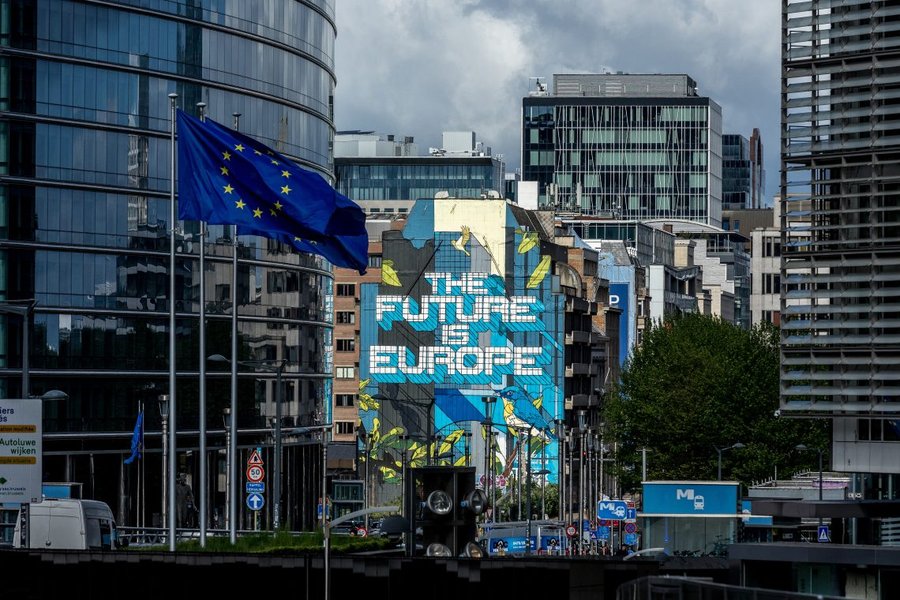
Visual representation of the EU's strategic direction.
Pillar 1: Closing the Innovation and Technology Gap
A primary focus is to revive the EU's innovation cycle. This involves addressing market fragmentation and improving access to venture capital and risk financing, particularly for startups and scale-ups. The EU aims to take the lead in strategic technology sectors critical for future growth.
Key Strategic Technology Sectors
- Artificial Intelligence (AI) and AI Gigafactories
- Semiconductors and Quantum Technologies
- Advanced Materials
- Biotechnology and Life Sciences
- Clean Energy Technologies (e.g., green hydrogen, advanced batteries)
- Robotics and Automation
- Space Technologies
- Connected and Autonomous Mobility
To achieve this, the EU plans to support these strategic technologies with focused funding, potentially through a new European Competitiveness Fund. Moreover, better commercial exploitation of patents and a strong emphasis on R&D are deemed essential. This includes creating an "innovation-friendly" environment that supports the entire lifecycle from basic research to market deployment.
Fostering innovation is key to EU's growth.
Pillar 2: Reducing Regulatory Burdens and Enhancing the Single Market
The EU acknowledges the need to streamline its regulatory frameworks, which can sometimes hinder economic dynamism. Simplifying existing rules and improving their implementation will reduce administrative burdens on companies, making it easier for firms to operate, innovate, and expand within the vast Single Market. A horizontal single market strategy aims to modernize its rules, remove existing barriers, and prevent the creation of new ones, with a particular focus on supporting Small and Medium-sized Enterprises (SMEs) and startups. The Commission's 2025 Work Programme emphasizes these simplification efforts, including "Omnibus" packages designed to fine-tune regulations without compromising high EU standards.
Pillar 3: Leading the Green and Digital Transitions
Decarbonization and digitalization are not just challenges but significant opportunities for the EU. The Competitiveness Compass places the green transition of traditional industries and the expansion of new, climate-friendly technologies at its core. The EU aims to lead in sustainable technologies and green innovation, capitalizing on the global shift towards carbon neutrality. This includes developing strategies for decarbonized steel and metals industries and an affordable energy action plan to tackle high and volatile energy prices. Simultaneously, accelerating the digital transformation across all sectors is essential to boost productivity and efficiency, including wider adoption of cloud technologies, AI, and next-generation networks.
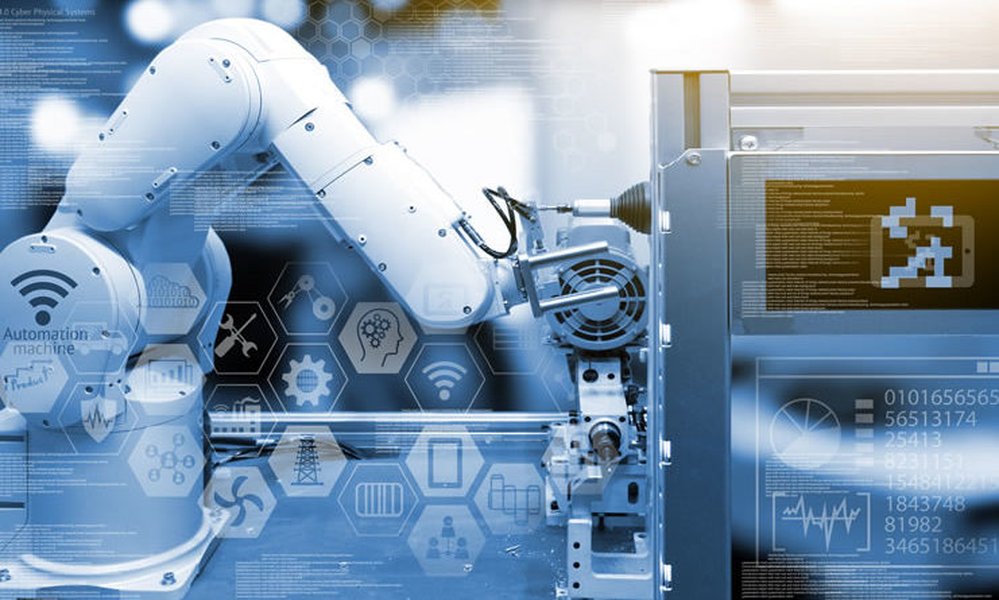
The twin green and digital transitions are central to EU's industrial strategy.
Pillar 4: Strengthening Economic Security, Resilience, and Global Trade
Enhancing economic resilience by securing supply chains for critical raw materials and components, bolstering technological sovereignty, and fortifying digital infrastructure is vital. This strategy aims to reduce dependency risks and safeguard strategic industries. The EU intends to use its trade policy as a central tool to increase trading opportunities for European companies. This involves:
- Negotiating comprehensive free trade agreements (FTAs) to open new markets and diversify trading partners.
- Upholding a strong, rules-based multilateral trading system through the World Trade Organization (WTO).
- Utilizing trade defense instruments judiciously to protect EU industries from unfair trade practices like dumping or subsidies, while avoiding protectionism.
- Carefully managing trade relations with major partners like the US and China, balancing cooperation with the defense of EU interests.
Pillar 5: Mobilizing Investment and Fostering Skills
Significant investment is crucial. The EU is working on a strategy for a Savings and Investments Union to mobilize private capital for EU projects and channel savings into the economy. Public investment will be strategically used to leverage and de-risk private capital. There's also consideration of reviewing public procurement rules to introduce a European preference in critical sectors and technologies. Furthermore, the EU recognizes the importance of skills and quality jobs. A "Union of Skills" focusing on investment in lifelong learning, skill retention, and a STEM education strategic plan aims to ensure the European workforce is equipped for the industries of the future. This includes promoting vocational education and training (VET) and attracting global talent.
Visualizing EU's Competitive Standing
To better understand the competitive landscape, the following chart provides an illustrative comparison of the EU, US, and China across several key competitiveness indicators. These are subjective assessments based on current analyses and trends, designed to highlight areas of relative strength and areas requiring focused improvement for the EU.
This radar chart illustrates perceived strengths and weaknesses across critical domains. For instance, while the EU shows strong Single Market Integration, areas like Venture Capital Availability and Innovation Output & Commercialization present opportunities for significant improvement to match or surpass competitors.
Mapping the EU's Strategic Response
The EU's approach to regaining competitiveness is multifaceted, involving coordinated actions across various policy domains. The mindmap below outlines the core pillars of this comprehensive strategy, demonstrating the interconnectedness of these initiatives.
(AI, Semiconductors, Biotech, CleanTech)"] id1c["Support Startups & Scale-ups"] id1d["Improve Patent Commercialization"] id1e["Strengthen University-Business Links"] id2["Enhancing the Single Market"] id2a["Regulatory Simplification & Burden Reduction"] id2b["Remove Internal Barriers"] id2c["Modernize Market Rules"] id2d["Support for SMEs"] id3["Driving Green & Digital Transitions"] id3a["Decarbonization Initiatives"] id3b["Investment in Clean Technologies"] id3c["Promote Circular Economy"] id3d["Accelerate Digital Transformation (AI, Cloud, 5G/6G)"] id4["Strengthening Trade & Global Standing"] id4a["Negotiate FTAs"] id4b["Uphold WTO & Multilateralism"] id4c["Strategic Use of Trade Defense Instruments"] id4d["Secure & Diversify Supply Chains"] id4e["Economic Security & Resilience"] id5["Mobilizing Investment & Capital"] id5a["Savings & Investments Union"] id5b["European Competitiveness Fund"] id5c["Leverage Public & Private Capital"] id5d["Strategic Public Procurement"] id6["Developing Skills & Talent"] id6a["Union of Skills Initiative"] id6b["STEM Education Strategic Plan"] id6c["Lifelong Learning & Vocational Training"] id6d["Attract & Retain Talent"]
This mindmap illustrates how different strategic actions, from investing in AI to simplifying regulations, contribute to the overarching goal of enhancing EU competitiveness. Each branch represents a critical area of focus within the EU's comprehensive plan.
Key Actions and Expected Outcomes
The following table summarizes the core strategic pillars and the specific actions the EU is undertaking, along with the desired outcomes for its competitiveness:
| Strategic Pillar | Key Actions | Desired Outcome |
|---|---|---|
| Innovation & Technology | Increase R&D funding; support strategic tech sectors (AI, quantum, biotech); foster startup/scale-up ecosystem; improve patent commercialization. | Global leadership in key technologies; increased innovation output; more globally competitive EU companies. |
| Regulatory Environment | Simplify EU-wide regulations; reduce administrative burdens; modernize Single Market rules; support SMEs. | More dynamic business environment; easier cross-border operations; increased SME growth and innovation. |
| Investment & Finance | Mobilize private and public capital (e.g., Savings & Investment Union, European Competitiveness Fund); de-risk strategic investments. | Increased investment in critical sectors; enhanced financial market integration; greater access to capital for businesses. |
| Trade Policy & Global Engagement | Pursue FTAs; uphold WTO rules; use trade defense instruments; secure supply chains; enhance strategic autonomy. | Expanded market access for EU firms; fair global competition; resilient supply chains; stronger geopolitical influence. |
| Green Transition | Invest in decarbonization; promote clean technologies and circular economy models; affordable energy action plan. | Leadership in green industries; reduced carbon footprint; sustainable economic growth; enhanced energy security. |
| Skills Development | Implement STEM education plan; promote lifelong learning and VET; attract and retain talent. | A highly skilled workforce adapted to future industrial needs; reduced skills gaps; increased productivity. |
Perspectives on EU's Economic Strategy
Understanding the EU's economic strategy requires looking at various expert opinions and official communications. The following video discusses the unveiling of reports and strategies concerning the future of EU competitiveness, featuring key figures like Ursula von der Leyen and Mario Draghi. This provides insight into the high-level thinking and priorities shaping the EU's approach.
This discussion highlights the urgency and the comprehensive nature of the plans being put forward to bolster Europe's economic standing in a rapidly changing global environment. It underscores the commitment to not only address current challenges but also to lay the groundwork for long-term, sustainable competitiveness.
Frequently Asked Questions (FAQ)
What is the "Competitiveness Compass"?
The "Competitiveness Compass" is a strategic framework published by the European Commission to guide its work for the 2024-2029 period. It aims to embed competitiveness into every EU investment and initiative, focusing on three strategic areas: closing the innovation gap, decarbonizing the economy, and increasing security and resilience. It outlines key actions and priorities to help the EU regain and enhance its global competitiveness.
How will the EU support innovation in strategic technologies?
The EU plans to support strategic technologies like AI, semiconductors, quantum computing, biotech, and clean energy through targeted funding, potentially via a new European Competitiveness Fund. This includes creating a favorable environment for startups and scale-ups with dedicated strategies, enhancing the commercial exploitation of patents, promoting R&D, and fostering collaboration between research institutions and businesses. Action plans, such as "Apply AI" initiatives and AI gigafactories, are also part of this strategy.
What role does the Single Market play in the EU's competitiveness strategy?
Enhancing the Single Market is fundamental to Europe's prosperity and competitiveness. The strategy includes modernizing its rules, removing barriers to cross-border trade and investment, and preventing new ones from emerging. This is particularly aimed at supporting SMEs and startups. Regulatory simplification and reducing administrative burdens are key components to make it easier for businesses to operate and scale within the EU.
How does the EU plan to balance decarbonization with industrial competitiveness?
The EU views decarbonization as a core pillar of its competitiveness. The strategy involves investing in the green transition of traditional industries (e.g., steel, metals, chemicals) and expanding new, climate-friendly technologies. This includes an affordable energy action plan, promoting resource efficiency and circular economy models, and securing strategic raw materials for clean technologies. The aim is to position the EU as a leader in sustainable innovation and green markets, thereby enhancing long-term competitiveness while meeting climate goals.
Recommended
- What specific measures is the EU taking to boost venture capital for tech startups?
- How does the EU's 'Competitiveness Compass' address the challenges posed by US and Chinese industrial policies?
- What are the main regulatory simplifications proposed by the EU to help SMEs?
- Explore the details of the EU's strategy for achieving technological sovereignty in semiconductor production.
References
Last updated May 18, 2025