
Background of the Study
Exploring Facebook’s Impact on Student Behavior in the Classroom
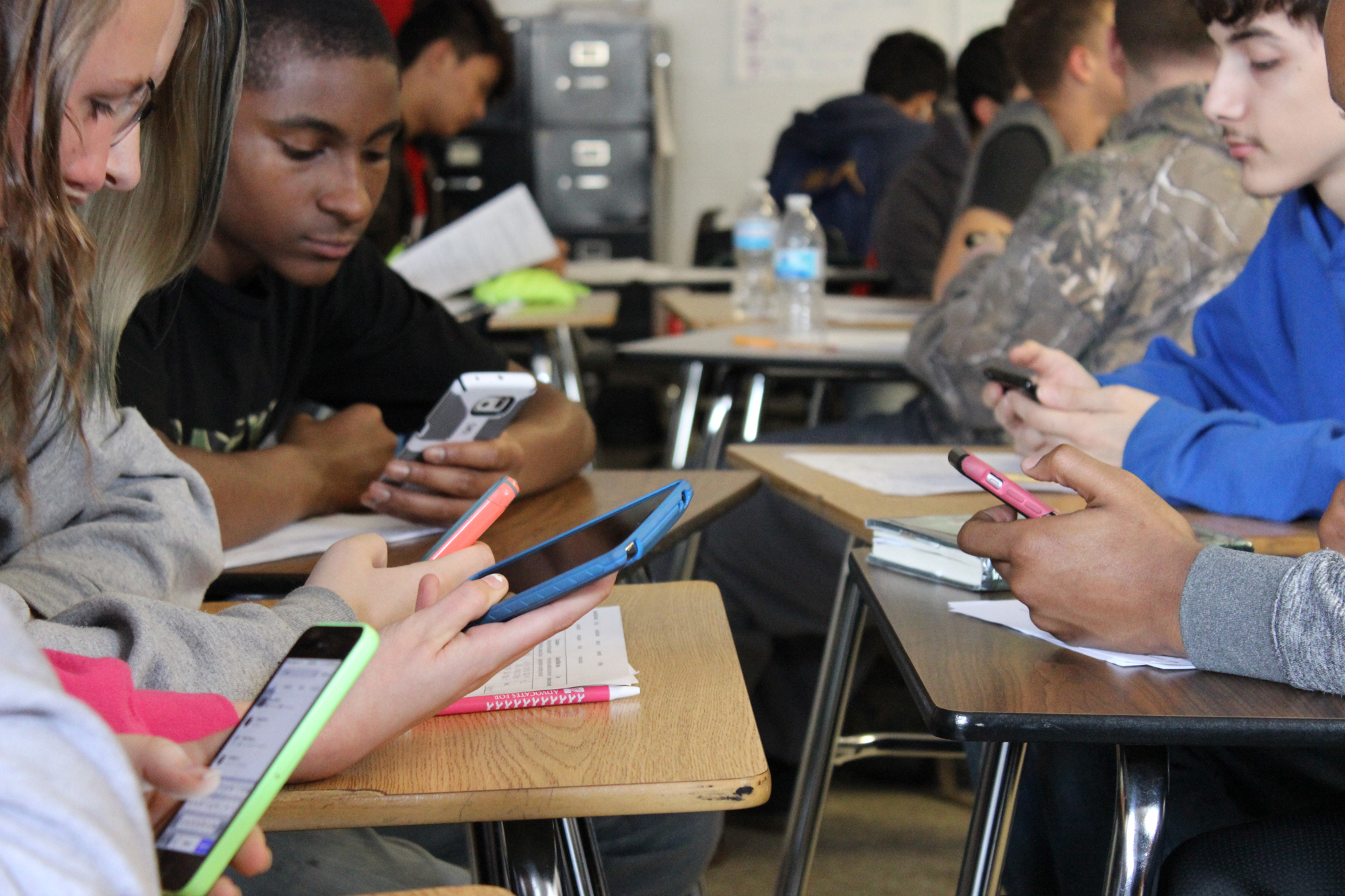
Key Highlights
- Enhanced Social Interaction: Facebook promotes peer-to-peer learning, collaboration, and community engagement in educational settings.
- Dual-Edged Influence: While it improves classroom communication and engagement, excessive use can lead to distractions and affect academic performance.
- Mental Health Implications: The platform’s broad reach may contribute to both positive interactions and potential issues such as anxiety, depression, and reduced attention span.
Introduction
In recent years, digital technology has revolutionized the way students interact within and beyond the classroom. One of the most influential digital platforms in this transformation is Facebook. Originally designed as a social networking site to connect people across diverse backgrounds, Facebook has grown to become a critical tool in academic settings. As students increasingly integrate Facebook into their daily routines, it has emerged as a pivotal factor in shaping their behavior, both academically and socially.
The integration of Facebook into educational systems has introduced diverse dynamics that directly impact student behavior. On the one hand, Facebook facilitates enhanced communication between students, instructors, and peers, thereby supporting collaborative learning and community building. On the other hand, the platform has been linked to potential distractions, decreased focus during lectures, and adverse effects on mental health. This background study aims to explore and synthesize the multifaceted influence of Facebook on student behavior by examining its implications on social interactions, academic performance, and psychological well-being.
The Evolution of Facebook in Educational Settings
Emergence and Integration
Facebook’s meteoric rise as a global social network has made it a central element in modern communication. Its application in educational settings started as an ancillary tool for social interaction but has evolved into a multifaceted platform that supports learning communities. Initially, educators and students alike were attracted to Facebook for its potential to create a more engaging and interactive environment where academic content could be shared seamlessly, and discussions could continue beyond the confines of the traditional classroom.
As technology advanced, the use of Facebook in education became more structured. Educators began to leverage the platform for disseminating academic materials, organizing study groups, and establishing forums where students could engage in academic discourse. Large academic institutions introduced formal educational groups on Facebook to foster a sense of community and extend learning opportunities into the digital space. This evolution marks a significant shift from conventional educational methods towards modern, digital learning frameworks.
The Role of Social Media in Modern Learning
With the increasing prevalence of digital technology, social media platforms have become essential tools in every aspect of daily life, including education. Facebook, in particular, stands out due to its user-friendly interface and widespread adoption among students. It not only serves as a platform for personal social interactions but also as a space for academic collaboration and intellectual engagement.
In this context, Facebook helps bridge the gap between traditional classroom learning and modern digital communication. It allows students to engage in discussions, seek instant feedback from peers and instructors, and collaborate on academic projects. This digital transformation facilitates a more inclusive learning environment, accommodating diverse learning styles and enhancing overall academic engagement. Moreover, for students who may be hesitant to participate in face-to-face discussions, Facebook provides a less intimidating medium to express ideas and ask questions.
Impact on Student Behavior
Enhanced Social Interactions and Classroom Engagement
One of the key benefits of Facebook use in educational settings is its ability to enhance social interactions. By creating digital communities, Facebook fosters a collaborative learning environment where students can engage in academic debate, share resources, and provide mutual support.
Many educators have observed that Facebook facilitates the development of communities of practice (CoP) within the classroom. These communities not only encourage active participation but also help in building a sense of belonging among students. When students form groups on Facebook, they often feel more connected to the overall learning process. This connection can lead to increased academic motivation as students perceive their collaborative efforts as integral to their success.
Furthermore, Facebook’s communication tools—such as instant messaging, group chats, and comment sections—allow for continuous interaction outside of class hours. This extended engagement can be particularly beneficial in consolidating knowledge that is discussed in class, allowing students to reflect and build upon the material collectively.
Academic Performance: Benefits and Challenges
The relationship between Facebook use and academic performance is complex and multifaceted. On one hand, when managed effectively, Facebook can serve as an educational resource that enhances learning outcomes. Educators utilizing the platform as an auxiliary tool can share course materials, extend classroom discussions online, and offer timely feedback, all of which can contribute to improved academic results.
For instance, the convenience of sharing academic updates and resources via Facebook provides students with immediate access to learning tools and supplementary materials. Group discussions and peer-to-peer engagement on the platform can reinforce classroom instruction and clarify complex concepts. Some studies have noted that positive engagement on Facebook correlates with higher levels of academic motivation, where students actively contribute insights and ask critical questions.
However, there are notable challenges. When Facebook is used excessively or without clear educational guidelines, it can lead to distractions. The ease of switching between academic content and non-academic entertainment on Facebook has been observed to compromise students’ focus during lectures, potentially lowering academic performance. The temptation to check notifications, engage in casual chats, or consume unrelated content can disrupt the learning process, leading to inefficiencies in time management.
Psychological and Emotional Impacts
The psychological ramifications of Facebook use among students have become another focal point of academic investigation. While the platform provides an avenue for valuable social interactions, it also presents risks concerning mental health. Increased use of Facebook has been linked with higher levels of anxiety, depression, and reduced overall emotional well-being in some study populations.
On the positive side, Facebook offers a space for students to seek peer support and share their challenges. Adolescents and young adults often find solace in online communities where common struggles and solutions are discussed in a supportive environment. This virtual peer support can facilitate coping mechanisms and provide an outlet for stress relief during intense academic periods.
Conversely, the constant comparison with peers and the pressure to maintain an idealized online presence can adversely impact self-esteem. The phenomenon of “social comparison” is well documented, and in such environments, students may experience feelings of inadequacy or social isolation when their offline realities do not match their online portrayals. Moreover, the pressure to stay constantly connected can lead to information overload, impacting students’ ability to focus and regulate their anxiety levels.
Time Management and Behavioral Distractions
A crucial aspect of the discussion around Facebook’s influence is its impact on students’ time management and concentration. The inherently engaging content on Facebook can be both a boon and a bane. While it encourages continuous learning and social connection, it can also contribute to procrastination and loss of focus during critical academic tasks.
Effective time management strategies become necessary to harness Facebook's benefits while mitigating its distractions. Educators have suggested incorporating clear guidelines for Facebook use within academic contexts. For example, assigning specific times for online discussions or mandatory digital quiet periods during lecture hours can help balance engagement with focused study.
The challenge for educational institutions is to develop policies that integrate Facebook as a productive tool without allowing it to encroach on the essential learning time allotted in classrooms. This balance is essential for ensuring that while Facebook enhances learning objectives, it does not undermine academic discipline and focus.
Strategies for Harnessing Facebook as an Educational Tool
Facilitating Constructive Engagement
Recognizing the dual-edged nature of Facebook is critical to developing strategies that support its constructive use in the classroom. One recommended approach involves the establishment of moderated discussion groups where educators can oversee conversations and ensure that interactions remain focused on academic content.
By curating Facebook groups dedicated to specific course topics, instructors can foster an environment where students are encouraged to share resources, debate ideas, and collaboratively solve problems. This moderated engagement helps maintain academic discipline while still leveraging Facebook’s capabilities to reach out-of-class audiences for discussions.
Encouraging Responsible Use
It is vital for both educators and students to practice responsible use of social media in educational settings. Institutions are encouraged to provide training sessions on digital literacy, emphasizing the importance of balancing online interactions with offline academic responsibilities. Such sessions can increase awareness of the possible pitfalls of unregulated social media use and offer practical tips on managing distractions.
Educators can also design assignments that incorporate Facebook, such as digital reflection posts or group projects, which explicitly integrate social media into the learning outcomes. This deliberate incorporation helps students understand that while Facebook is a tool for engagement, there are boundaries that should not be crossed to maintain a healthy academic environment.
Leveraging Facebook for Collaborative Learning
An emerging trend in educational methodology is the use of Facebook as a collaborative platform that extends learning opportunities beyond the classroom walls. Creating dedicated spaces for academic collaboration allows students to discuss lecture materials, seek clarifications, and share multimedia resources that enrich their understanding of the subject matter.
Such collaborative efforts can be particularly influential for students who may be reluctant to participate in traditional classroom discussions. By lowering the barriers to participation, Facebook can help these students express their ideas more freely, ultimately leading to a more dynamic and inclusive learning environment.
Moreover, the asynchronous nature of online interactions permits students to engage with academic discussions at their own pace. This flexibility can be especially beneficial for students juggling multiple responsibilities, as it allows them to fit academic engagement around their personal schedules.
Comparison and Analysis of Behavioral Trends
Benefits Versus Drawbacks
A detailed comparison of Facebook’s benefits and drawbacks for students reveals a nuanced landscape. The following table encapsulates the core positive and negative impacts associated with Facebook’s integration in educational settings:
| Aspect | Benefits | Drawbacks |
|---|---|---|
| Social Interaction | Enhanced community building and peer support | Potential for shallow interactions and superficial connections |
| Academic Engagement | Increased participation, resource sharing, and collaborative learning opportunities | Risk of distraction and reduced focus during lessons |
| Mental Health | Opportunity for supportive online groups and stress relief | Increased anxiety, depression, and potential self-esteem issues due to social comparison |
| Time Management | Flexibility in asynchronous learning and discussion | Procrastination and mismanagement of time caused by non-academic use |
The table above illustrates that while Facebook possesses considerable potential to enhance learning and social interaction, it simultaneously introduces challenges that can detract from its benefits if not appropriately managed. This delicate balance necessitates a strategic approach to using Facebook as an educational tool.
Cultural and Digital Adaptations
The influence of Facebook is further complicated by cultural and individual differences among students. With diverse groups coming together in academic settings, Facebook’s role varies significantly across different social, cultural, and educational contexts. For instance, in environments where digital literacy is high, students may be more adept at leveraging Facebook’s features for constructive academic purposes. Conversely, in settings where digital regulation and guidance are lacking, the platform’s potential for distraction is magnified.
As educational institutions become more attuned to these cultural nuances, it becomes increasingly important to formulate policies that address the specific needs and habits of their student populations. This involves understanding not only how Facebook affects behavior but also how external societal trends influence digital engagement in the classroom.
Future Directions and Research Implications
Emerging Trends
Continuous research into Facebook’s impact on education suggests several avenues for future study. Emerging trends indicate that the integration of social media into learning is not a temporary phenomenon but a sustained shift in the educational landscape. Future research is likely to focus on:
- Longitudinal effects: Understanding how sustained Facebook use impacts academic trajectories and long-term behavioral changes.
- Digital literacy training: Assessing the effectiveness of initiatives aimed at teaching students responsible digital citizenship.
- Policy development: Creating adaptive policies that balance educational benefits with the need to safeguard against potential distractions and mental health issues.
These perspectives are crucial for developing a comprehensive understanding of digital trends in education, ultimately guiding effective policies and teaching strategies that harness the potential of Facebook while minimizing its pitfalls.
Implications for Educators and Institutions
In light of the complex influences of Facebook on student behavior, educators and academic institutions face the challenge of integrating technology in a manner that maximizes educational benefits while curbing adverse consequences. Strategies such as incorporating structured social media guidelines, leveraging collaborative learning through digital platforms, and promoting digital literacy education are essential.
Institutions are also encouraged to partner with technology experts to develop secure and moderated social media environments that support academic learning. This collaborative approach can facilitate the sharing of best practices and ensure that the evolution of digital tools remains a supportive aspect of modern education.
Conclusion
The integration of Facebook into educational settings represents a paradigm shift in the way student behavior is influenced by digital technology. This background study has illuminated the multifaceted impact of Facebook on student behavior by examining enhanced social interactions, academic engagement, and the potential challenges such as distractions and mental health issues.
It is clear that Facebook holds significant promise as a tool to foster community and collaborative learning within academic environments. However, realizing the full benefits of its use requires a conscious effort by educators and institutions to implement effective policies and guidance. Balancing the positive aspects of enhanced communication and resource sharing against the risks of distraction and emotional challenges is critical for achieving a productive learning atmosphere.
As future research continues to illuminate the evolving relationship between social media and classroom behavior, a thoughtful and proactive approach will be required. By recognizing both the opportunities and challenges presented by Facebook, educational stakeholders can develop innovative strategies that integrate digital tools into the academic framework without compromising the primary goal of effective learning.
References
- The effects of social media on students' behaviors; Facebook as a case study - Academia.edu
- The effects of social media on students' behaviors; Facebook as a case study - ResearchGate
-
The effects of social media on students' behaviors; Facebook as a case study - ScienceDirect
- Investigating the Impact of Facebook on Students' Social Behavior - ResearchGate
- Facebook's Effect on Learning in Higher Education - ERIC
-
The effect of social media on the development of students' affective - NCBI
- The Impact of Facebook on the Curriculum - Pressbooks
Recommended Further Inquiries
Last updated February 20, 2025