
Comprehensive Strategies to Reduce Facial Inflammation in Atopic Dermatitis
Explore dietary, lifestyle, and treatment options beyond creams
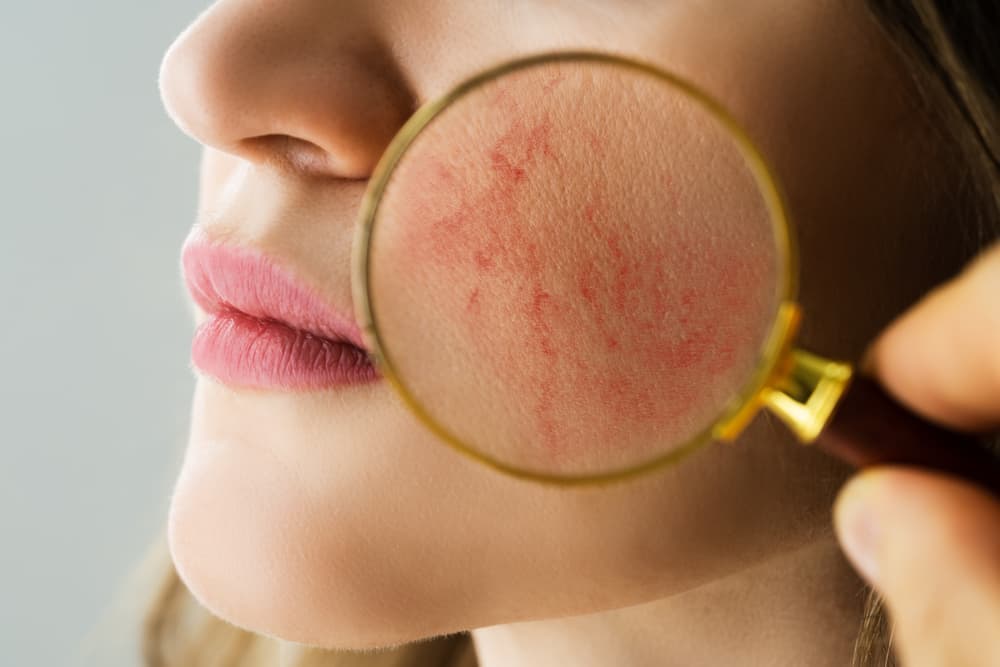
Highlights
- Dietary Adjustments: Incorporate anti-inflammatory and omega-3-rich foods while avoiding common allergens.
- Holistic Lifestyle Changes: Embrace stress management, proper hydration, and environmental modifications.
- Additional Treatments: Utilize cold therapies, allergen testing, and targeted supplements alongside professional guidance.
Understanding Facial Inflammation in Atopic Skin
Atopic dermatitis is a chronic skin condition known for its itchy, red, and occasionally inflamed skin. When traditional creams fail to deliver lasting relief from facial inflammation, it becomes essential to explore a broader range of strategies that address both the internal and external contributors to your condition. Beyond topical treatments, dietary adjustments, lifestyle modifications, and alternative therapies can be instrumental in managing inflammation associated with atopic skin.
Dietary Adjustments and Nutritional Modifications
Research indicates that what you eat plays a significant role in modulating systemic inflammation. Dietary modifications are one of the most powerful and controllable factors in managing skin inflammation, especially when associated with atopic dermatitis. By refining your diet, you can potentially reduce inflammatory responses and boost overall skin health.
Incorporating Anti-Inflammatory Foods
Anti-inflammatory foods possess nutrients that counteract the body’s inflammatory pathways. Consider incorporating the following elements into your diet:
- Omega-3 Fatty Acids: Found in fatty fish (such as salmon, mackerel, and sardines), walnuts, and flaxseeds, omega-3 fatty acids help reduce systemic inflammation. These fats are excellent at modulating inflammatory pathways and can be an essential part of your daily nutrient intake.
- Antioxidant-Rich Fruits and Vegetables: Leafy greens like spinach, kale, and collards, along with colorful vegetables such as bell peppers, carrots, and broccoli, are high in antioxidants that combat oxidative stress and reduce inflammatory markers. Berries, oranges, and other citrus fruits provide vitamin C, which can also play a role in skin repair and health.
- Whole Grains and Legumes: These foods supply fiber, which is known to aid in gut health – an important component given the connection between gut health and inflammatory skin conditions.
- Healthy Fats: Aside from omega-3 sources, incorporate high-quality oils like olive oil, coconut oil, or hempseed oil which are less likely to trigger inflammation.
- Probiotic Foods: Fermented foods like yogurt, kefir, sauerkraut, and kimchi may help balance the gut microbiome, a factor that some studies indicate could influence atopic dermatitis severity.
Supplements and Nutrients
Considering the potential benefits of dietary supplements might offer additional relief. Some supplements that have been associated with improved skin condition include:
- Vitamin D: Low levels of vitamin D have been linked to skin issues and may contribute to the severity of atopic dermatitis. Supplementing under your healthcare provider's guidance may lead to improvements.
- Vitamin C and Zinc: These are essential for the repair and maintenance of the skin barrier. Zinc also has antioxidative properties that assist in reducing inflammation.
- Omega-3 Supplements: If consuming sufficient omega-3-rich foods is challenging, supplements such as fish oil or algae-based omega-3 can be considered.
- Probiotics: Supplementing with a probiotic may help balance intestinal flora, which is a subject of ongoing research regarding its impact on inflammatory diseases.
Foods to Avoid
While emphasizing anti-inflammatory foods, it is equally important to eliminate or reduce the intake of foods known to exacerbate inflammation:
- Common Allergens: Dairy products, eggs, gluten-containing grains, soy, and certain nuts are frequent culprits for individuals with atopic dermatitis.
- Sugar and Processed Foods: High levels of sugar and processed foods can promote inflammatory responses and should be limited.
- Histamine-Rich Foods: Some individuals report worsening symptoms after consuming foods high in histamine. This can include items like fermented foods or certain cheeses.
Lifestyle and Environmental Modifications
Dietary changes, while crucial, are part of a more comprehensive approach that includes lifestyle adjustments aimed at reducing overall inflammation.
Hydration and Skincare
Maintaining proper hydration is vital for skin barrier function. Drinking ample water throughout the day aids in eliminating toxins and maintaining the health of your skin. External hydration using moisturizers – particularly those with ingredients like niacinamide, which has cooling and anti-inflammatory properties – can help reduce redness and soothe the skin.
Cooling Techniques
The application of cold therapy can be very effective in reducing facial redness and inflammation. Using a clean, cool compress on the affected area helps constrict blood vessels, which can alleviate excessive redness temporarily and reduce swelling. This method, when integrated into your skin-care routine, can provide significant immediate relief.
Stress Management and Environmental Considerations
Stress is known to exacerbate atopic dermatitis by triggering immune system responses that increase inflammation. Consider applying stress management techniques such as:
- Meditation and Mindfulness: Regular meditation practices can help reduce stress-induced flare-ups by calming the nervous system.
- Yoga and Gentle Exercise: These practices not only reduce stress but also improve circulation and overall well-being, aiding in the maintenance of healthy skin.
- Environmental Adjustments: Avoiding exposure to pollutants, harsh chemicals, and extreme temperatures is equally important. For example, switching to fragrance-free and hypoallergenic skincare products can prevent further irritation.
Advanced Treatment Considerations
When home remedies and dietary modifications do not sufficiently ameliorate the symptoms, further interventions might be necessary. Some advanced treatment options include:
Allergy Testing and Elimination Diets
In some cases, it can be extremely helpful to undergo allergy testing to identify specific triggers that worsen your atopic dermatitis. An elimination diet, conducted under medical supervision, can systematically help identify and subsequently avoid the food items that trigger your inflammatory response.
Consulting a Dermatologist
It is vital to work closely with a dermatologist or healthcare provider to tailor a treatment strategy that suits your particular case. Dermatologists can prescribe medications that modify the immune response, such as topical corticosteroids or non-steroidal alternatives. In severe cases, systemic immunosuppressants and newer biologic therapies targeting specific immune pathways may be indicated.
Innovative Therapies
Beyond well-established medical treatments, additional interventions might help further manage your red and inflamed skin. These include:
- Phototherapy: Controlled exposure to ultraviolet light therapy, administered under medical guidance, can reduce inflammation and improve skin barrier function.
- Probiotic Supplementation: As emerging research continues to unravel the impact of gut microbiome health on skin conditions, targeted probiotic supplementation can form part of a more holistic treatment approach.
- Specialized Facials: Some clinics offer holistic facials specifically designed to reduce inflammation. These facials use cooling technologies and anti-inflammatory ingredients tailored for sensitive skin.
Comparative Table of Dietary and Lifestyle Interventions
| Category | Actions / Ingredients | Benefits |
|---|---|---|
| Anti-Inflammatory Foods | Leafy greens, colorful vegetables, berries, omega-3 rich fish, walnuts, flaxseeds | Reduce systemic inflammation, bolster antioxidant levels |
| Supplements | Vitamin D, Vitamin C, Zinc, Probiotics, Omega-3 supplements | Support immune function, improve skin barrier integrity, modulate inflammatory responses |
| Hydration | Water, moisturizers with niacinamide | Enhance skin barrier function, reduce dryness & irritation |
| Cooling Therapy | Cold compresses, cool showers | Constrict blood vessels, alleviate redness and swelling |
| Lifestyle Modifications | Meditation, yoga, stress management techniques | Reduce stress-triggered inflammation, promote overall wellness |
| Advanced Therapies | Elimination diets, allergy testing, phototherapy | Identify specific triggers, provide targeted treatment, improve long-term outcomes |
Integrating a Comprehensive Approach
Successfully managing facial inflammation in atopic dermatitis typically requires a multidimensional approach that focuses on both internal and external factors. While your experience with creams has not delivered the desired long-term relief, integrating dietary and lifestyle changes can complement your treatment and work synergistically with medical advice to reduce overall inflammation and improve your skin’s resilience.
Steps to Develop Your Personal Management Plan
1. Consult a Healthcare Professional: Before embarking on any dietary or lifestyle changes, it is critical to have a detailed consultation with a dermatologist or a qualified healthcare provider. They can help establish the underlying triggers of your skin inflammation, whether dietary or environmental, and suggest tailored interventions.
2. Initiate an Elimination Diet: If food triggers are suspected, consider a supervised elimination diet that systematically removes common allergens (such as dairy, eggs, gluten, and soy) for a short period. Following this avoidance phase, you can gradually reintroduce foods one at a time to identify specific triggers for your flare-ups.
3. Revise Your Diet with Emphasis on Anti-Inflammatory Foods: Incorporate more omega-3-rich foods, antioxidants, and whole grains into your meals. Use the comparative table above as a guide to selecting ingredients that benefit your skin.
4. Hydrate and Practice Cooling Techniques: Increase your water intake and consider using a cool compress on inflamed areas multiple times a day. Short, cool showers can also help manage inflammation effectively.
5. Optimize Your Skincare Routine: Since creams have not produced significant improvements, review your existing skincare products. Opt for fragrance-free, hypoallergenic moisturizers and cleansers, and be mindful of environmental irritants such as pollutants or sudden temperature changes.
6. Manage Stress Through Mindfulness: Integrating practices such as meditation, yoga, or even simple deep breathing exercises may reduce the intensity of flare-ups. Stress management not only calms the nervous system but may also help control systemic inflammatory responses.
Customizing Your Strategy Over Time
It is important to understand that managing atopic dermatitis is an ongoing process, and what works best may change over time. Continual assessment of your diet and lifestyle will help you adjust strategies as needed. For instance, if you notice improvements in skin inflammation after eliminating certain foods, maintain those changes. Conversely, if improvements plateau, revisit your dietary plan or consult with your healthcare provider about additional nutritional supplements or advanced therapies.
Monitoring your skin’s response and keeping a detailed diary of food intake, external exposures, and flare-up patterns can provide valuable insights. This record can be shared with your dermatologist during follow-up consultations and may assist in fine-tuning your personal management plan.
Conclusion
In summary, while facial redness and inflammation in atopic dermatitis can be distressing, an integrated approach that combines dietary adjustments, lifestyle modifications, and advanced treatments offers promising avenues for relief. From incorporating anti-inflammatory foods and omega-3 rich meals to practicing stress reduction and deploying cold therapy, these strategies address the problem from multiple angles. Given that every individual’s skin reacts uniquely, professional guidance is essential to tailor these practices to your specific needs.
As you proceed in optimizing your management plan, remember that patience and consistency are key. Experiment with eliminating potential food triggers while simultaneously reinforcing your diet with nutrient-dense, anti-inflammatory ingredients. Moreover, by adopting a comprehensive approach that covers both internal and external factors, you are more likely to achieve sustained improvement in skin health and reduce the visible signs of inflammation. Stay proactive, keep track of changes, and maintain open communication with your healthcare provider to implement a strategy that is both effective and personalized.
References
- Foods That Reduce Eczema Flare Ups - Schweiger Derm
- Eczema Diet - Cleveland Clinic
- Eczema Diet - Healthline
- Diet & Nutrition for Eczema - National Eczema Association
-
Dietary Patterns and Atopic Dermatitis - PubMed Central
- Anti-Inflammatory Diet Finds Eczema Triggers - UCLA Health
Recommended
Last updated February 26, 2025