
Family Planning: Comprehensive Materials and Insights
Essential Guide to Family Planning Services, Methods and Global Impact
Highlights
- Wide Range of Contraceptive Methods: Family planning includes modern methods, hormonal options, long-acting reversible contraception (LARC), and natural family planning techniques.
- Global Health Benefits: Effective family planning reduces maternal and child mortality, improves economic opportunities for women, and supports sustainable population growth.
- Access and Community Engagement: Successful programs combine accessible services, trained healthcare providers, and culturally sensitive community initiatives.
Introduction
Family planning is a critical public health service that empowers individuals and couples to determine if and when to have children. It encompasses a variety of methods and services designed to aid in the planning, spacing, and prevention of pregnancies according to personal and societal needs. The multifaceted nature of family planning connects closely with maternal and child health, education initiatives, economic development, and sustainable population management across the globe.
Understanding Family Planning
Definition and Importance
At its core, family planning is a process that enables individuals and couples to decide the number of children they want and the intervals between births. This is achieved through a combination of services and resources including counseling, education, and a diverse selection of contraceptive methods. Family planning is not only about preventing or spacing pregnancies but also includes services addressing infertility and reproductive health management. By reducing unintended pregnancies, family planning contributes directly to improved maternal health by lowering the risks associated with pregnancy-related complications and maternal mortality.
Key Objectives of Family Planning
- Empowerment and Autonomy: It enables individuals to control their reproductive lives, making decisions that suit their economic, social, and health aspirations.
- Maternal and Child Health: By managing the number and spacing of births, family planning reduces risks associated with high-risk pregnancies and enhances child survival rates.
- Economic Development: Family planning contributes to economic progress, as healthier families are better able to invest in education, work, and overall quality of life.
- Sustainable Population Dynamics: It plays a role in balancing population growth and ensuring that resources are effectively allocated to developmental needs.
Contraceptive Methods and Services
Modern Contraceptive Methods
One of the foundational elements of family planning is the availability and diversity of modern contraceptive methods. Advances in pharmaceutical and medical technologies have led to a wide range of options that cater to different needs and preferences. Each method has its own benefits, levels of effectiveness, and potential side effects, making it crucial for individuals to have access to accurate information when making choices.
Hormonal Methods
Hormonal contraceptives work by using synthetic hormones to regulate or halt ovulation, thereby decreasing the likelihood of fertilization. These methods include:
- Oral contraceptive pills
- Injectables
- Patches
- Vaginal rings
Hormonal methods are popular due to their high efficacy and convenience. They require adherence to a regular schedule, and healthcare providers can assist users in selecting the most suitable option based on their medical history.
Intrauterine Devices (IUDs) and Implants
Long-acting reversible contraception (LARC) includes devices like IUDs and implants, which offer extended protection—from three to ten years—while being easily reversible. IUDs, which can be hormonal or non-hormonal (copper-based), are inserted directly into the uterus, making them one of the most effective forms of contraception available. Implants, similarly, are inserted under the skin and release hormones over time to prevent pregnancy.
Barrier Methods
Barrier methods prevent the meeting of sperm and egg by physically blocking the passage. Common barrier methods include:
- Male condoms
- Female condoms
- Diaphragms
- Cervical caps
While barrier methods are less effective than some hormonal or LARC methods when not used consistently, they have the additional benefit of reducing the risk of sexually transmitted infections (STIs).
Natural Family Planning Methods
Natural, or fertility awareness methods, involves tracking fertility signs such as menstrual cycles, cervical mucus, and basal body temperature. Techniques include the rhythm method and symptothermal method, which require careful monitoring and disciplined record-keeping. While these methods avoid the use of hormones or devices, they require a significant amount of education and commitment to be effective.
Permanent Methods
For those who have decided not to have any more children, permanent contraception options are available through surgical procedures. These include:
- Vasectomy for men
- Tubal ligation for women
Permanent methods are considered highly effective and are chosen when family building is complete. They require careful counseling and informed decision-making.
Accessibility of Family Planning Services
The success of family planning initiatives largely depends on the accessibility and availability of services. In many parts of the world, government-funded initiatives, community health programs, and non-profit organizations work together to make contraceptive methods and family planning counseling accessible to diverse populations. Services are often provided at clinics, through mobile health units, and via community-based health workers.
Specialized clinics such as those offering Title X services provide free or low-cost reproductive health care, including contraception and sexually transmitted infection testing. Efforts to expand family planning services have led to the training of healthcare providers, ensuring that individuals receive accurate information and support to choose the best method for their needs.
Global Impact and Trends in Family Planning
Statistical Overview and Global Trends
Family planning plays an essential role on a global scale. It is estimated that nearly 1.9 billion women of reproductive age live worldwide, with a significant portion requiring access to reliable family planning resources. Approximately 1.1 billion women express a need for family planning, with modern contraceptive methods being utilized by hundreds of millions.
Despite the extensive use of modern contraception, there remains a significant number of women with unmet needs. Globally, around 164 million women are estimated to lack access to reliable contraceptive services, contributing to unintended pregnancies. In various regions, particularly in underserved and rural areas, disparities in service accessibility contribute to notable public health challenges.
Benefits to Maternal and Child Health
Family planning not only facilitates personal and familial goals but also results in tangible public health benefits. Effective family planning reduces the burden of unintended pregnancies, which in turn decreases the likelihood of high-risk pregnancies. This reduction translates to lower maternal mortality and morbidity rates. When pregnancies are spaced out, the health of both mothers and infants improves, significantly lowering infant mortality rates.
Additionally, family planning services contribute to enhanced child survival since well-spaced births enable parents to provide better health and nutritional care for each child. This positively affects long-term developmental outcomes, creating a healthier future generation.
Economic and Social Empowerment
One of the most compelling arguments for robust family planning programs is the role they play in advancing socio-economic development. When individuals have the ability to plan their families, women often pursue higher education and enhanced career opportunities. Economic empowerment is closely linked with healthier families, and communities that invest in family planning tend to experience improved standards of living.
Family planning also contributes to broader social development. By enabling women to control the timing of pregnancy, the services promote gender equality and allow families to plan for better economic futures. This empowerment is essential for both individual well-being and national growth.
Strategies and Community Initiatives
Community-Based Programs
Numerous community-based initiatives have demonstrated significant success in promoting family planning, particularly in underserved regions. These programs often rely on local volunteers, community health workers, and peer educators to spread awareness and provide services. Community engagement is crucial when addressing cultural barriers and misconceptions about family planning.
For example, initiatives in various regions use well-trained community leaders to promote maternal health and educate both women and men about the benefits of family planning. Culturally sensitive campaigns often involve multimedia outreach, local advocacy meetings, and training programs that target specific communities. This approach not only improves the availability of information but also builds trust between communities and healthcare providers.
Integration with Broader Health Services
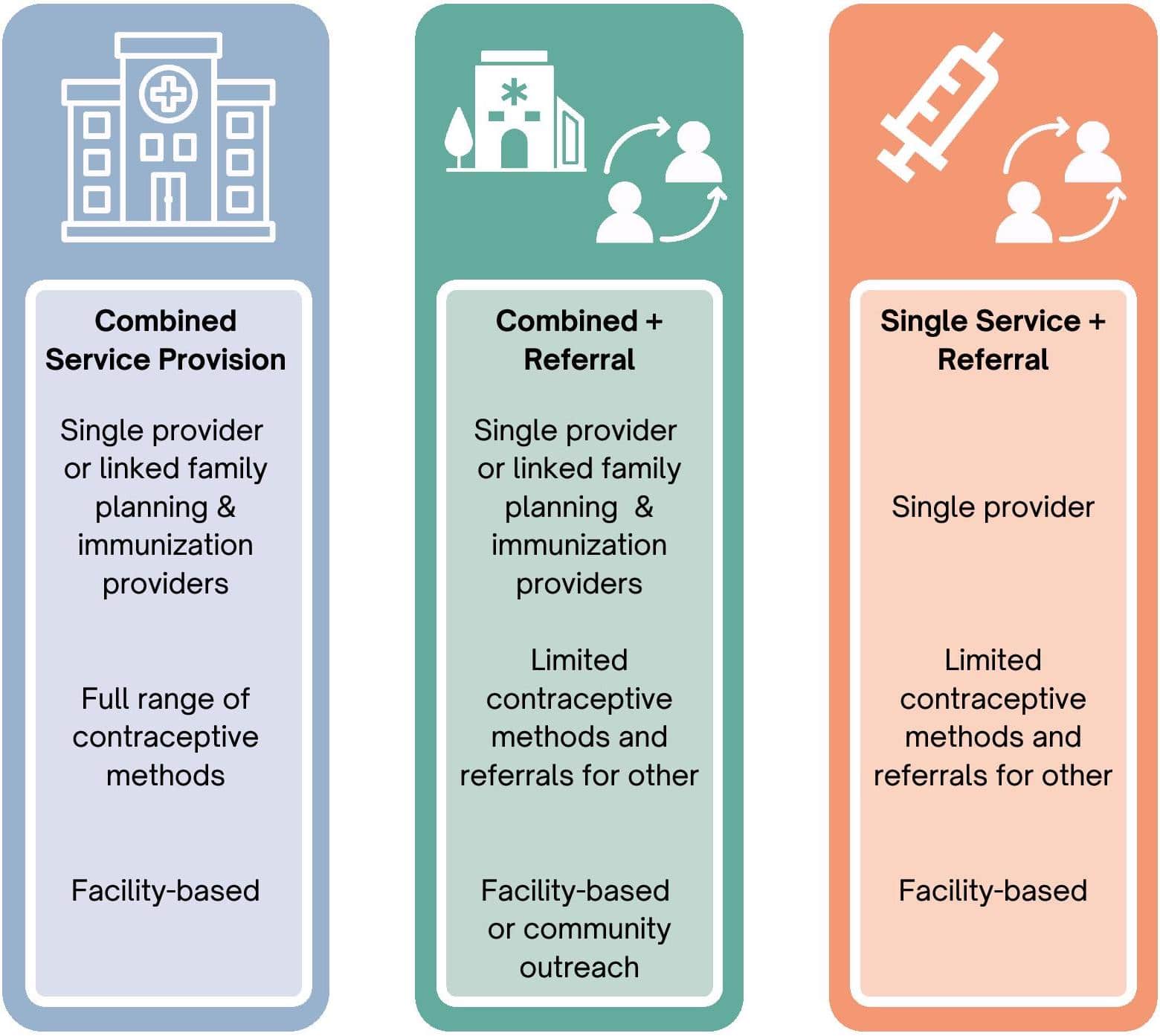
Family planning is most effective when integrated into comprehensive healthcare services. Many public health systems have incorporated family planning into maternal and child health programs. This integrated approach enables the delivery of other essential services such as prenatal care, immunizations, and nutritional guidance.
The integration ensures that when people visit healthcare facilities for various reasons, they have the opportunity to receive counselling on reproductive health and an evaluation of available contraceptive options. The holistic nature of these services is pivotal to building a resilient public health framework.
Detailed Comparison of Family Planning Methods
Overview Table of Contraceptive Methods
| Method Category | Description | Advantages | Considerations |
|---|---|---|---|
| Hormonal Methods | Pills, patches, injectables, rings | High effectiveness; convenient | Requires regular adherence; possible side effects |
| LARC (IUDs & Implants) | Intrauterine devices and subdermal implants | Long-term protection; minimal maintenance | Requires medical insertion; not suitable for everyone |
| Barrier Methods | Condoms, diaphragms, cervical caps | STI protection (condoms); over-the-counter availability | Lower effectiveness if not used correctly; requires consistency |
| Natural Methods | Fertility awareness, rhythm method | No hormonal side effects; cost-effective | Requires frequent monitoring; lower reliability |
| Permanent Methods | Vasectomy, tubal ligation | Highly effective; one-time procedure | Irreversible; requires thorough counseling |
Access and Training Initiatives in Family Planning
Provider Training and Educational Resources
Quality family planning services require that healthcare providers have access to comprehensive training and up-to-date resources. Educational initiatives ensure that providers are current with the latest techniques, counseling strategies, and treatment protocols. Training centers offer on-demand training resources, technical assistance, and comprehensive educational materials that span topics from contraceptive technologies to patient-centered communication.
Such capacity-building efforts are critical in ensuring that community health workers, midwives, and doctors around the world can provide the most effective and personalized family planning solutions. Continuous professional development contributes not only to better patient outcomes but also fortifies public health infrastructure.
Governmental and Non-Governmental Collaborations
To maximize the reach and effectiveness of family planning efforts, collaborations exist between governments, international organizations, and non-governmental organizations. These partnerships enhance resource allocation, logistical support, and advocacy campaigning to promote family planning. Many governments provide funding for family planning services in public clinics and support initiatives that provide free or subsidized contraceptives, ensuring that low-income populations have access to necessary services.
Further, non-governmental organizations are active in community outreach and education programs. These collaborations help tackle cultural and societal barriers, raise awareness, and involve community leaders in promoting reproductive health as an essential facet of overall well-being.
Challenges and Future Directions
Challenges in Family Planning
Despite the advances in family planning, significant challenges remain, particularly in underserved regions. Some of the major barriers include:
- Unmet Needs: A substantial number of women around the globe are unable to access the contraceptive methods they need, leading to unintended pregnancies and health complications.
- Service Accessibility: Rural and economically disadvantaged populations often have limited access to family planning clinics and trained healthcare providers.
- Cultural and Social Barriers: Misconceptions, traditional beliefs, and gender norms may hinder the adoption of modern contraceptive methods and discourage open discussions about reproductive health.
Future Directions and Opportunities
Ongoing efforts to improve family planning services focus on addressing these challenges through innovative programs, research, and global partnerships. Key future directions include:
- Technological Advancements: Integration of digital health tools, mobile applications, and telemedicine to provide better access to family planning information and services.
- Policy and Advocacy: Strengthening policies that promote reproductive rights, provide funding for family planning services, and eliminate socio-cultural barriers to access.
- Community Engagement: Expanding community-based initiatives to ensure culturally sensitive communication and education about family planning practices.
- Research and Innovation: Supporting ongoing research into new contraceptive methods that are more effective, accessible, and acceptable across different cultural contexts.
Conclusion
In conclusion, family planning is a multifaceted approach to reproductive health that empowers individuals and families worldwide. It encompasses a wide range of contraceptive options—from hormonal methods and long-acting reversible contraception to barrier methods and natural planning techniques—each with distinct advantages and considerations. The availability of these methods, coupled with trained healthcare providers and public health initiatives, has a profound impact on reducing maternal and infant mortality, supporting women's education, and fostering economic development.
Global trends show that while there has been significant progress in increasing the use of modern contraceptives, unmet needs persist, particularly in rural and underserved communities. Overcoming these challenges requires a collaborative approach that blends community-based programs, robust training for healthcare providers, and comprehensive policy support. Economic empowerment, gender equality, and sustainable population growth are all inextricably linked to effective family planning.
Moving forward, innovative technologies, improved accessibility, and culturally sensitive education will further solidify family planning as an essential public health service. Ensuring that every individual has access to reliable, effective, and personalized reproductive health services is crucial for the continued advancement of global health and social well-being.
References
- Reproductive Health National Training Center - RHNTC
- Office of Population Affairs - OPA
- World Health Organization - WHO Family Planning
- Healthy People 2030 - Family Planning Resources
- Healthy Texas Women - Family Planning Program
- USAID - Global Family Planning
Recommended Further Exploration
Last updated February 23, 2025