
Family Planning Methods and Their Effectiveness
Explore various contraceptive options and understand how well they prevent pregnancies
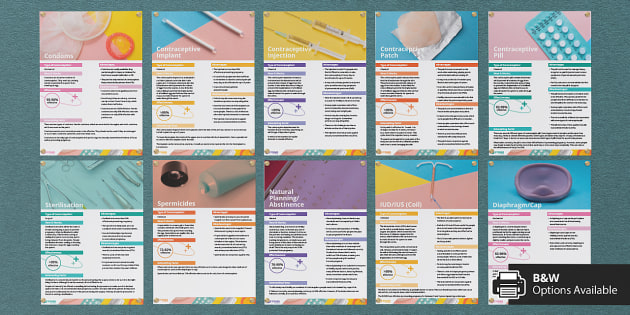
Key Highlights
- Method Categories: Methods range from very effective solutions like IUDs and implants to moderately and less effective ones such as barrier methods and natural family planning.
- User Dependency: The effectiveness of many family planning methods depends greatly on consistent and correct usage.
- Modern vs. Natural: While modern contraceptive methods offer reliable results, natural methods are preferred by some due to personal or religious considerations.
Overview of Family Planning Methods
Family planning empowers individuals and couples to make informed decisions about their reproductive health. With a range of options available – from hormonal contraceptives to long-acting reversible contraceptives (LARCs) and natural family planning – the objective is to provide people with the tools needed to control their fertility. In this comprehensive guide, we will explore the various methods, categorizing them based on effectiveness and suitability. We will also highlight user considerations, the role of consistency in use, and modern trends influenced by technology.
Categories of Family Planning Methods
Family planning methods can be classified into several major groups. These categories serve as a framework for understanding the general effectiveness of each method. Details for each category include the degree of dependency on correct and consistent usage, typical use versus perfect use outcomes, and additional benefits or limitations associated with each method.
Modern Contraceptive Methods
Modern methods include hormonal contraceptives and long-acting reversible contraceptives (LARCs), which are widely used for their high reliability when used correctly. Their success largely hinges on adherence to prescribed guidelines and proper administration.
Hormonal Methods
Hormonal methods operate by releasing hormones that regulate or inhibit ovulation. Common options include birth control pills, patches, vaginal rings, and injectables. With perfect use, some hormonal methods can be nearly 99% effective. However, under typical conditions, their effectiveness may dip slightly due to missed doses or inconsistent application.
Long-Acting Reversible Contraceptives (LARCs)
LARCs such as intrauterine devices (IUDs) and implants offer the highest efficiency, with failure rates of less than 1% per year. These devices are not reliant on daily user attention, making them particularly advantageous for long-term contraceptive needs.
Barrier Methods
Barrier methods include male and female condoms, diaphragms, and spermicides. They work by physically preventing sperm from reaching the egg. While these methods are easier to use on an as-needed basis, their effectiveness can be significantly lower than that of modern hormonal methods, with typical failure rates around 13% for male condoms and around 21% for some alternatives.
Natural Family Planning and Fertility Awareness
Natural family planning (NFP) methods rely on tracking menstruation cycles, basal body temperature, and cervical mucus to determine fertile windows. With perfect use, some fertility awareness methods can be between 91% and 99% effective. However, typical use may experience more variability owing to irregular cycles or inconsistent tracking practices.
Permanent Methods
Permanent contraception procedures, such as tubal ligation in women and vasectomies in men, are designed to offer long-term solutions by effectively ending fertility. These procedures have failure rates close to zero and are chosen by those who are certain they do not desire future pregnancies.
Detailed Effectiveness of Family Planning Methods
To assist individuals and couples in making informed decisions, it is crucial to understand both the typical and perfect use effectiveness rates of each method. The following table provides a comprehensive overview of the various methods, their general effectiveness margins, and pertinent details regarding their use:
| Method Category | Method | Effectiveness (Perfect Use) | Effectiveness (Typical Use) | Key Considerations |
|---|---|---|---|---|
| Modern Contraceptives | Intrauterine Devices (IUDs) | 99%+ | 99%+ | Long-term, low maintenance, some require periodic checkups |
| Implants | 99%+ | 99%+ | Inserted into the arm, few side effects, not user-dependent | |
| Hormonal Contraceptives (Pills, Patch, Ring) | 91%-99% | 91%-99% | Requires daily/weekly use, room for human error | |
| Barrier Methods | Male Condoms | 98%-99% | 85%-87% | Also protect against STIs; effectiveness decreases with inconsistent use |
| Diaphragms & Spermicides | 88%-94% | 70%-88% | Requires correct placement and use with spermicide | |
| Natural Methods | Fertility Awareness-Based Methods | 91%-99% | 76%-99% (varies widely with consistency) | Highly user-dependent; requires careful tracking of menstruation |
| Withdrawal Method | 96% (ideal) | 78% | Very reliant on perfect timing and self-control | |
| Lactational Amenorrhea Method (LAM) | >98% | Less than 2% failure when properly executed | Only effective during the first six months postpartum | |
| Permanent Methods | Sterilization (Tubal Ligation/Vasectomy) | 99%+ | 99%+ | Permanent solution; irreversible |
Considerations for Choosing a Family Planning Method
When selecting a family planning method, several factors should influence the decision-making process. It is essential not only to consider the statistical effectiveness but also to assess personal preferences, lifestyle, health conditions, and long-term reproductive goals. Below are some considerations to guide the decision:
Consistency and Correct Use
The effectiveness ratings of most methods are highly contingent upon consistent and correct use. Hormonal methods, for example, require regular adherence to dosing schedules. Inconsistencies such as missed pills or improper application of a patch can reduce their effectiveness. In contrast, methods like IUDs or implants bypass the need for daily attention, thereby minimizing human errors.
Health and Risk Factors
Individual health profiles can significantly impact the suitability of a method. For instance, hormonal contraceptives might not be recommended for individuals with a history of blood clots or certain cancers. Barrier methods, while effective in preventing sexually transmitted infections (STIs), might not offer the stringent pregnancy prevention desired by some users. Hence, a consultation with healthcare professionals is crucial to evaluate personal risks and benefits.
Lifestyle and Convenience
Lifestyle choices play a fundamental role in the selection process. Busy individuals might find long-acting methods more suitable due to their “set it and forget it” nature, whereas those seeking greater flexibility might prefer short-term methods such as condoms or fertility awareness approaches. In addition, personal preferences regarding invasiveness, side effects, and reversibility are all worth considering.
Cultural and Personal Preferences
Some individuals or couples choose methods based not only on health or lifestyle but also on personal beliefs. For example, natural family planning methods are often chosen for religious or natural living preferences, despite requiring significant diligence and record tracking. Advances in technology, like the incorporation of fertility tracking apps, have enhanced the reliability and ease of use for natural methods, aiding in improved accuracy.
Innovations and Trends in Family Planning
The realm of family planning continues to evolve with ongoing technological innovations and shifting societal perspectives. One of the key trends in this field is the use of digital tools to enhance natural family planning methods. Mobile apps and digital devices have transformed how individuals track fertility signs, making these methods more accessible and reliable.
Digital Tracking and Fertility Apps
In recent years, digital tracking platforms have gained popularity among users opting for natural family planning. Such apps monitor behavioral and physiological patterns like basal body temperature, menstrual regularity, and cervical mucus, and even integrate with wearable technology for enhanced data accuracy. Many of these apps have received regulatory oversight and clearance, contributing to their improved precision in predicting ovulation and fertile windows.
Integration of Medical Guidance
Modern family planning is increasingly supported by expert healthcare advice. Clinics, online platforms, and mobile health tools offer guidance on selecting and using contraceptive methods. This integration of digital resources with healthcare advice enables users to match their health profiles and lifestyles with the most suitable family planning method.
Global Trends and Statistical Insights
Family planning is not only a personal choice but also a significant public health issue worldwide. Studies indicate that, among approximately 1.9 billion women in reproductive age globally, many strive to manage their fertility effectively. Despite high global uptake of modern methods, challenges persist. For example, uneven access to family planning resources and persistent socioeconomic inequalities mean that millions of women still have an unmet need for contraception.
Certain regions benefit from higher public health investments and better access to contraceptive devices, while in other parts of the world, factors such as lack of education, cultural barriers, or limited healthcare resources impact usage rates. Worldwide efforts continue to address these disparities and empower communities by disseminating information, promoting digital health interventions, and ensuring equitable access to modern contraceptive methods.
User Case Studies and Personalized Planning
Real-world examples illustrate the effective use of family planning. Consider the case of individuals who opt for IUDs or implants for their long-term reliability, negating the need for daily interventions. In contrast, couples who require short-term or reversible methods find advantages in using hormonal contraceptives or barrier techniques, depending on their current lifestyle and future childbearing plans.
Personalizing family planning also involves assessing past experiences with specific methods. For instance, if a couple faces challenges with maintaining consistency using hormonal methods, they might find alternative solutions such as digital natural family planning more appealing. Access to professional guidance, understanding potential side effects, and trialing different methods often pave the way to finding the most fitting option.
Additional Tools and Support Systems
Along with a wide range of available methods, individuals and couples can take advantage of several supplemental tools designed to support effective family planning. These include:
- Educational Resources: Workshops, online tutorials, and counseling sessions that provide detailed information about various methods.
- Technology-Assisted Tracking: Mobile applications that monitor fertility signs, reminding users of critical dates.
- Healthcare Consultations: Professional guidance to evaluate health status, personalized risks, and the most appropriate family planning alternatives.
Utilizing these supportive measures can greatly enhance the successful adoption and effectiveness of any chosen method. It is always advisable to consult with healthcare experts when evaluating options and determining the most suitable method for one’s personal circumstances.
Resources and Recommended Information Platforms
For individuals seeking additional information, a variety of reputable sources and expert guidelines are readily available online. These include health organization sites, government portals, and research institutions that regularly publish findings on family planning methods and their effectiveness.
References
- Family Planning - WHO
- Birth Control Effectiveness - NHS
- Contraception - CDC
-
Birth Control Options - Cleveland Clinic
- Family Planning Methods - AAFP
Recommended Queries for Deeper Insights
Last updated March 9, 2025