
Choosing Your Battlefield: Which Tech Level Ignites a New Fantasy Wargame?
Explore the appeal of Medieval, Pike & Shot, and Napoleonic eras for your fantasy miniature wargame.
Selecting the right technological backdrop for a new fantasy miniature wargame is a crucial design decision. It shapes everything from unit types and tactics to the overall atmosphere and player experience. Should you embrace the classic swords and sorcery of the Medieval era, delve into the transitional gunpowder age of Pike & Shot, or march into the disciplined lines of the Napoleonic period? Let's explore the unique appeal and challenges of each.
Highlights: Key Considerations
- Familiarity vs. Novelty: Standard Medieval offers immediate recognition for fantasy fans, while Pike & Shot and Napoleonic provide opportunities for more unique settings and gameplay.
- Tactical Depth & Style: Each era presents distinct tactical challenges, from medieval melee and archery to Pike & Shot's combined arms, and Napoleonic formations and firepower.
- Fantasy Integration: Consider how easily classic fantasy elements (magic, mythical creatures) mesh with the chosen technology level and historical context.
The Classic Choice: Standard Medieval Fantasy
Swords, Sorcery, and Familiar Ground
The Medieval period is the quintessential setting for fantasy. Think knights in shining armor, towering castles, archers loosing volleys, and stalwart infantry clashing shield-to-shield. This era is deeply ingrained in the DNA of fantasy literature, RPGs, and, consequently, wargaming.
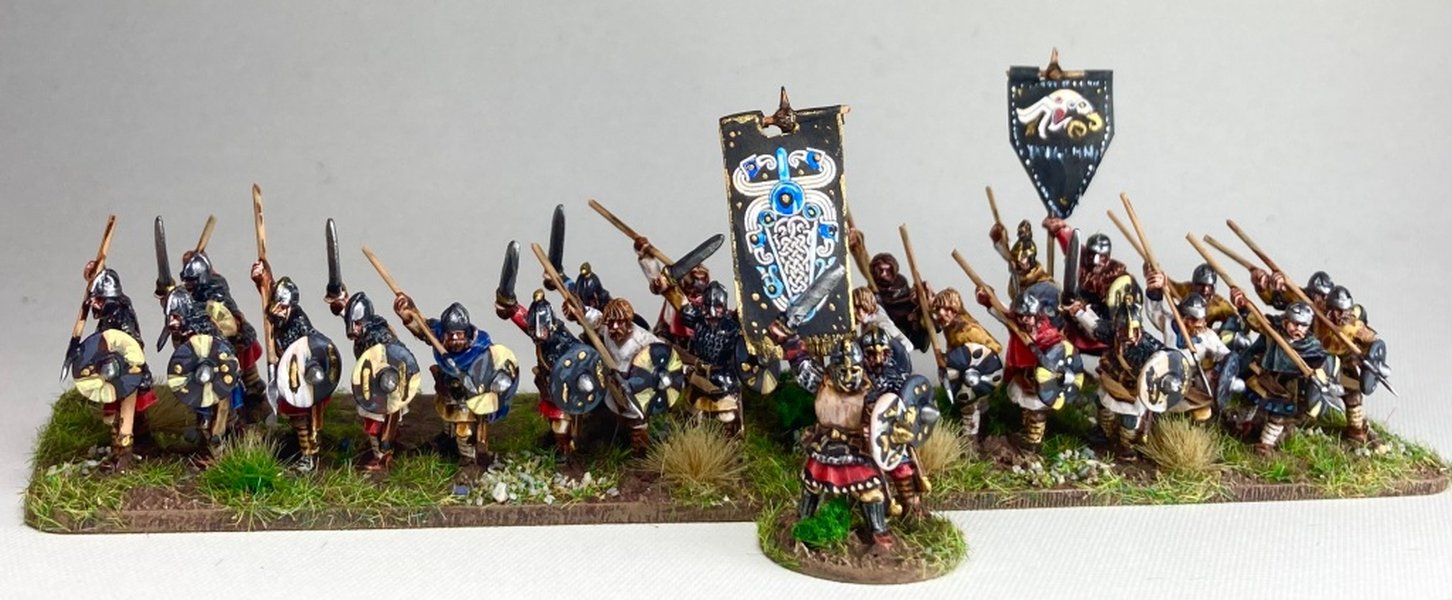
Medieval miniatures offer a familiar aesthetic for fantasy wargaming.
Strengths: Familiarity, Easy Integration, Broad Appeal
Integrating fantasy elements feels natural in a medieval setting. Magic users, dragons, elves, dwarves, orcs, and undead fit seamlessly alongside historical unit types like knights, spearmen, and archers. The relative simplicity of medieval technology (compared to later eras) allows game rules to focus more heavily on magical abilities, monstrous creatures, and heroic characters. This familiarity lowers the barrier to entry for players accustomed to classic fantasy tropes, potentially attracting a wider audience. Miniature availability for generic medieval soldiers is vast, although specific fantasy creatures might require dedicated sculpts.
Challenges: Risk of Genericness
The primary challenge of a medieval setting is its prevalence. So many fantasy games utilize this backdrop that a new entry risks feeling derivative or generic if it doesn't introduce significant innovation in mechanics, lore, or aesthetics. Standing out requires a strong unique selling proposition beyond just the setting itself.
Bridging Eras: The Pike & Shot Fantasy Frontier
Where Steel Meets Gunpowder and Magic
The Pike & Shot era (roughly late 15th to late 17th centuries) represents a fascinating military transition. It's a time when gunpowder weapons like the arquebus and musket began sharing the battlefield with traditional blocks of pikemen, armored cavalry, and swordsmen. This blend of old and new technologies creates a unique tactical environment.
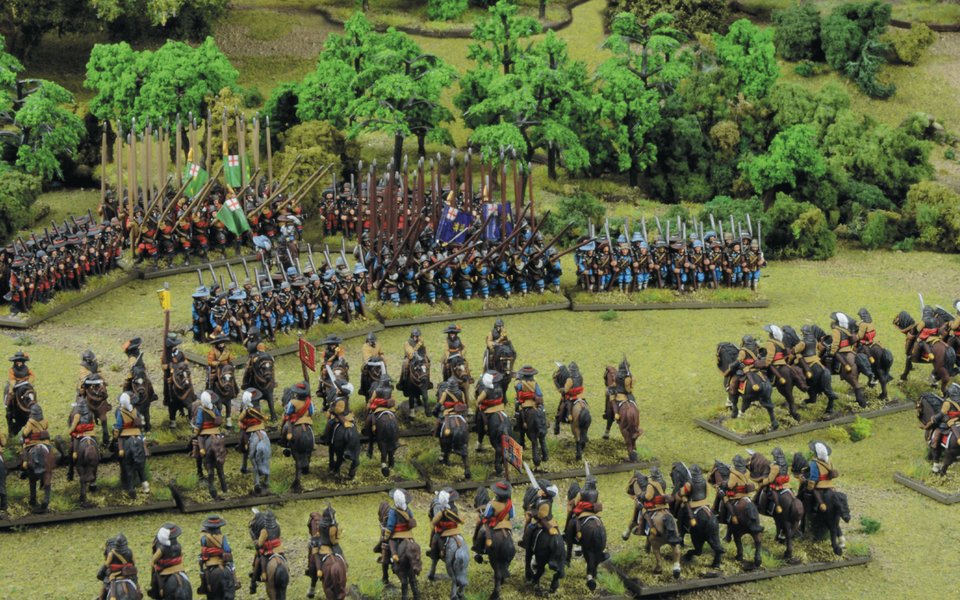
The Pike & Shot era offers a visually distinct blend of pikes, muskets, and elaborate uniforms.
Strengths: Novelty, Unique Tactics, Aesthetic Blend
This era is significantly less explored in fantasy wargaming than the medieval period, offering fertile ground for innovation. Integrating fantasy elements presents intriguing possibilities: imagine dwarven engineers refining early firearms, elven mages enchanting pike formations, or monstrous creatures breaking through Tercio squares. The tactical gameplay inherently involves combined arms – protecting vulnerable musketeers with steadfast pikemen, using cavalry to exploit gaps, and positioning early artillery. This provides a rich and distinct tactical puzzle. Aesthetically, the Renaissance and Early Modern periods offer different styles of armor, clothing, and architecture compared to the typical medieval look.
Challenges: Balancing Rules, Niche Appeal?
Designing rules that effectively balance melee, pikes, early firearms, and fantasy elements requires careful consideration. The inherent complexities of combined arms tactics might present a steeper learning curve for some players compared to purely medieval combat. While its novelty is a strength, it might also mean the setting is less immediately recognizable or appealing to players strictly looking for classic high fantasy.
Order & Gunpowder: The Napoleonic Fantasy Gambit
Massed Ranks, Thundering Cannons, and Arcane Arts
The Napoleonic era (early 19th century) marks the zenith of black powder warfare before the advent of modern firearms. Battles were defined by disciplined mass infantry formations firing volleys of musket fire, powerful artillery batteries dominating the field, and large-scale cavalry charges used for shock and pursuit. This era is immensely popular in *historical* miniature wargaming.
Strengths: Historical Popularity, Tactical Depth, Cinematic Feel
The sheer popularity of Napoleonic historical wargaming suggests a large potential player base familiar with its core mechanics (formations, line of sight, command and control). The emphasis on disciplined troops, grand maneuvers, and the interplay of infantry, cavalry, and artillery offers significant tactical depth. The visual spectacle of ranked-up troops in colourful uniforms, flags flying, amidst clouds of gunpowder smoke, lends itself to a cinematic feel.
Challenges: Integrating Fantasy, Gunpowder Dominance
Integrating traditional fantasy elements convincingly into a world dominated by line infantry and cannons is the primary challenge. How does a dragon fare against a battery of 12-pounders? How does magic interact with volley fire? It often requires more creative worldbuilding – perhaps leaning into steampunk, arcane-industrial themes, or specific magical traditions adapted to the era (e.g., battle mages attached to regiments, enchanted ammunition). There's a risk that the dominance of firearms might overshadow traditional fantasy combat styles like melee, potentially alienating some fantasy players. The aesthetic, while striking, is also very distinct from typical fantasy art.
Comparative Analysis: Finding the Best Fit
Choosing the most appealing era depends heavily on the specific goals for your fantasy wargame. Are you aiming for broad familiarity, tactical innovation, or a highly distinct historical flavour? The table below summarizes key factors for each technological level:
| Factor | Standard Medieval | Pike & Shot | Napoleonic Era |
|---|---|---|---|
| Fantasy Integration (Classic Tropes) | Very Easy | Moderate (Requires some adaptation) | Difficult (Requires significant creativity/reimagining) |
| Tactical Focus | Melee, Archery, Simple Formations, Heroes/Monsters | Combined Arms (Pike, Musket, Melee), Formations, Early Artillery | Firepower, Formations (Line, Column, Square), Artillery Dominance, Cavalry Charges |
| Novelty Factor | Low (Very common setting) | High (Underexplored in fantasy) | Moderate (Distinct from medieval, but popular historically) |
| Potential Audience | Broad Fantasy Fans | Fantasy Fans Seeking Novelty, Historical Crossover | Historical Wargamers, Fantasy Fans Seeking Tactical Depth/Unique Setting |
| Aesthetic | Classic Fantasy (Armor, Castles) | Renaissance/Early Modern (Varied Armor, Pikes, Muskets) | Regimental Uniforms, Black Powder Smoke |
| Potential Challenge | Feeling Generic | Balancing Diverse Unit Types | Making Fantasy Elements Feel Integral |
Visualizing the Appeal Factors
To further illustrate the different appeals of each era when combined with fantasy elements, consider this radar chart. It subjectively rates each technological level across several key dimensions important for a new fantasy wargame. A higher score indicates a stronger presence of that factor.
This chart highlights the trade-offs: Medieval excels in classic fantasy feel and integration ease but lacks novelty. Napoleonic offers high tactical complexity and historical appeal but struggles with classic fantasy integration. Pike & Shot occupies a middle ground, scoring well on novelty and offering a blend of tactical complexity and moderate fantasy integration ease, making it a potentially compelling choice for innovation.
Conceptualizing the Eras: A Mindmap View
This mindmap provides a quick visual overview of the core characteristics associated with integrating fantasy into each technological level:
Tech Levels"] medieval["Medieval"] id1["Knights, Swords, Bows"] id2["Classic Fantasy Tropes"] id3["Easy Magic/Monster Integration"] id4["Familiar Setting"] id5["Challenge: Avoid Genericness"] pikeshot["Pike & Shot"] id6["Pikes + Early Firearms"] id7["Transitional Combined Arms Tactics"] id8["High Novelty Potential"] id9["Magic/Tech Hybrid Opportunities"] id10["Renaissance/Early Modern Aesthetic"] id11["Challenge: Rule Balancing"] napoleonic["Napoleonic"] id12["Massed Muskets, Artillery"] id13["Line Formations, Cavalry"] id14["High Tactical Depth (Gunpowder Focus)"] id15["Cinematic Battles"] id16["Challenge: Creative Fantasy Integration"] id17["Appeals to Historical Gamers"]
Video Insight: Exploring Fantasy Wargames
To get a feel for the current landscape of fantasy miniature wargames, which often draw inspiration from these historical periods (especially medieval), check out this discussion on popular games. Observing existing games can provide valuable insights into player preferences and successful design choices, regardless of the specific technological era you choose.
This video explores several popular fantasy wargames, showcasing different aesthetics and rule styles. While many lean towards medieval fantasy, observing their mechanics and presentation can spark ideas for how to approach your chosen technological level, whether it's refining classic concepts or forging a new path with Pike & Shot or Napoleonic fantasy.
Frequently Asked Questions (FAQ)
Which era is best for beginners to fantasy wargaming?
Generally, the Standard Medieval era is considered the most beginner-friendly. Its mechanics often focus on straightforward melee and ranged combat, aligning well with common fantasy tropes that many players are already familiar with. The relative simplicity allows new players to grasp core concepts before potentially moving onto the more complex combined arms tactics of Pike & Shot or the formation-heavy gameplay of the Napoleonic era.
How significantly does adding magic impact the choice of era?
Magic integration varies significantly. In a Medieval setting, magic often fits seamlessly as powerful but perhaps rare force alongside conventional arms. In Pike & Shot, magic could interact interestingly with nascent gunpowder technology (e.g., enchanting bullets, magical shields against shot, alchemical grenades). In the Napoleonic era, integrating magic requires more thought – does it function like alternative artillery? Does it affect troop morale and discipline? Does it augment technology? The more dominant the historical technology (like Napoleonic musketry and cannons), the more creative you may need to be to make magic feel impactful yet balanced.
Are miniatures readily available for all these eras with fantasy elements?
Medieval: Yes, countless manufacturers produce generic medieval human soldiers, and many companies specialize in fantasy races (elves, dwarves, orcs, etc.) suitable for this era.
Pike & Shot: Historical miniatures for this era are widely available. Fantasy elements would likely require specific sculpts or conversions, though some manufacturers might offer Renaissance-inspired fantasy figures.
Napoleonic: Huge range of historical Napoleonic miniatures exists. Integrating fantasy would almost certainly require dedicated miniature lines or significant conversion work, as off-the-shelf Napoleonic fantasy figures are rare compared to medieval fantasy.
Does the scale of the game (skirmish vs. large battle) influence the best choice?
Yes, potentially. Skirmish games (small number of individual models) can more easily accommodate unique fantasy elements regardless of era, focusing on individual abilities. Large battle games (units moving in blocks/formations) benefit from the distinct tactical doctrines of each era. Medieval block movement is simple; Pike & Shot requires managing mixed formations; Napoleonic thrives on precise large-scale formation maneuvers. Therefore, for large battles, the era's tactical identity becomes more central to the gameplay experience.
Which era offers the most unique visual aesthetic when combined with fantasy?
This is subjective, but both Pike & Shot and Napoleonic offer highly distinct aesthetics compared to traditional medieval fantasy. Pike & Shot allows for a blend of late plate armor, elaborate Renaissance clothing, early firearms, and dense pike blocks, which can look very striking when combined with fantasy races or magic. Napoleonic offers the spectacle of colourful, disciplined uniforms and massed ranks, which creates a very different look for fantasy armies (e.g., Orcs in shakos, Elven voltigeurs). Medieval, while classic, is the most common visual style for fantasy.
References
- Miniature wargaming - Wikipedia
- Pike and shot - Wikipedia
- Pike and Shotte: a solid game of a transitional period - Reddit
- Tabletop Wargaming: Best Miniature Wargames - Tangible Day
- Folio Series - Decision Games
- Why is the Napoleonic era so popular among wargamers? - Reddit
- How would Napoleonic armies incorporate or counter fantasy magic and wizards? - Quora
Recommended Reading
 deltavector.blogspot.com
 agoners.wordpress.com
 hereticalgaming.blogspot.com
 refereeingandreflection.wordpress.com
Last updated April 24, 2025