
Developing Compelling Wargame Factions
A deep dive into creating distinctive and immersive game factions
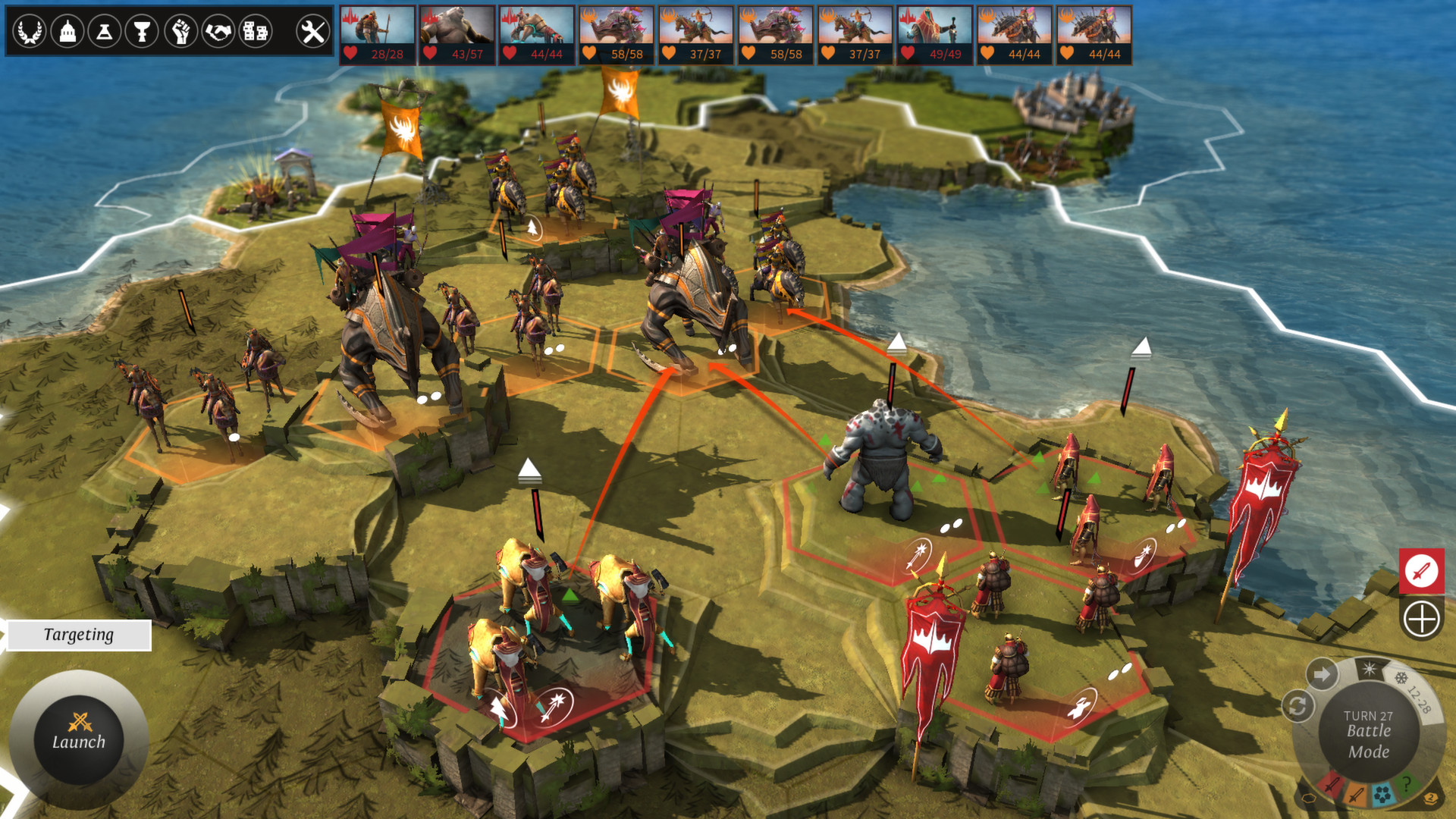
Highlights
- Rich Backstories: Deep lore and context that drive faction identity.
- Unique Mechanical and Visual Elements: Differentiated gameplay mechanics and distinctive art design.
- Dynamic Interactions and Balance: Evolving relationships and balanced power dynamics among factions.
Introduction
Wargame factions are not merely collections of units assembled for combat; they are living entities that contribute to an immersive strategic experience. Developing compelling factions involves intertwining narrative depth, visual aesthetics, balanced mechanics, and dynamic interactions. This multifaceted process requires clear goals, distinctive identities, and a backstory that resonates with players, ensuring that each faction provides a unique perspective that influences gameplay and storytelling.
Key Components of Compelling Wargame Factions
Rich Narratives and Backstories
A faction begins with its story. Crafting a compelling narrative involves developing a rich history, cultural elements, and defining a clear motive behind its existence. The backstory sets the stage for all subsequent design decisions:
The Importance of Lore
Every faction is more engaging when its origins, beliefs, and historical conflicts are clear. For instance, a faction rooted in medieval traditions might focus on heavy cavalry or siege warfare, while a futuristic faction might be driven by technology and rapid deployment.
Defining the Faction’s Purpose
Whether driven by conquest, survival, technological progress, or ideological dominance, the faction’s purpose should guide strategic decisions in gameplay. This purpose is reflected in the choices players make, encouraging them to adopt unique strategies that are true to the faction’s essence.
Distinct Visual and Aesthetic Identity
Visual design plays a critical role in communicating the faction’s identity. Players are drawn to factions that exhibit clear visual cues: color schemes, symbols, uniforms, and overall art style. These elements are not only essential for brand identity in the game but also serve functional purposes, such as ensuring clarity during gameplay.
Iconography and Color Schemes
Each faction should have an instantly recognizable set of symbols or heraldry which can be seen in uniforms, insignia, or standard banners. A cohesive color palette reinforces character and can help players quickly identify friend from foe on the battlefield.
Thematic Artwork
The artwork associated with a faction should support its backstory. Whether it entails rugged warriors clad in ancient armor or sleek soldiers with futuristic gadgets, themes must consistently deliver an immersive experience that is both visually striking and informative.
Unique Mechanical Abilities and Tactical Differences
Mechanics are the bridge between narrative and gameplay. Factions should have mechanical differences that provide strategic diversity and offer players varying playstyles. These differences include specialized units, distinct abilities, resource management systems, and tactical advantages.
Strengths and Weaknesses
Unique strengths and notable weaknesses are essential. Whether one faction is designed around powerful melee units or others excel at ranged assaults, variations in abilities encourage players to experiment with different tactics. Knowing these nuances also paves the way for balanced gameplay where no faction dominates unfairly.
Unit Variety and Role Specialization
A diversified mix of units within a faction is vital. Some units may specialize in defense, while others are made for reconnaissance or rapidly attacking an opponent's flank. This variety not only enhances tactical depth but also makes each faction more versatile, letting players adopt strategies that suit personal play styles.
Inter-Faction Dynamics and Relationships
A key element in developing wargame factions is the interaction between them. Relationships can range from staunch rivalries to temporary alliances. The nature of these relationships often drives dramatic in-game events and enriches the game world.
Dynamic Conflict and Diplomacy
Factions that maintain complex diplomatic ties or have historical feuds make for exciting gameplay. For instance, a faction might be allied with one group but find itself at odds with another, creating unpredictable scenarios that require adaptable strategies. This dynamic not only intensifies the narrative but also challenges players to recalibrate their plans depending on evolving alliances.
Evolving Narratives and Consequences
The game world should be responsive, with faction relationships changing based on player choices. Allow factions to evolve as the game unfolds: a once unified faction might splinter following internal conflict, or alliances may shift as leaders fall and new strategies emerge. This evolution keeps the gameplay fresh and encourages replayability.
Balancing Power Dynamics
For a wargame to remain competitive and fair, ensuring balanced power dynamics among factions is crucial. Each faction should have inherent trade-offs that prevent any single group from becoming overwhelmingly dominant.
Testing and Iterative Design
Playtesting is essential in fine-tuning faction capabilities. Gathering diverse player feedback helps identify potential imbalances and guides iterative adjustments. Through rigorous testing, designers can refine unit types, combat mechanics, and resource systems to ensure each faction offers a fair but challenging experience.
Strategic Variety Without Overpowering
It is important to implement strengths that are offset by weaknesses. For example, a faction with powerful offensive capabilities might lack robust defenses. Designers must continuously assess and recalibrate the interplay between different factions to maintain an engaging strategic balance.
Developing a Faction: A Step-by-Step Guide
Step 1: Conceptualization and Lore Development
The journey begins with brainstorming the overall concept of the faction. Consider its historical background, geographical origins, and core motivations. Is it a group forged by war-torn adversity, or is it an advanced civilization spearheading technological breakthroughs? Such details set the tone and magic behind the faction.
Defining the Backstory
Outline a timeline of significant events that shape the faction. Document historical conflicts, legendary heroes, tragedies, and major achievements. This narrative framework is crucial in crafting a believable and memorable faction.
Step 2: Designing Unique Visual and Thematic Elements
Translate the faction’s narrative into visual and thematic elements. Decide on key symbols, color schemes, uniforms, and overall art aesthetics that mirror the faction’s story. Every design choice should reinforce the faction's identity, making it instantly recognizable.
Iconography and Style
Develop signature icons and badge designs that stand as metaphors for the faction’s virtues or historical events. Consistency in these design elements across models, maps, and other game artwork not only enhances aesthetics but also deepens engagement.
Step 3: Constructing Unique Game Mechanics
Identify and develop the tactical elements that distinguish this faction from others. This step requires a deep understanding of strategic gameplay, balancing strengths with weaknesses to deliver a fair yet challenging experience. Prioritize unit diversity, special abilities, and appropriate resource frameworks.
Tactical Units and Abilities
Create unit rosters that include diverse roles such as frontline combat, artillery, and support. Special abilities that emphasize the faction’s lore—perhaps a once-in-a-game rallying cry or unique resource management skills—can further set the tone.
Step 4: Integrating Dynamic Faction Interactions
The interplay between factions defines the broader strategic narrative. Whether through historical rivalries, alliances, or evolving power hierarchies, these dynamics provide players with a rich context for their decisions and campaigns.
Diplomacy and Conflict
Build mechanics around diplomacy that allow factions to form temporary alliances or rivalries based on shared interests or historical grudges. Integrate in-game events where these interactions change the landscape of power, forcing players to adapt to shifting alliances.
Step 5: Rigorous Testing and Iteration
Testing is the backbone of successful faction development. By involving a diverse group of players, designers can gather critical feedback regarding both the faction’s mechanical balance and the appeal of its narrative. Iterative playtesting uncovers potential flaws and provides insight into gameplay improvements.
Fine-Tuning and Feedback
Adjust units, abilities, and resource systems based on comprehensive feedback. Balance adjustments are crucial to ensuring each faction remains competitive while retaining its unique flavor. An effective feedback loop between designers and players is necessary to hone the final product.
Comparative Analysis Table
| Aspect | Description | Key Considerations |
|---|---|---|
| Backstory & Lore | Provides cultural context and historical depth. | Origin story, pivotal events, motivating factors. |
| Visual Identity | Ensures immediate recognition and reinforces theme. | Color schemes, symbols, uniform design, thematic artwork. |
| Game Mechanics | Distinguishes factions via unique abilities and units. | Strengths vs. weaknesses, special attributes, unit diversity. |
| Inter-Faction Dynamics | Adds narrative richness through alliances and conflicts. | Diplomatic relations, historical rivalries, shifting alliances. |
| Testing & Iteration | Ensures balanced gameplay and continuous improvement. | Player feedback, iterative design, balance adjustments. |
Final Thoughts on Faction Design
Crafting compelling wargame factions is a multi-layered process that bridges narrative depth, visual and thematic coherence, mechanical innovation, and dynamic inter-faction interactions. By understanding the critical components—from the detailed backstory and distinct visual identity to tactical diversity and balanced power dynamics—designers can create factions that not only look and feel unique but also provide enriching strategic gameplay.
As wargame designers continue to push the boundaries of immersive storytelling and tactical ingenuity, the process of developing factions will remain an essential element in creating memorable game experiences. Each faction becomes a microcosm of culture and conflict, inviting players to explore, adapt, and master their unique forces on the digital battlefield.
Future developments in game design may further underscore the importance of player-driven evolution of factions. As technology and software continue to advance, designers will have an even greater array of tools to introduce dynamic evolution, ensuring that factions remain vibrant and relevant over extended gameplay sessions. Investing in thorough faction development lays the foundation for a game ecosystem that thrives on both strategy and narrative complexity.
References
-
Creating Wargaming Scenarios - The Wargames Blog
- Faction Design in Tabletop Wargames - BoardGameGeek
- Tips for Creating Diverse and Compelling Factions - Epic World Builder
-
Custom Faction Creation - 40k Fans
- Designing Your Own Wargame Factions - Reddit
Recommended Queries
 bloodandspectacles.blogspot.com
Last updated March 19, 2025