
Unraveling the Mystery: The Platformer Where Death Paves the Way
Discovering the unique game where a weighty hero uses past lives as stepping stones.
Highlights: Key Takeaways
- Unique Core Mechanic: The game features a highly unusual platforming mechanic where the player must intentionally die, leaving behind corpses that are then used as tools (platforms for bouncing, shields against hazards) to progress.
- Indie/Browser Origin Likely: While not definitively named in mainstream databases, descriptions strongly point towards an experimental indie or browser-based game, known for innovative (and sometimes obscure) gameplay twists.
- Strong Forum Evidence: Discussions on forums like Reddit (specifically r/tipofmyjoystick) describe a game matching these mechanics almost exactly, involving jumping on one's own dead bodies in a platformer context.
Unveiling the Mystery: The Corpse Platformer Mechanic
The Core Concept: Strategic Sacrifice
You're describing a fascinating and rather unique platform video game. The central premise revolves around a protagonist, described as a fat man, navigating levels not just by jumping and running, but by strategically utilizing his own demise. In this game, death isn't just a failure state; it's an integral part of the gameplay loop. When the character dies, his corpse remains in the level environment, becoming an interactive object for the player's subsequent attempts.
This "corpse mechanic" transforms the way levels are approached. Instead of simply avoiding obstacles and pitfalls, the player must actively plan where and how to die to create useful tools from their past selves. This concept falls into a niche category sometimes referred to as "corpse platforming" or games featuring "strategic self-sacrifice," where failure is ingeniously woven into the fabric of progression.
The Protagonist: More Than Just Appearance?
The detail about the protagonist being a "fat man" is significant. While many platformers feature characters of varying shapes and sizes (like Nintendo's Wario or the classic Chuck Rock), incorporating the character's physique directly into the corpse mechanic adds another layer. The description suggests:
- Bouncing Potential: Using the corpse's "belly" to bounce higher implies the character's size and shape directly influence the physics of the interaction, perhaps offering more spring than a standard corpse might.
- Weight and Presence: The character's weight could affect movement physics (inertia, jump height) and how the corpse settles or interacts with hazards, making the strategic placement even more crucial.
- Visual Storytelling: Such a character design can lend itself to humor or a specific thematic tone, often seen in indie titles exploring unconventional ideas.
While games featuring overweight protagonists exist, the specific combination of this character type with the mandatory corpse-utilization mechanic for platforming makes the game you're remembering particularly distinctive.
Gameplay Deep Dive: How Does It Work?
The Cycle of Death and Progression
The fundamental gameplay loop involves trial, error, and strategic death. A typical sequence might look like this:
- Assess the obstacle (e.g., a high ledge, a pit of thorns).
- Determine where a corpse needs to be placed to overcome it.
- Maneuver the current character to that spot and trigger death (e.g., fall from a specific height, land on thorns).
- Respawn (presumably at a checkpoint or the level start).
- Navigate back to the location of the corpse.
- Interact with the corpse (bounce off it, walk over it) to bypass the obstacle.
- Repeat as necessary for subsequent challenges in the level.
This cycle encourages creative problem-solving and spatial reasoning, as players must visualize how past failures can build future success.
Corpse as a Tool: Bouncing and Shielding
The two primary uses you described for the corpses are key to the game's identity:
- Bouncing Platform: Falling from a significant height might position the corpse perfectly below a high ledge. The player then respawns and uses the previous body, specifically its yielding "belly," as a trampoline to gain the necessary height. This requires precise placement and potentially timing the jump off the bounce.
- Hazard Shield/Bridge: For hazards like thorns or spikes, the player might intentionally sacrifice a life onto the danger zone. The resulting corpse then acts as a safe platform or bridge, allowing the next iteration of the protagonist to cross unharmed.
This turns the character's body into a disposable, yet essential, resource within the game world.
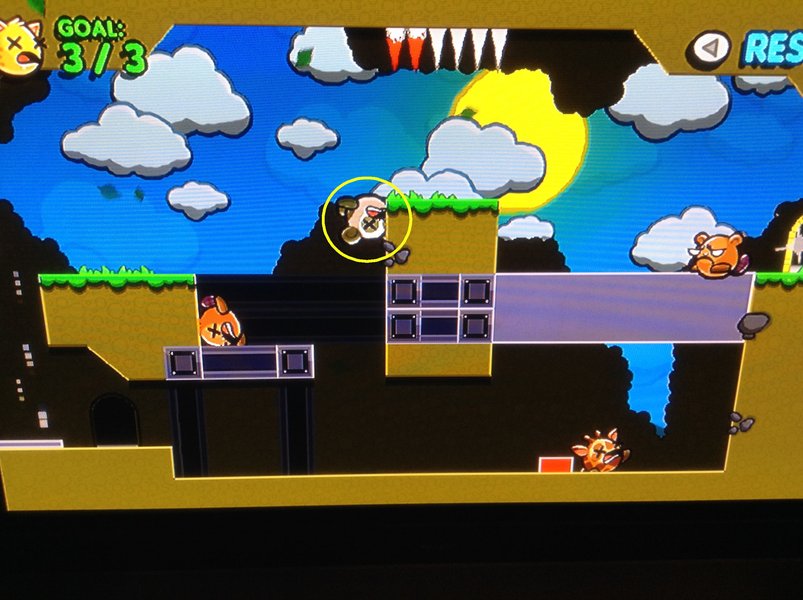
Image suggestive of indie games exploring death and corpse mechanics, similar to the theme described.
Level Design and Challenges
Levels in such a game would be specifically designed around this core mechanic. Expect intricate layouts featuring:
- Vertical challenges requiring stacked corpses or precise bounces.
- Hazardous terrain (spikes, acid pits, lasers) that necessitate corpse bridges or shields.
- Physics-based puzzles where the weight or placement of corpses might trigger switches or alter the environment.
- Limited respawns or resources in harder modes, demanding highly efficient corpse placement.
The design cleverly turns environmental dangers into potential tools, rewarding players who think laterally about movement and sacrifice.
Visualizing the Mechanics
Comparing Corpse Platformers to Traditional Ones
To better understand how unique this game concept is, let's compare its likely attributes against those of a standard platformer using a radar chart. This chart visualizes hypothetical scores based on the described mechanics, highlighting the innovative aspects.
As the chart suggests, this type of game likely scores high on innovation, puzzle complexity, and trial-and-error, potentially sacrificing some standard platforming elements for its unique mechanics. The protagonist's uniqueness is also a standout feature.
Mapping the Core Ideas
This mindmap breaks down the essential components of the game you described, showing how the different elements connect:
The mindmap illustrates the central role of the strategic death and corpse utilization mechanics, branching out into the specific ways these mechanics are implemented (bouncing, shielding) and the likely context of the game (indie/browser platformer).
Related Concepts and Similar Games
Fat Protagonists in Platformers
While the specific game you described remains elusive, the concept of overweight or large protagonists in platformers is not entirely uncommon. Characters like Wario (Nintendo), Chuck Rock, or even interpretations of Mario have brought diverse body types to the genre. Often, their size influences gameplay mechanics, such as ground pounds, charge attacks, or unique movement physics.
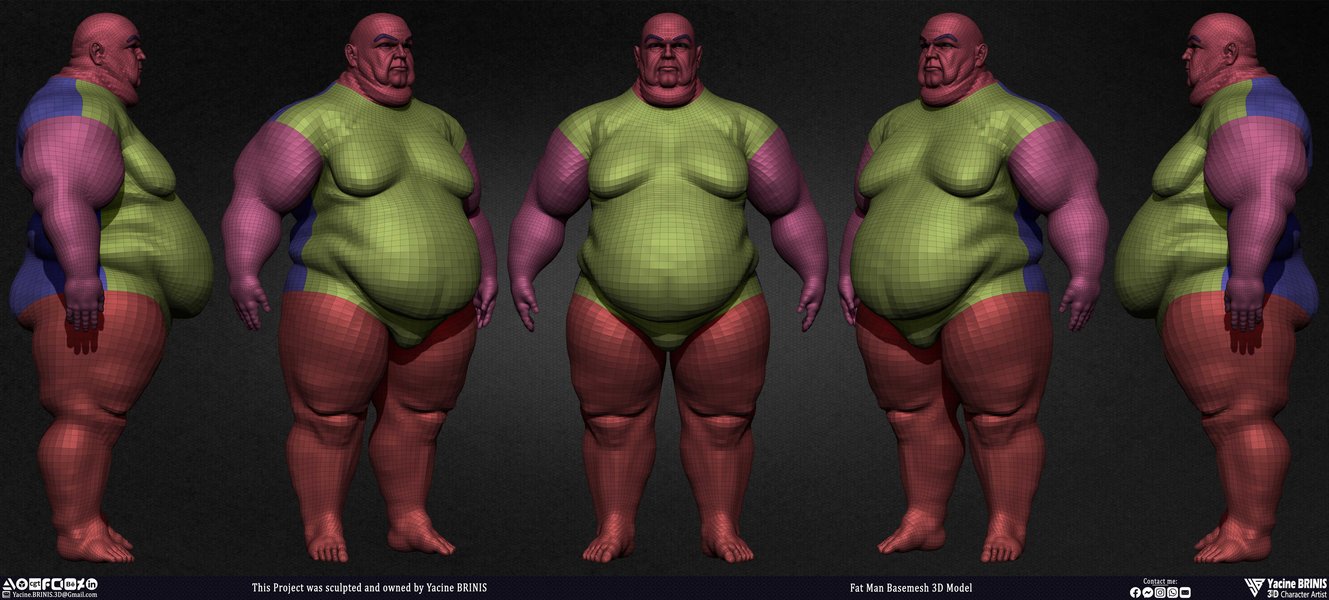
A 3D model representing the type of character archetype described as the protagonist.
However, the crucial difference lies in the *combination* of this character type with the self-sacrificial corpse mechanic, which appears to be the defining feature of the game you recall.
Death as a Mechanic in Gaming
Games that subvert the traditional role of death as purely a penalty often fall into the indie or puzzle genres. Examples include games where previous 'ghosts' replay player actions, or where death triggers environmental changes. The mechanic you describe – using the physical corpse – is a particularly direct and interactive form of this concept. Let's compare it to standard platformer mechanics:
| Feature | Standard Platformer | Corpse Platformer (Described) |
|---|---|---|
| Death | Penalty (Lose life, progress reset, return to checkpoint) | Mechanic (Creates a tool, necessary for progress) |
| Player Body | Avatar for movement and interaction | Avatar + Potential Tool (after death) |
| Level Interaction | Interact with existing platforms, switches, enemies | Interact with existing elements + self-created corpse platforms/shields |
| Progression | Overcoming static challenges through skill | Overcoming dynamic challenges by manipulating the environment via death |
| Core Skill | Timing, reflexes, jump precision | Strategic planning, puzzle-solving, spatial reasoning, execution |
This table highlights how the corpse mechanic fundamentally shifts the gameplay focus from pure execution to strategic planning and resource management (with corpses being the resource).
Potential Candidates and Where to Look
The Browser/Indie Connection
The highly specific and experimental nature of the corpse mechanic strongly suggests the game is likely an indie title or possibly an older browser-based Flash game. These platforms often host games with unconventional ideas that don't make it into mainstream releases. Many such games fade into obscurity, making them hard to identify later.
The Reddit Trail: A Strong Lead
Multiple sources point to discussions within online communities, particularly on Reddit's r/tipofmyjoystick forum, as the most promising avenue. A specific thread titled "[Browser][unknown] platformer where you jump on your dead bodies" describes mechanics incredibly similar, if not identical, to your query: a platformer where death leaves a body behind, used explicitly for jumping on to progress. While the thread doesn't name the game or mention the protagonist being fat, the core corpse-jumping mechanic is a direct match. This suggests the game you're thinking of is real but likely obscure, often sought after in these communities.
Exploring Related Themes
Platformers with Unique Protagonists
While not featuring the corpse mechanic, other platformers explore unique character concepts. The video below showcases "Adventures of Chris," a platformer starring a "chubby underdog kid," demonstrating how developers play with different character types and physics within the genre. Exploring such titles can sometimes jog memories or lead to discovering similar niche games.
This video highlights a modern platformer with a non-traditional protagonist, touching upon the theme of character diversity in the genre, similar to the "fat man" aspect of the game you described, although the core mechanics differ.
Frequently Asked Questions
What is the exact name of the game described? +
Are there other games with similar 'use your corpse' mechanics? +
Why would a game use a 'fat' protagonist for this mechanic? +
Where can I find games like this? +
References
- [Browser][unknown] platformer where you jump on your dead bodies - Reddit
- Guide :: An Intro To Corpse Juggling - Steam Community
- Games With Unique Death Mechanics - GameRant
- Fat Video Game Protagonists - Tumblr
-
The Top 10 Overweight Video Game Characters - GameFAQs (Examples of overweight characters)
- What's the most interesting death system you've seen in a game? - Reddit
Recommended Searches

Last updated April 19, 2025