
Automatic Transmission Line Fault Detection and Locating System
Innovative automation for reliable power networks
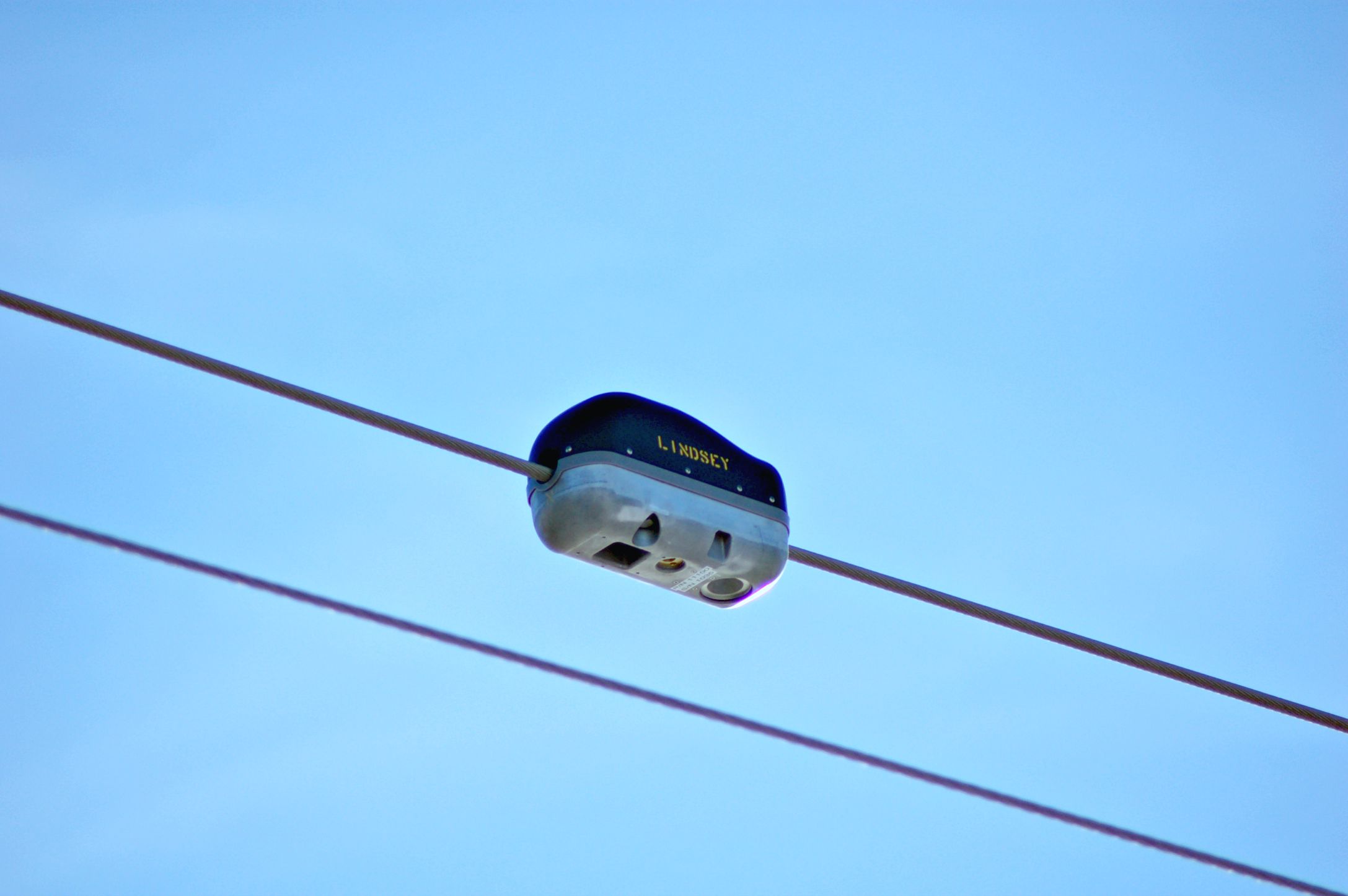
Key Highlights
- Real-time Sensor Data: Leveraging continuous monitoring along transmission lines for early fault detection.
- Machine Learning Enhancements: Utilizes advanced algorithms for precise fault classification and localization.
- Operational Efficiency: Minimizes downtime by automating fault detection and reducing manual intervention.
Overview
The development of an Automatic Transmission Line Fault Detection and Locating System represents a groundbreaking approach to modernizing the management of power transmission networks. This project focuses on increasing the reliability and efficiency of power distribution infrastructures by integrating real-time sensor data and machine learning algorithms to detect and isolate various electrical faults. With a target to accurately classify fault types such as short circuits, open circuits, and ground faults, the system is designed to rapidly identify and localize these anomalies, thereby supporting swift remedial action and reducing potential power outages.
In traditional power transmission systems, fault detection often relies on manual inspections and simple threshold-based monitoring methods. However, this approach can be both time-consuming and error-prone. The introduction of an automated system, empowered by machine learning and enhanced sensor technology, offers a significant leap forward. This system continuously processes data from strategically placed sensors along the transmission lines, performing sophisticated analyses in real-time. As a result, it preemptively identifies issues that could compromise the integrity of the power grid, providing a proactive response mechanism that subsequently minimizes downtime.
System Architecture and Key Components
Sensor Integration and Real-Time Data Acquisition
The backbone of the fault detection system lies in its deployment of numerous sensors along the power transmission lines. These sensors are responsible for capturing various parameters such as voltage, current, and phase angle. The continuous inflow of data is vital for monitoring the dynamic state of the transmission system. With real-time detection capabilities, the sensors alert the central processing unit as soon as any abnormality—indicative of a potential fault—is sensed.
Types of Sensors and Their Functions
Different sensor types are employed depending on the specific measurement requirements:
- Voltage Sensors: Measure fluctuations in voltage levels, which can be a direct indicator of short circuit conditions.
- Current Sensors: Monitor the flow of electric current, providing key insights into open circuit phenomena or overloads.
- Current Transformers (CTs): Provide precise current measurements even at high voltage levels, essential for safe monitoring.
- Pressure and Temperature Sensors: Occasionally used to monitor environmental factors that might impact line performance.
These sensor modules are often interfaced with microcontrollers such as Arduino boards or similar platforms which handle preliminary data processing and event triggering.
Machine Learning Algorithms
A core innovation in this fault detection system is the use of advanced machine learning algorithms. These algorithms analyze the continuous stream of sensor data to both detect and classify faults. Unlike traditional systems that rely solely on preset thresholds, machine learning models can recognize nuanced patterns in the data, thereby differentiating between various fault types with high precision.
Fault Detection Techniques
Machine learning models are designed to identify:
- Short Circuits: Sudden surges in current beyond expected norms, flagged by abnormal voltage drops.
- Open Circuits: Situations where the circuit is interrupted, resulting in a failure to maintain expected current flow.
- Ground Faults: Unintended paths between a live conductor and the ground, which can lead to dangerous conditions if undetected.
Various neural network architectures, including Convolutional Neural Networks (CNNs) and Elman networks, are employed to classify faults based on patterns learned from historical data. Neural networks provide the capability to not only detect the anomaly but also pinpoint its exact location along the transmission cable.
Fault Localization Strategies
Accurate fault localization is critical in minimizing damage and downtime. By integrating data from multiple sensors, machine learning algorithms can triangulate the precise location of a fault. They analyze data such as bus voltage variations, leakage current, and phase shifts, enabling them to determine the spot where the fault has occurred. The incorporation of GPS and communication modules further enhances this process by supplying accurate geographical context.
Operational Benefits and Efficiency Gains
Improved Reliability and Reduced Downtime
One of the immediate advantages of automating the fault detection process is the dramatic reduction in downtime. By quickly identifying and localizing faults, the system ensures that maintenance teams can address issues rapidly. This efficiency is crucial in minimizing the economic and operational impacts of power outages. The automation effectively eliminates delays caused by manual inspections, thereby preempting minor issues from escalating into critical disruptions.
Maintenance Cost Reduction and Safety Enhancement
The integration of an automatic fault detection system goes beyond operational benefits. It also significantly cuts down maintenance costs. Since the system offers early detection with pinpoint fault localization, there is less need for extensive labor that is typically involved in manual inspections and troubleshooting. Furthermore, by minimizing the risk of catastrophic failures through early intervention, the system contributes to a safer working environment, protecting both infrastructure and personnel.
Technical Implementation and Future Directions
System Integration with IoT and Communication Modules
To facilitate real-time monitoring and immediate fault response, the system employs IoT (Internet of Things) technologies. Sensors are equipped with communication modules such as GSM or Wi-Fi units, which transmit data to central control centers or directly to maintenance teams. This connectivity ensures that any detected fault is instantly reported, enabling rapid mobilization of repair teams. Additionally, the use of GPS modules helps in mapping the physical location of a fault with high accuracy.
Data Transmission and Centralized Analysis
The gathered sensor data is transmitted to a central processing unit equipped with robust real-time analytics capabilities. Here, machine learning algorithms continuously analyze the incoming data, generating alerts for any deviation from normal operating conditions. This centralized data analysis not only improves fault detection accuracy but also facilitates historical data storage for trend analysis and long-term predictive maintenance planning.
Adapting to Evolving Infrastructure Needs
As power grids evolve with the growing complexity of energy distribution networks, the fault detection system is also designed to adapt. Future enhancements may involve integrating more advanced deep learning models and refining sensor networks to increase coverage and detection sensitivity. Researchers are exploring the possibility of employing hybrid systems that combine machine learning with traditional physics-based models to further enhance accuracy.
Additionally, as the volume of operational data increases, there is significant potential for the system to adopt predictive maintenance strategies. By analyzing historical fault data, machine learning algorithms can forecast potential failures before they occur, allowing preemptive corrective actions and optimizing overall grid reliability.
Comparison of System Components and Their Impact
| Component | Role | Impact on System Performance |
|---|---|---|
| Real-time Sensors | Monitor voltage, current, and environmental factors continuously | Provides immediate detection and detailed data for analysis |
| Machine Learning Algorithms | Analyze sensor data to detect and classify faults | Improves accuracy and speed of detecting different fault types |
| Communication Modules | Transmit data from sensors to control centers | Allows instant reporting and coordinated response mechanisms |
| GPS Modules | Pinpoint the geographical location of faults | Enhances rapid repair and reduces downtime significantly |
| IoT Integration | Connects sensors and transmission systems for centralized monitoring | Facilitates comprehensive system management and predictive maintenance |
Challenges and Considerations
Data Complexity and Model Accuracy
One of the challenges in implementing an automated fault detection system in power transmission is dealing with the vast amounts of data generated by sensors. Ensuring the reliability of the machine learning models in differentiating between types of faults requires careful calibration and training using comprehensive historical datasets. Data anomalies, noise, and the potential for sensor malfunctions make it essential to incorporate robust data pre-processing and validation steps prior to feeding data to the machine learning models.
Achieving high model accuracy often involves tuning hyperparameters and continually updating the algorithm with new data. Regular maintenance of the sensor network and periodic retraining of the models are vital for adapting to changes in the power grid dynamics.
Scalability and Implementation Complexity
While the benefits are compelling, scaling such a sophisticated system across large and geographically diverse power transmission networks poses significant implementation challenges. For effective deployment, communication infrastructure must be robust enough to handle distributed sensor data. Moreover, cybersecurity considerations come into play, as the interconnectivity of IoT devices can be vulnerable to external threats. Ensuring data integrity and protecting the system against potential cyber-attacks are critical areas that require thorough planning and continuous monitoring.
Additionally, initial investments in sensor technology and machine learning integration might be high, but these costs are often offset by moderate long-term savings in terms of reduced downtime and operational efficiencies.
Integration with Smart Grid Initiatives
The Role of Automation in Modern Infrastructure
As power grids continue to evolve with the integration of renewable energy sources and smart grid technologies, the need for intelligent fault detection systems becomes paramount. An automated fault detection system not only supports operational efficiency but also aligns with global trends in infrastructure modernization. The push towards more resilient and self-healing grids has spurred investment in systems that incorporate advanced analytics, real-time monitoring, and predictive maintenance.
Benefits for Renewable Energy Integration
Renewable energy sources like wind and solar power introduce variability and fluctuations in the power supply. Incorporating an automatic fault detection system helps manage these fluctuations by ensuring that any faults or abnormal conditions are quickly identified. This is especially critical in hybrid grid environments where the balance between renewable sources and traditional power generation must be maintained delicately.
Future Trends and Developmental Perspectives
Advances in Machine Learning and Predictive Analytics
The future of power transmission monitoring lies in further enhancing machine learning capabilities and adopting predictive analytics. As more data is accumulated over time, these systems can evolve to predict potential faults before they occur, allowing utilities to perform preventive maintenance. Future iterations may also involve incorporating cutting-edge deep learning models that leverage complex pattern recognition—improving both detection speed and localization accuracy further.
Enhanced System Integration and Cybersecurity Improvements
Building on current successes, further research is expected to focus on tighter integration with smart grid technology and advanced communication networks. Cybersecurity will remain a critical aspect, ensuring that increased connectivity does not translate into increased vulnerability. Innovations in blockchain and other secure data-sharing technologies may soon play a role in safeguarding this critical infrastructure.
Conclusion and Final Thoughts
The development of an Automatic Transmission Line Fault Detection and Locating System marks a significant advancement in the realm of power transmission reliability and efficiency. By combining a robust array of sensors with sophisticated machine learning algorithms, the system creates a self-sustaining network capable of real-time fault detection and localization. This integration leads to immediate benefits such as reduced downtime, decreased maintenance costs, and improved safety for both personnel and equipment.
Additionally, the system’s scalability and adaptability make it a pivotal component in modernizing legacy infrastructure and integrating emerging smart grid technologies. With ongoing advancements in predictive analytics and cybersecurity, future iterations of this system are likely to further enhance operational capabilities—bringing forth a new era of automated, resilient, and proactive power transmission management.
References
-
Fault classification and localization in power transmission lines using ML - ScienceDirect
- Fault Detection, Classification and Localization - Springer
- Fault Classification and Precise Fault Location Detection - MDPI
- Faulted Line Identification and Localization - IEEE
- Robust Fault Detection using ML - Nature
Recommended
Last updated February 20, 2025