
Navigating the Legal Landscape: FERC's Role in Energy and Environmental Litigation
An in-depth look at the Federal Energy Regulatory Commission's involvement in court cases concerning energy and environmental regulations.
The Federal Energy Regulatory Commission (FERC) is a critical independent agency within the U.S. Department of Energy, tasked with regulating the interstate transmission and wholesale sale of electricity and natural gas, as well as the interstate transport of petroleum by pipeline. Beyond these core functions, FERC is also responsible for reviewing proposals to build significant energy infrastructure such as interstate natural gas pipelines, natural gas storage projects, and liquefied natural gas (LNG) terminals, and licensing non-federal hydropower projects. Established in 1977 in the wake of the 1973 oil crisis, FERC maintains an independent status, with its decisions generally not subject to review by the President or Congress, but rather by the federal courts. This judicial review is a significant aspect of FERC's operations, leading to frequent involvement in litigation concerning its orders and regulations, particularly those intersecting with environmental considerations and the siting of energy infrastructure.
FERC's legal activities are primarily handled by the Solicitor's Office within the Office of the General Counsel. This office is responsible for preparing and presenting legal documents, pleadings, and arguments to support and enforce FERC's orders and opinions in judicial proceedings, including appellate litigation in the U.S. Courts of Appeals. FERC possesses independent litigation authority, meaning its attorneys are generally responsible for defending FERC appeals, especially those arising under the Federal Power Act (FPA) or the Natural Gas Act (NGA). In certain cases, particularly those proceeding to the U.S. Supreme Court, the Solicitor General at the U.S. Department of Justice may act as counsel of record and coordinate with FERC and other federal attorneys.
Key Highlights of FERC Litigation
- Jurisdiction and Authority: Federal courts, particularly the U.S. Courts of Appeals, have jurisdiction over FERC pipeline and LNG certificate-related litigation, stemming from the Natural Gas Act. The Federal Power Act also grants FERC authority over specific areas of energy regulation that are subject to judicial review.
- Environmental Challenges: A significant portion of litigation involving FERC centers on challenges to its approvals of energy projects, particularly natural gas pipelines, concerning their environmental impacts and compliance with statutes like the National Environmental Policy Act (NEPA).
- Regulatory Enforcement and Compliance: FERC is actively involved in litigation related to its enforcement program, which focuses on areas such as fraud and market manipulation, anticompetitive conduct, and violations of electric reliability standards.
FERC's Role in Energy and Environmental Litigation
FERC's involvement in litigation spans a wide range of issues, reflecting its broad regulatory authority over the energy sector. These legal challenges often arise from the Commission's decisions on approving infrastructure projects, setting rates, enforcing market rules, and ensuring the reliability of the electric grid. Environmental considerations have become increasingly prominent in litigation involving FERC, particularly concerning the potential impacts of natural gas pipelines and LNG terminals.
Challenges to Infrastructure Approvals
One of the most frequent areas of litigation involves challenges to FERC's decisions to grant certificates of public convenience and necessity for interstate natural gas pipelines and LNG facilities. Environmental groups, landowners, and state entities often file lawsuits arguing that FERC has not adequately assessed the environmental impacts of these projects, including greenhouse gas emissions, or has not fully considered alternatives. Cases such as those challenging the Mountain Valley Pipeline or the Jordan Cove LNG project highlight this type of litigation.
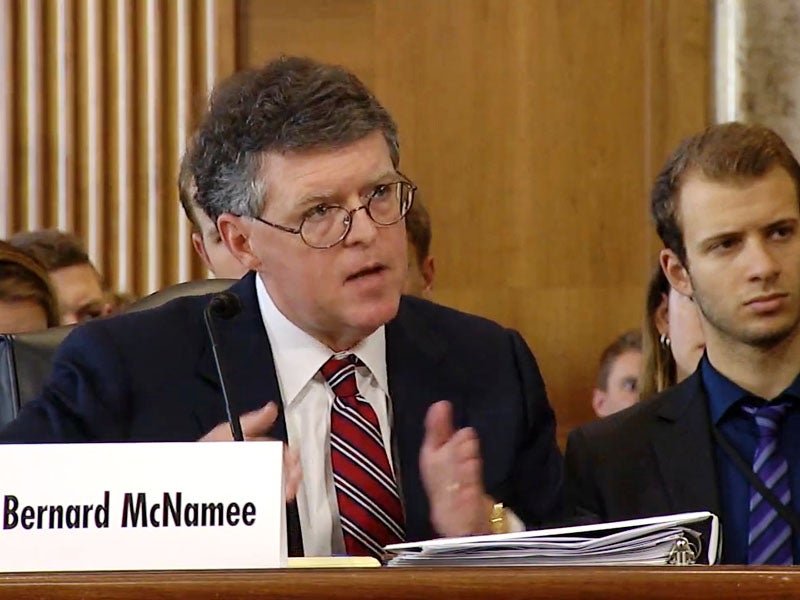
The FERC headquarters building.
Environmental Impact Assessments and NEPA
Compliance with the National Environmental Policy Act (NEPA) is a critical aspect of FERC's project reviews and a common ground for legal challenges. Litigants often contend that FERC's Environmental Impact Statements (EIS) or Environmental Assessments (EA) are insufficient, failing to adequately analyze direct, indirect, and cumulative environmental effects. Recent court decisions have underscored the importance of FERC's analysis of downstream greenhouse gas emissions associated with approved natural gas projects.
Appellate Review of FERC Orders
Decisions made by FERC are subject to review by the U.S. Courts of Appeals. Parties aggrieved by a FERC order, such as those related to rate cases, market rules, or project approvals, can petition the appropriate circuit court for review. The D.C. Circuit Court of Appeals is a common venue for such challenges due to FERC's location in Washington, D.C.
Notable Appellate Cases
Several significant cases have been decided by appellate courts concerning FERC's authority and decisions. For instance, cases have addressed FERC's authority under the Federal Power Act regarding demand response programs or its handling of transmission cost allocation. These cases help shape the legal framework within which FERC operates.
Enforcement Litigation
FERC's Office of Enforcement actively investigates potential violations of the Federal Power Act, Natural Gas Act, and FERC regulations, including market manipulation, anticompetitive behavior, and violations of electric reliability standards. When settlements cannot be reached, FERC may pursue civil penalty actions in federal court.
Civil Penalties and Market Manipulation
Litigation in this area often involves disputes over alleged market manipulation or other violations of FERC's market behavior rules. FERC seeks civil penalties and disgorgement of unjust profits in these cases. The Enforcement section of FERC's website provides details on various civil penalty actions.
Interactions with Other Federal Agencies and State Authorities
While FERC is an independent agency, its regulatory activities can intersect with the authorities of other federal agencies and state governments, leading to potential areas of legal complexity and, at times, litigation.
Coordination and Jurisdictional Issues
FERC coordinates with other federal agencies, such as the Environmental Protection Agency (EPA) and the Army Corps of Engineers, during the environmental review of energy projects. Jurisdictional disputes can arise, particularly concerning the division of authority between federal and state regulators over energy facilities and environmental protection.
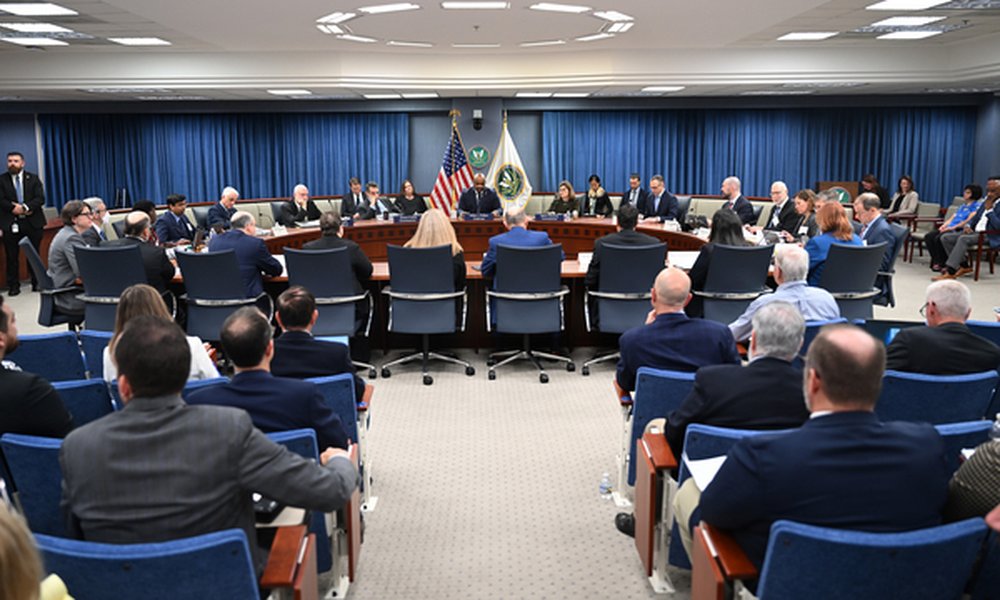
FERC Commissioners during a hearing.
State Challenges to Federal Approvals
State governments and state agencies can be involved in litigation against FERC, often challenging federal approvals of energy infrastructure projects that they believe conflict with state environmental policies or energy planning objectives. These cases raise complex questions about federal supremacy and cooperative federalism.
Key Litigation Areas and Examples
To provide a clearer picture of the types of litigation involving FERC, the following table summarizes some key areas and provides illustrative examples based on the provided sources:
| Litigation Area | Description | Example Cases/Issues |
|---|---|---|
| Natural Gas Pipeline and LNG Terminal Approvals | Challenges to FERC's issuance of certificates of public convenience and necessity, often focusing on environmental review under NEPA. | Birckhead v. FERC (challenge to natural gas compression facilities), Sierra Club v. FERC (challenge to extension of time for LNG terminal facilities), challenges related to the Jordan Cove LNG Project and Transcontinental Gas Pipe Line Co. pipeline project. |
| Electric Transmission and Market Issues | Legal disputes concerning FERC's regulation of interstate electric transmission, wholesale power markets, and related matters. | Cases involving transmission cost allocation, challenges to market rules (e.g., related to demand response or capacity markets), and disputes over generator interconnection agreements. |
| Hydropower Licensing | Litigation arising from FERC's licensing of non-federal hydropower projects, often involving environmental conditions and compliance with other federal statutes. | Challenges related to the environmental impacts of hydropower projects and relicensing decisions. |
| Enforcement Actions | FERC's pursuit of civil penalties and other remedies against entities for violations of energy laws and regulations. | Cases involving allegations of market manipulation, violations of electric reliability standards, and other non-compliance issues. |
Recent Developments and Trends
The landscape of FERC litigation is dynamic, influenced by evolving energy markets, technological advancements, and changing environmental policies. Recent trends include increased litigation focusing on climate change impacts and the interplay between federal energy regulation and state-level clean energy initiatives.
Climate Change Considerations in Project Review
Courts are increasingly scrutinizing FERC's consideration of climate change impacts in its environmental reviews for infrastructure projects. This has led to decisions requiring FERC to enhance its analysis of greenhouse gas emissions, influencing the scope and depth of future environmental assessments.
Challenges Related to State Energy Policies
Legal battles are emerging concerning how FERC's regulation of interstate energy markets interacts with state policies promoting renewable energy or addressing climate change. These cases can involve questions about the extent to which state actions are preempted by federal law.
FERC Responses to Litigation Trends
In response to judicial decisions and evolving legal interpretations, FERC has at times adjusted its approaches to environmental review and policy implementation. For example, court rulings have prompted FERC to revisit its methodology for assessing the environmental impacts of natural gas projects, including the issuance of supplemental environmental impact statements.
Administrative Litigation Process at FERC
Before a case reaches federal court, it often goes through an administrative litigation process within FERC. This process begins when the Commission sets a proceeding for hearing before an administrative law judge (ALJ).
Role of Administrative Law Judges
ALJs at FERC preside over formal evidentiary hearings, similar to trials, to develop a factual record and issue initial decisions on the matters in dispute. These proceedings can involve complex technical and legal issues related to energy markets, rates, or compliance.
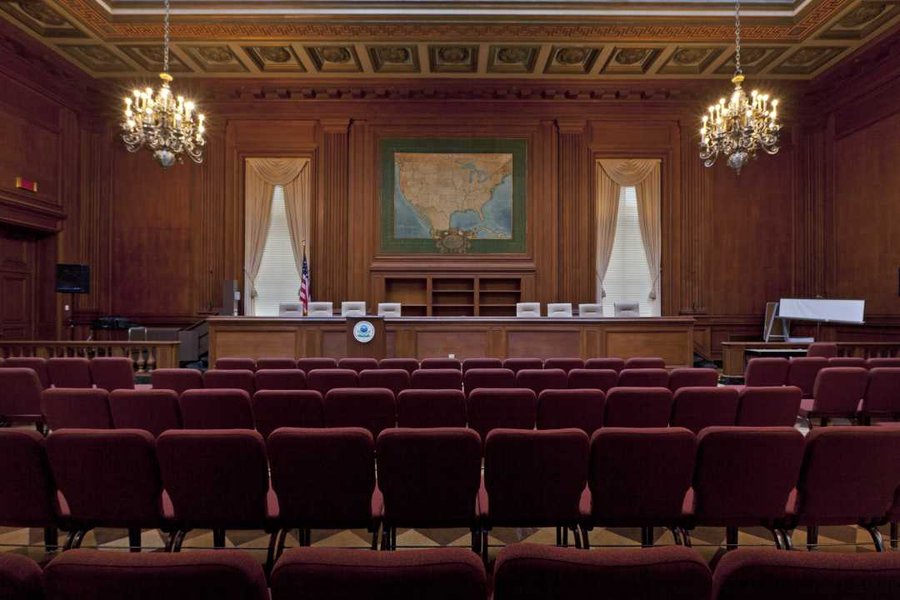
An example of a hearing room where administrative proceedings might take place.
Commission Review of ALJ Decisions
Following an ALJ's initial decision, parties can appeal to the full Commission for review. The Commission then issues a final order, which can either adopt, modify, or reverse the ALJ's decision. It is this final Commission order that is typically subject to review in federal court.
Understanding FERC's Litigation Authority
FERC's ability to engage in litigation independently is a key aspect of its function as an independent regulatory agency. This authority is derived from statute and allows FERC to defend its decisions and enforce its regulations in court.
Statutory Basis for Independent Litigation Authority
The Department of Energy Organization Act of 1977 granted FERC independent litigation authority, empowering its attorneys to handle appeals arising under the Federal Power Act and Natural Gas Act without requiring representation by the Department of Justice in most instances. This independence is intended to ensure that FERC can effectively carry out its regulatory mission.
Collaboration with the Department of Justice
While FERC has independent litigation authority, it does coordinate with the Department of Justice, particularly when cases reach the Supreme Court. The Solicitor General represents the federal government before the Supreme Court and will work with FERC attorneys on petitions for writs of certiorari and briefing.
Looking Ahead: Future of FERC Litigation
The future of FERC litigation will likely continue to be shaped by ongoing debates about energy policy, climate change, and the transition to cleaner energy sources. As new technologies emerge and the energy landscape evolves, novel legal questions will undoubtedly arise, leading to further litigation involving the Commission.
A video of the FERC Commission Meeting in April 2025, providing insight into current discussions and potential areas of future litigation.
Focus on Emerging Energy Technologies
As technologies like offshore wind, battery storage, and advanced nuclear power become more prevalent, FERC's regulatory role in facilitating their integration into the grid may lead to new legal challenges related to market rules, interconnection standards, and siting.
Interplay with Climate Policy
The increasing urgency of addressing climate change will likely continue to drive litigation related to FERC's decisions on fossil fuel infrastructure and its consideration of greenhouse gas emissions in its reviews. The balance between ensuring reliable energy service and promoting decarbonization goals will be a key theme in future legal disputes.
Frequently Asked Questions about FERC Litigation
What is the primary role of the Federal Energy Regulatory Commission?
FERC is an independent U.S. agency that regulates the interstate transmission and wholesale sale of electricity and natural gas, the interstate transport of oil by pipeline, and the licensing of hydropower projects. Its mission is to ensure reliable, safe, secure, and economically efficient energy for consumers at a reasonable cost.
What types of court cases involve FERC?
FERC is involved in various court cases, including appeals of its orders in the U.S. Courts of Appeals, enforcement actions seeking civil penalties, and cases challenging its approvals of energy infrastructure projects, particularly regarding environmental impacts.
Where can I find information about pending court cases involving FERC?
Information about pending court cases involving FERC can typically be found on the "Court Cases" or "Pending Cases" section of the FERC website.
Does FERC have its own attorneys, or is it represented by the Department of Justice?
FERC has independent litigation authority and is primarily represented by attorneys from its Solicitor's Office in the U.S. Courts of Appeals. The Department of Justice, specifically the Solicitor General, represents the federal government, including FERC, in cases before the U.S. Supreme Court.
Can state governments sue FERC?
Yes, state governments and state agencies can file lawsuits challenging FERC's decisions, particularly those concerning energy infrastructure projects within or impacting their borders.
References
Last updated April 18, 2025