
Turkey's Role in Regional Energy Distribution
Strategic Dynamics, Pipelines, and Energy Ambitions
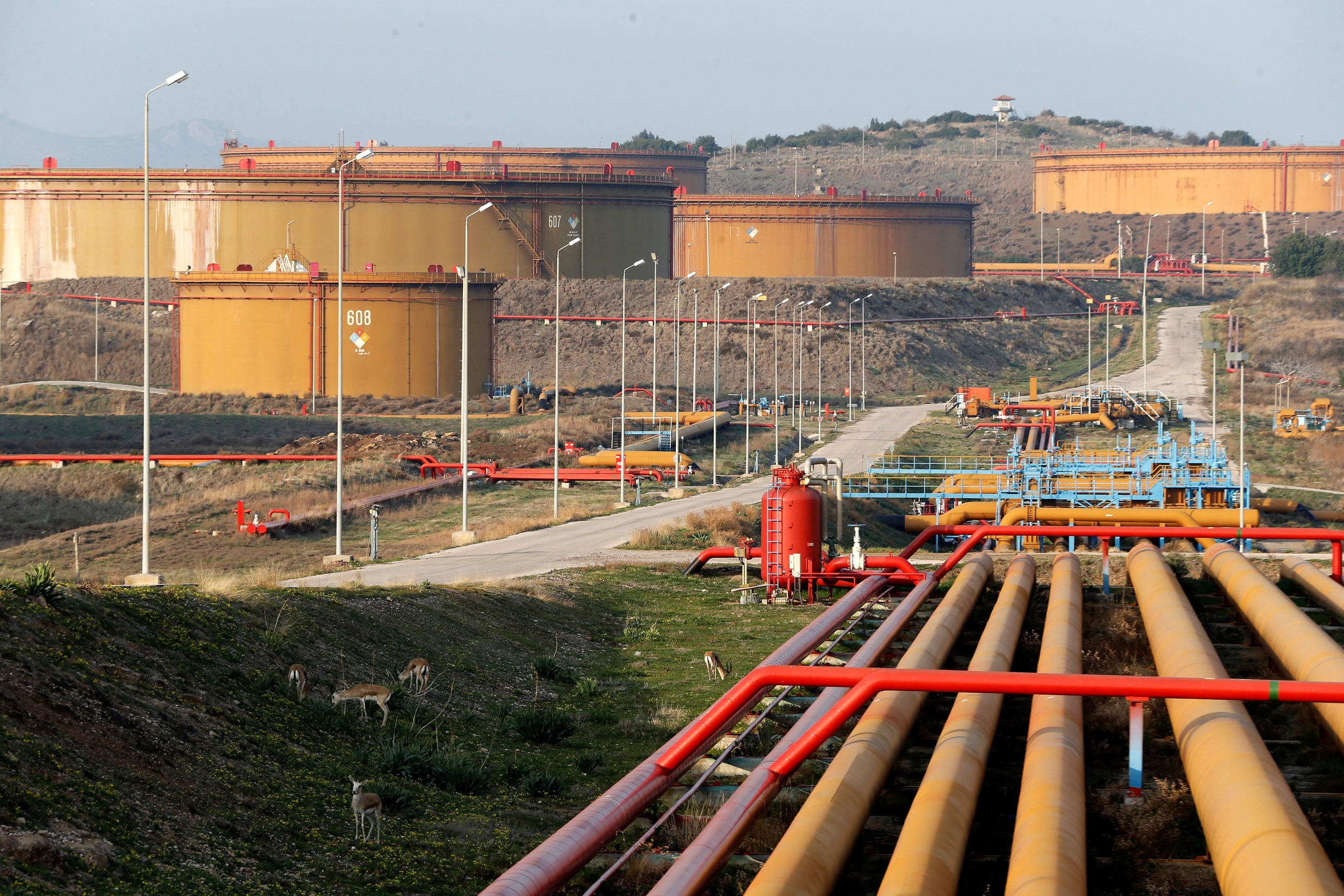
Key Highlights
- Strategic Geographical Position: Turkey's location connects energy-rich regions with European markets.
- Robust Pipeline Infrastructure: A network including TANAP, TurkStream, and other critical pipelines fortify its role.
- Ambitious Energy Hub Aspirations: From diversifying supply to developing gas trading hubs, Turkey aims to be a major player.
Strategic Geographical Importance
Turkey occupies a central role in the energy landscape attributable to its unique position as a bridge between continents. Nestled at the crossroads of Europe, Asia, and the Middle East, Turkey’s location is integral to the transit and distribution of oil and gas supplies. This geographical advantage allows the country to connect energy-producing regions in the Caucasus, the Middle East, and Central Asia with energy-hungry markets in Europe. The country, by virtue of its position, is not only a consumer but a facilitator of energy transit, which increases its influence in regional and international energy strategies.
The Geopolitical Context
Turkey’s role has been intensified by various geopolitical shifts over the past decades. With tensions in Eastern Europe and the evolution of energy alliances, Turkey has leveraged its geographic position to foster partnerships and diversify energy routes. Its energy strategy is shaped by the need to reduce dependency on any single supplier—particularly in light of shifting relations with traditional powerhouses such as Russia. The establishment of alternative transit routes and energy agreements has been motivated by the desire to enhance energy security for both Turkey and Europe.
Pipeline Infrastructure and Major Projects
Central to Turkey’s role as a regional energy hub is its extensive and continually evolving pipeline infrastructure. Over the years, Turkey has developed a network that not only facilitates the transit of natural gas and oil but also creates opportunities for energy trade and diversification.
Key Pipeline Projects
Several major pipeline projects highlight Turkey's capacity as an energy corridor:
- TurkStream Pipeline: This pipeline is a major conduit for Russian natural gas. It features two lines under the Black Sea – one supplying Turkey and another extending to Europe. Since its commissioning, TurkStream has transported significant amounts of gas, reinforcing Turkey's position as a key entry point for gas supplies into European markets.
- Trans-Anatolian Natural Gas Pipeline (TANAP): TANAP is an essential component of the Southern Gas Corridor. Connecting Azerbaijan’s gas fields to Europe via Turkey, TANAP exemplifies the country's role in diversifying gas routes away from traditional suppliers. It not only supports European energy security but also underpins regional cooperation.
- Baku-Tbilisi-Ceyhan (BTC) Pipeline: Though focused on transporting crude oil from Azerbaijan to the Mediterranean, the BTC pipeline through Turkey provides a non-Russian route for oil exports. Its existence demonstrates Turkey's potential to serve as a critical oil transit hub as well.
- Baku-Tbilisi-Erzurum (BTE) Pipeline: This pipeline connects Azerbaijan to Turkey, facilitating the supply of natural gas, and further consolidates Turkey’s role as an energy mediator between production and consumption centers.
Pipeline Infrastructure Table
| Pipeline Name | Primary Function | Key Route |
|---|---|---|
| TurkStream Pipeline | Natural Gas Supply | Russia → Turkey → Europe |
| Trans-Anatolian Natural Gas Pipeline (TANAP) | Natural Gas Transit | Azerbaijan → Turkey → Europe |
| Baku-Tbilisi-Ceyhan (BTC) | Crude Oil Export | Azerbaijan → Georgia → Turkey (Mediterranean) |
| Baku-Tbilisi-Erzurum (BTE) | Natural Gas Supply | Azerbaijan → Georgia → Turkey |
In addition to established pipelines, Turkey continues to explore new projects that could further solidify its role as an energy hub. Discussions about potential pipelines to Israel and enhanced agreements with natural gas-producing countries represent forward-looking steps in its energy strategy. These projects demonstrate not only infrastructural readiness but also a willingness to engage in international energy dialogue.
Diversification and Energy Partnerships
Turkey is actively working to diversify its energy sources, aligning with its broader strategic goal of reducing reliance on any single supplier or region. The country imports energy from a variety of partners, including Russia, Iran, Azerbaijan, and has even turned to liquefied natural gas (LNG) suppliers such as Qatar and the United States. This diversification strategy helps mitigate risks associated with geopolitical tensions and supply disruptions.
Strategic Energy Agreements
Over recent years, strategic energy agreements have bolstered Turkey's ability to serve both as a crucial energy transit route and an emerging energy hub. For example, agreements to import Turkmen gas highlight Turkey’s role in accommodating supplies from Central Asia. By arranging deals that not only guarantee its own energy needs but also position Turkey as a conduit for redirecting exports to neighboring regions, the country has enhanced its standing in international energy markets.
As energy consumption in Europe continues to evolve, Turkey’s involvement in diversified energy partnerships is particularly significant. With the establishment of gas trading hubs planned for Istanbul, fueled by increasing trade agreements with Eastern partners and Mediterranean neighbors, the Turkish government aims to lay the foundation for a resilient energy supply network.
Domestic and Renewable Energy Strategies
While international pipelines and partnerships are crucial, Turkey is also boosting its domestic energy capabilities. Plans to drill multiple wells in both domestic and maritime zones underscore efforts to increase internal production of oil and natural gas. Moreover, the country is investing heavily in renewable energy, with a significant share of its electricity now generated from renewable sources. This dual strategy of bolstering domestic production while engaging in international trade and security sets the stage for a balanced energy future.
Challenges and Future Prospects
Despite the promising developments, Turkey faces several challenges on its path to becoming a true regional energy hub. Structural, political, and infrastructural issues—ranging from the need for further pipeline modernization to geopolitical tensions—pose hurdles that require careful navigation.
Infrastructural and Political Barriers
Some experts have argued that while Turkey has made significant strides in establishing the physical infrastructure needed for an energy hub, the commercial and political dimensions require further development. For example, market dynamics such as fluctuating demand levels in Europe and the shifting landscape of global energy politics continue to influence Turkey’s strategic decisions. The balance between fostering energy independence and aligning with external energy policies is delicate.
Furthermore, the success of proposed projects such as a regional gas trading hub in Istanbul by 2025 will depend on overcoming political impediments and ensuring commercial viability. The resolution of these challenges is crucial not only for Turkey's ambitions but also for the broader goal of enhancing energy security for the region.
Opportunities in a Changing Energy Landscape
On the flip side, there are considerable opportunities arising from the global reassessment of energy supply lines. Shifts in policies, particularly in Europe’s long-term energy strategies amid the post-Ukraine era, provide Turkey with the leverage to renegotiate terms with energy producers. The country's active pursuit of partnerships with emerging energy exporters, combined with its robust pipeline network, positions it to benefit from increased regional cooperation.
Additionally, discoveries of natural gas reserves in the Black Sea could further enhance Turkey's domestic production, reducing its reliance on imports over time. By investing in such exploratory and production projects, Turkey aims not only to support its energy needs but also to create surplus capacity that can be strategically exported.
Economic and Geopolitical Implications
Turkey's role in regional energy distribution has significant economic and geopolitical implications. By acting as a conduit for oil and gas pipelines, the country increases its political leverage on the global stage. Enhancing energy transit routes translates into greater bargaining power in international negotiations and opens up new revenue streams through transit fees and energy trading.
Economic Benefits
Economically, the strengthening of its pipeline network and diversification efforts promise higher investment inflows and job creation in the energy sector. The potential development of a gas trading hub in Istanbul, for instance, is expected to generate significant economic activity. Not only will the hub facilitate energy trades, but it may also spur ancillary services such as energy finance, insurance, and technological innovation in energy management systems.
Geopolitical Leverage
In the realm of geopolitics, Turkey’s energy strategy is a vital component of its broader foreign policy. By ensuring steady energy transit to Europe and other markets, Turkey cements its position as indispensable to regional stability. This strategic role enables the country to act as an intermediary in balancing regional power dynamics and to negotiate from a position of strength with both energy suppliers and consumers.
Emerging Projects and Regional Integration
Looking forward, Turkey is actively pursuing new projects and initiatives that could redefine the regional energy landscape. Plans for additional drilling operations, potential new interconnectors, and further pipeline projects signal strong governmental resolve to consolidate and expand its energy influence. These developments are particularly timely given the rapidly evolving energy policies in Europe and Asia.
Infrastructure Expansion
Infrastructure expansion remains at the heart of Turkey’s growth strategy. Besides existing projects, proposals for pipelines to connect with Israel and integrated energy projects with Balkan countries are under discussion. These projects are expected to promote not only energy security but also greater regional integration, facilitating the flow of energy resources across multiple borders.
Regional Energy Collaboration
Turkey’s active role in regional energy distribution is bolstered by its participation in various energy forums and dialogue platforms. Collaborative efforts with neighboring countries help in aligning regulations, optimizing infrastructure usage, and mitigating risks of supply disruptions. Enhanced coordination among energy consumers, suppliers, and transit countries could pave the way for more efficient and secure energy networks across the region.
Technological Innovation and Future Resilience
The future of Turkey’s energy strategy will also be shaped by technological innovations aimed at improving efficiency and sustainability in energy distribution. Investments in smart grid technologies, enhanced pipeline monitoring systems, and renewable energy integration are part of a broader approach to modernizing the country’s energy sector.
Digitalization and Smart Technologies
With digitalization becoming crucial in managing complex energy grids, Turkey is rapidly adopting smart technologies to monitor pipeline integrity, prevent leaks, and optimize energy flows. These digital infrastructures not only enhance safety but also improve response times in case of disruptions, thereby reinforcing the resilience of energy networks.
Sustainability and Renewable Energy
In parallel, Turkey’s commitment to renewable energy is dovetailing with its traditional oil and gas strategies. Investments in wind, solar, and hydroelectric projects are contributing to a more balanced national energy mix. This integrated approach is essential for long-term sustainability and for reducing environmental impacts associated with fossil fuels. By diversifying its energy portfolio, Turkey is positioning itself to address both current energy needs and future environmental challenges.
References
- Turkey can become an energy hub—but not by going all-in on Russian gas - Atlantic Council
- Türkiye's role as energy hub comes to fore amid energy crisis in Europe - Daily Sabah
- Turkmen gas deal boosts Türkiye's role in regional energy trade - Daily Sabah
-
Turkey's quest to become a regional energy hub: Challenges and opportunities - ScienceDirect
- Regional gas hub in Türkiye could be operational by 2025 - TRT World
- Türkiye plans 270 drilling operations in 2025 to boost oil & gas production - Turkey Today
- Turkey’s Geopolitical Role in the Black Sea and European Energy Security - Atlantic Council
- Turkey's role as an regional energy hub solidified after World Congress - Property Turkey
- Türkiye new Oil & Gas Drilling Plans for 2025 - Turkey Today
- Turkmen gas agreement boosts Türkiye's role as an energy hub - AA
Recommended
Last updated March 4, 2025