
Research on Filipino Collaborators During the Japanese Occupation
A Comprehensive Study from Primary and Secondary Sources
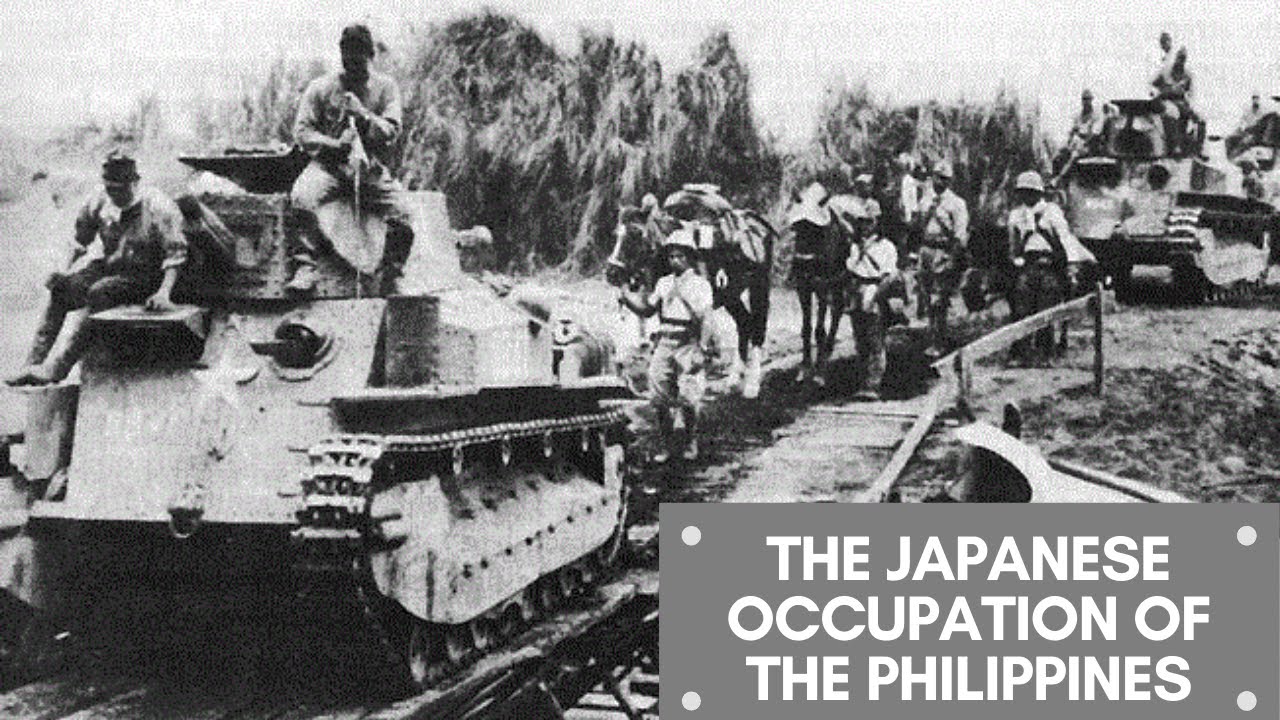
Key Highlights
- Complex motivations involving survival, ambition, and coercion.
- Varied sources including primary documents and scholarly research.
- Long-term impacts on Philippine societal and political dynamics.
Introduction
The subject of Filipino collaborators during the Japanese occupation (1942–1945) represents one of the most delicate and multifaceted areas in Philippine history. This research draws upon a diverse range of historical materials, including primary source documents, memoirs, archival records, and a variety of secondary sources such as scholarly articles and academic analyses. In addition to well-regarded online articles and historical records, this examination also integrates verified accounts from reliable databases and academic journals. The aim of this study is to provide an in-depth look into how and why certain Filipinos collaborated with the Japanese forces during a turbulent period marked by occupation, resistance, and profound social upheaval.
Primary Sources
Archival Documents and Official Records
Primary sources form the cornerstone of historical analysis regarding the Japanese occupation. Notable among these are surviving Japanese official documents that shed light on orders issued to Filipino collaborators. Despite many documents having been lost or destroyed in the aftermath of the war, recovered orders and reports offer detailed insights into the administrative measures deployed by the occupying forces.
Japanese Official Documents
The Japanese military’s directives, reports, and orders provide invaluable evidence about the organization and implementation of occupation policies. These documents often include details on the structured integration of local collaborators into the Japanese-led administrative and military apparatus. They reveal the mechanisms through which the Japanese sought to maintain control over the Philippines, frequently through the enlistment of Filipinos in vital roles.
Personal Accounts and Memoirs
In addition to official records, personal accounts such as memoirs and wartime diaries offer first-hand perspectives on the experiences of collaboration. These narratives provide essential context, demonstrating the complexities and pressures that ordinary Filipinos faced. For instance, wartime diaries like the Silliman War Diaries and memoirs compiled in the R.B. Silliman War Papers deliver personal insights into the daily hardships and moral dilemmas that arose during the occupation.
Testimonies and Eyewitness Accounts
Firsthand testimonies from survivors and participants allow historians to understand how Filipinos navigated their roles during this period. Some accounts describe collaboration as a matter of self-preservation amid widespread violence and scarcity, while others point to instances of ideological alignment with the Japanese forces. These narratives, albeit sometimes contradictory, contribute to an encompassing picture of the circumstances that led to a range of responses from collaboration to armed resistance.
Secondary Sources
Academic Works and Scholarly Articles
Secondary sources, compiled and analyzed by historians and researchers, provide interpretative frameworks that situate Filipino collaboration within larger political and social contexts. Academic books and journal articles dissect the motivations and consequences of wartime alliances, often evaluating collaboration through multifaceted lenses.
Scholarly Perspectives
Numerous historians have explored the dynamics of collaboration, discussing prominent figures like Jorge B. Vargas and José P. Laurel, who held significant positions under the Japanese-established government. These analyses delve into the interplay between ideology and opportunity—showing, for example, how some collaborators leveraged their association with the Japanese to secure political power and economic benefit. The work of these scholars often challenges binary interpretations of collaboration by highlighting the nuanced choices made under duress.
Online Archives and Digital Databases
Digital archives have made a substantial contribution to contemporary historical research on this topic. Websites such as Geni offer genealogical and biographical data on Filipino collaborators, documenting membership in groups like the Makapili and their roles within the Japanese occupation framework. Advanced digital curation techniques have preserved an array of photographs, official transcripts, and public records that are crucial for cross-referencing historical accounts.
Reviewing Reliable and True Articles
In addition to primary and academic sources, the reliability of the research is further enhanced by consulting articles from reputable online platforms and scholarly research repositories. These sources—ranging from educational websites to peer-reviewed journal articles—ensure that the information is cross-validated and supported by evidence. A notable example is the article "The Role of Filipino Collaborators During the Japanese Occupation," which provides a comprehensive review of the actions and motivations that defined collaboration during the period.
Categories of Collaborators
Political Collaborators
Among the most prominent examples are those who took up positions within the Japanese-organized government. Figures such as Jorge B. Vargas and José P. Laurel played significant roles in the administration instituted by the Japanese. Their appointments were strategic, intended to facilitate smoother governance and the implementation of policies that were favorable to the occupiers. Despite their prominent roles, these individuals later faced intense criticism and accusations of treason from segments of the Filipino populace.
Militant and Paramilitary Collaborators
Other segments of Filipino society provided direct military assistance to the Japanese forces. Organizations such as the Makapili emerged during the later stages of the occupation (notably around 1944), serving to reinforce Japanese control by identifying and suppressing guerrilla resistance. Collaboration was not limited to overt military engagement but extended to intelligence gathering and the enforcement of occupation policies, frequently operationalized through the Kenpeitai—the Japanese military police.
Economic Collaborators
Another category encompasses economic collaborators, particularly among the rural elite and business communities. In many regions, collaborating with the occupiers provided a mechanism to safeguard economic interests amid the shockwaves of war. Wealthy landowners and merchants often found themselves in positions where supporting the Japanese could secure economic advantages, even though the ethical compromises of such actions were—and continue to be—hotly debated.
Motivations Behind Collaboration
Survival Under Duress
One of the recurring themes in the discussion of Filipino collaboration is the element of survival. The harsh realities of wartime scarcity, widespread violence, and the threat of retribution left many with few options. For some, cooperating with the Japanese was seen as a necessary strategy to preserve family welfare and maintain a modicum of personal security. The choice to collaborate in such scenarios was often not driven by ideological commitment, but rather by an instinctive drive to survive under extreme duress.
Political and Personal Ambition
Not all cases of collaboration can be explained by the need to survive. In a few instances, individuals perceived an opportunity to gain power, influence, or material wealth by aligning themselves with the enemy force. The wartime governance structure, even under occupation, presented political openings that, while controversial, could later be capitalized upon for personal advancement. Such actions have been scrutinized by historians as instances where opportunism outweighed resistance.
Ideological Influences and Propaganda
The role of Japanese propaganda also cannot be discounted. By disseminating messages that critiqued Western influence and heralded a new order in Asia, the Japanese regime managed to win at least a small measure of ideological support among Filipinos. Some citizens, truly believing in the promises of a reformed regional order, sided with the occupiers in the hope of fostering a future that embraced these ideas. This facet of collaboration, however, complicates the narrative, as it interweaves genuine ideological affinity with survival strategies and opportunistic behavior.
Impact and Legacy of Collaboration
Social Divisions and Post-War Reconciliation
The legacy of collaboration left deep scars on Philippine society. In the aftermath of the war, individuals associated with collaborative actions were widely perceived as traitors. Public sentiment was often harsh, and many faced severe retribution—both legal and extrajudicial—at the hands of a society determined to purge itself of the occupation’s taint. The trials and punishments meted out to collaborators contributed significantly to the social divisions that persisted in the post-war period.
Contested Histories
Historians continue to debate the actions and motivations of wartime collaborators. While some argue that the choices made under occupation should be understood within the context of extreme hardship and limited alternatives, others contend that collaboration was unequivocally a betrayal of national interests. The resulting discourse reflects the broader struggles over memory, national identity, and responsibility in historically traumatic periods.
Economic Repercussions
The occupation disrupted economic stability on multiple fronts, and the actions of some collaborators further exacerbated this turmoil. Through the misappropriation of resources and the exploitation of trade channels, economic collaborators contributed to a legacy of inflation and infrastructural decay that would hinder post-war recovery. Today, these economic consequences serve as a poignant reminder of the long-term damage inflicted by wartime divisions.
A Comparative Table of Collaborator Types and Motivations
| Category | Examples/Groups | Primary Motivations | Source Type |
|---|---|---|---|
| Political Collaborators | Jorge B. Vargas, José P. Laurel | Ambition, strategic governance | Official records, memoirs |
| Militant Collaborators | Makapili, associated informants for Kenpeitai | Survival, coercion, intelligence gathering | Archival reports, personal testimonies |
| Economic Collaborators | Local elite, merchants | Economic gain, protection of assets | Government economic data, scholarly articles |
Primary Versus Secondary Sources: An Analytical Perspective
Data Integrity and Cross-Verification
In historical research, the cross-validation of multiple sources is essential to achieving a well-rounded understanding of any subject. Primary sources, as discussed above, offer raw narratives and factual data directly from the period in question. However, these documents can sometimes be biased, incomplete, or influenced by the prevailing powers of the time. Secondary sources, which include academic analyses and synthesized historical narratives, serve to contextualize and interpret these primary documents. Together they form a robust framework for critically examining the forces that shaped the behavior of Filipino collaborators.
Evaluating Credibility
By juxtaposing personal accounts with official documents, historians have been able to uncover discrepancies and provide a more nuanced interpretation of collaboration. Additionally, the comprehensive studies available in academic journals and reputable online archives have helped refine our understanding of the multi-dimensional nature of collaboration and resistance during the occupation.
Bibliographical and Online Resources
A detailed study of Filipino collaborators during the Japanese occupation would be incomplete without consideration of the rich body of literature available online. Articles from reputable research portals, educational websites, and digital archives contribute significantly to the collective understanding of this topic. These resources offer diverse perspectives and are essential for anyone seeking to gain deeper insights.
References
- The Role of Filipino Collaborators During the Japanese Occupation - Sinaunang Panahon
- Collaboration with Imperial Japan - Wikipedia
- Makapili - Wikipedia
- Collaborators, the Kenpeitai and the Makapili - Geni.com
- Japanese Occupation Related Article - Philippine Studies
Recommended Further Research
Last updated March 13, 2025